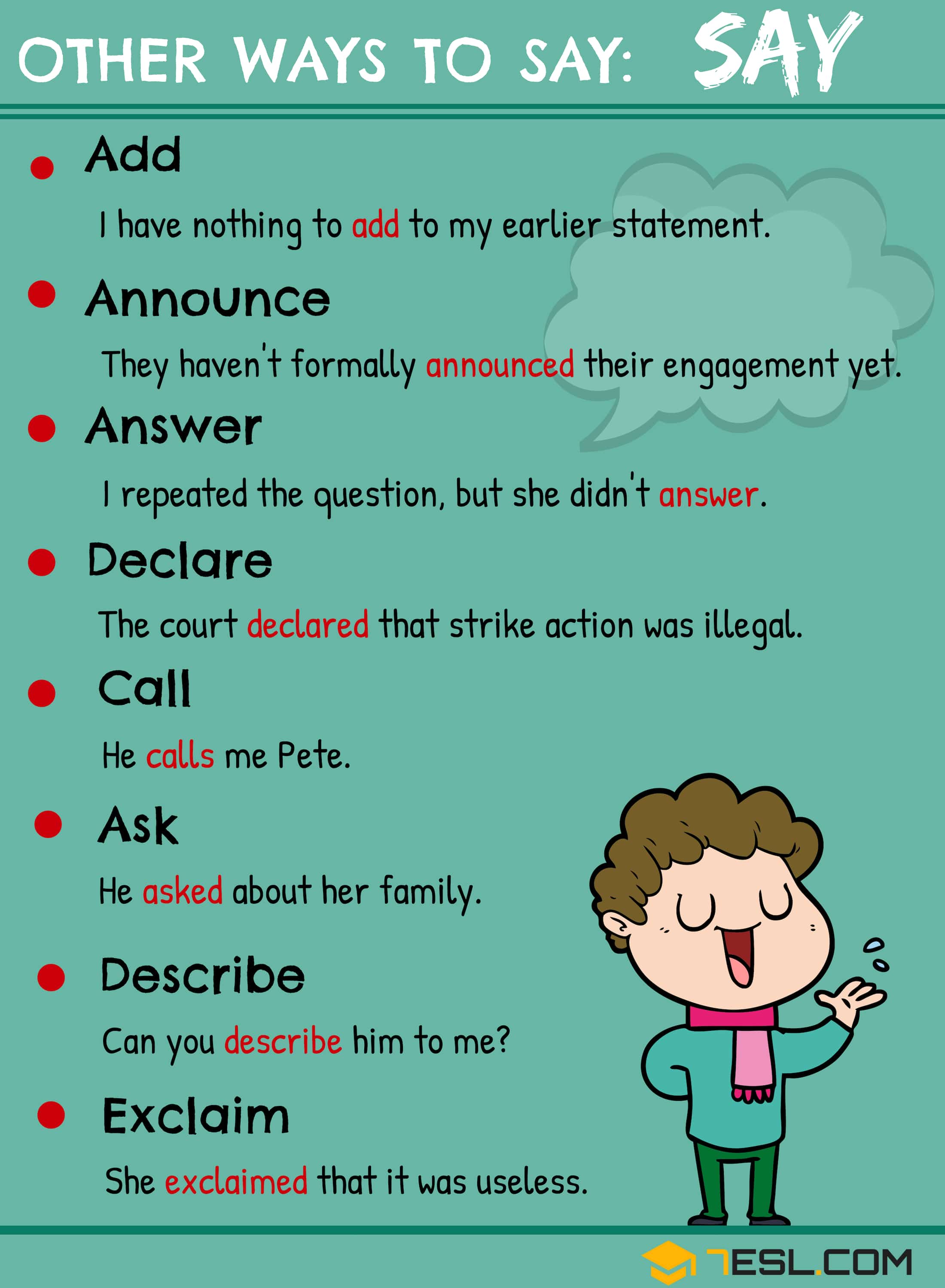
If you are looking for another word for "reluctantly" in writing, common direct synonyms include grudgingly, hesitantly, loathfully, half-heartedly, and unwillingly. However, the most effective replacement depends entirely on why the character or subject resists: whether driven by fear, pride, moral objection, or fatigue. Stronger prose often eliminates the adverb entirely in favor of active verbs, evocative adjectives, or sensory character beats.
Why "Reluctantly" Often Weakens Your Prose
In narrative fiction, journalism, and academic prose, the word "reluctantly" frequently acts as a placeholder modifier. It tells the reader that hesitation or resistance is taking place, but it fails to communicate the internal conflict, physical sensation, or emotional weight behind that hesitation.
When a writer relies heavily on adverbs ending in -ly, the narrative pace slows down. Adverbs modify verbs by describing how an action occurs, but they often mask weak verb choices. For example, writing "she reluctantly entered the room" relies on a generic verb (entered) coupled with an abstract modifier (reluctantly). The reader knows she did not want to enter, but they cannot see or feel her hesitation.
Replacing "reluctantly" with more precise vocabulary or structural alternatives achieves three key storytelling goals:
- Clarifies Character Motivation: Resistance born of terror feels fundamentally different from resistance born of arrogant pride or ethical concern.
- Sharpens Narrative Pacing: Active verbs and sensory details move the narrative forward faster than explanatory modifiers.
- Eliminates Redundant Prose: Combining a hesitant verb with "reluctantly" creates visual clutter and dilutes narrative impact.
Categorized Synonyms for "Reluctantly" by Emotional Tone
To select the ideal synonym, first isolate the specific reason for the subject's hesitation. Synonyms carrying different emotional connotations should not be used interchangeably.
Motivation for Reluctance:
- Fear / Anxiety: Hesitantly, Apprehensively, Dubiously
- Pride / Resentment: Grudgingly, Begrudgingly, Sullenly
- Moral Objection: Demurringly, Conscientiously, Scrupulously
- Fatigue / Apathy: Half-heartedly, Perfunctorily, Lukewarmly
1. Hesitation Driven by Fear or Anxiety
When hesitation stems from worry over safety, failure, or negative consequences, choose modifiers that highlight caution or nervousness.
- Hesitantly: Indicates a physical pause, uncertainty, or faltering step before taking action.
- Example: She hesitantly reached toward the rusted iron door.
- Apprehensively: Emphasizes anticipation of danger, trouble, or bad news.
- Example: The clerk apprehensively handed over the sensitive file.
- Dubiously: Suggests deep skepticism or mistrust regarding the outcome of the action.
- Example: He dubiously tasted the unidentifiable stew.
- Tentatively: Implies an experimental or provisional action taken without full confidence.
- Example: The team tentatively agreed to the unverified proposal.
- Falteringly: Conveys physical or verbal trembling, stumbles, or unsteady movement.
- Example: He falteringly stepped onto the fragile ice.
2. Resistance Driven by Pride, Resentment, or Arrogance
When a subject surrenders to an action despite feeling bitter, superior, or resentful, generic terms like "hesitantly" fail to capture the mood. Use words that emphasize wounded pride.
- Grudgingly: The classic replacement when someone yields permission, praise, or assistance against their desire.
- Example: The veteran commander grudgingly praised the rookie’s tactic.
- Begrudgingly: Similar to grudgingly, but carries a stronger undertone of envy or deep-seated resentment.
- Example: She begrudgingly surrendered her seat to her rival.
- Sullenly: Indicates resistance expressed through gloomy silence, anger, or ill temper.
- Example: The teenager sullenly picked up the broom.
- Resentfully: Focuses on the inner indignation felt while yielding to authority or necessity.
- Example: He resentfully signed the unfair settlement agreement.
- Sourly: Conveys a harsh, bitter attitude accompanying the action.
- Example: "Take it," she said sourly, shoving the keys across the counter.
3. Hesitation Driven by Moral or Ethical Objection
If resistance comes from a sense of duty, conscience, or professional standards, select words that reflect principled hesitation.
- Demurringly: Indicates polite, modest, or principled objection to a request or command.
- Example: The auditor demurringly declined the lavish gift.
- Conscientiously: Highlights that any pause or refusal is rooted in moral responsibility or careful reflection.
- Example: She conscientiously raised an objection to the hasty safety test.
- Scrupulously: Suggests extreme care and reluctance to violate strict ethical or technical boundaries.
- Example: The judge scrupulously avoided making off-the-record comments.
- Squeamishly: Implies reluctance caused by physical disgust or moral distaste.
- Example: The rookie detective squeamishly inspected the evidence bag.
4. Resistance Driven by Fatigue, Boredom, or Apathy
Sometimes hesitation isn't malicious or fearful; it is simply lazy. When enthusiasm is low, use words that signal low energy.
- Half-heartedly: Shows that an action was performed without genuine interest or complete effort.
- Example: He half-heartedly waved at the passing parade.
- Perfunctorily: Indicates an action carried out purely out of routine or obligation, lacking feeling or care.
- Example: The guard perfunctorily stamped the traveler's passport.
- Lukewarmly: Suggests a mild, unenthusiastic response lacking warmth or conviction.
- Example: The audience lukewarmly applauded the tedious speech.
- Listlessly: Implies physical exhaustion or utter lack of spirit and energy.
- Example: She listlessly flipped through the textbook pages.
Grammatical Alternatives: Beyond Adverbs
Relying solely on adverbs to modify weak verbs often clutters a sentence. Writers can elevate their prose by shifting to descriptive adjectives, strong active verbs, or prepositional phrases.
Adjective Alternatives
Shifting the focus from the action (adverb) to the subject performing it (adjective) creates a clearer image of state of mind.
- Loath: Unwilling or disinclined. (Note: Do not confuse with the verb "loathe," which means to hate).
- Adverb version: He reluctantly left the warm fireside.
- Adjective revision: He was loath to leave the warm fireside.
- Disinclined: Lacking a positive inclination or willingness.
- Adverb version: She reluctantly answered the late-night call.
- Adjective revision: She felt distinctly disinclined to answer the late-night call.
- Averse: Having a strong feeling of opposition or antipathy.
- Adverb version: The board reluctantly took on new debt.
- Adjective revision: The board remained deeply averse to taking on new debt.
- Reticent: Disinclined to speak or act openly.
- Adverb version: The witness reluctantly shared details.
- Adjective revision: The witness was reticent, offering only bare details.
Strong Active Verbs
Replacing a generic verb + "reluctantly" with a single, evocative verb sharpens narrative focus and tightens word count.
| Weak Verb + Adverb Combination | Single Active Verb | Revision Example |
|---|---|---|
| Reluctantly refused / paused | Demurred | Rather than agreeing, the lawyer demurred, citing client confidentiality. |
| Reluctantly backed away | Balked | The horse balked at the narrow wooden bridge. |
| Reluctantly hesitated | Faltered | Her voice faltered as she reached the final paragraph. |
| Reluctantly delayed | Dallied / Stalled | He stalled at the podium, shuffling his notes to buy time. |
| Reluctantly gave up | Conceded | After hours of debate, the negotiator finally conceded the point. |
| Reluctantly pulled back | Recoiled | She recoiled from the cold, damp stone wall. |
Prepositional and Idiomatic Phrases
Prepositional phrases add context and rhythm, making resistance feel grounded in specific circumstances.
- Under duress: Suggests coercion or external force compelling the action.
- Example: The suspect signed the confession under duress.
- Against one's better judgment: Highlights intellectual conflict between desire and knowledge.
- Example: She opened the attachment against her better judgment.
- With a heavy heart: Adds emotional grief or sorrow to the reluctance.
- Example: With a heavy heart, the mayor ordered the historical building demolished.
- Under protest: Indicates clear, active opposition while complying physically.
- Example: The union leadership accepted the terms under protest.
- With great misgiving: Shows deep suspicion or worry regarding the decision.
- Example: They invested in the startup with great misgiving.
Comparative Guide to Replacements
The table below outlines common alternatives to "reluctantly," categorizing them by word class, intensity, and optimal writing context.
| Word / Phrase | Form | Emotional Intensity | Ideal Tone & Context | Application Focus |
|---|---|---|---|---|
| Grudgingly | Adverb | Medium-High | Resentful, prideful compliance | Fiction, dialogue beats, character conflicts |
| Apprehensively | Adverb | Medium | Nervous, fear-driven hesitation | Suspense fiction, thriller narratives |
| Loath | Adjective | High | Deep-seated unwillingness or antipathy | Academic writing, formal essays, literature |
| Disinclined | Adjective | Low-Medium | Polite refusal or passive distaste | Formal correspondence, business writing |
| Demurred | Verb | Medium | Polite, professional, or ethical objection | Legal writing, formal narrative, journalism |
| Balked | Verb | High | Sudden, absolute refusal or stoppage | Narrative fiction, action scenes, sports reporting |
| Under duress | Phrase | High | Coerced or legally forced compliance | Legal documents, historical analysis, drama |
| Half-heartedly | Adverb | Low | Disinterest, fatigue, or lack of enthusiasm | Observational prose, comedic writing |
| Sullenly | Adverb | Medium-High | Gloomy, angry surrender | Young adult fiction, character studies |
| Perfunctorily | Adverb | Low | Bureaucratic, robotic action | Satire, corporate settings, institutional critique |
Applying "Show, Don't Tell" to Express Reluctance
In creative writing, the strongest alternative to "reluctantly" is often no single word at all. Showing physical behavior, dialogue pacing, and sensory details allows readers to infer reluctance naturally.
Showing Reluctance:
- Physical Beats:
- Swallowing hard
- Prolonged pauses
- Hovering at doorways
- Dialogue & Subtext:
- Stalling for time
- Monosyllabic answers
- Deflecting questions
- Syntax & Pacing:
- Choppy fragments
- Frequent dashes (—)
- Unfinished thoughts
1. Physical Beats and Micro-Expressions
Body language communicates internal hesitation without needing explanatory modifiers.
Telling: He reluctantly accepted the punishment.
Showing: He kept his hands jammed deep in his pockets, staring down at his boots as the principal read the suspension notice.
Telling: She reluctantly touched the injured animal.
Showing: Her hand hovered an inch above the matted fur for a long moment before her fingertips made light, unsteady contact.
Telling: He reluctantly handed over his wallet.
Showing: His grip tightened on the leather billfold. Only when the officer cleared his throat did he let go.
2. Dialogue Tactics and Subtext
Characters experiencing reluctance rarely speak smoothly. They stall, change the subject, hedge, or give short, reluctant answers.
Using Stalling Techniques:
- Flat: "I suppose we can go," he said reluctantly.
- Subtext-driven: "Are you sure the roads are clear?" He checked his watch, then glanced back toward the driveway. "Maybe we should wait until morning."
Using Vocal Hesitation:
- Flat: "Yes," she answered reluctantly.
- Subtext-driven: She pulled her mug closer with both hands. "If... if there's really no alternative."
3. Syntax and Sentence Pacing
Sentence structure can mirror psychological reluctance through punctuation, pauses, and interrupted rhythms.
- Smooth/Direct (Lacks Reluctance): He decided to open the envelope and read the test results immediately.
- Hesitant Pacing (Conveys Reluctance): The envelope sat on the desk. He reached for the letter opener, set it down, turned the envelope face down, and finally slid his thumb beneath the flap.
Common Writing Mistakes When Expressing Reluctance
When revising your work to replace "reluctantly," watch out for these stylistic traps:
1. Combining Reluctant Verbs with Reluctant Adverbs (Redundancy)
Placing an adverb next to a verb that already implies hesitation creates redundant prose.
- Incorrect: He reluctantly balked at entering the cavern. (Balking already implies refusal or hesitation).
- Correct: He balked at entering the cavern.
2. Confusing "Loath" and "Loathe"
This common spelling error changes an adjective describing reluctance into a verb describing hatred.
- Incorrect: She was loathe to leave the library.
- Correct: She was loath to leave the library. (She was unwilling).
- Correct use of loathe: She loathes noisy places. (She hates them).
3. Overusing "Grudgingly" as a Universal Swap
While "grudgingly" is a common synonym, it carries a specific tone of anger or bitter pride. Using it when a character is afraid or physically exhausted creates emotional confusion.
- Inaccurate: The lost child grudgingly stepped into the dark forest.
- Accurate: The lost child hesitantly stepped into the dark forest.
4. Over-Indexing on Complex Vocabulary
Substituting obscure or archaic words like "recalcitrantly" or "renitently" can draw unnecessary attention to the author's vocabulary rather than the story. If a fancy synonym disrupts reading flow, opt for a clear active verb or physical beat instead.
Practical Editing Guide: A Step-by-Step Replacement Workflow
Use this four-step process during your editing phase to identify and refine instances of "reluctantly" across your manuscript:
Step 1: Highlight
- Find "-ly" adverbs
Step 2: Diagnose Motivation
- Fear? Pride? Duty? Fatigue?
Step 3: Choose Strategy
- Verb, Adjective, or Beat?
Step 4: Read Aloud
- Check rhythm & flow
Highlight the Adverbs: Search your document for "reluctantly" and related adverbs (hesitantly, grudgingly).
Diagnose the Root Motivation: Ask why the character or subject resists. Is the driver fear, wounded ego, moral objection, or low energy?
Choose the Best Structural Strategy:
- For tight word count (news, essays): Swap to a strong verb (demurred, balked, conceded).
- For formal prose: Use an adjectival construction (loath to, averse to).
- For creative fiction: Replace the word entirely with a physical beat or dialogue pause.
Read the Revision Aloud: Test the rhythm. Ensure the revised sentence flows naturally within the surrounding paragraph.
Frequently Asked Questions
What is the closest direct synonym for "reluctantly"?
The most direct general synonym for "reluctantly" is unwillingly. If the hesitation involves fear or uncertainty, hesitantly is the closest match. If it involves pride or resentment, grudgingly is the closest match.
What is the difference between "reluctantly" and "grudgingly"?
While both words describe doing something against one's wishes, "reluctantly" focuses on internal hesitation, doubt, or unwillingness. "Grudgingly" specifically implies resentment, ill will, or wounded pride while complying.
How can I show a character is reluctant without using adverbs?
Focus on body language, physical pacing, and subtext. Show the character delaying the action through physical behaviors—such as fidgeting, avoiding eye contact, clearing their throat, or physically backing away—or through dialogue that stalls for time.
Is "reluctantly" acceptable in formal or academic writing?
Yes, "reluctantly" is grammatically correct and acceptable in formal writing. However, style guides often recommend replacing adverbial phrases with precise verbs or adjectives (such as loath, disinclined, or demurred) to maintain an objective and concise tone.
What is the difference between being "loath" and being "reluctant"?
"Loath" is an adjective meaning unwilling or disinclined (e.g., "He was loath to admit defeat"). "Reluctant" can be used similarly as an adjective, but it also takes the adverb form "reluctantly." Both convey unwillingness, though "loath" often carries a stronger, formal connotation of deep resistance.
Summary Recommendation
When editing your writing, treat the word "reluctantly" as a signal to look deeper into your characters and sentences. If you need a quick, direct word swap for formal prose, select a precise alternative like loath, disinclined, grudgingly, or demurred. In narrative fiction, eliminate the modifier altogether: replace it with strong active verbs, expressive body language, and realistic sentence pacing that let readers feel the hesitation for themselves.