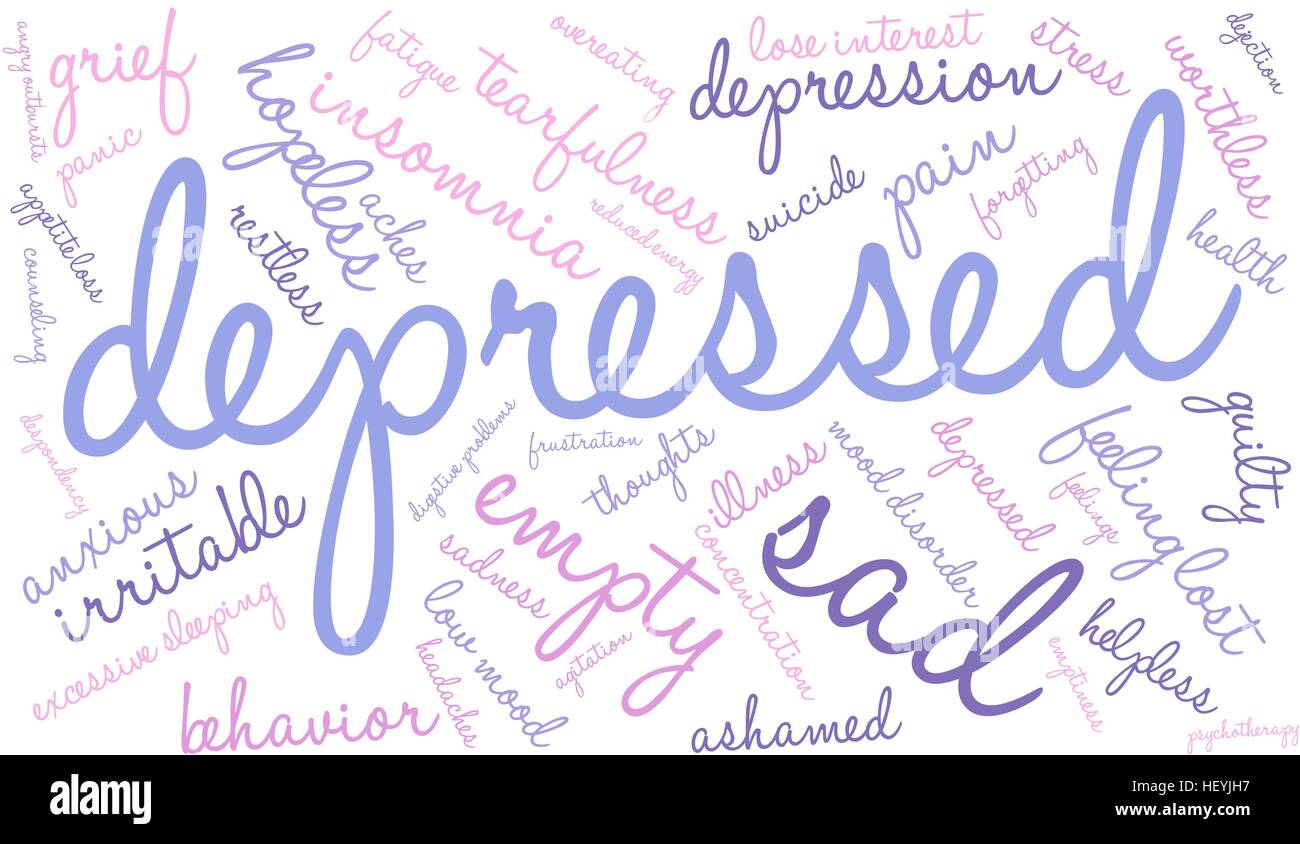
Finding the right word to describe sadness or depression depends on the intensity, cause, and context of the emotion. Common synonyms include melancholy, despondent, dejected, sorrowful, and miserable. For clinical contexts, terms like dysthymic or low mood are often used, while creative writing might employ words like forlorn or woebegone.
The English language is remarkably rich in its ability to categorize human emotion. While "sad" and "depressed" are the most frequently used terms, they often fail to capture the specific "flavor" of a person's internal state. In 2026, as our understanding of emotional intelligence and mental health continues to evolve, the demand for precise vocabulary has never been higher. Whether you are a writer seeking to avoid repetition, a student of English looking to expand your lexicon, or someone trying to articulate their feelings to a professional, selecting the right synonym is crucial for clear communication.
The Importance of Emotional Granularity
Emotional granularity refers to the ability to identify and label specific emotions with precision. Instead of saying you feel "bad," identifying that you feel "disillusioned" or "aggrieved" provides much more information to the listener. Research in psychology suggests that individuals who can name their emotions precisely are often better equipped to manage them.
When we look for another word for "depressed" or "sad," we are usually looking for a word that fits a specific degree of intensity or a specific cause. A person who is "sad" because a movie ended might be wistful, whereas someone "sad" because of a significant loss is grieved. Understanding these nuances prevents the dilution of powerful words and ensures that your message is received with the intended weight.
Categorizing Synonyms by Intensity
To choose the most appropriate word, it is helpful to view the spectrum of sadness through the lens of intensity. Not all "sadness" is equal; some feelings are fleeting shadows, while others are profound and life-altering.
Mild to Moderate Sadness
These words describe feelings that are manageable and often temporary. They might be caused by minor disappointments or a general "off" day.
- Unhappy: This is the most direct synonym for sad. It is a broad term that indicates a lack of pleasure or satisfaction.
- Downhearted: This suggests a temporary loss of spirit or discouragement. It is often used when someone has faced a minor setback.
- Blue: A colloquial term that implies a gentle, lingering sadness. It is often used in the phrase "feeling blue."
- Disappointed: Specifically refers to sadness caused by unmet expectations.
- Somber: This describes a mood that is serious, dark, or gloomy. It is often used to describe atmospheres or expressions.
Moderate to Strong Sadness
These terms imply a deeper level of emotional pain that is harder to shake off.
- Sorrowful: This word carries a heavy weight. It is often associated with loss, regret, or deep sympathy.
- Dejected: This describes a state of being "thrown down" in spirit. It often follows a rejection or a failure.
- Melancholy: A unique type of sadness that is often pensive and long-lasting. It can sometimes be "sweet" or reflective, rather than purely painful.
- Heartbroken: This is a visceral term used for intense grief, typically following the end of a relationship or the death of a loved one.
- Miserable: This suggests a state of great distress or discomfort. It implies that the sadness is so strong it is making life difficult to endure.
Extreme or Chronic Sadness (Synonyms for Depressed)
When "sad" isn't strong enough, or when describing a state that mirrors clinical depression, these words offer the necessary gravity.
- Despondent: This implies a complete loss of hope or courage. A despondent person feels that there is no way out of their current situation.
- Despairing: Similar to despondent, but even more intense. It suggests that all hope has vanished.
- Forlorn: This describes someone who is not only sad but also feels abandoned or lonely.
- Inconsolable: This is used when a person’s grief is so great that no amount of comfort can alleviate it.
- Devastated: This indicates that a person has been emotionally "shattered" by news or an event.
Distinguishing Clinical Depression from Situational Sadness
In 2026, medical and linguistic communities continue to emphasize the distinction between "feeling depressed" and "having depression." Using clinical terms incorrectly can lead to misunderstandings in professional or medical settings.
Clinical Terminology
If you are discussing mental health in a formal or medical context, specific terms are used by the American Psychological Association (APA) and other health organizations:
- Major Depressive Disorder (MDD): The formal clinical diagnosis for what is commonly called depression.
- Dysthymia (Persistent Depressive Disorder): A chronic, long-term form of depression that may be less severe than MDD but lasts for years.
- Anhedonia: A specific symptom of depression involving the inability to feel pleasure in normally enjoyable activities.
- Low Mood: A non-diagnostic term often used by healthcare providers to describe a state that does not yet meet the full criteria for a clinical disorder but requires attention.
Descriptive Synonyms for the "Feeling" of Depression
If you are trying to describe the sensation of depression without making a medical claim, consider these words:
- Lethargic: Describes the lack of energy and motivation often associated with depression.
- Empty: Captures the "void" or lack of emotion that many people experience rather than active sadness.
- Apathetic: Describes a state of not caring or having no interest in the world around you.
- Numb: Suggests that the person is so overwhelmed or depressed that they have ceased to feel anything at all.
Literary and Poetic Alternatives
Writers often avoid "sad" because it lacks descriptive power. In creative writing, the goal is often to "show, not tell." Using archaic or specialized vocabulary can help establish a specific tone or era.
- Woebegone: Describes someone looking particularly miserable or battered by grief. It has an older, classic feel to it.
- Lugubrious: This word describes sadness that is exaggerated or overly dismal. It is often used with a slight touch of irony or to describe a very dark atmosphere.
- Saturnine: Derived from the planet Saturn (historically associated with gloom), this describes a person who is slow, gloomy, and moody.
- Doleful: Suggesting mournfulness; it often describes sounds (like a bell) or expressions.
- Lachrymose: Literally meaning "tending to cause tears" or "given to weeping." It is a formal and sophisticated way to describe someone who is tearful.
Comparative Table of Synonyms
The following table provides a quick reference for choosing the right word based on the context and the specific "type" of sadness being expressed.
| Word | Intensity | Primary Nuance | Best Contextual Use |
|---|---|---|---|
| Glum | Low | Sullen or silent disappointment | Casual, everyday letdowns |
| Wistful | Low/Med | Sadness mixed with longing/desire | Reflections on the past |
| Morose | Medium | Sullen, ill-tempered sadness | Describing someone's personality or mood |
| Disheartened | Medium | Loss of spirit or confidence | After a failure or setback |
| Grief-stricken | High | Intense sorrow over a loss | Funerals, tragic events |
| Despondent | High | Utter lack of hope | Situations that seem inescapable |
| Miserable | High | General distress and unhappiness | Physical and emotional suffering |
| Melancholy | Variable | Pensive, gentle, or habitual sadness | Artistic or philosophical contexts |
Using Idioms and Colloquialisms
Native speakers frequently use idioms to describe sadness. These are often less formal and can convey a specific social tone.
- Down in the dumps: Feeling discouraged or depressed.
- Bummed out: A very common, casual way to say you are disappointed or mildly sad.
- Heavy-hearted: Carrying a great deal of sorrow or regret.
- At a low ebb: Feeling at your lowest point in terms of energy or mood.
- Reduced to tears: So sad that you are actively crying.
- In the doldrums: A period of stagnation or low spirits.
Selecting the Right Word: A Step-by-Step Approach
When you are stuck and need an alternative to "sad" or "depressed," follow these steps to ensure you select the most accurate term.
Step 1: Identify the Cause
Is the sadness caused by a loss? Use sorrowful or bereft. Is it caused by a failure? Use dejected or crestfallen. Is it caused by a lack of hope? Use despondent. Identifying the source helps narrow down the list of synonyms significantly.
Step 2: Determine the Intensity
On a scale of 1 to 10, how strong is the feeling? If it is a 2, use glum. If it is a 10, use devastated. Using a high-intensity word for a low-intensity situation (e.g., "I am devastated that the store was closed") can come across as hyperbolic or dramatic.
Step 3: Consider the Audience
If you are writing a formal essay, words like melancholy or somber are appropriate. If you are texting a friend, bummed or down fits better. If you are speaking to a doctor, focus on functional words like lethargic or persistent low mood.
Step 4: Check the Connotation
Every word carries "baggage." Morose implies the person is being a bit difficult to be around. Melancholy implies the person might be a deep thinker. Pitiable implies they deserve or invite pity, which might be offensive if used incorrectly. Always check the secondary meanings of a synonym before using it.
The Role of Context in Word Choice
Context is the most important factor in linguistics. For example, the word blue is perfectly acceptable in poetry or song lyrics ("Blue Moon," "The Blues"), but it would be out of place in a technical report about psychological trends in 2026.
Similarly, disconsolate is a beautiful word for a novel, describing someone who cannot be cheered up, but it might sound overly formal or "academic" in a casual conversation at a coffee shop. In 2026, the trend in English is moving toward "authentic expression," which means using the word that most accurately reflects the internal state rather than the most impressive-sounding word.
Frequently Asked Questions
What is the most formal word for sad?
Melancholy or sorrowful are often considered formal. However, depending on the specific type of sadness, lugubrious (for exaggerated sadness) or disconsolate (for sadness that cannot be comforted) are even more sophisticated options.
Is "depressed" always a medical term?
No. In common English, people use "depressed" to mean "very sad." However, it is increasingly important to distinguish between the temporary emotion and the clinical condition. In professional writing or healthcare, "depressed" is reserved for the medical diagnosis.
What is a word for being sad for no reason?
Melancholy is the most traditional word for a deep, pensive sadness that doesn't always have an obvious cause. Listless can also describe the lack of energy and vague unhappiness that comes with having no specific focus.
How do you describe a "sad" atmosphere?
To describe a place or situation rather than a person, use words like somber, gloomy, dreary, funereal, or oppressive.
What is the difference between "wistful" and "sad"?
Wistful involves a sense of longing or yearning for something in the past or something that cannot be. It is a "bittersweet" feeling. "Sad" is a more general term for unhappiness and does not necessarily involve longing.
Practical Recommendation
To improve your emotional vocabulary, start by keeping a list of three "new" synonyms that resonate with your specific experiences. Instead of defaulting to "sad" in your writing or speech, challenge yourself to use one of the categorized terms above. For those specifically dealing with mental health concerns, the National Institute of Mental Health (NIMH) provides excellent resources on the terminology used to describe clinical depression and related conditions. Precision in language leads to precision in thought and better connection with others.