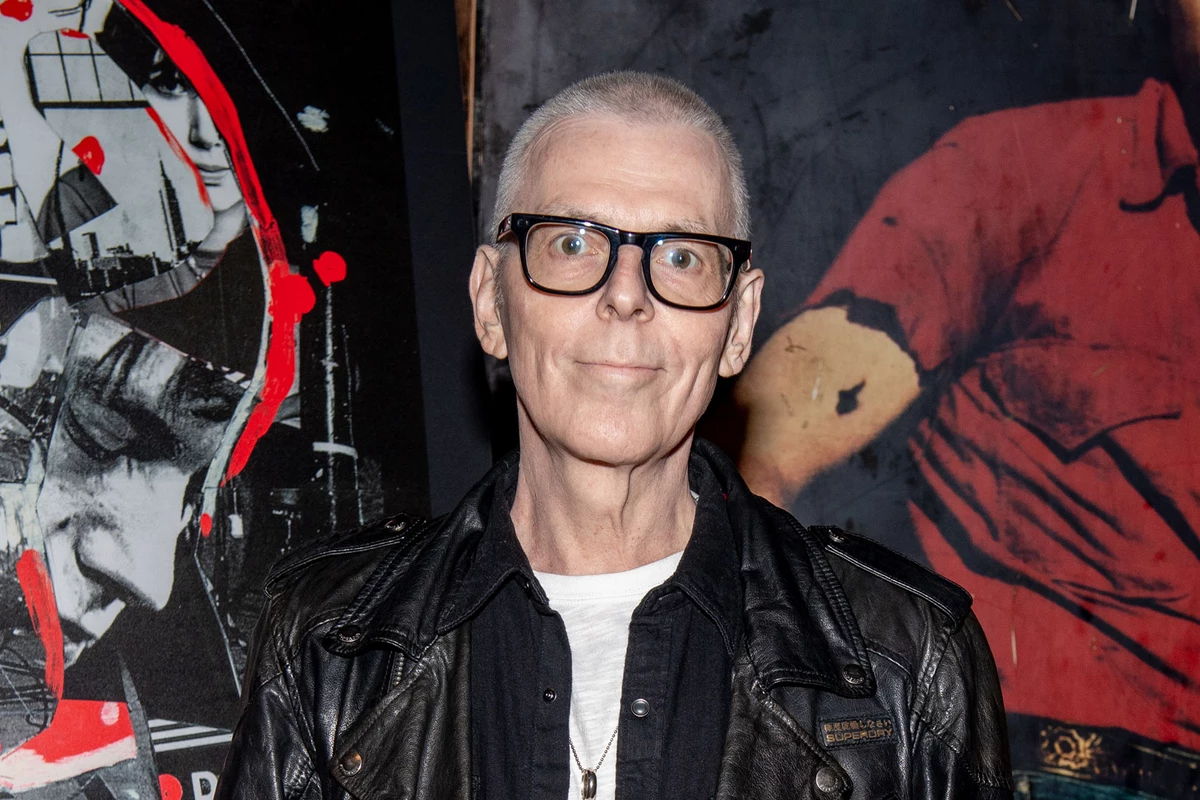
Andy Rourke, the influential bassist of the seminal British indie rock band The Smiths, died on May 19, 2023, at the age of 59. His death followed a private and courageous battle with pancreatic cancer. Rourke is widely celebrated for his innovative, melodic bass lines that defined the alternative rock sound of the 1980s.
The Circumstances of Andy Rourke’s Passing
In the early morning hours of May 19, 2023, the music world received the somber news that Andy Rourke had passed away. The announcement was made by his lifelong friend and bandmate, Johnny Marr, via social media. Rourke died at Memorial Sloan Kettering Cancer Center in New York City. For some time, Rourke had been battling pancreatic cancer, a diagnosis he largely kept private, choosing to focus on his music and personal life during his final years.
As we look back from 2026, the impact of his departure remains a significant touchstone for the music industry. Pancreatic cancer is known for its aggressive nature and late-stage detection, and Rourke’s struggle highlighted the devastating speed with which the disease can progress. Despite his illness, Rourke had remained active in the music scene as long as his health permitted, participating in recording sessions and live appearances that demonstrated his unwavering commitment to his craft.
The announcement triggered an immediate and massive outpouring of grief from fans and peers alike. Marr’s tribute described Rourke as a "supreme musician" and a "beautiful soul," emphasizing that their bond began in childhood, long before they conquered the charts. This personal connection was the bedrock of The Smiths, providing a rhythmic and emotional stability that allowed the band’s complex dynamics to flourish.
The Technical Artistry of Andy Rourke
To understand why the death of Andy Rourke was so impactful, one must examine the technical specifics of his playing style. Unlike many of his contemporaries in the post-punk and New Wave eras who relied on simple, driving root notes, Rourke treated the bass guitar as a lead instrument. His work was characterized by a sophisticated blend of funk-influenced rhythms and pop sensibilities.
Melodic Foundation and Counterpoint
Rourke’s playing provided a melodic counterpoint to Johnny Marr’s intricate guitar weaves. In tracks like "This Charming Man" and "The Queen Is Dead," Rourke’s bass lines do not merely follow the guitar chords; they navigate around them, creating a lush, polyphonic texture. His use of the plectrum (pick) gave his notes a sharp, percussive attack that helped the bass cut through the "jangly" guitar layers typical of 1980s production.
Key Tracks and Stylistic Highlights
Certain songs serve as definitive examples of Rourke's genius:
- "Barbarism Begins at Home": This track features a heavy, slap-adjacent funk line that demonstrated Rourke's versatility. It proved that The Smiths were not just a "mopey" indie band but a group capable of profound rhythmic complexity.
- "There Is a Light That Never Goes Out": Here, Rourke provides a steady, soulful foundation that anchors the soaring melodies and melancholic lyrics, proving his ability to play with restraint and emotional depth.
- "Heaven Knows I'm Miserable Now": The bass line in this song is notably busy and jazz-inflected, showcasing his ability to fill space without over-complicating the arrangement.
| Song Title | Album | Year | Notable Bass Technique |
|---|---|---|---|
| This Charming Man | Single | 1983 | High-register melodic fills and syncopation |
| Barbarism Begins at Home | Meat Is Murder | 1985 | Percussive, funk-driven rhythmic lead |
| The Queen Is Dead | The Queen Is Dead | 1986 | Relentless, driving energy and technical precision |
| There Is a Light That Never Goes Out | The Queen Is Dead | 1986 | Harmonically rich foundation and subtle phrasing |
| How Soon Is Now? | Meat Is Murder (US) | 1985 | Sustained, atmospheric notes providing structural depth |
The Smiths and the 1980s Cultural Shift
The Smiths were more than a band; they were a cultural phenomenon that articulated the anxieties and aspirations of a generation. Andy Rourke was a founding member, joining shortly after Morrissey and Johnny Marr formed the group in Manchester in 1982. Alongside drummer Mike Joyce, Rourke formed one of the most respected rhythm sections in rock history.
During their brief but explosive five-year run, The Smiths released four studio albums that redefined British music. Rourke’s contribution was essential to the band’s rejection of the synthesized pop that dominated the early 80s. By sticking to traditional instrumentation—guitar, bass, and drums—The Smiths pioneered a "back to basics" approach that nevertheless felt entirely modern and experimental.
The chemistry between the four members was legendary, though often fraught with tension. Despite the eventual legal disputes over royalties that surfaced in the 1990s, the musical respect between the members remained largely intact. In the years following Rourke's death, even the more reclusive members of the band acknowledged that his unique "ear" for melody was irreplaceable.
Career Beyond The Smiths
While he is most frequently associated with The Smiths, Andy Rourke’s career was extensive and varied. Following the band’s dissolution in 1987, he became a highly sought-after session musician and collaborator.
Collaborations and Side Projects
Rourke worked with a diverse array of artists, showcasing his ability to adapt to different genres:
- Sinead O'Connor: Rourke played on several tracks for the late Irish singer, including her acclaimed album I Do Not Want What I Haven't Got.
- The Pretenders: He joined Chrissie Hynde’s band for a period, contributing to the album Last of the Independents.
- Freebass: This was a unique "supergroup" consisting of three iconic bass players: Rourke, Peter Hook (New Order/Joy Division), and Mani (The Stone Roses). The project was an exploration of the bass guitar's possibilities as a primary melodic force.
- D.A.R.K.: In his later years, Rourke formed the band D.A.R.K. with Dolores O'Riordan of The Cranberries and Olé Koretsky. This project leaned into electronic and dark-wave influences, showing Rourke’s continued evolution as a musician.
His work with these artists demonstrated that he was not a one-trick pony. He possessed a rare musical intelligence that allowed him to enhance any project he joined, whether it was a stadium rock anthem or an intimate folk-pop ballad.
Global Tributes and the Music Community's Response
The death of Andy Rourke elicited tributes from every corner of the music world. Musicians from different generations and genres spoke of his influence. Flea of the Red Hot Chili Peppers, Peter Hook, and members of Suede and Oasis all publicly shared how Rourke’s bass lines influenced their own approach to the instrument.
In 2023, the tributes often centered on his humility. Despite his massive influence, Rourke was known as a gentle and unassuming individual. Johnny Marr noted that Rourke never seemed fully aware of how great he actually was, a quality that endeared him to fans and colleagues alike.
The city of Manchester, the birthplace of The Smiths, saw various spontaneous memorials. Fans gathered at the Salford Lads Club—immortalized in the band’s photography—to leave flowers and lyrics. For the people of Manchester, Rourke represented the city’s rich musical heritage and its ability to produce world-class talent from working-class roots.
Managing the Legacy: 2024–2026
By 2026, the legacy of Andy Rourke has been solidified through several posthumous initiatives. His estate, in conjunction with music historians, has worked to ensure that his technical contributions are documented for future generations of bassists.
Posthumous Recognition and Archives
There have been discussions regarding the release of unheard recordings and alternate takes from his various projects. More importantly, Rourke’s death spurred a renewed interest in the technical study of his work. Music schools and online platforms have seen an uptick in "masterclass" style breakdowns of his most famous bass lines, emphasizing the importance of counter-melody in rock music.
The 2023 passing of Rourke, followed by the passing of other contemporary icons, has led to a broader cultural conversation about the preservation of 80s alternative rock history. Rourke’s specific gear—including his signature Fender Precision Bass and his Gallien-Krueger amplifiers—has become a subject of study for equipment enthusiasts looking to replicate that specific "Smiths sound."
The Physical and Emotional Toll of Pancreatic Cancer
Pancreatic cancer remains one of the most challenging diagnoses in modern medicine. At the time of Rourke's death, the survival rates for the disease were notoriously low. His passing served as a reminder of the need for increased research and early detection methods.
In the years since his death, several charities associated with cancer research have seen increased donations in his name. Fans have organized "Andy Rourke Tribute" concerts, with proceeds going to organizations like Pancreatic Cancer UK and similar institutions in the United States. This philanthropic legacy ensures that Rourke’s impact extends beyond the airwaves and into the realm of public health and advocacy.
Frequently Asked Questions
What was the official cause of Andy Rourke's death?
Andy Rourke died from pancreatic cancer. He had been battling the illness for a considerable amount of time before passing away in a New York City hospital. He chose to keep his diagnosis relatively private, sharing the news only with close friends and family members until his passing was announced.
How old was Andy Rourke when he died?
He was 59 years old. He was born on January 17, 1964, and passed away on May 19, 2023. His relatively young age at the time of his death was a shock to many in the music community, as he had remained active in the industry until his health declined.
Did The Smiths reunite before he passed?
No, a full reunion of The Smiths never occurred. While there were numerous rumors and high-dollar offers over the decades, the band remained split following their 1987 breakup. However, Andy Rourke did maintain a professional and personal relationship with Johnny Marr, and the two performed together as recently as 2022 during Marr's tour dates in New York.
Which bass guitar did Andy Rourke typically play?
Rourke was most famous for playing a Fender Precision Bass. He often used a mid-1970s model in a sunburst finish. He was also known to use a Fender Jazz Bass and, in later years, various Yamaha models. His setup usually involved a pick and a specific equalization that emphasized the mid-range frequencies, allowing his melodic lines to be clearly heard.
Where is Andy Rourke buried?
Details regarding his final resting place have been kept private by his family and estate to ensure their privacy. Memorial services held in New York and Manchester allowed friends and peers to pay their respects, but his specific interment site has not been made public.
Final Recommendation for Fans and Musicians
To truly honor the memory of Andy Rourke, listeners are encouraged to revisit The Queen Is Dead or Meat Is Murder with a specific focus on the bass frequencies. For musicians, studying Rourke’s ability to weave melody into a rhythmic framework provides an invaluable lesson in arrangement and songcraft. His life serves as a testament to the power of the "unseen" hero in a band—the one who provides the pulse and the soul that allows the more visible elements to shine. Supporting pancreatic cancer research remains a practical way to honor his struggle and help others facing the same diagnosis.