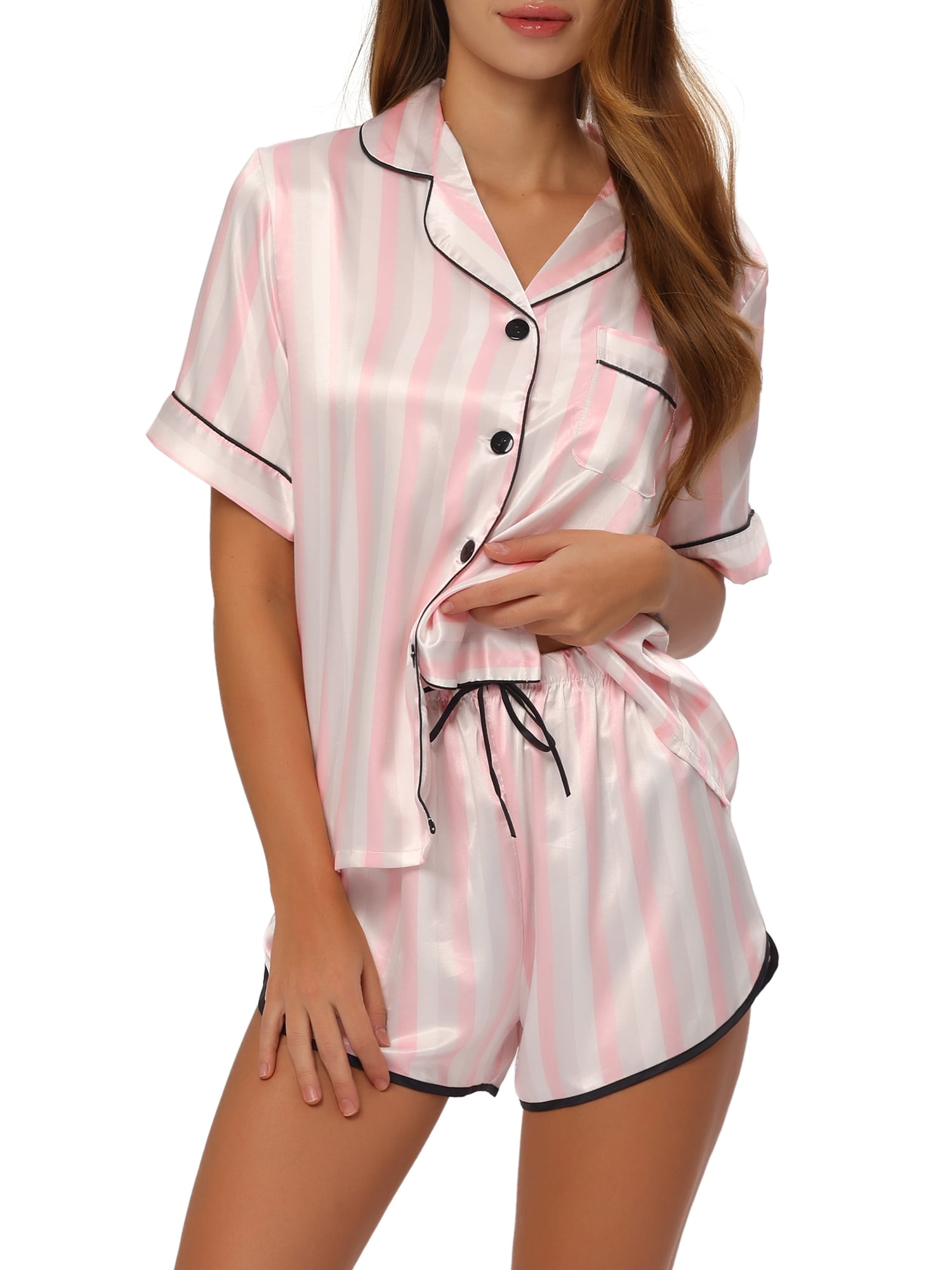
In 2026, the Amazon women’s nightwear market represents a multi-billion dollar ecosystem characterized by a shift toward sustainable materials, size inclusivity, and multi-functional loungewear. Success in this category requires a sophisticated balance of high-quality fabric sourcing, data-driven PPC strategies, and a robust understanding of Amazon’s evolving fulfillment and return-reduction technologies.
The Evolution of the Nightwear Landscape on Amazon
The nightwear category on Amazon has transitioned from a basic utility segment to a high-fashion, brand-conscious marketplace. Historically dominated by price-point competition, the 2026 landscape is now driven by brand loyalty and material transparency. Consumers no longer search merely for "pajamas"; they search for "organic bamboo cooling sleepwear" or "post-partum modal nightgowns."
This evolution is fueled by the blurring lines between sleepwear and loungewear. With the continued prevalence of hybrid work models and a cultural emphasis on "wellness at home," women’s nightwear often serves a dual purpose. Pieces must be comfortable enough for eight hours of sleep but aesthetically pleasing enough for morning video calls or household tasks. Amazon’s infrastructure has adapted to this by introducing advanced filtering options for fabric weight, breathability, and "occasion" tags, allowing sellers to target specific lifestyle niches rather than broad demographics.
Key Market Segments and Product Categories
To understand the Amazon women's nightwear market, one must analyze the distinct sub-categories that drive the highest volume and growth. Each segment carries unique customer expectations and seasonal demand curves.
Pajama Sets (Two-Piece and Multi-Piece)
Two-piece sets remain the highest-grossing sub-category. In 2026, the trend has shifted toward "modular" sets—3-piece or 4-piece collections that include a camisole, long-sleeve top, shorts, and pants. This versatility appeals to customers across different climates. Sellers focusing on this segment prioritize coordinate prints and elastic-free waistbands that emphasize ergonomic comfort.
Nightgowns and Chemises
This segment has seen a resurgence through the "coastal grandmother" and "cottagecore" aesthetic trends. However, the technical side of nightgowns in 2026 focuses on temperature regulation. Technical fabrics that wick moisture are particularly popular among the perimenopausal and menopausal demographic, a high-spending segment on Amazon. Chemises, often categorized under "Lingerie & Nightwear," require higher-quality photography and A+ Content to justify premium price points.
Robes and Wraps
Robes on Amazon are highly seasonal, peaking during the Q4 holiday window and the Mother’s Day period in Q2. The market is split between "spa-grade" heavy cotton terry robes and lightweight, decorative satin or silk kimonos. In 2026, the "getting ready" robe niche—marketed toward bridal parties—remains a stable, high-conversion sub-category with significant opportunities for personalized or bundled offerings.
One-Piece Sleepwear (Onesies and Rompers)
While often considered a novelty, adult onesies have established a permanent foothold in the "leisurewear" segment. The 2026 market shows a preference for "elegant onesies" made from premium fleece or waffle-knit fabrics, moving away from the cartoonish designs of previous years toward sophisticated, monochrome lounge-suits.
Competitor Landscape: Private Label vs. Established Brands
The competitive environment on Amazon is a trifecta of Amazon’s own private labels, large national brands, and agile third-party (3P) sellers.
- Amazon Private Labels: Brands like Amazon Essentials and Iris & Lilly dominate the "basics" segment. They leverage massive data sets to optimize pricing and placement, making it difficult for 3P sellers to compete on price alone for standard cotton pajamas.
- Native Amazon Brands: Success stories like Ekouaer and Luvlette have built massive followings by utilizing Amazon-specific tools. These brands often lead in review volume and have mastered the "Amazon aesthetic"—clean, high-contrast imagery and aggressive lightning deals.
- National and Designer Brands: Heritage brands such as Victoria’s Secret, Hanes, and Calvin Klein utilize Amazon as a secondary or clearance channel. Their presence lends credibility to the category but often leaves gaps in the "niche" and "eco-friendly" segments where smaller sellers can thrive.
Material Trends and Sustainability in 2026
Material science is the primary differentiator in the current market. Amazon’s "Climate Pledge Friendly" badge has become a critical conversion factor, as 2026 consumers are increasingly wary of "fast fashion" waste.
- Bamboo Viscose and Modal: These are the dominant "premium" fabrics. They are marketed for their softness, sustainability, and cooling properties. Sellers who can provide Oeko-Tex or FSC certifications for their bamboo sources see higher trust scores and lower return rates.
- Recycled Polyester: Used primarily in fleece and satin-mimic products, recycled synthetics allow sellers to maintain lower price points while still appealing to eco-conscious buyers.
- Organic Cotton: GOTS-certified organic cotton is the gold standard for sensitive skin. While more expensive, it commands a price premium and fosters long-term brand loyalty.
- Smart Fabrics: A burgeoning niche in 2026 involves fabrics infused with minerals or silver ions to promote recovery or reduce odor. While still a specialty segment, "recovery sleepwear" is gaining traction among the fitness-focused demographic.
Pricing and Profitability Analysis
Pricing in the nightwear category is highly elastic, but generally falls into three distinct tiers on Amazon:
| Price Tier | Range (USD) | Dominant Features | Target Audience |
|---|---|---|---|
| Value | $15 – $25 | Synthetic blends, basic cuts, high-volume multipacks. | Budget-conscious, students, bulk buyers. |
| Mid-Range | $30 – $55 | Modal/Bamboo, lace detailing, Brand Registry features. | Majority of Amazon shoppers, gift-givers. |
| Premium | $60 – $120+ | Real silk, GOTS organic cotton, technical recovery fabrics. | Luxury seekers, wellness-focused, niche enthusiasts. |
Margin Considerations: Sellers must account for a high return rate in the apparel category, which often ranges from 15% to 25% on Amazon. Profitability is maintained through "Fit Insights" data and accurate sizing charts to reduce "bracket buying" (where customers buy multiple sizes and return all but one).
Operational Requirements and Quality Standards
Selling women's nightwear on Amazon requires strict adherence to both legal regulations and platform-specific policies.
Flammability Standards
In the United States, nightwear is subject to strict flammability standards regulated by the Consumer Product Safety Commission (CPSC) under 16 CFR Parts 1615 and 1616. While these are most stringent for children's sleepwear, adult nightwear must still comply with general textile flammability requirements (16 CFR Part 1610).
Labeling and Documentation
All products must have permanent labels indicating fiber content, country of origin, and care instructions, as mandated by the FTC Textile Act. On Amazon, these details should be mirrored in the "Product Specifications" section of the listing to improve searchability and reduce customer dissatisfaction.
Amazon Brand Registry
In 2026, selling without Brand Registry is a significant disadvantage. Registry access provides:
- A+ Content: Enhanced descriptions with modules for size charts and lifestyle imagery.
- Brand Stores: A dedicated "mini-site" on Amazon to showcase the full nightwear collection.
- Transparency Program: Prevents counterfeiters from hijacking listings by requiring unique 2D codes on every unit.
Data-Driven Marketing and Search Optimization
Search Engine Optimization (SEO) for nightwear in 2026 has moved beyond simple keyword stuffing. Amazon’s A9 algorithm now prioritizes "semantic relevance" and "visual search" compatibility.
- Long-Tail Keywords: Instead of targeting "pajamas," successful sellers target "button-down pajama set with pockets" or "cooling nightgown for night sweats."
- Visual Search Optimization: With the rise of the Amazon mobile app’s "Find It on Amazon" photo tool, listings must have high-resolution, clear main images on a pure white background that highlight texture and silhouette.
- Video Content: 2026 data shows that listings with "walk-through" videos (showing how the fabric moves on a model) have a 30% higher conversion rate than those with static images alone.
- Amazon Vine: For new product launches, the Vine program is essential for building the initial "social proof" required to compete in a category where reviews are a primary trust signal.
Logistics and Fulfillment Strategies
The logistical demands of the nightwear market are influenced by seasonality and the need for rapid delivery.
- Fulfillment by Amazon (FBA): The majority of top-selling nightwear uses FBA. The "Prime" badge is a non-negotiable requirement for high-volume sales. In 2026, Amazon’s regionalization of inventory means sellers must maintain high stock levels across multiple fulfillment centers to ensure same-day or next-day delivery.
- Packaging: Sustainable packaging is a major trend. Moving from plastic polybags to compostable mailers or branded cardboard boxes can improve brand perception and reduce negative feedback related to environmental impact.
- Managing Seasonal Surges: Sellers must plan inventory 4-6 months in advance for the Q4 rush. Failure to maintain stock in December not only results in lost sales but also severely damages organic search rankings for the following year.
Frequently Asked Questions
What are the most popular nightwear fabrics on Amazon in 2026?
Bamboo viscose and Tencel modal are the most popular "performance" fabrics due to their breathability and soft hand-feel. Cotton remains a staple for value-based sets, while satin and silk dominate the bridal and luxury gifting niches.
How can sellers reduce return rates for apparel on Amazon?
Sellers should utilize the "Amazon Fit Insights" tool, provide detailed size charts with physical measurements (inches and cm), and include "Model Stats" (e.g., "Model is 5'8" wearing a Size Small"). High-quality video content that shows fabric drape also helps set realistic customer expectations.
Is the women’s nightwear market on Amazon oversaturated?
While the "basic" segment is highly competitive, there is significant opportunity in "sub-niches." These include maternity/nursing sleepwear, post-surgical nightwear, petite and plus-size specific cuts, and sustainably certified luxury sleepwear.
What are the key seasonal peaks for nightwear sales?
The primary peak is Q4 (November and December) for holiday gifting. Secondary peaks occur in February (Valentine’s Day), May (Mother’s Day), and during the "Prime Day" events in July and October.
Does Amazon require specific certifications for "Organic" nightwear?
Yes. To use "Organic" in a listing title or to get the Climate Pledge Friendly badge, sellers must provide proof of certification, such as Global Organic Textile Standard (GOTS) or Organic Content Standard (OCS), through Amazon Seller Central's compliance portal.
Strategic Recommendation for 2026
For brands looking to enter or expand within the Amazon women’s nightwear market in 2026, the path to success lies in specialization and sustainability. Rather than attempting to compete with Amazon Essentials on price, sellers should focus on a specific consumer pain point—such as "temperature regulation for night sweats" or "sensory-friendly fabrics for sensitive skin." Invest heavily in Brand Registry features, particularly video and A+ Content, and ensure that every product meets the highest standards of material transparency. By positioning your brand as a "wellness" solution rather than a commodity, you can maintain healthy margins despite the inherent competitive pressures of the Amazon marketplace.