Alton Smith has fundamentally altered the classic car landscape by shifting the focus from speculative flipping to data-driven, transparent asset management. By prioritizing ironclad provenance and mechanical forensic audits, he has established new standards for "investment-grade" vehicles, bridging the gap between hobbyist passion and institutional-grade alternative investments in 2026.
The Evolution of the Classic Car Market Under Alton Smith
For decades, the classic car market operated on a mix of passion, nostalgia, and often opaque negotiation. Buyers frequently relied on "word of mouth" or surface-level inspections at high-pressure auctions. As we navigate the mid-2020s, that model has been largely superseded by a more rigorous, analytical framework. Alton Smith has been at the forefront of this transition, treating vintage automobiles not merely as machines, but as high-performance financial assets.
The "Smith Approach" focuses on the intersection of historical significance and mechanical perfection. In 2026, the market no longer rewards "shiny paint" alone. Smith’s influence has pushed collectors to demand a comprehensive "life file" for every vehicle. This shift has forced sellers to move away from the quick-flip mentality of the early 2010s and toward a more patient, stewardship-based model of ownership.
From Speculation to Wealth Preservation
One of the primary ways Alton Smith reshapes the classic car market is by redefining what constitutes "value." In the past, value was often dictated by the latest auction results for a similar model. Smith introduced a more nuanced valuation model that accounts for:
- Originality Index: The percentage of factory-original components versus period-correct replacements.
- Chain of Ownership: A documented, unbroken lineage of previous keepers, which significantly mitigates the risk of "title washing" or undisclosed damage.
- Maintenance Continuity: Evidence of consistent mechanical care, rather than long periods of dormancy followed by a "recommissioning" for sale.
This methodology has stabilized the market. While the era of 20% annual returns on average-condition cars has faded, the "Blue Chip" segment—cars with impeccable Smith-standard documentation—has seen steady, predictable growth as they are increasingly held in family offices and private wealth portfolios.
Transparency and the Death of the "Opaque Auction"
Historically, the classic car world was plagued by "shill bidding" and undisclosed reserves. Smith’s influence has championed the "Transparency First" initiative. This movement mandates that all mechanical faults, no matter how minor, are disclosed in a standardized digital report before a vehicle ever reaches the sales floor or digital portal.
The Forensic Audit Process
In 2026, a "Smith-Certified" vehicle undergoes a forensic audit that goes far beyond a standard pre-purchase inspection (PPI). This process includes:
- Metallurgical Testing: Checking for non-original metal or excessive use of body filler (bondo) using ultrasonic thickness gauges.
- Date-Code Verification: Ensuring that every component—from the glass to the alternator—aligns with the vehicle’s build date.
- Digital Twin Documentation: Creating a 3D scan of the vehicle’s current state to act as a permanent record of its condition at the time of sale.
This level of scrutiny has reshaped the market by creating a two-tier system. Vehicles that can pass this audit command a premium of 30-50% over those that cannot. This has effectively "cleaned up" the market, pushing lower-quality examples into the "driver" category while elevating pristine examples to true "investment" status.
The Youngtimer Surge: Reaching a New Demographic
Alton Smith recognized early that the demographic profile of the classic car collector was shifting. As the "Great Wealth Transfer" continues into 2026, younger Gen X and Millennial collectors are entering the market. These buyers are less interested in pre-war or 1950s Americana and more focused on "Youngtimers"—high-performance vehicles from the 1980s, 1990s, and early 2000s.
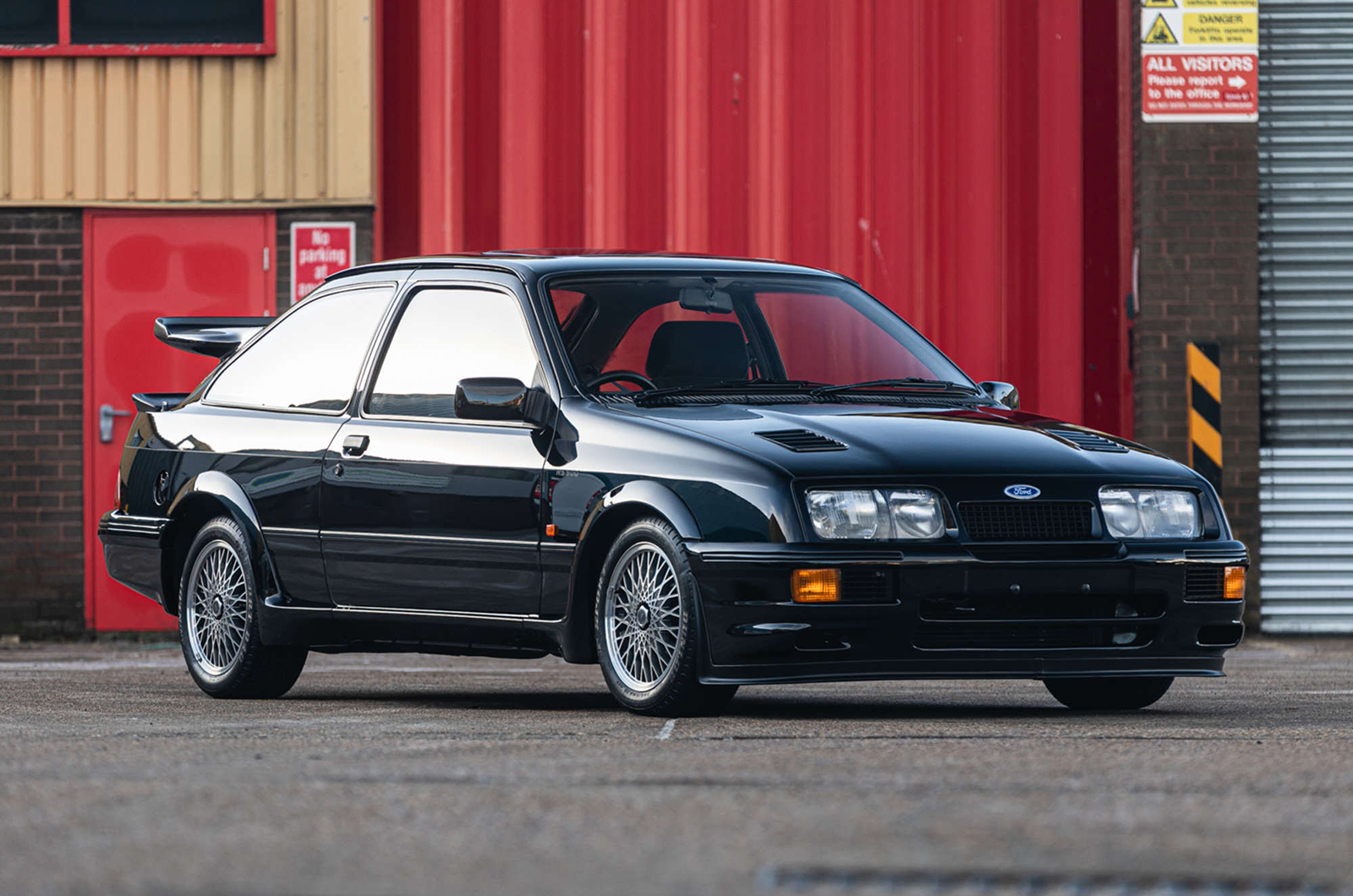
Smith’s impact here has been revolutionary. He applied the same rigorous standards typically reserved for 1960s Ferraris to modern classics like the Porsche 993, the BMW E30 M3, and the Nissan Skyline GT-R. By validating these cars as legitimate assets, he helped catalyze the price surges seen in these segments over the last five years.
Redefining Rarity in the Modern Era
In the "Youngtimer" segment, Smith argues that rarity is not just about production numbers but about "survival rates." Because many of these cars were driven hard in their early years, a low-mileage, unmodified example is statistically rarer than many limited-production supercars. This insight has reshaped how collectors view late-20th-century vehicles, leading to record-breaking prices for cars that were once considered "mere used vehicles."
Comparative Market Models: Traditional vs. The Smith Standard
The following table illustrates the shift in market dynamics between the traditional 20th-century approach and the modern, Alton Smith-influenced model prevalent in 2026.
| Feature | Traditional Market Model | Smith-Standard Model (2026) |
|---|---|---|
| Primary Valuation Factor | Recent auction "highs" | Comprehensive forensic audit results |
| Documentation | Paper logs (often incomplete) | Encrypted digital "life files" & 3D scans |
| Inspection Standard | Visual "walk-around" | Ultrasonic testing & date-code verification |
| Buyer Motivation | Speculative profit / Nostalgia | Long-term wealth preservation & asset utility |
| Transaction Method | High-pressure public auctions | Curated private treaty & transparent digital portals |
| Restoration Goal | Aesthetic "perfection" | Mechanical authenticity & preservation |
The Restoration Philosophy: Preservation Over Replacement
Perhaps the most controversial way Alton Smith reshapes the classic car market is through his advocacy for "Preservation Class" vehicles. For decades, the goal was a "nut-and-bolt" restoration where every part was replaced or repainted to look better than it did when it left the factory.
Smith has successfully argued that a car is only original once. In 2026, a car with original, slightly worn paint and its factory-installed interior is often valued more highly than a perfectly restored example. This shift has changed the restoration industry. Shops are now specializing in "preservation techniques"—cleaning and stabilizing original materials rather than replacing them.
The "Patina" Premium
The "Patina Premium" is now a recognized market force. This refers to the value added by natural aging that proves a car has been cared for but not altered. Smith’s influence has led to the development of specialized coatings that protect original paint without adding the "plastic" look of modern clear coats, allowing collectors to drive their cars while maintaining their historical integrity.
Digital Integration and the Global Market
By 2026, the geographical boundaries of the classic car market have largely dissolved, thanks in part to the digital infrastructure Smith helped pioneer. When buying a car in London for a collection in Tokyo, the buyer no longer needs to fly across the world for a viewing.
The integration of high-definition video, remote diagnostic streaming, and blockchain-verified titles has made international transactions seamless. Smith’s insistence on standardized reporting means that a "Grade A" report in one country is understood and trusted in another. This has increased market liquidity, allowing high-value assets to move between continents with minimal friction.
Challenges in the 2026 Market
Despite the advancements, the market faces new challenges that Smith is actively addressing:
- Synthetic Fuels (eFuels): As environmental regulations tighten, Smith has been a vocal advocate for the adoption of eFuels to ensure that classic cars remain "functional assets" rather than static museum pieces.
- Digital Obsolescence: For Youngtimers with early electronic control units (ECUs), Smith has encouraged the development of "legacy electronics" specialists who can repair or replicate 1990s-era computer systems.
- Insurance Complexity: With valuations reaching new heights, Smith has worked with underwriters to create "agreed-value" policies that account for the forensic audit data, reducing the risk of under-insurance.
Frequently Asked Questions
How do I know if a car is "Smith-Standard" certified?
A Smith-Standard vehicle will typically be accompanied by a comprehensive digital dossier. This includes a 3D scan of the chassis, a full metallurgical report, and a blockchain-verified chain of title. Look for the hallmark of "Total Transparency" in the listing, which should include high-resolution imagery of the undercarriage and internal engine components. This certification signifies that the vehicle has undergone a rigorous forensic audit beyond a standard inspection.
Does the focus on "investment-grade" cars ruin the hobby for enthusiasts?
While prices for top-tier examples have risen, Smith’s influence has also created a more stable market for "drivers." By clearly defining what makes a car "investment grade," the market has also identified which cars are meant to be driven and enjoyed without the pressure of maintaining museum-quality perfection. This allows enthusiasts to enter the market at lower price points for cars that may have some non-original parts but are mechanically sound for the road.
Is it better to buy a restored car or an original one in 2026?
According to the current market trends influenced by Alton Smith, original "preservation" cars currently hold higher long-term value potential. A well-maintained original car is a finite resource, whereas any car can be restored given enough time and money. However, if you intend to use the car for long-distance touring, a "restomod" or a high-quality restoration might be more practical, provided the modifications are documented and reversible.
What are the "Blue Chip" models to watch in 2026?
Currently, the "Blue Chip" segment is dominated by limited-production European sports cars from the 1990s. Specifically, the Porsche 993 GT2, the Ferrari F50, and the McLaren F1 remain the gold standard. In the American market, documented "Hemi" Mopars and original Shelby Cobras continue to show strength, provided they have the requisite "Smith-Standard" provenance.
How has the rise of EVs affected the classic car market?
Interestingly, the rise of Electric Vehicles (EVs) has actually increased the value of high-end internal combustion classics. As the world moves toward silent, autonomous transportation, the tactile, mechanical experience of a classic car becomes a rare luxury. Alton Smith has positioned classic cars as the "mechanical watches" of the automotive world—appreciated for their craftsmanship and analog soul in a digital age.
Practical Recommendations for 2026 Collectors
For those looking to navigate the market reshaped by Alton Smith, the following steps are recommended:
- Prioritize Provenance Over Condition: A car can be repainted, but its history cannot be rewritten. Always choose the car with the most complete documentation, even if it requires some mechanical attention.
- Request a Forensic Audit: Never purchase a high-value asset based on a visual inspection alone. Demand ultrasonic thickness testing and date-code verification to ensure you are buying what the seller claims.
- Think Globally: Don't limit your search to your local region. With the 2026 digital infrastructure, the best example of your desired model may be halfway across the world, and the tools now exist to verify and ship it safely.
- Consider eFuel Compatibility: Ensure any vehicle you purchase can be adapted to run on synthetic fuels, which are becoming the standard for keeping classic internal combustion engines on the road in an environmentally conscious era.
- View Ownership as Stewardship: Treat the vehicle as a historical artifact. Maintain the "life file" meticulously, documenting every oil change and part replacement to preserve the car's value for the next generation.