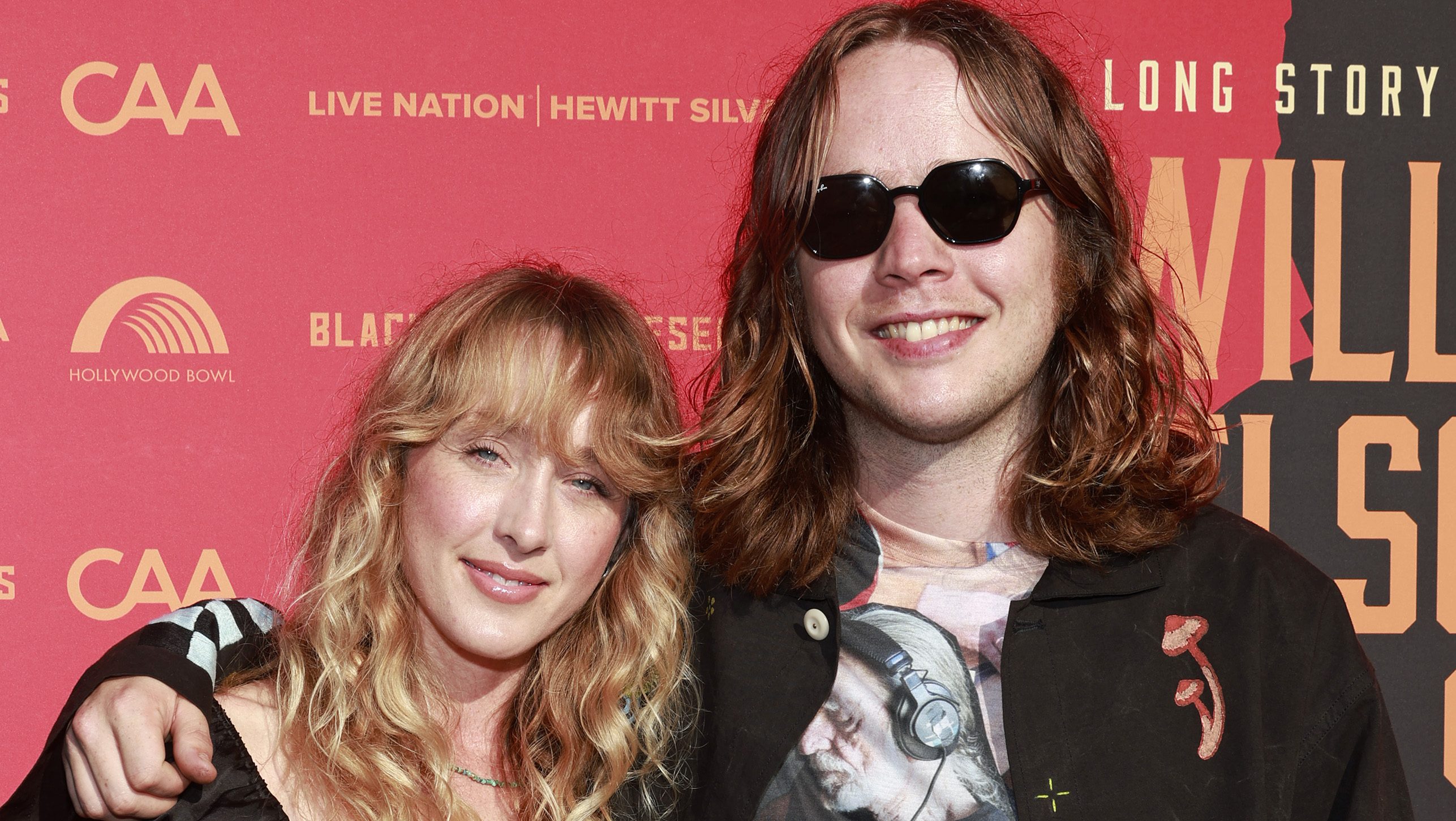
As of 2026, there is no dedicated, standalone Wikipedia article for an individual named "Ally Dale." Searches directed toward this name on the platform typically yield no direct results, indicating that the individual does not currently meet the rigorous inclusion criteria required for an independent biography on the site. Understanding why certain figures are featured on Wikipedia while others are not requires a close examination of the platform’s strict editorial policies regarding notability, sourcing, and verifiability.
Understanding Wikipedia’s Notability Criteria
Wikipedia is not a universal directory, a social media platform, or a repository for personal profiles. It is an encyclopedia that maintains strict standards for what constitutes a subject worthy of a dedicated entry. To have an article on Wikipedia, a subject must pass the General Notability Guideline (GNG).
The GNG stipulates that a subject is presumed to be notable if it has received "significant coverage in reliable sources that are independent of the subject." This phrasing is the most critical hurdle for any potential subject. "Significant coverage" means that sources—such as major newspapers, books published by reputable houses, or peer-reviewed journals—must discuss the person in depth rather than merely mentioning them in passing. "Independent" means the sources cannot be the subject’s own website, press releases, social media profiles, or promotional materials. If someone like Ally Dale has not been the focus of substantial, independent reportage, a Wikipedia editor will likely determine that a dedicated article is not warranted, regardless of the individual's personal or professional accomplishments in private or niche circles.
The Mechanism of Wikipedia Disambiguation
When users search for a name and find no direct results, they often encounter a disambiguation page or a "red link." Disambiguation is a technical process Wikipedia uses to distinguish between multiple subjects who share the same name. If there were several notable people named Ally Dale, the site would host a page listing them individually to prevent confusion.
The absence of such a page for Ally Dale further clarifies that there is no consensus among the community of Wikipedia editors that an entry is necessary. It is important to distinguish between "notable" in the colloquial sense—meaning someone who is talented, well-known in their local community, or successful in their career—and "notable" in the Wikipedia sense, which is exclusively tied to historical or public documentation. Many highly accomplished professionals, artists, and activists do not have Wikipedia articles because their work, while significant, has not been documented in the specific types of media that Wikipedia requires for verification.
Why Some Profiles Are Excluded
There are several common reasons why a specific name like Ally Dale might not appear as an independent entry on Wikipedia, even if the person is active in their field.
- Lack of Primary Documentation: If a person’s work is primarily digital, ephemeral, or restricted to internal industry circles, there may be no archival evidence for Wikipedia editors to cite.
- Promotional Conflicts: Wikipedia has strict guidelines against conflict of interest (COI). If an individual or their associates attempt to write an article, it is often flagged for deletion because it may read like a resume or advertisement. Wikipedia requires neutral, objective, and third-party writing.
- The "Reliable Source" Threshold: Blogs, personal websites, social media platforms (like LinkedIn or Instagram), and self-published interviews do not count as "reliable sources" under Wikipedia guidelines. Even if a person has thousands of followers or is influential on social media, those platforms are generally excluded from consideration for notability.
Evaluating Online Presence vs. Encyclopedia Status
In 2026, many individuals maintain robust online footprints that are easily accessible via search engines. This can lead to the false impression that because someone is "findable," they should have a Wikipedia article. However, search engines index everything from personal blogs to professional directories, whereas Wikipedia filters for content that is historically significant.
If you are researching Ally Dale, it is more effective to look toward official professional portfolios, trade association directories, or industry-specific news outlets. These sources are designed to provide the accurate, current information that a Wikipedia article aims to aggregate but often lacks for individuals who haven't reached a specific threshold of widespread, secondary-source public recognition.
Table: Comparison of Information Sources
| Feature | Wikipedia Entry | Professional Portfolio/LinkedIn | Media/Press Mentions |
|---|---|---|---|
| Primary Purpose | Neutral Encyclopedia | Self-Marketing/Networking | Informational/Journalistic |
| Authorship | Volunteer Editors (Community) | The Subject / Employer | Independent Journalists |
| Verification | High (Requires Citations) | Low (Self-Reported) | Medium (Fact-Checked) |
| Inclusion Criteria | Strict Notability Guidelines | Open to All | Editorial Discretion |
| Independence | Strictly Independent | Controlled by Subject | Often Independent |
How Wikipedia Content is Created and Managed
Wikipedia operates on a consensus-based model. If a user feels that a person is notable enough for inclusion, they can draft an article. However, the drafted content must strictly adhere to the manual of style and must be backed by verifiable sources.
If an article for Ally Dale were to be proposed, it would undergo a "Articles for Creation" (AfC) review process or be subject to a deletion debate once published. During this process, other editors would analyze the sources provided to verify that the person meets the criteria for inclusion. If the proposed article relies on non-notable sources—such as interviews with the person themselves, podcasts they hosted, or articles in niche trade magazines that do not have a wide reach—the article will likely be rejected. This process ensures that Wikipedia remains an encyclopedia of documented human history rather than an expansive database of every professional.
Common Misconceptions About Wikipedia Inclusion
One of the most frequent misconceptions is that a Wikipedia page is a measure of an individual's success or importance. In reality, a page is merely a measure of how much independent, secondary documentation exists about that person. A scientist who makes a breakthrough but prefers to keep their life private will have less "notability" by Wikipedia standards than a reality television participant who is the subject of constant, albeit superficial, press coverage.
Furthermore, Wikipedia pages are not "owned" by the subjects. Once an article exists, the subject cannot dictate the content, remove critical information, or turn the article into a promotional space. This is why many people who might technically meet the criteria for a page actually prefer not to have one, as they cannot control the narrative once it is part of the encyclopedia.
Researching Individuals Without Wikipedia Pages
When you cannot find an individual on Wikipedia, you can still conduct thorough research by pivoting to specialized databases. Depending on the professional field, you might find more value in:
- Professional Registries: For doctors, lawyers, or engineers, state or national licensing boards offer the most reliable data on professional history.
- Academic Databases: For researchers or academics, platforms like Google Scholar or ORCID provide a comprehensive view of published work and citations, which is a better metric for impact than a biographical article.
- Industry Archives: For creative professionals or athletes, organizations like the Screen Actors Guild, regional sports federations, or specific industry associations maintain historical records that are more granular than what Wikipedia provides.
Frequently Asked Questions
Why is there no Wikipedia article for Ally Dale? A Wikipedia article is created only when a subject meets the platform's General Notability Guideline. The absence of an article suggests that there is not sufficient, independent, and reliable secondary coverage (such as investigative reporting or books) to satisfy the community's standards for inclusion.
Can I request a Wikipedia page for someone? While you can theoretically create a page, it is highly discouraged if you have a personal connection to the subject, as this constitutes a conflict of interest. Furthermore, unless you can prove the subject’s notability with reliable third-party sources, the page will likely be deleted.
Does a lack of a Wikipedia page mean a person is not important? No. Wikipedia is not a reflection of human value or professional success. It is a specific index of subjects who have been documented in mainstream media. Many highly respected individuals in their respective fields do not have Wikipedia pages.
What should I do if the information I found about Ally Dale elsewhere seems wrong? If you are looking at non-Wikipedia sources and find conflicting information, rely on primary documents. Look for professional licenses, legal records, or verified institutional profiles. Never rely on a single source for sensitive personal or professional data.
Next Actions for Researchers
If you are currently researching Ally Dale and require accurate, verified information, do not rely on a Wikipedia search. Instead, verify the specific niche or industry in which the individual operates. Search for official websites associated with their professional organizations, check for peer-reviewed publications if they are in an academic field, or consult verified industry databases. If the individual is a public figure in a news-related capacity, search reputable news archives by date and keyword rather than relying on an encyclopedic summary. Always prioritize primary documentation over secondary or tertiary accounts to ensure the accuracy of your findings.