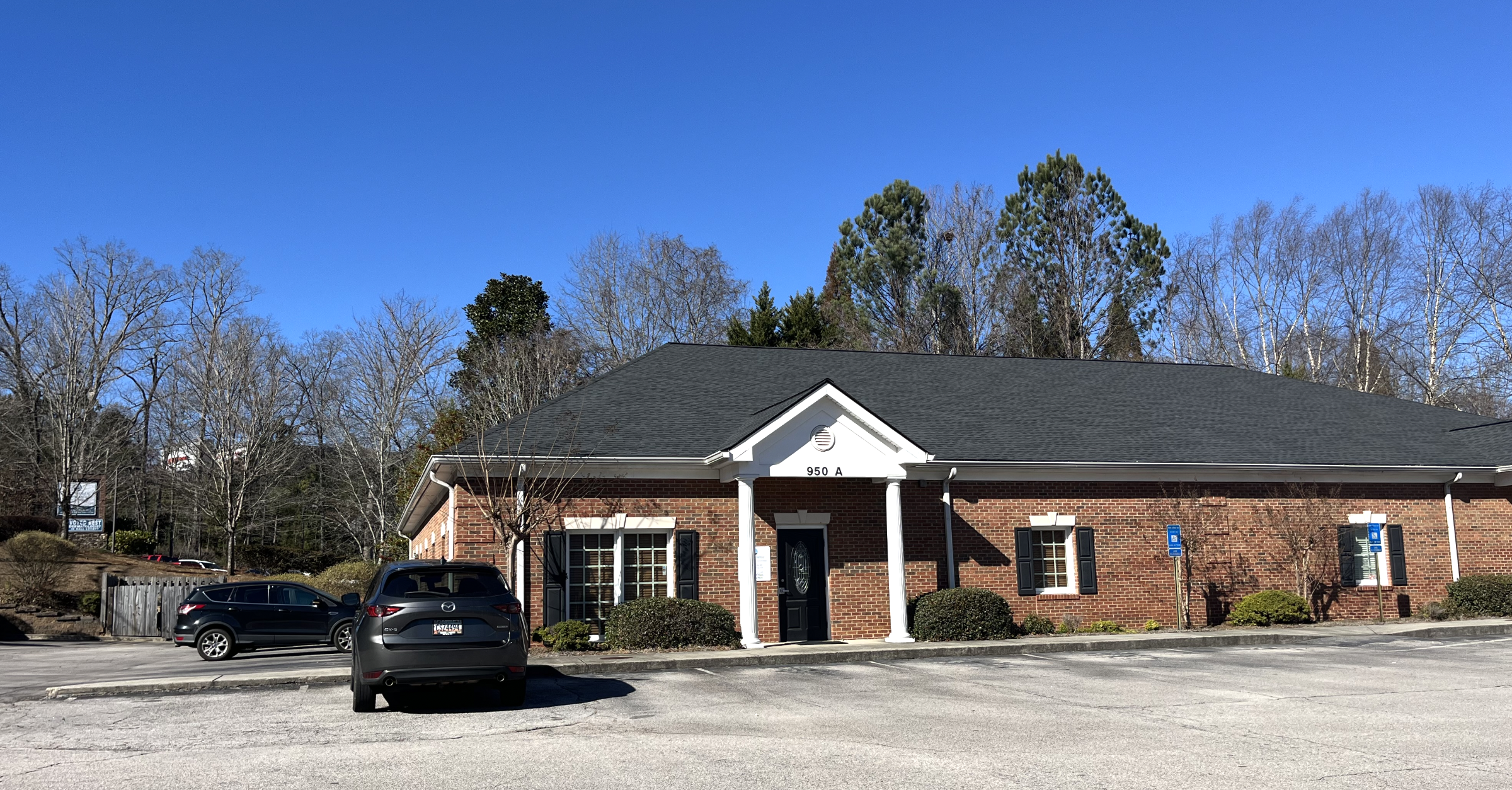
Finding an allergist in Atlanta involves identifying board-certified specialists who treat conditions such as seasonal rhinitis, asthma, and food allergies. Residents typically utilize major networks like Atlanta Allergy & Asthma, Emory Healthcare, or Piedmont. Patients undergo diagnostic testing, such as skin pricks or blood work, to develop personalized treatment plans involving immunotherapy or medication.
Atlanta is frequently cited as one of the most challenging cities for allergy sufferers in the United States. Often referred to as the "City in a Forest," Atlanta’s dense tree canopy provides aesthetic beauty but also produces record-breaking pollen counts every spring. For the millions of residents in the metropolitan area, finding a qualified allergist is not just a matter of comfort, but a necessity for maintaining respiratory health and quality of life. As of 2026, the integration of advanced biologics and localized immunotherapy has transformed how Atlantans manage their environmental sensitivities.
Understanding the Role of an Allergist-Immunologist
An allergist-immunologist is a physician specifically trained to diagnose, treat, and manage allergies, asthma, and immunologic disorders. In the United States, these specialists complete a residency in either internal medicine or pediatrics, followed by at least two additional years of fellowship training in allergy and immunology.
When searching for an allergist in Atlanta, it is vital to ensure the provider is board-certified by the American Board of Allergy and Immunology (ABAI). This certification ensures the physician has met rigorous standards of clinical knowledge and continues to participate in ongoing medical education. These specialists treat a wide range of conditions beyond the standard "hay fever," including:
- Allergic Rhinitis: Inflammation of the nasal passages caused by environmental triggers.
- Asthma: Chronic inflammation of the airways that can be exacerbated by allergens.
- Atopic Dermatitis (Eczema): Chronic skin inflammation often linked to allergic sensitivities.
- Food Allergies: Immune system reactions to specific proteins in food, ranging from mild hives to life-threatening anaphylaxis.
- Venom Allergies: Severe reactions to stings from insects like yellow jackets or fire ants, which are particularly prevalent in Georgia.
- Primary Immunodeficiency: Genetic conditions where the immune system does not function correctly, leading to frequent infections.
Why Atlanta Presents Unique Allergic Challenges
Atlanta’s geographic location and climate create a "perfect storm" for allergic conditions. The city sits in a transition zone between the Piedmont and the Appalachian Mountains, trapping air masses and particulates within the metro area.
The Georgia Pollen Cycle
The North Georgia pollen season is distinct and aggressive. In 2026, we continue to see three primary waves of pollen. The tree pollen season typically begins in late February or early March, dominated by Oak, Pine, Juniper, and Birch. These counts frequently reach "extreme" levels, sometimes exceeding 5,000 grains per cubic meter of air.
Following the trees, grass pollen peaks in the late spring and early summer (May through July). Finally, weed pollen, most notably Ragweed, emerges in late August and lasts until the first hard frost in November. Because Atlanta lacks a prolonged, deep freeze in many winters, mold spores can remain active year-round, complicating the diagnostic picture for many patients.
Urban Heat Island Effect
Metropolitan Atlanta experiences the "urban heat island" effect, where concrete and asphalt trap heat. Studies from organizations like the American College of Allergy, Asthma & Immunology (ACAAI) suggest that higher CO2 levels and increased temperatures in urban environments can lead to longer growing seasons and more potent pollen grains. For Atlanta residents in high-traffic areas like Buckhead or Midtown, the combination of pollen and urban pollutants (like diesel exhaust) can increase the permeability of the airway lining, making allergic reactions more severe.
Diagnostic Procedures: What to Expect
When you visit an allergist in Atlanta for the first time, the diagnostic process is thorough. It begins with a comprehensive medical history, where the doctor will ask about your symptoms, their seasonality, and any family history of atopy (the genetic tendency to develop allergic diseases).
Skin Prick Testing
This remains the gold standard for allergy diagnosis. During this procedure, small drops of purified allergen extracts are placed on the forearm or back. A plastic device then lightly pricks the surface of the skin. If you are allergic to a substance, a small, itchy bump called a wheal (resembling a mosquito bite) will appear within 15 to 20 minutes. This test is highly sensitive and provides immediate results.
Blood Testing (In Vitro IgE Testing)
In cases where a patient has severe eczema or cannot stop taking antihistamines (which interfere with skin tests), an allergist may order a blood test. This measures the levels of specific Immunoglobulin E (IgE) antibodies in the blood. While it takes longer to get results from a lab, it is a safer alternative for those at high risk for anaphylaxis during testing.
Patch Testing
For patients with contact dermatitis—skin rashes that occur after touching certain substances—allergists use patch testing. This involves placing stickers containing various chemicals or materials on the back for 48 to 72 hours to identify delayed hypersensitivity reactions.
Treatment Modalities and Innovations in 2026
Once a diagnosis is established, Atlanta allergists typically employ a tiered approach to treatment, focusing on avoidance, medication, and immunotherapy.
Environmental Control
The first step is minimizing exposure. Allergists often recommend high-efficiency particulate air (HEPA) filters for Atlanta homes and advice on "pollen hygiene," such as showering after being outdoors and keeping windows closed during peak morning pollen hours.
Pharmacotherapy
In 2026, the pharmaceutical landscape for allergies has expanded significantly.
- Intranasal Corticosteroids: The primary treatment for allergic rhinitis.
- Biologics: For patients with severe, uncontrolled asthma or chronic hives, medications like Omalizumab (Xolair) or Dupilumab (Dupixent) target specific pathways in the immune system to prevent inflammation before it starts.
- Leukotriene Modifiers: Oral medications that block chemicals the body releases during an allergic reaction.
Immunotherapy (Allergy Shots and Drops)
Immunotherapy is the only treatment that can potentially "cure" allergies by modifying the immune system’s response.
- Subcutaneous Immunotherapy (SCIT): Traditional allergy shots administered in the doctor's office. Over a period of 3 to 5 years, the patient receives gradually increasing doses of the allergen.
- Sublingual Immunotherapy (SLIT): Often referred to as "allergy drops" or tablets, these are placed under the tongue. While some tablets are FDA-approved for specific allergens (like ragweed or dust mites), many Atlanta clinics offer custom-mixed drops for a broader range of sensitivities.
| Treatment Type | Administration | Frequency | Ideal For |
|---|---|---|---|
| Antihistamines | Oral / Nasal Spray | Daily or As Needed | Mild to moderate seasonal symptoms |
| Nasal Steroids | Nasal Spray | Daily | Chronic congestion and inflammation |
| Allergy Shots (SCIT) | Injection in Clinic | Weekly, then Monthly | Long-term desensitization; multiple allergies |
| Allergy Drops (SLIT) | Oral (at home) | Daily | Patients with needle phobias or busy schedules |
| Biologics | Injection / Infusion | Every 2-4 Weeks | Severe asthma, Eczema, or Chronic Hives |
Major Allergy Networks and Facilities in Atlanta
Atlanta is home to several prestigious medical institutions and private practices specializing in immunology.
Atlanta Allergy & Asthma
As the largest allergy practice in the Southeast, this group maintains numerous locations throughout the metro area, including Sandy Springs, Marietta, Lawrenceville, and Peachtree City. They are notable for operating the official National Allergy Bureau (NAB) pollen counting station for Atlanta, providing the daily data used by local news outlets.
Emory Healthcare (Allergy and Immunology)
Emory’s specialists are often involved in cutting-edge research and clinical trials. For patients with complex immunological disorders or rare allergies, Emory provides access to academic-level expertise and multidisciplinary care. Their clinics are primarily located at the Emory Clinic in Clifton Road and Emory Saint Joseph’s.
Piedmont Healthcare
Piedmont offers comprehensive allergy services through its network of primary care-integrated specialists. They are a strong choice for patients who want their allergy care coordinated closely with their other medical providers within the same electronic health record system.
Insurance, Costs, and Access in Georgia
Navigating the cost of allergy care in Atlanta requires an understanding of Georgia’s insurance landscape. Most major insurers, including Blue Cross Blue Shield of Georgia (Anthem), UnitedHealthcare, and Aetna, cover allergy testing and immunotherapy, but specific requirements vary.
Referrals and Pre-authorizations
Many HMO plans in Georgia require a referral from a primary care physician (PCP) before seeing a specialist. Furthermore, immunotherapy (especially allergy shots) often requires a "prior authorization" from the insurance company to ensure the treatment is medically necessary.
Cost Breakdown
- Initial Consultation: $200–$500 (depending on complexity).
- Skin Testing: $300–$1,000 depending on the number of allergens tested.
- Immunotherapy Vials: $500–$1,500 per year, though usually covered largely by insurance after the deductible is met.
- Office Visit for Injections: Co-pays typically range from $10 to $50 per visit during the "build-up" phase.
For those without insurance, several community clinics in the Atlanta area, such as Mercy Care, may provide access to specialists or reduced-cost medications.
Pediatric Allergy Care in Atlanta
Allergies often manifest in childhood, and Atlanta’s school systems have specific protocols for managing students with severe allergies. Pediatric allergists in the city work closely with parents to create Allergy & Anaphylaxis Emergency Care Plans.
Georgia law (O.C.G.A. § 20-2-776) allows students to self-carry epinephrine auto-injectors if they have a documented medical need. A local allergist is essential for providing the necessary documentation and training for school nurses and staff. Pediatric-specific practices, such as Children's Healthcare of Atlanta (CHOA), offer specialized clinics for food protein-induced enterocolitis syndrome (FPIES) and severe pediatric asthma.
Frequently Asked Questions
Do I need a referral to see an allergist in Atlanta?
Whether you need a referral depends entirely on your insurance plan. Most PPO plans allow you to book an appointment directly with a specialist. However, many Georgia-based HMO and POS plans require your primary care doctor to submit an electronic referral before the specialist visit will be covered. Always call your insurance provider's member services line to verify your specific requirements.
How much does allergy testing cost without insurance?
In the Atlanta metro area, a full diagnostic panel (including consultation and skin prick testing for 40-50 allergens) can range from $800 to $1,500 out-of-pocket. Many practices offer "self-pay" discounts if the balance is paid at the time of service. It is advisable to request a "Good Faith Estimate" under the No Surprises Act before your appointment.
Is Atlanta considered a "bad" city for allergy sufferers?
Historically, yes. Atlanta consistently ranks in the top 20 "Allergy Capitals" by the Asthma and Allergy Foundation of America (AAFA). This is due to the high tree pollen counts in spring, the high humidity levels that encourage mold growth and dust mites, and the urban pollution that can exacerbate respiratory symptoms.
How long does allergy immunotherapy take to work?
Most patients begin to feel a noticeable reduction in symptoms within 6 to 12 months of starting shots or drops. However, for the changes to be long-lasting or permanent, allergists generally recommend continuing the treatment for 3 to 5 years. Stopping too early often results in the return of symptoms.
What is the difference between an allergist and an ENT?
While both treat issues related to the nose and sinuses, an Ear, Nose, and Throat (ENT) doctor is a surgeon who focuses on the structural aspects of the head and neck (such as deviated septums or nasal polyps). An allergist is an internist or pediatrician who focuses on the immune system's response to triggers. Often, patients in Atlanta benefit from a collaborative approach involving both specialists if they have chronic sinusitis.
Practical Next Steps for Atlanta Residents
If you find yourself relying on over-the-counter antihistamines for more than two weeks out of the month, or if your symptoms are accompanied by wheezing or shortness of breath, it is time to consult a professional.
- Track Your Symptoms: Note when they are worst (morning vs. night) and what environments trigger them.
- Check Board Certification: Use the ABAI website to verify that your chosen "allergist in Atlanta" is fully certified.
- Check Daily Pollen Counts: Follow the Atlanta Allergy & Asthma pollen count daily to correlate your symptoms with specific triggers.
- Prepare for the First Visit: Stop taking all antihistamines at least 5 to 7 days before your appointment, as these will block the results of skin testing.
This article is for informational purposes and does not constitute medical advice. Consult a licensed healthcare professional for diagnosis and treatment of medical conditions.