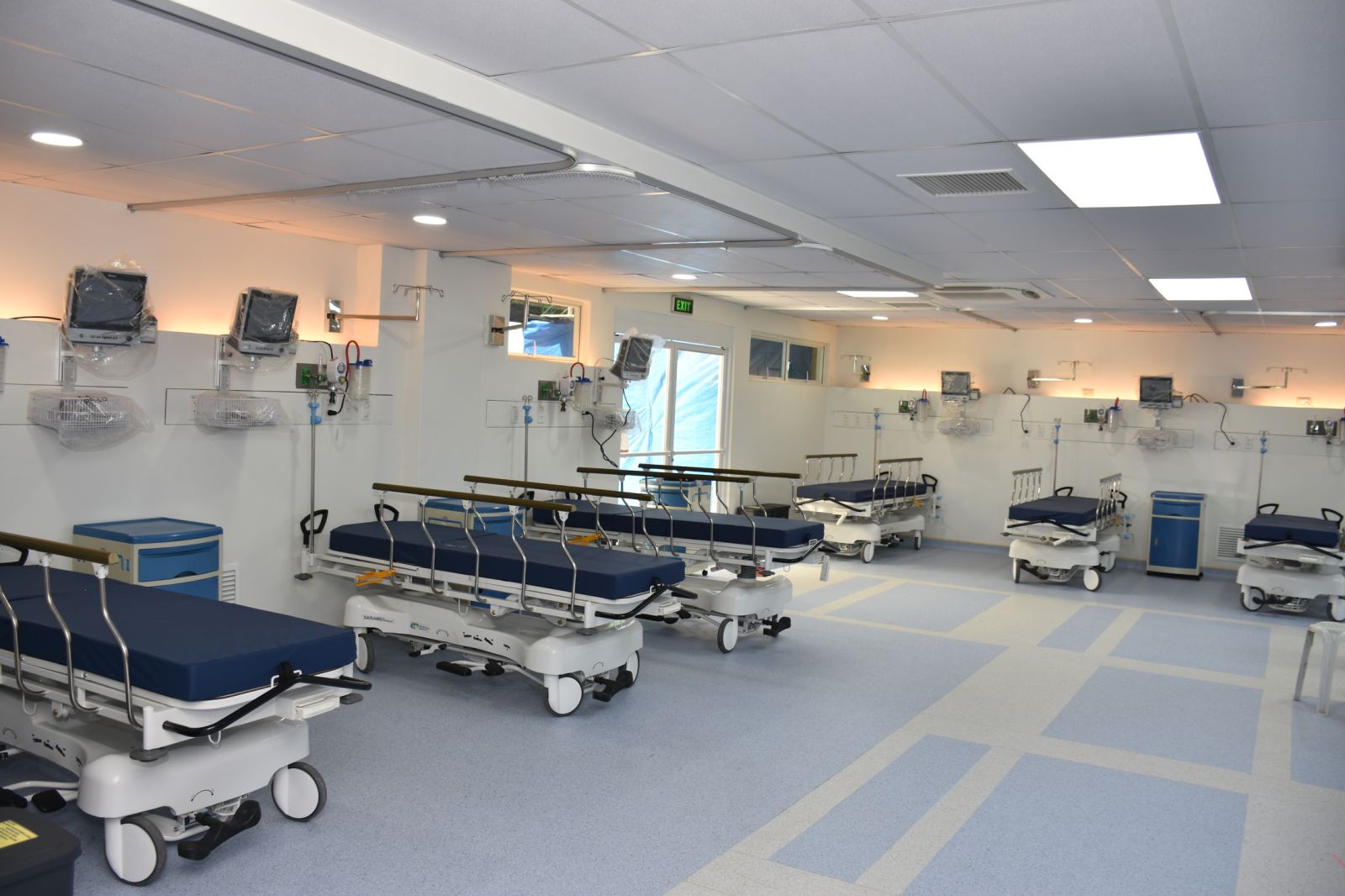
Modern emergency care in Allen, Texas, has transitioned into a new era characterized by minimal wait times, advanced onsite diagnostics, and patient-centric concierge services. Facilities like ER of Allen and local hospital expansions provide immediate access to board-certified physicians, ensuring that critical care is both efficient and high-tech in 2026.
Defining the New Era of Emergency Care in Allen
The landscape of healthcare in North Texas has undergone a radical transformation over the last several years. Residents of Allen and the surrounding Collin County areas no longer face the binary choice of a crowded, hours-long wait at a traditional hospital emergency department or a limited-service urgent care clinic. The "new era of care" refers to the rise of specialized, high-acuity emergency facilities that combine the clinical horsepower of a hospital with the streamlined efficiency of a boutique service model.
In 2026, this model is defined by a "patient-first" architecture. From the moment a patient enters an Allen emergency room, the triage process is often bypassed in favor of immediate bedside registration. This shift acknowledges that in emergency medicine, time is the most valuable commodity. Whether dealing with a potential myocardial infarction (heart attack) or a pediatric high fever, the reduction of administrative friction allows for faster clinical intervention.
Furthermore, this new era is marked by a shift in physician staffing. Unlike older models where residents or general practitioners might staff the front lines, modern Allen ERs are primarily led by board-certified emergency physicians. These experts are trained to handle complex traumas and acute illnesses with a level of specialization that was previously reserved only for major metropolitan Level I trauma centers.
Technological Integration and Onsite Diagnostics
A cornerstone of the new era of care is the decentralization of advanced medical imaging. In the past, a patient requiring a CT scan or an ultrasound might have to wait for a technician to be paged or for a machine to become available in a different wing of a hospital. Today’s Allen emergency rooms are equipped with comprehensive diagnostic suites physically located within the ER footprint.
Advanced Imaging Capabilities
Facilities now feature 64-slice CT scanners, which provide high-resolution images of the brain, chest, and abdomen in seconds. This is critical for diagnosing strokes, pulmonary embolisms, and internal bleeding. Digital X-ray technology allows for instant imaging of fractures and respiratory issues, with files that can be shared immediately with specialists via secure cloud networks. Ultrasound technology has also become a frontline tool, used not just for imaging pregnancies, but for "FAST" (Focused Assessment with Sonography for Trauma) exams to detect internal fluid or cardiac distress.
The Role of the Onsite COLA-Certified Laboratory
Speed in the ER is often dictated by how quickly "labs come back." The new era of care in Allen utilizes onsite, COLA-certified laboratories. COLA (Commission on Office Laboratory Accreditation) is a premier clinical laboratory accreditation organization that ensures facilities meet rigorous quality standards. Having an onsite lab means that critical markers—such as troponin levels for heart attacks, D-dimer for blood clots, and complete blood counts (CBC) for infection—can be processed in minutes rather than hours. This immediate feedback loop allows physicians to begin life-saving treatments or schedule necessary surgeries without the delays typical of off-site processing.
Comparing Freestanding ERs vs. Hospital Emergency Departments
As the "new era" flourishes, it is essential for patients to understand the functional differences between the various types of emergency care available in Allen. While both freestanding ERs (like ER of Allen) and hospital-based ERs provide high-level care, their operational focuses differ.
Wait Times and Throughput
In 2026, the primary differentiator remains wait times. Traditional hospital ERs often serve as the entry point for the entire hospital, leading to "boarding"—a phenomenon where ER beds are occupied by patients waiting for an upstairs hospital room. Freestanding ERs in Allen avoid this bottleneck because they do not have inpatient beds in the traditional sense. This allows for a "door-to-doc" time that is frequently under 10 minutes.
Transfer Protocols and Continuity of Care
A common question regarding the new era of care is what happens if a patient needs long-term hospitalization. Modern Allen ERs have established seamless transfer agreements with major regional hospitals. If a patient is stabilized at a freestanding ER but requires surgery or intensive care, they are transported via ambulance directly to a specialized bed, bypassing the destination hospital's own ER wait. This "direct admit" process ensures that the "new era" efficiency extends through the entire recovery journey.
Comparative Capabilities Table
| Feature | Urgent Care | Freestanding ER (Allen) | Hospital Emergency Dept |
|---|---|---|---|
| Availability | Typically 8am - 8pm | 24 Hours / 7 Days | 24 Hours / 7 Days |
| Wait Times | 30 - 90 Minutes | Under 10 Minutes | 2 - 6+ Hours |
| Physician Type | PA, NP, or GP | Board-Certified ER MD | Board-Certified ER MD |
| Imaging | X-Ray (sometimes) | CT, X-Ray, Ultrasound | CT, MRI, X-Ray, US |
| Laboratory | Limited (Point of Care) | Full Onsite Lab | Full Onsite Lab |
| Trauma Level | Minor (Stitches/Flu) | Major (Fractures/Pain) | All Levels (Including ICU) |
Clinical Specializations: Pediatric and Geriatric Care
The "new era" is not a one-size-fits-all approach; it includes specialized protocols for the most vulnerable populations in Allen.
Pediatric-Ready Emergency Care
Treating children requires more than just smaller equipment; it requires a different clinical mindset. Modern Allen ERs implement pediatric-specific protocols that focus on "ouchless" medicine. This includes the use of topical numbing agents before IV starts and the use of distractions and child-friendly environments to reduce the trauma of an emergency visit. In 2026, these facilities are equipped with specialized pediatric crash carts and medication dosing systems (like the Broselow tape) to ensure absolute precision in high-stress moments.
Geriatric Sensitivity
With an aging population in North Texas, Allen emergency rooms have also adapted to handle complex geriatric cases. Elderly patients often present with "atypical" symptoms—for example, a urinary tract infection causing confusion rather than pain, or a heart attack presenting as fatigue. The new era of care involves comprehensive medication reconciliation to prevent adverse drug interactions and specialized flooring and lighting to reduce fall risks during the visit.
Navigating Emergency Situations: When to Go Where
One of the most important tasks for residents is distinguishing between an urgent medical need and a true emergency. The new era of care provides more options, but choosing the right one is vital for both health outcomes and financial efficiency.
Recognizing a True Emergency
You should head to an Allen ER immediately if you experience:
- Chest Pain or Pressure: Especially if it radiates to the arm, jaw, or neck.
- Difficulty Breathing: Shortness of breath that prevents talking in full sentences.
- Neurological Changes: Sudden weakness on one side of the body, slurred speech, or facial drooping (signs of a stroke).
- Severe Trauma: Deep lacerations, suspected compound fractures, or head injuries with loss of consciousness.
- Uncontrolled Bleeding: Wounds that do not stop bleeding after 10 minutes of direct pressure.
When Urgent Care is Sufficient
Urgent care centers are excellent for "convenience medicine." Use them for:
- Low-grade fevers and common cold/flu symptoms.
- Minor sprains where the limb is still functional.
- Simple rashes or ear infections.
- Physicals for sports or employment.
According to the American College of Emergency Physicians (ACEP), if you feel your life or "limb" is in danger, you should always choose the emergency room. The "new era" ensures that if you make that choice in Allen, you will be met with the highest level of diagnostic scrutiny.
Financial Considerations and Insurance Rights
The cost of emergency care is a frequent concern for patients. In 2026, transparency in medical billing has improved significantly due to both state and federal legislation.
The No Surprises Act
The federal No Surprises Act protects patients from "balance billing" in emergency situations. This means that if you have an emergency, you can go to the nearest ER—regardless of whether they are in your insurance network—and your insurer must cover the services at an in-network rate. This is a pillar of the new era of care, as it removes the hesitation to seek help during a crisis.
Understanding ER Facility Fees
It is important to note that all emergency rooms (hospital-based and freestanding) charge facility fees that reflect the high cost of maintaining 24/7 readiness, specialized equipment, and expert staffing. These fees are higher than those at an urgent care or a primary doctor's office. Most Allen ERs provide clear signage regarding the types of insurance they accept and their status as an emergency department rather than an urgent care clinic, as required by Texas Health and Safety Code.
The Local Impact: Why Allen is Leading the Way
Allen, Texas, has become a microcosm for the future of suburban healthcare. The rapid population growth in the DFW metroplex has put immense pressure on legacy infrastructure. By opening a "new era of care," these emergency facilities act as a pressure valve for the region. They keep wait times low at large hospitals by handling the "bread and butter" emergencies—gallbladder attacks, kidney stones, and broken bones—allowing university-based trauma centers to focus on multi-system organ failures and major vehicular accidents.
Moreover, the presence of high-end emergency care contributes to the local economy. These facilities employ hundreds of high-skilled medical professionals and support staff, keeping healthcare spending within the community. For Allen residents, it means the peace of mind that comes with knowing a board-certified physician is available within a five-minute drive at any hour of the day or night.
Frequently Asked Questions
Do Allen emergency rooms treat all patients regardless of ability to pay?
Yes. Under the Emergency Medical Treatment and Labor Act (EMTALA), any facility that provides emergency services must stabilize any patient who presents with an emergency medical condition, regardless of their insurance status or ability to pay. The primary goal is always medical stabilization.
How long should I expect to wait at an Allen ER in 2026?
While wait times can vary based on the number of critical traumas arriving simultaneously, the goal of modern Allen ERs is to have patients seen by a provider in less than 15 minutes. Many facilities track and display their live wait times on their websites to assist patients in making informed decisions.
Can I get a COVID-19 or flu test at a freestanding ER?
Yes, but it is generally recommended only if you are experiencing severe symptoms. Because an ER visit involves a physician consultation and facility fees, getting a routine test for travel or mild symptoms is more cost-effective at a local pharmacy or urgent care center. However, for those with high risk or severe respiratory distress, the ER's onsite lab provides rapid results.
Is the care at a freestanding ER as good as a hospital ER?
In terms of initial stabilization, diagnostics, and acute treatment, yes. Freestanding ERs in Allen are held to the same rigorous state licensing standards as hospital-based departments. They utilize the same board-certified physicians and high-end imaging equipment. The only difference is the absence of an attached inpatient ward.
Will my insurance cover a visit to a "new era" emergency room?
Most major private insurance plans, including Blue Cross Blue Shield, Aetna, UnitedHealthcare, and Cigna, are accepted. By law, insurance companies must process emergency visits at the in-network benefit level if the patient's condition is a true emergency. It is always wise to carry your insurance card and understand your specific deductible and co-pay requirements.
Practical Recommendation for Residents
To take full advantage of the new era of care in Allen, residents should be proactive rather than reactive.
- Locate Your Nearest ER: Identify the two closest emergency facilities to your home and workplace.
- Save the Numbers: Put their contact information in your phone. While you should call 911 for life-threatening events, having the ER's direct line can be helpful for minor questions about directions or specific services.
- Keep a Medical List: Maintain a digital or paper list of your current medications, allergies, and past surgeries. In the "new era" of fast care, having this information ready allows the physician to move even more quickly.
The evolution of emergency medicine in Allen represents a significant victory for patient autonomy and safety. By combining high-tech diagnostics with a high-touch service model, these facilities ensure that the residents of Collin County are never more than a few minutes away from world-class medical intervention.