Four United States Presidents have been assassinated while serving their terms: Abraham Lincoln (1865), James A. Garfield (1881), William McKinley (1901), and John F. Kennedy (1963). These tragic events fundamentally altered the course of American history, leading to significant changes in presidential security, succession laws, and the political landscape of the nation.
The history of the American presidency is marked by periods of great progress and profound tragedy. Among the most somber chapters are those detailing the deaths of sitting presidents at the hands of assassins. As of 2026, historical records confirm that while many presidents have faced threats or survived attempts on their lives, only four succumbed to injuries inflicted by an attacker. Understanding these events requires more than just knowing the names and dates; it necessitates an examination of the political climates that fostered such violence and the lasting institutional changes that followed.
Abraham Lincoln: The First Presidential Assassination
Abraham Lincoln, the 16th President of the United States, was the first American head of state to be assassinated. His death occurred at a pivotal moment in U.S. history, just days after the surrender of General Robert E. Lee, which effectively ended the American Civil War.
The Political Climate and Motive
By April 1865, the United States was a fractured nation beginning the arduous process of Reconstruction. Lincoln’s efforts to preserve the Union and his issuance of the Emancipation Proclamation had earned him the adoration of many but the vitriolic hatred of others, particularly Southern sympathizers and white supremacists. John Wilkes Booth, a well-known actor and Confederate sympathizer, was the architect of the conspiracy. Booth’s original plan was to kidnap Lincoln to use him as a bargaining chip for Confederate prisoners of war, but as the Confederacy collapsed, his goal shifted to murder.
The Event at Ford’s Theatre
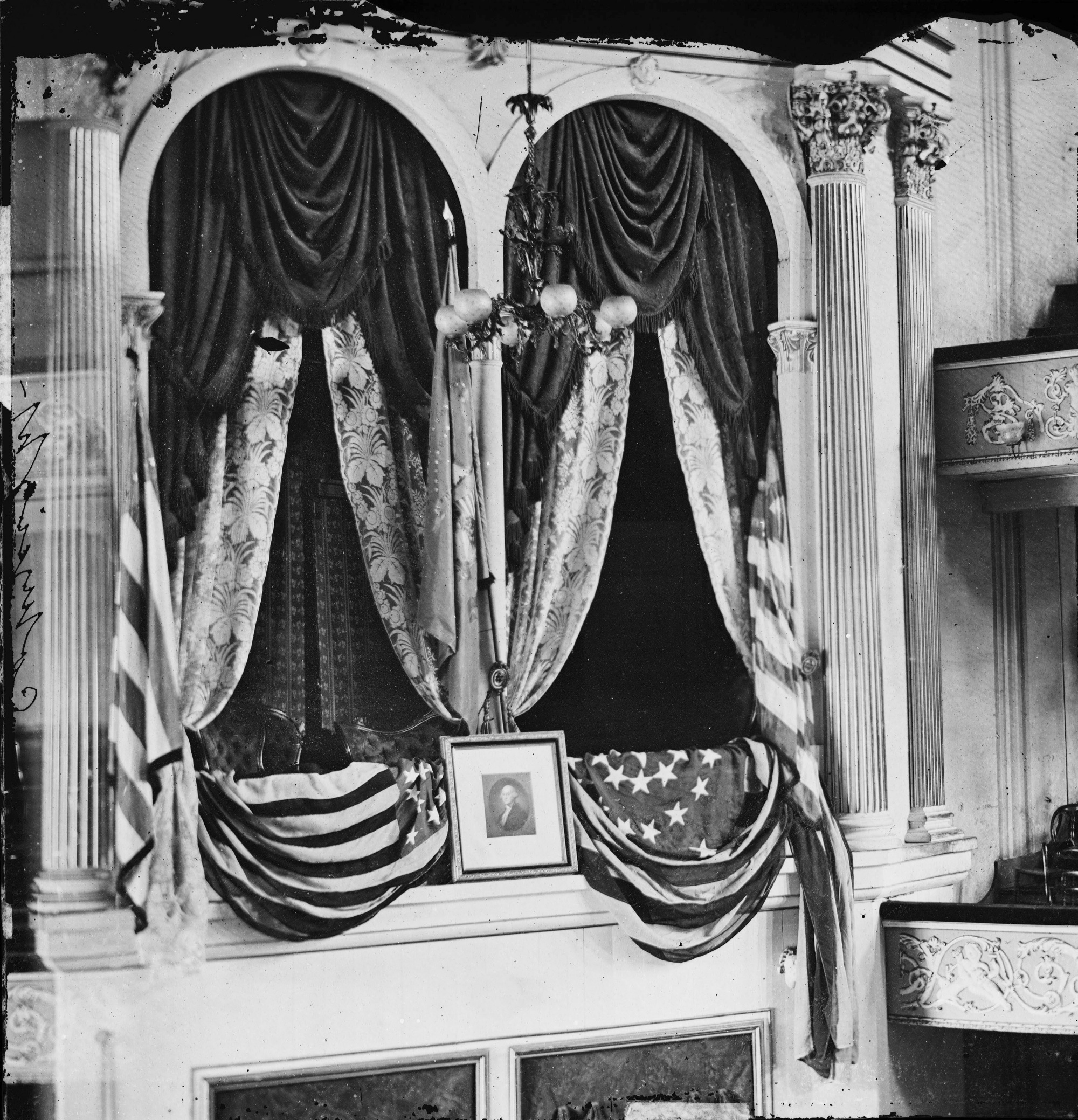
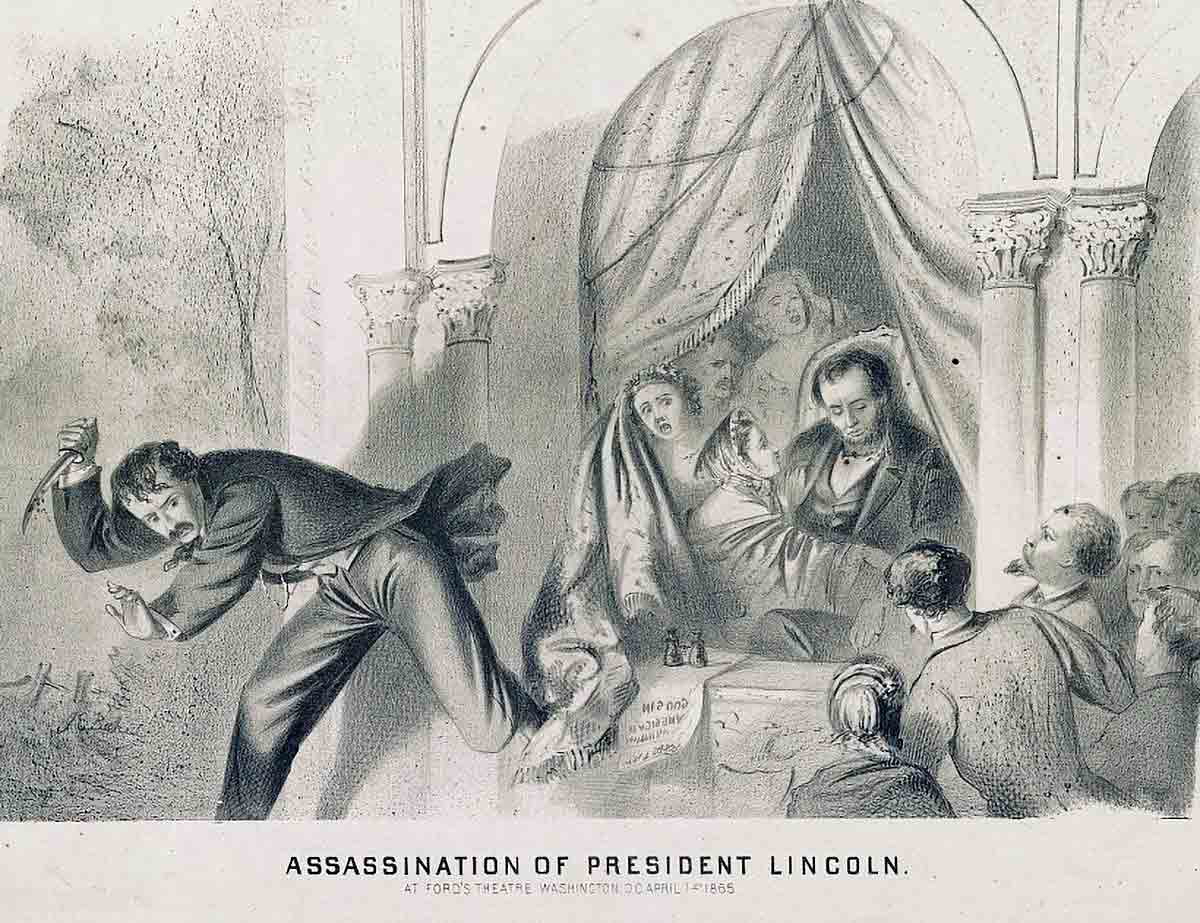
On the evening of April 14, 1865, Lincoln was attending a performance of the play Our American Cousin at Ford’s Theatre in Washington, D.C. Booth, familiar with the theatre’s layout, entered the presidential box and shot Lincoln in the back of the head with a .44 caliber Derringer pistol. Booth then leaped from the box to the stage, famously shouting "Sic semper tyrannis" (Thus always to tyrants), and escaped on horseback.
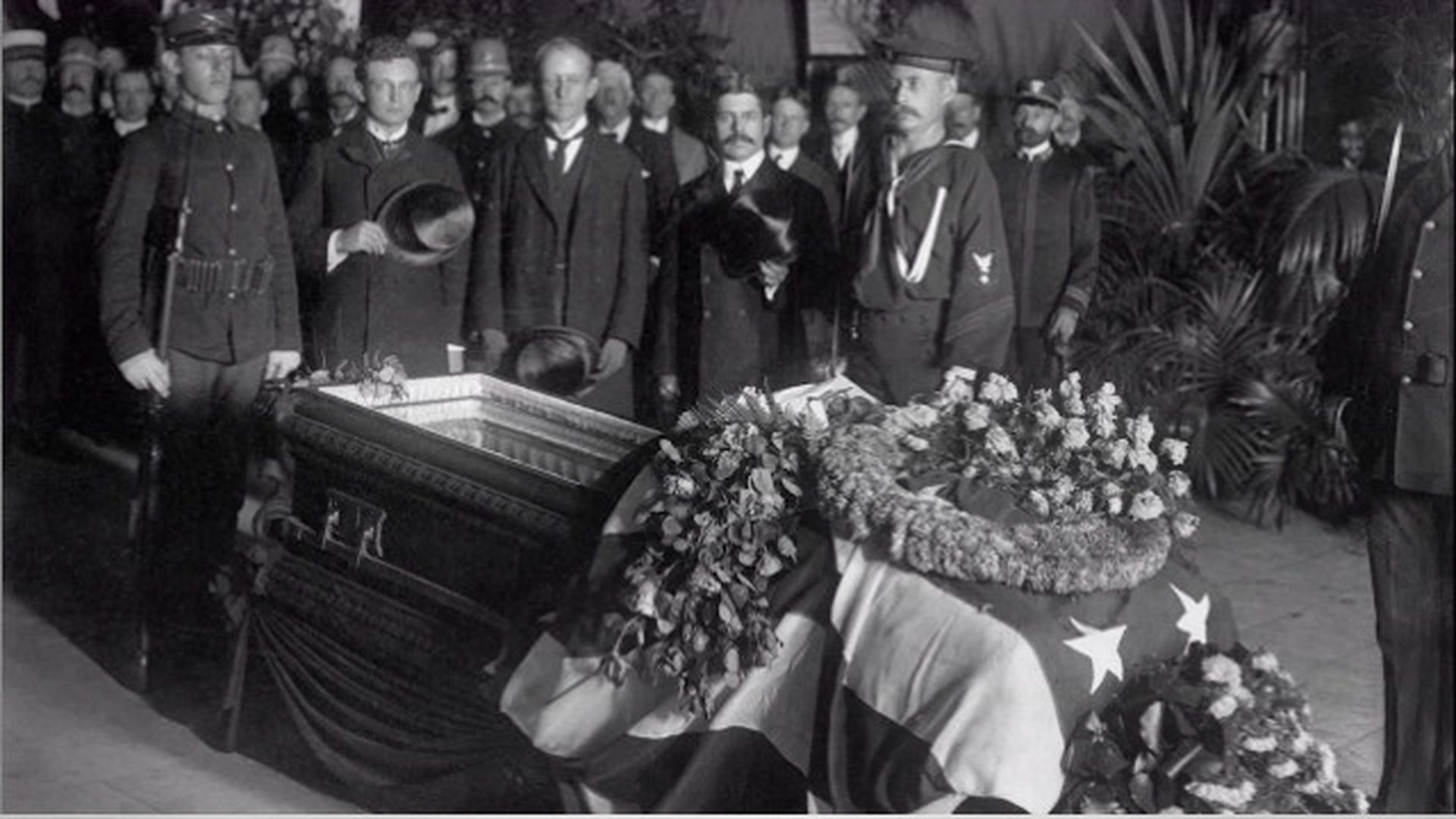
Lincoln was carried across the street to the Petersen House, where he remained in a coma for several hours. He passed away at 7:22 a.m. on April 15, 1865. The nation, which had been celebrating the end of the war, was suddenly plunged into deep mourning.
Legacy and Aftermath
Lincoln’s death had immediate and long-lasting consequences. His successor, Andrew Johnson, lacked Lincoln’s political acumen and commitment to the rights of formerly enslaved people, leading to a tumultuous Reconstruction era. The assassination also initiated a massive manhunt for Booth, who was killed by Union soldiers twelve days later. Lincoln’s martyrdom solidified his status as a "Great Emancipator" and a savior of the Union, but it also left the country without its most capable leader during its most fragile period of rebuilding.
James A. Garfield: A Death Accelerated by Medical Practice
The assassination of James A. Garfield, the 20th President, is often cited as one of the most tragic "what-if" scenarios in American politics. Serving only four months before he was shot, Garfield’s death was as much a result of the era's primitive medical practices as it was the assassin’s bullet.
The "Spoils System" and Charles Guiteau
In the late 19th century, the "spoils system"—the practice of a successful political party giving public office to its supporters—was a dominant force in Washington. Charles J. Guiteau, a mentally unstable man who believed he was responsible for Garfield’s election victory, felt he was entitled to a federal appointment (specifically a consulship in Paris). After being repeatedly rejected by the administration, Guiteau came to believe that God had commanded him to "remove" the President to heal a rift in the Republican Party.
The Shooting at the Train Station
On July 2, 1881, as Garfield was entering the Baltimore and Potomac Railroad Station in Washington, D.C., Guiteau fired two shots from a British Bull Dog revolver. One bullet grazed the President's arm, but the other lodged in his back, missing vital organs.
Garfield survived the initial shooting, but his subsequent treatment was catastrophic. In an era before the widespread adoption of Joseph Lister’s theories on antisepsis, doctors repeatedly probed the wound with unwashed fingers and non-sterile instruments in a futile attempt to find the bullet. Alexander Graham Bell even attempted to use a primitive metal detector to locate the slug, but interference from the bed's metal springs rendered the device useless. Garfield suffered for 80 days before dying of sepsis and infection on September 19, 1881.
Legislative Impact: The Pendleton Act
The public outcry over the motive behind Garfield’s assassination led to the passage of the Pendleton Civil Service Reform Act in 1883. This landmark legislation began the process of dismantling the spoils system, requiring that federal jobs be awarded based on merit rather than political affiliation.
William McKinley: The Spark for Secret Service Protection
William McKinley, the 25th President, was an immensely popular leader who had recently guided the United States to victory in the Spanish-American War. His assassination in 1901 would lead to the permanent assignment of the Secret Service to protect the Commander-in-Chief.
Anarchism and Leon Czolgosz
At the turn of the 20th century, a wave of anarchist violence was sweeping across Europe and the Americas. Leon Czolgosz, an American-born anarchist who had lost his job during the economic panic of 1893, viewed McKinley as a symbol of the oppressive capitalist system. Inspired by the assassination of King Umberto I of Italy, Czolgosz decided to kill the President.
The Pan-American Exposition
On September 6, 1901, McKinley was greeting the public at the Temple of Music during the Pan-American Exposition in Buffalo, New York. Despite warnings regarding his safety, McKinley enjoyed interacting with the crowds. Czolgosz approached the President with a .32 caliber Iver Johnson revolver concealed by a handkerchief wrapped around his hand. As McKinley reached out to shake hands, Czolgosz fired two shots into the President’s abdomen.
McKinley initially appeared to be recovering after surgery, but gangrene set in. He died on September 14, 1901. His vice president, Theodore Roosevelt, was sworn in, ushering in a new era of Progressive politics.
The Birth of Executive Protection
Prior to McKinley’s death, the Secret Service—originally created in 1865 to combat counterfeiting—only provided informal or part-time protection to presidents. Following the events in Buffalo, Congress formally tasked the Secret Service with the full-time protection of the President of the United States, a mandate that has expanded significantly over the last century.
John F. Kennedy: The Modern Tragedy
The assassination of John F. Kennedy, the 35th President, on November 22, 1963, remains one of the most analyzed and debated events in world history. It was the first assassination of the television age, witnessed by thousands in person and millions more through news broadcasts.
The Dallas Motorcade
Kennedy was traveling through Texas in an open-top limousine as part of a multi-city tour intended to smooth over internal frictions in the Democratic Party ahead of the 1964 election. As the motorcade passed through Dealey Plaza in Dallas, shots rang out. Kennedy was struck in the neck and head. He was rushed to Parkland Memorial Hospital, where he was pronounced dead at 1:00 p.m.
The Investigation and Controversy
Lee Harvey Oswald, a former U.S. Marine who had defected to the Soviet Union and later returned, was arrested for the murder of a police officer and subsequently charged with killing the President. Two days later, while being transferred to the county jail, Oswald was shot and killed by nightclub owner Jack Ruby on live television.
The Warren Commission, established by President Lyndon B. Johnson, concluded in 1964 that Oswald acted alone. However, the 1979 report by the House Select Committee on Assassinations suggested that there was a "high probability" of a conspiracy, though no second gunman was ever definitively identified. This ambiguity has fueled decades of conspiracy theories and skepticism regarding official accounts.
Long-term Constitutional Changes
The chaos following Kennedy’s death highlighted flaws in the line of succession and the lack of a clear process for handling presidential disability. This led to the ratification of the 25th Amendment to the U.S. Constitution in 1967, which clarified that the Vice President becomes President (not just "acting" President) if the office becomes vacant and established the procedures for filling a vice-presidential vacancy.
Comparative Overview of Presidential Assassinations
To better understand the similarities and differences between these four events, the following table summarizes the key details of each assassination.
| President | Date of Event | Location | Assassin | Primary Weapon | Immediate Cause of Death |
|---|---|---|---|---|---|
| Abraham Lincoln | April 14, 1865 | Washington, D.C. | John Wilkes Booth | .44 Derringer Pistol | Gunshot wound to the head |
| James A. Garfield | July 2, 1881 | Washington, D.C. | Charles J. Guiteau | .44 British Bull Dog | Sepsis/Infection from medical probing |
| William McKinley | Sept 6, 1901 | Buffalo, NY | Leon Czolgosz | .32 Iver Johnson Revolver | Gangrene/Infection |
| John F. Kennedy | Nov 22, 1963 | Dallas, TX | Lee Harvey Oswald | 6.5mm Carcano Rifle | Gunshot wound to the head |
Evolution of Presidential Security and Succession
The loss of four presidents has dictated the rigorous security environment we see in 2026. Each death closed a loophole or addressed a vulnerability in the executive branch.
- Security Protocols: After 1901, the "approachable" president became a thing of the past. Today, the Secret Service employs thousands of agents, utilizes advanced cyber-surveillance, and manages the "Beast"—the heavily armored presidential limousine designed to withstand chemical attacks and ballistics.
- Succession Laws: The Presidential Succession Act of 1947 and the 25th Amendment ensure that there is never a "power vacuum." The order of succession is clearly defined through the Vice President, Speaker of the House, President Pro Tempore of the Senate, and Cabinet heads.
- Medical Preparedness: The deaths of Garfield and McKinley, which occurred days after they were shot, highlight the importance of immediate, high-level trauma care. The President is now accompanied at all times by a medical officer and a specialized motorcade unit capable of performing emergency surgeries.
Frequently Asked Questions
Who was the first U.S. President to be assassinated?
Abraham Lincoln was the first. He was shot on April 14, 1865, and died the following morning. While there were previous attempts on other presidents, such as Andrew Jackson in 1835, Lincoln was the first to be successfully targeted.
Have any presidents survived assassination attempts?
Yes, several. Most notably, Theodore Roosevelt was shot in the chest in 1912 while campaigning (after his presidency), and Ronald Reagan was seriously wounded in 1981 by John Hinckley Jr. but recovered. Others, including Harry Truman, Gerald Ford, and Donald Trump, have survived documented attempts or plots against their lives.
What happened to the assassins?
- John Wilkes Booth: Killed by Union soldiers while hiding in a barn.
- Charles Guiteau: Executed by hanging in 1882.
- Leon Czolgosz: Executed by electric chair in 1901.
- Lee Harvey Oswald: Shot and killed by Jack Ruby two days after the assassination of JFK.
Which assassination led to the most significant law changes?
While all led to changes, the assassination of William McKinley was arguably the most impactful for day-to-day operations because it created the modern Secret Service mandate. However, James A. Garfield’s death fundamentally changed the federal workforce through the Pendleton Act.
Was the "Curse of Tippecanoe" real?
The "Curse of Tippecanoe" (or Tecumseh's Curse) was a long-standing urban legend suggesting that presidents elected in years ending in zero would die in office. This held true from 1840 to 1960, including all four assassinated presidents. The "curse" was broken by Ronald Reagan (elected 1980), who survived an assassination attempt, and George W. Bush (elected 2000), who completed two terms.
Practical Recommendations for Further Research
For those interested in the deeper historical context of these events, official government archives and museum sites provide verified primary sources:
- The National Archives: Offers access to the original Warren Commission report and Civil War-era documents regarding the Lincoln assassination.
- The Library of Congress: Houses the personal papers of Lincoln, Garfield, and McKinley, providing insight into their administrations before the tragedies.
- Ford’s Theatre National Historic Site: Provides a detailed breakdown of the conspirators involved in the Lincoln assassination.
- The Sixth Floor Museum at Dealey Plaza: Offers a comprehensive look at the life, death, and legacy of John F. Kennedy within the specific context of the Dallas site.
By studying these four instances, we gain not only a better understanding of American history but also an appreciation for the resilience of the nation’s democratic institutions in the face of profound loss.