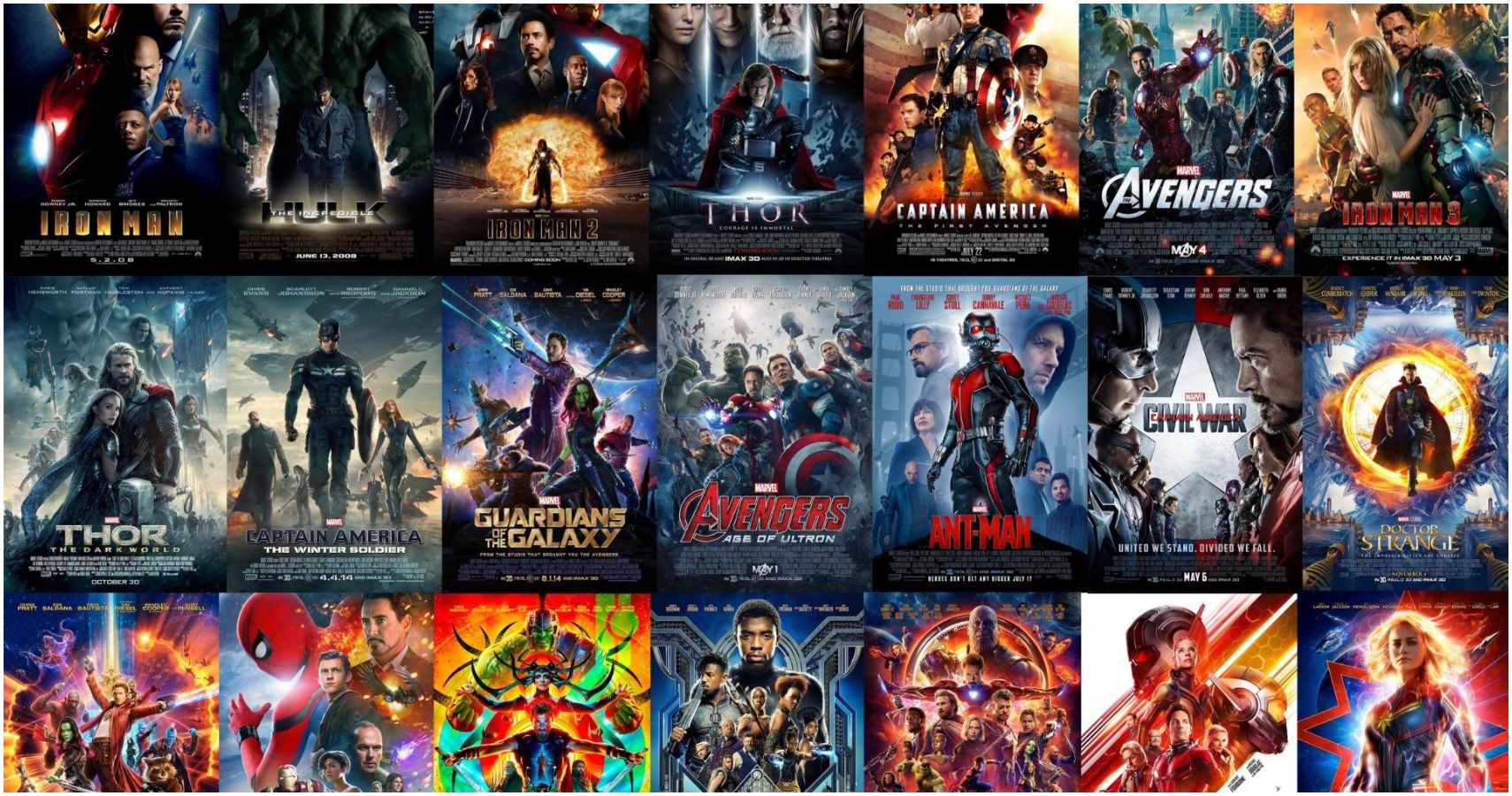
To watch every Marvel movie in order, you must look beyond the Disney-produced Marvel Cinematic Universe (MCU) to include the Fox X-Men saga, Sony’s Spider-Man iterations, and legacy films like Blade and Ghost Rider. As of 2026, this combined library spans over 60 films, categorized by their respective production studios and multiversal connections.
Navigating the Expansive Marvel Multiverse
In the year 2026, the concept of a "Marvel movie" has evolved significantly. While the Marvel Cinematic Universe (MCU) remains the dominant force in global entertainment, the integration of legacy characters through the Multiverse has made "non-MCU" films essential viewing. To understand the full scope of Marvel’s cinematic history, one must distinguish between the various production eras: the Early Experimental Era, the Fox X-Men/Fantastic Four Era, the Sony Spider-Verse, and the various Phases of the MCU.
Navigating this list requires a choice between two primary methods: Release Order and Chronological Order. Release order is generally recommended for first-time viewers as it preserves the evolution of filmmaking technology and the slow-burn reveals of the overarching narrative. Chronological order, conversely, organizes the films based on when the events occur within their respective timelines, which can be particularly complex when dealing with time-traveling mutants or multiversal variants.
The Marvel Cinematic Universe (MCU) Release Order
The MCU is the central pillar of Marvel media. Since its inception in 2008, it has been divided into "Sagas" and "Phases." As we sit in 2026, the franchise has transitioned deep into the Multiverse Saga, with the recent release of Avengers: Doomsday reshaping the landscape of the entire cinematic world.
The Infinity Saga (Phases 1-3)
The Infinity Saga focuses on the emergence of the Avengers and their ultimate confrontation with the Mad Titan, Thanos. This era is characterized by grounded superhero origins that gradually expand into cosmic threats.
- Phase One: Begins with Iron Man (2008) and concludes with The Avengers (2012). These films established the "founding fathers" of the MCU—Iron Man, Captain America, Thor, and the Hulk.
- Phase Two: Spanning from Iron Man 3 (2013) to Ant-Man (2015), this phase explored the consequences of the Battle of New York and introduced the Guardians of the Galaxy.
- Phase Three: The largest and most critically acclaimed phase, starting with Captain America: Civil War (2016) and ending with Spider-Man: Far From Home (2019). This era reached its peak with Avengers: Infinity War and Avengers: Endgame, which remains a cultural milestone in 2026.
The Multiverse Saga (Phases 4-6)
Following the conclusion of the Infinity Saga, Marvel Studios shifted focus to the Multiverse. This era is notable for its inclusion of characters from non-MCU films, effectively retrofitting older movies into the current continuity.
- Phase Four: Introduced the concept of variants and alternate realities through films like Doctor Strange in the Multiverse of Madness and Spider-Man: No Way Home.
- Phase Five: Featured the expansion of the quantum realm in Ant-Man and the Wasp: Quantumania and the definitive team-up in Thunderbolts* (2025).
- Phase Six: This current era (as of 2026) includes the highly anticipated The Fantastic Four: First Steps and Avengers: Doomsday. These films serve as the connective tissue that brings Fox and Sony properties directly into the MCU fold.
The Fox X-Men and Fantastic Four Universe
Before the MCU was a reality, 20th Century Fox held the rights to the X-Men and the Fantastic Four. These films are crucial for understanding the modern MCU, especially following the events of Deadpool & Wolverine, which officially bridged the gap between the Fox universe and the Disney-owned Marvel Studios.
The Original X-Men Trilogy and Prequels
The X-Men films were pioneers of the modern superhero genre. The original trilogy (X-Men, X2, and The Last Stand) set the stage for ensemble casts. Later, the franchise was rebooted with a younger cast in X-Men: First Class (2011), leading to a convoluted timeline that was partially reset in X-Men: Days of Future Past.
Watching these in 2026 offers a unique perspective on how the "Mutant" concept was handled before its recent integration into the MCU. The gritty, R-rated Logan (2017) remains a high-water mark for the genre, providing a definitive end for Hugh Jackman’s Wolverine before his multiversal return.
The Fantastic Four Iterations
Fox attempted to bring Marvel’s First Family to the screen twice. The mid-2000s films (Fantastic Four and Rise of the Silver Surfer) are often remembered for their lighter tone and Chris Evans’ performance as the Human Torch—years before he became Captain America. The 2015 reboot, however, was a critical and commercial failure, highlighting the difficulties of maintaining these properties outside of a unified creative vision.
The Sony Spider-Man Universe (SSU)
Sony Pictures has maintained the rights to Spider-Man and his extensive gallery of rogues for decades. Their library is divided into three distinct Spider-Man live-action iterations and a growing "villain" universe.
- The Raimi Trilogy (2002–2007): Starring Tobey Maguire, these films were instrumental in making superheroes global box-office juggernauts.
- The Webb Dilogy (2012–2014): Starring Andrew Garfield, The Amazing Spider-Man films attempted a more modern, tech-focused approach to the character.
- The MCU Connection: Starting with Spider-Man: Homecoming, Sony and Marvel Studios collaborated to bring Peter Parker into the Avengers.
- The SSU (Sony’s Spider-Man Universe): This includes films like Venom, Morbius, Madame Web, and Kraven the Hunter (2024). While they do not always feature Spider-Man directly, they exist in a shared multiversal space that frequently intersects with the MCU.
Legacy and Standalone Marvel Movies
Before the 2000s boom, Marvel movies were sporadic and often experimental. Some were cult hits, while others are historical curiosities.
- The Blade Trilogy: Starring Wesley Snipes, these films proved that R-rated Marvel movies could succeed. The first Blade (1998) is often credited with saving Marvel’s cinematic prospects after the company's bankruptcy in the 90s.
- Ghost Rider and The Punisher: These properties saw various iterations throughout the 2000s. Nicolas Cage’s Ghost Rider and Thomas Jane’s The Punisher represent a time when Marvel films were standalone experiences with wildly different tones.
- The Early Years: For the completionist, there is Howard the Duck (1986) and the unreleased Fantastic Four (1994). These are rarely considered essential for the narrative but provide context for how far the brand has come by 2026.
Master List of Marvel Movies by Release Year (1998–2026)
This table provides a comprehensive view of the modern era of Marvel cinema, including both MCU and non-MCU entries.
| Year | Movie Title | Production Universe |
|---|---|---|
| 1998 | Blade | New Line Cinema (Legacy) |
| 2000 | X-Men | 20th Century Fox |
| 2002 | Spider-Man | Sony Pictures |
| 2003 | Daredevil / X2 / Hulk | Fox / Universal |
| 2004 | Spider-Man 2 / Blade: Trinity / The Punisher | Sony / New Line / Lionsgate |
| 2005 | Fantastic Four / Elektra | 20th Century Fox |
| 2006 | X-Men: The Last Stand | 20th Century Fox |
| 2007 | Ghost Rider / Fantastic Four: Rise of the Silver Surfer | Sony / Fox |
| 2008 | Iron Man / The Incredible Hulk | MCU Phase 1 / Universal |
| 2011 | Thor / Captain America: The First Avenger / X-Men: First Class | MCU / Fox |
| 2012 | The Avengers / The Amazing Spider-Man | MCU / Sony |
| 2014 | Guardians of the Galaxy / X-Men: Days of Future Past | MCU / Fox |
| 2016 | Captain America: Civil War / Deadpool / Doctor Strange | MCU / Fox |
| 2017 | Logan / Spider-Man: Homecoming / Thor: Ragnarok | Fox / MCU (Sony) |
| 2018 | Avengers: Infinity War / Black Panther / Venom | MCU / Sony |
| 2019 | Avengers: Endgame / Dark Phoenix / Captain Marvel | MCU / Fox |
| 2021 | Spider-Man: No Way Home / Eternals / Venom: Let There Be Carnage | MCU / Sony |
| 2022 | Doctor Strange in the Multiverse of Madness / Black Panther: Wakanda Forever | MCU Phase 4 |
| 2023 | Guardians of the Galaxy Vol. 3 / The Marvels / Spider-Man: Across the Spider-Verse | MCU / Sony (Animation) |
| 2024 | Deadpool & Wolverine / Kraven the Hunter / Madame Web | MCU (Fox Integration) / Sony |
| 2025 | Captain America: Brave New World / Thunderbolts* / The Fantastic Four: First Steps | MCU Phase 5 & 6 |
| 2026 | Avengers: Doomsday / Spider-Man 4 (Expected) | MCU Phase 6 |
The Chronological Watching Guide
If you prefer to watch the story as it unfolds in "real-time" across the multiverse, the order changes drastically. Chronological viewing is recommended for those who have already seen the films and want to understand the historical progression of the Marvel world.
- The Ancient Past: Eternals (The opening segments), Thor (Flashbacks to ancient Norway).
- The 1940s: Captain America: The First Avenger.
- The 1960s: X-Men: First Class.
- The 1980s/90s: Captain Marvel, X-Men: Apocalypse, Black Widow (prologue).
- The Early 2000s: The original Spider-Man and X-Men trilogies occur roughly around their release years.
- The Modern MCU Era: Most Phase 1-3 movies take place between 2008 and 2018.
- The Five-Year Gap: The period between Avengers: Infinity War and Avengers: Endgame (2018–2023).
- The Multiverse Integration: Spider-Man: No Way Home and Doctor Strange in the Multiverse of Madness occur nearly simultaneously.
- The Near Future (2024-2026): Deadpool & Wolverine, Thunderbolts*, and Avengers: Doomsday take place in the mid-2020s.
Essential Non-MCU Films for Multiverse Context
With the 2026 release of Avengers: Doomsday, several non-MCU films have become essential viewing to understand the stakes of the Multiverse Saga. If you are short on time, prioritize these specific entries to ensure you aren't lost during the latest MCU crossovers:
- Spider-Man 2 (2004): Introduces Doctor Octopus, whose role in the Multiverse remains a pivotal turning point for Peter Parker.
- X-Men: Days of Future Past (2014): Essential for understanding how the mutant timeline fractured and reset, which is key to the current 2026 status of the X-Men in the MCU.
- Logan (2017): Provides the emotional foundation for Wolverine's character, which is heavily referenced in Deadpool & Wolverine.
- Venom (2018): Establishes the symbiote’s presence in the multiverse, leading to the "post-credits" interactions with the MCU.
Frequently Asked Questions
Do I need to watch the old Spider-Man movies to understand the MCU?
Yes, particularly the Tobey Maguire and Andrew Garfield films. While they began as separate entities, Spider-Man: No Way Home officially integrated them into the MCU’s multiverse. Characters and plot points from these "non-MCU" films directly influence the development of Tom Holland’s Peter Parker and the broader multiversal conflict leading into 2026.
Is the Blade trilogy part of the MCU?
The original Blade trilogy starring Wesley Snipes is not part of the main MCU "Earth-616" continuity. However, Marvel Studios is developing a new Blade film as part of the MCU. Due to the multiverse, the original films are now considered part of the broader Marvel cinematic landscape and are often referenced in discussions of legacy characters.
Where do the Deadpool movies fit in?
Deadpool and Deadpool 2 were originally part of the Fox X-Men universe. However, Deadpool & Wolverine (2024) served as a formal transition, moving Deadpool into the MCU. To understand his journey, you should watch the first two films before his 2024 MCU debut.
Are the Marvel Netflix shows (Daredevil, Punisher) included in this list?
This guide focuses specifically on feature films. However, it is important to note that as of 2026, the characters from the Netflix "Defenders" saga—specifically Charlie Cox’s Daredevil and Vincent D’Onofrio’s Kingpin—have been officially integrated into the MCU through films like Spider-Man: No Way Home and Disney+ series like Daredevil: Born Again.
What is the best order for a marathon in 2026?
The best order is a "Hybrid Release Order." Start with the foundational non-MCU films (X-Men 1-2, Spider-Man 1-2, Blade), then proceed through the MCU Phases 1-3. After Endgame, alternate between the new MCU Phase 4-6 films and the relevant Sony/SSU entries to see how the multiverse converges.
Summary of Next Steps for Viewers
To fully experience the Marvel cinematic journey in 2026, your next step should be to secure access to Disney+ and Hulu/Disney+ bundles, which now house the majority of both MCU and Fox-legacy content. For the Sony-owned Spider-Man films, checking platforms like Netflix or Prime Video is necessary due to ongoing licensing agreements.
Start your marathon with 2008's Iron Man for the MCU core, but don't forget to sprinkle in 2000's X-Men and 2002's Spider-Man to appreciate the full breadth of the multiverse. As the franchise prepares for the conclusion of Phase 6, understanding these roots is the only way to fully grasp the weight of the stories currently unfolding on the big screen.