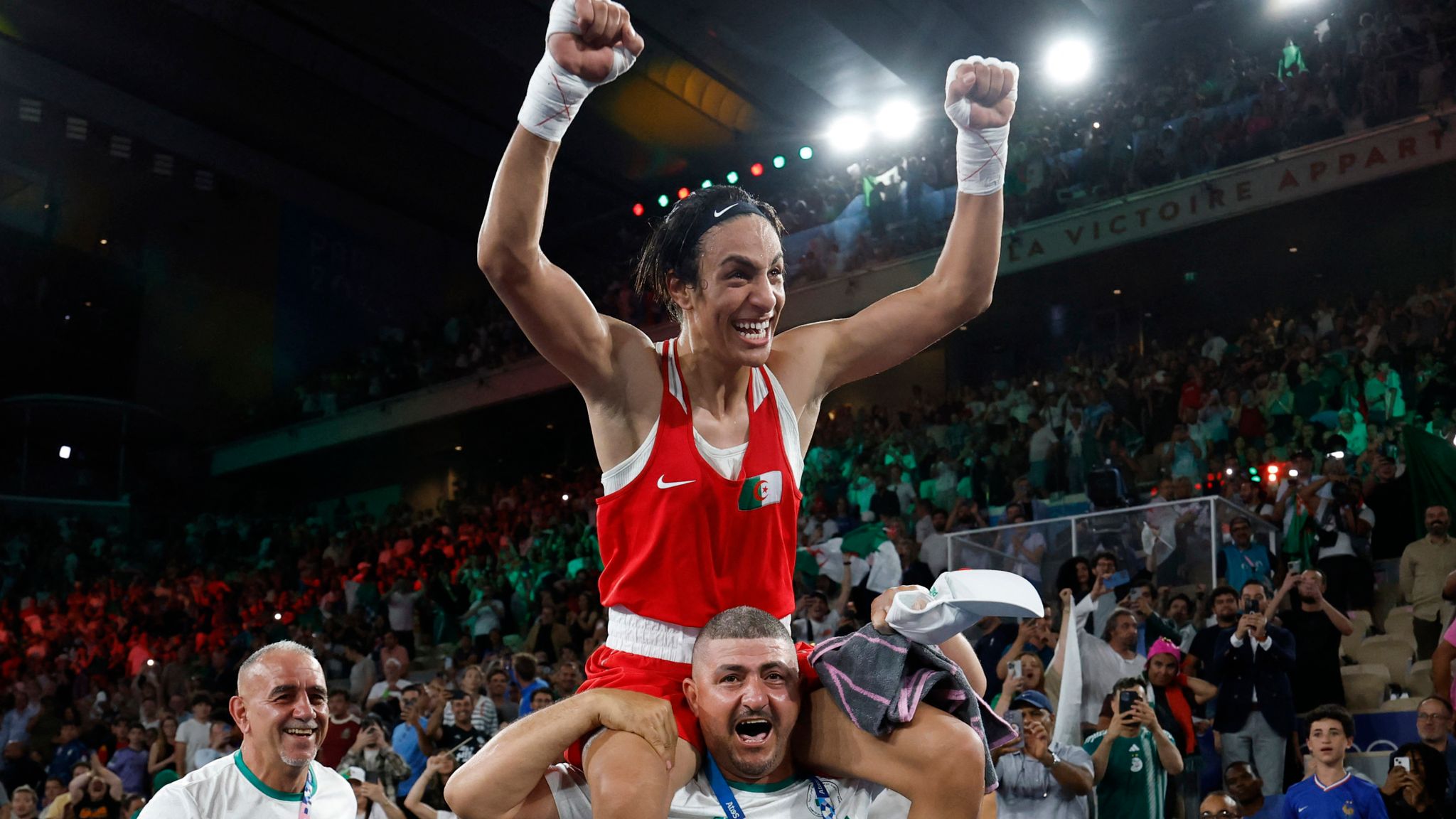
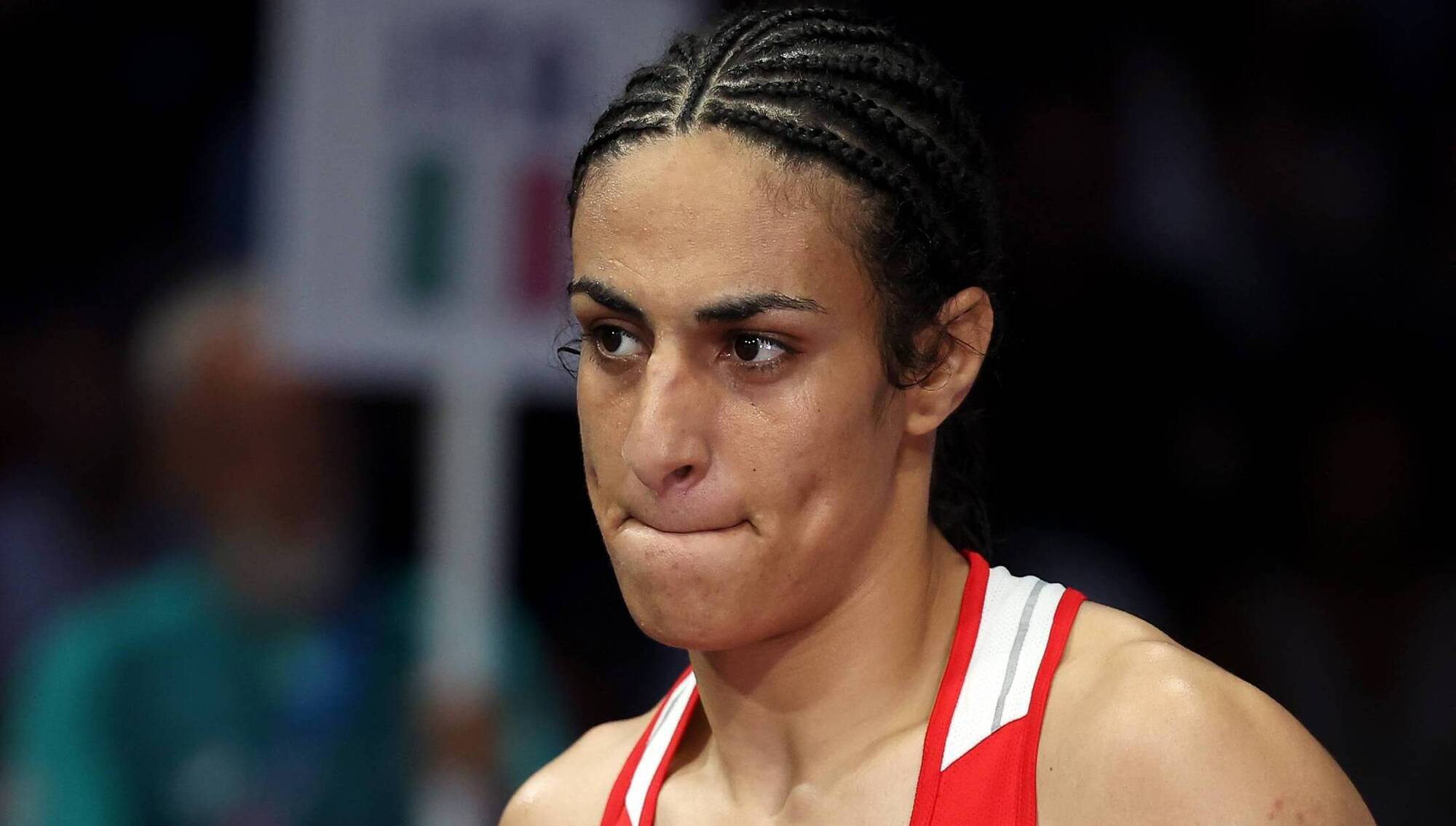
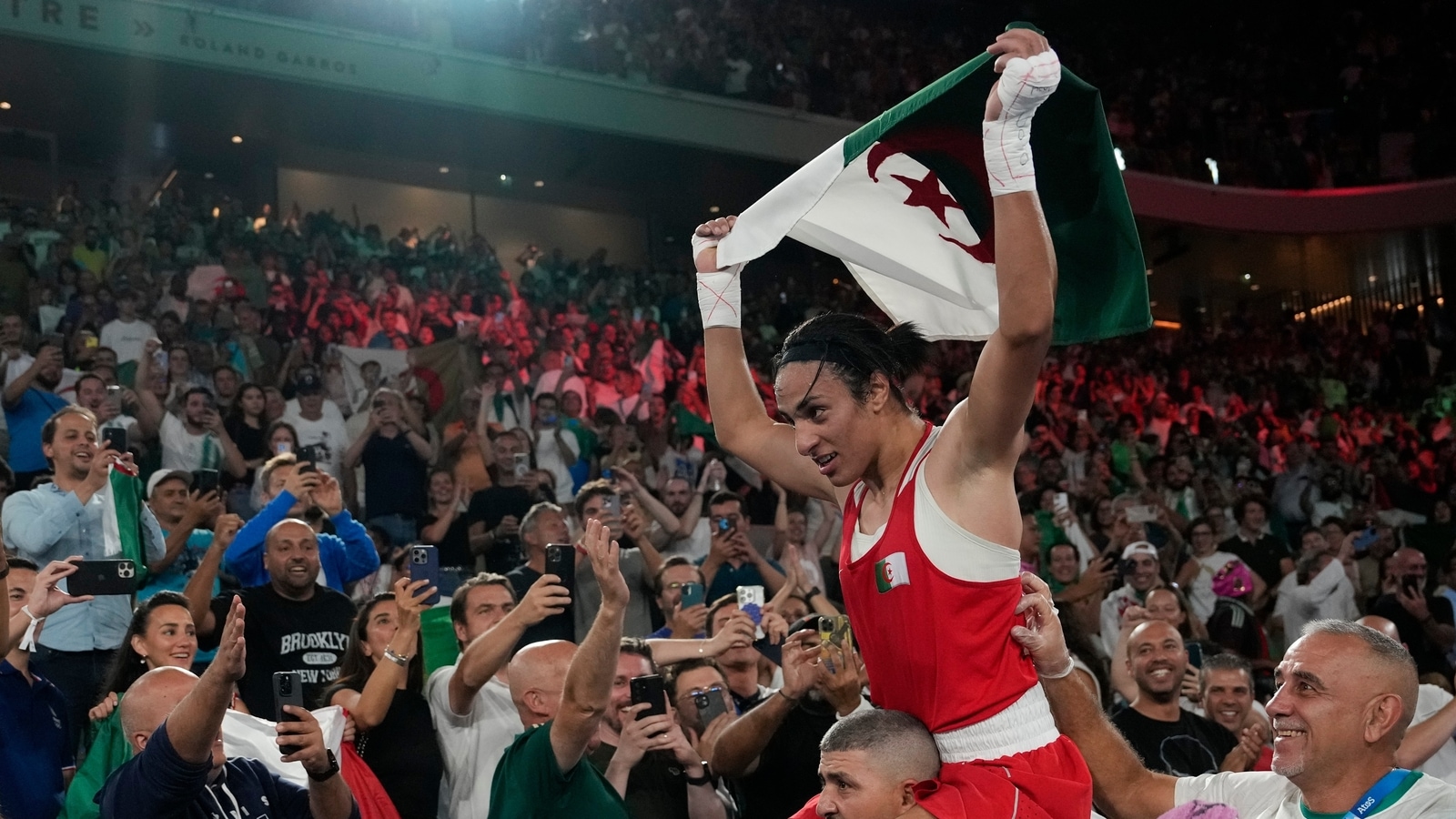
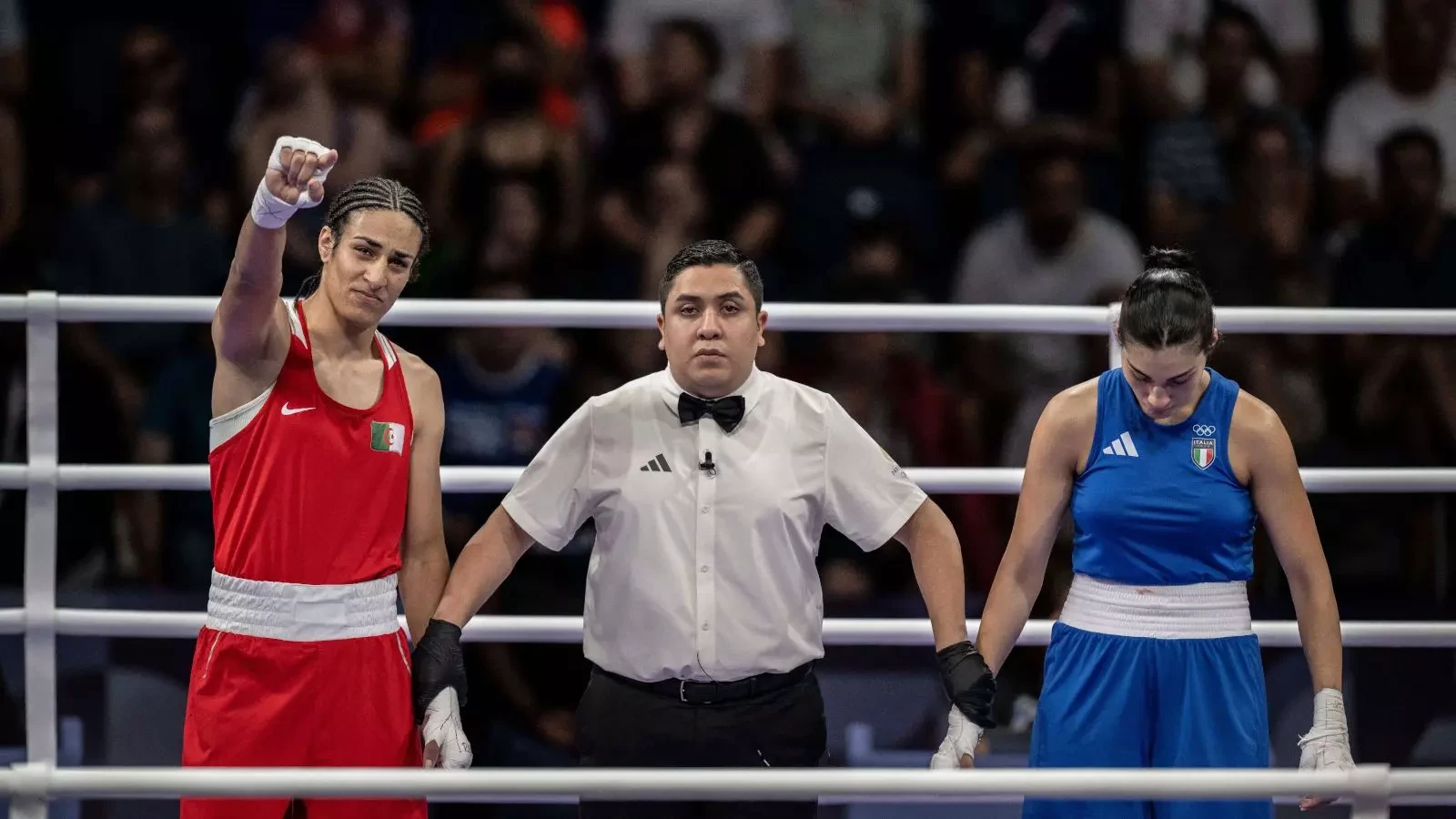
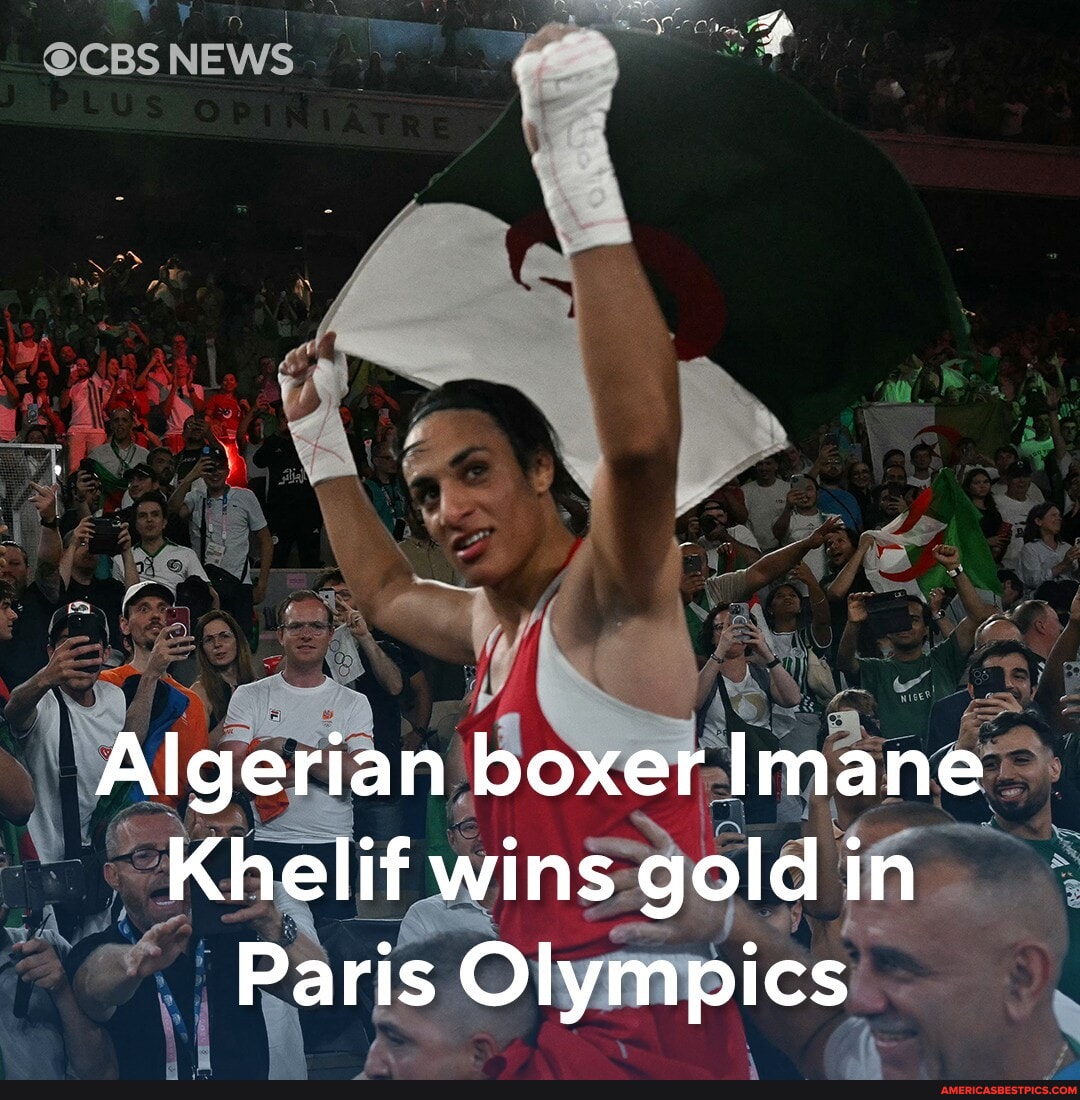
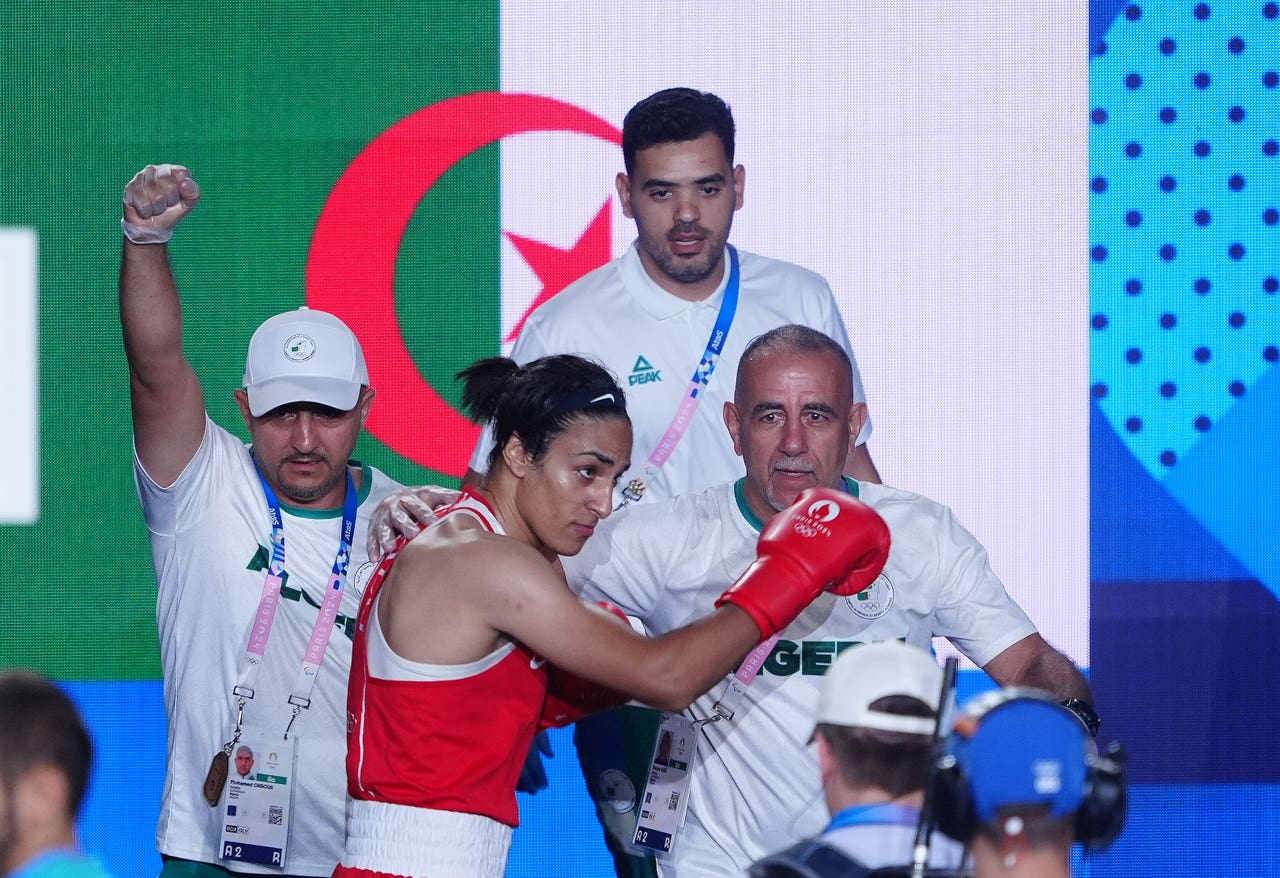
At the 2024 Paris Olympic Games, Algerian boxer Imane Khelif secured a historic gold medal in the women’s welterweight division, becoming the first Algerian woman to win an Olympic boxing title. Her journey to the podium captured global attention, marked by extraordinary athletic resilience, intense international scrutiny regarding sports eligibility protocols, and a wave of national support that culminated in a historic victory for North African sports.
The Path to Olympic Glory in Paris
The road to the 2024 Paris Olympics for Imane Khelif was defined by years of competitive dedication. Representing Algeria, Khelif entered the welterweight (66kg) category with the experience of a seasoned international competitor, having participated in the Tokyo 2020 Olympics where she reached the quarter-finals. Her performance in Paris served as a definitive maturation of her tactical abilities, demonstrating improved defensive movement and sharper counter-punching throughout the tournament.
The competition structure at the Olympics is rigorous, requiring athletes to maintain peak physical and psychological condition over several days. Khelif’s progression through the bracket involved navigating multiple bouts against highly ranked global opponents. Her ability to execute technical adjustments under extreme pressure proved decisive, particularly in the final rounds where her stamina and reach were tested against elite challengers.
Contextualizing Eligibility and Regulatory Frameworks
During the 2024 Paris Games, the boxing tournament was managed directly by the International Olympic Committee (IOC) through the Paris Boxing Unit (PBU), following the suspension and eventual withdrawal of recognition for the International Boxing Association (IBA). This shift in oversight was critical to the narrative surrounding Khelif, as it established a distinct separation between current IOC eligibility standards and those previously applied by the IBA.
The controversy stemmed from the IBA’s 2023 decision to disqualify Khelif during the World Championships, citing unspecified gender eligibility tests. However, the IOC consistently affirmed that Khelif met all medical, regulatory, and administrative requirements to compete in the women’s category at the 2024 Olympic Games. Under the PBU and IOC guidelines, eligibility is based on an athlete’s passport, which in this instance, confirms the athlete’s status as a female.
This distinction between the two organizations highlights a larger systemic issue within international sports: the lack of a standardized, transparent, and globally accepted framework for gender eligibility testing. For observers and fans, understanding this distinction is essential to distinguishing between institutional administrative rulings and verified athletic competition results.
The Impact on Algerian and Pan-African Sports
The gold medal win was a landmark moment for Algerian sports history. Prior to Khelif’s victory, Algerian boxing had produced bronze medalists in previous games, but a gold medal had remained an elusive milestone. The victory served as a catalyst for increased investment and interest in grassroots boxing programs across Algeria, particularly for women entering combat sports.
Beyond national borders, Khelif’s success resonated across the African continent. It challenged traditional perceptions of women’s participation in high-contact sports and provided a role model for a new generation of female athletes. The public support for Khelif within Algeria was profound, with the athlete being welcomed home as a national hero. This phenomenon underscores the power of Olympic success to foster national identity and social cohesion in the wake of international controversy.
Comparative Overview of Olympic Boxing Eligibility and Oversight
The following table outlines the key differences in organizational oversight that shaped the environment for the 2024 Olympic boxing competition.
| Feature | International Olympic Committee (IOC/PBU) | International Boxing Association (IBA) |
|---|---|---|
| Primary Status | Recognized Olympic Governing Body | Formerly Recognized International Federation |
| Eligibility Authority | Based on Passport/Legal Identity | Based on Internal Gender Testing Protocols |
| Transparency | Publicized Regulatory Standards | Criticized for Lack of Clarity in Testing |
| 2024 Olympic Role | Full Operational Control | No Role in Olympic Tournament |
| Result Status | Validated and Finalized Results | Disqualification in Non-Olympic Events |
Technical Analysis of the Performance
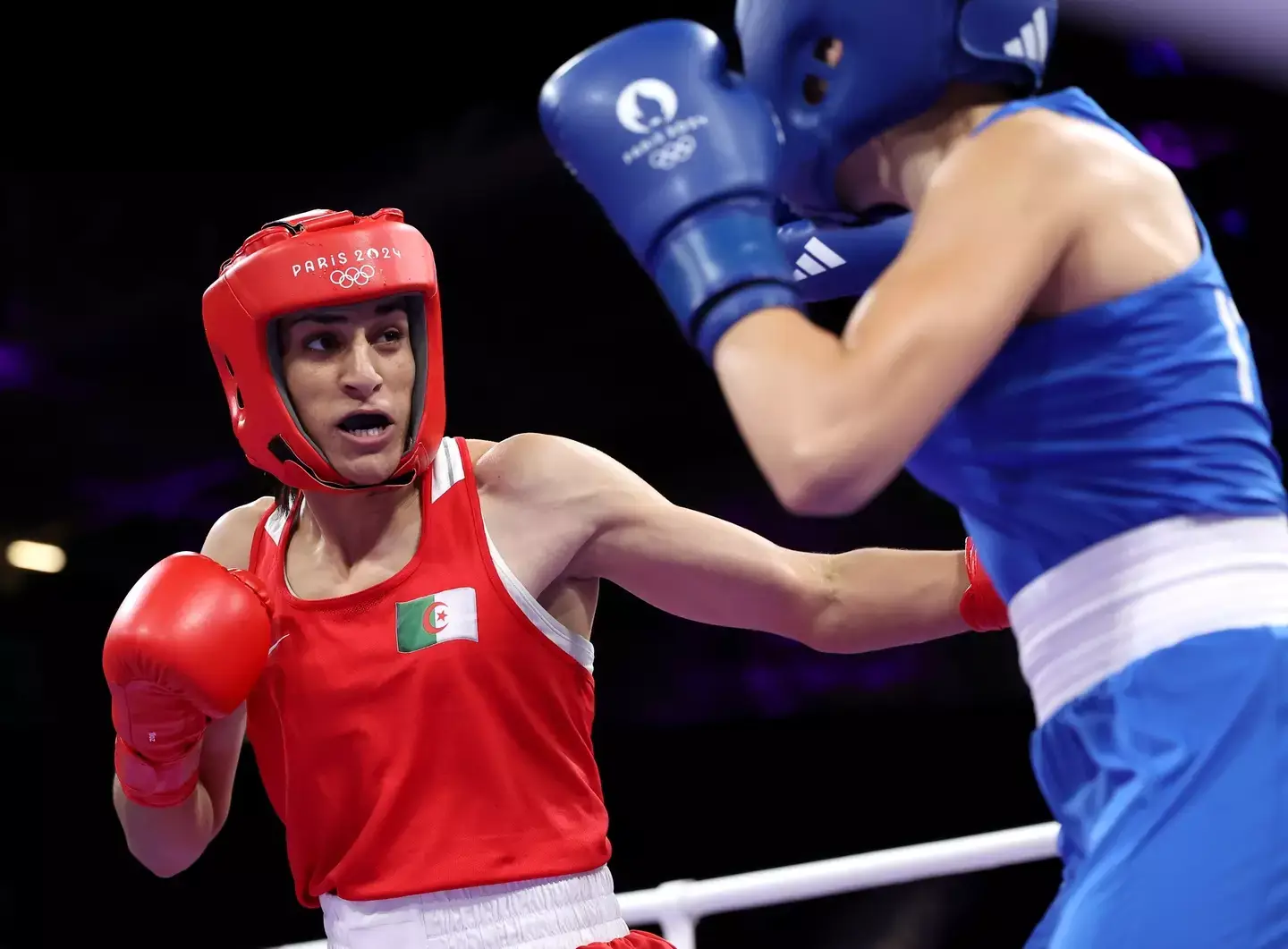
From a technical perspective, Imane Khelif’s boxing style at the 2024 Olympics was characterized by high-volume output and effective management of distance. Her physical conditioning allowed her to maintain a high pace in the later rounds, a factor often cited by analysts as the differentiator between medal contenders and winners.
- Jabbing Consistency: Khelif utilized a long, snapping jab to control the center of the ring, preventing opponents from stepping into close-range exchanges where they could neutralize her height advantage.
- Defensive Mobility: Rather than staying static, Khelif demonstrated agile lateral movement, forcing opponents to reset their attacks frequently and expending their energy in the process.
- Tactical Adaptability: In matches where opponents attempted to smother her, Khelif displayed the ability to pivot and exit, reset, and re-engage, showing a high level of situational awareness.
Frequently Asked Questions
Did Imane Khelif meet all gender eligibility requirements for the 2024 Olympics? Yes. The International Olympic Committee (IOC) confirmed that Imane Khelif fully complied with all medical, eligibility, and regulatory requirements set forth for the women’s boxing competition in Paris. The IOC stated that eligibility was determined based on the documentation provided in the athlete's passport.
Why was there confusion surrounding her eligibility during the games? The confusion originated from a 2023 decision by the International Boxing Association (IBA) to disqualify Khelif from a world championship event based on undisclosed tests. However, the IOC withdrew recognition of the IBA in 2023, and the PBU administered the 2024 Olympics using different, transparent standards that deemed Khelif eligible.
What does this win mean for women’s boxing in Algeria? The victory is a historic turning point. By becoming the first Algerian woman to win Olympic gold in boxing, Khelif has elevated the profile of the sport, likely leading to increased funding, better training facilities, and higher participation rates among young women interested in combat sports in North Africa.
How is the Olympic boxing tournament governed if not by the IBA? Since the 2024 Paris Games, boxing has been managed by the Paris Boxing Unit (PBU), an ad-hoc body established by the IOC to ensure the integrity and management of the sport in the absence of a fully compliant international federation.
Is it possible for gender eligibility rules to change for future Olympics? The IOC and relevant international federations continually review eligibility criteria. Any future changes would be subject to scientific review, human rights considerations, and adherence to established international sports law to ensure consistency and fairness.
Recommendation for Further Understanding
To gain a comprehensive understanding of how athletic eligibility and international competition are regulated, it is recommended to review the official reports published by the International Olympic Committee (IOC) regarding the 2024 Paris Games. Avoid relying solely on secondary social media commentary, which often lacks the context of the specific regulatory changes implemented between the IBA-led events and the PBU-led Olympic tournament. Engaging with technical breakdowns from professional boxing analysts provides a clearer picture of the athletic skill sets required to achieve success at the Olympic level.