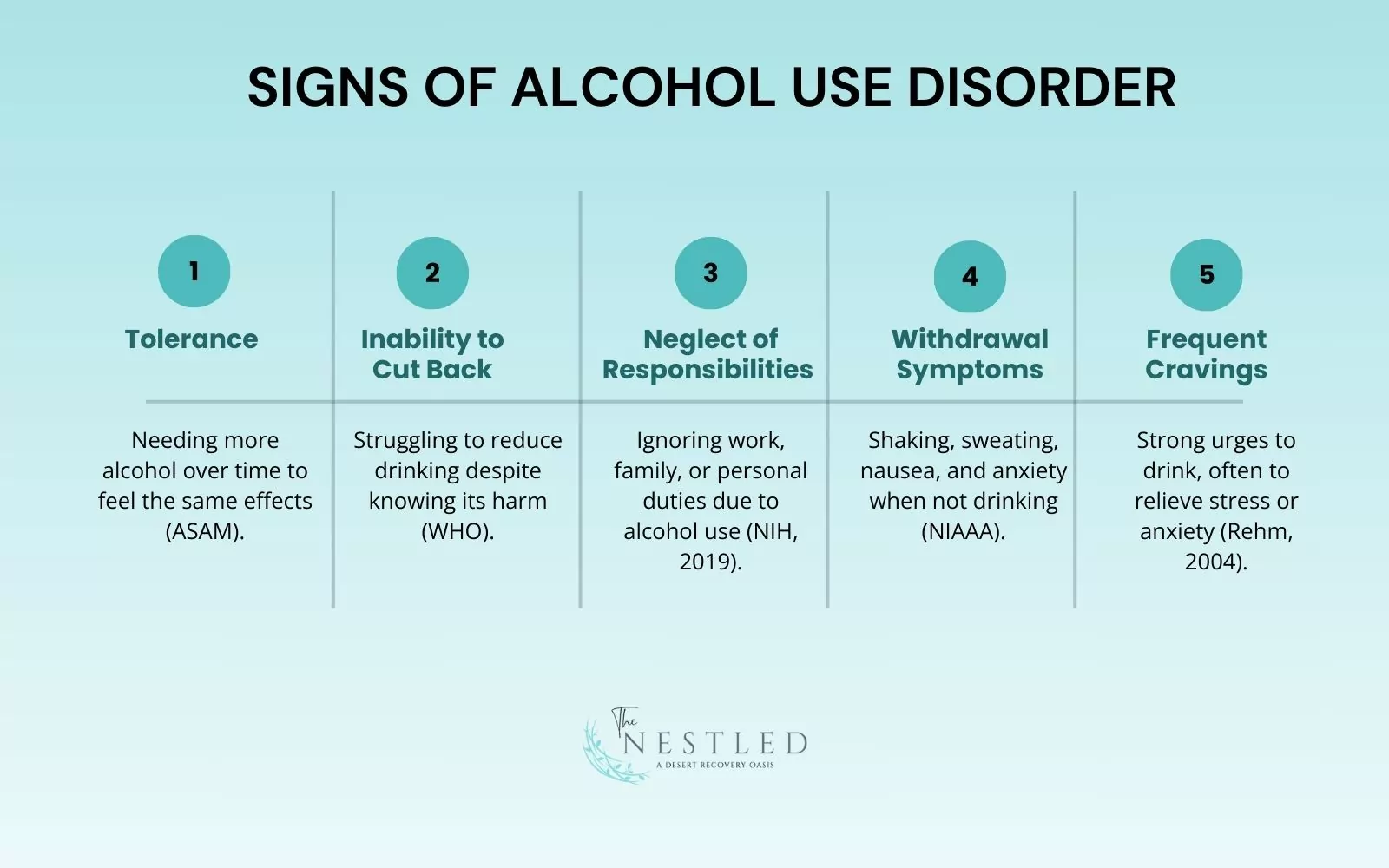
Navigating alcohol addiction intervention in Detroit requires understanding local crisis support services, professional treatment facilities, and structured family-led planning. Families can utilize Michigan-specific helplines, engage licensed interventionists, and access specialized inpatient or outpatient programs throughout Wayne County to help a loved one accept care.
Understanding Alcohol Addiction Intervention in Detroit
Alcohol addiction intervention is a structured, intentional process designed to help an individual recognize the severity of their substance use disorder and accept professional treatment. In Detroit and the broader Wayne County area, staging an effective intervention often requires local resources due to the specific healthcare landscape, transportation logistics, and the availability of regional recovery networks.
When families attempt to address severe alcohol dependency on their own, they frequently encounter denial, anger, or defensiveness. A professionally guided or carefully organized family intervention introduces a controlled environment where loved ones express their concerns using objective observations rather than emotional accusations. The primary objective is not to shame the individual, but to present an immediate, viable pathway to detoxification, rehabilitation, and long-term recovery.
In an urban setting like Detroit, logistical barriers can complicate the intervention process. These include navigating transportation to specialized facilities, coordinating insurance benefits across Michigan Medicaid or private commercial carriers, and identifying facilities with immediate bed availability. Recognizing these local dynamics ensures that the intervention does not stall at the planning phase but smoothly transitions the individual from the meeting room into a licensed treatment center.
The Role of Professional Interventionists in Southeast Michigan
While some families choose to conduct an intervention independently, many rely on certified intervention professionals (such as Certified Intervention Professionals or Nationally Certified Addiction Counselors) who operate in Southeast Michigan. Hiring a local professional brings several distinct advantages to a delicate and high-stress situation.
Certified interventionists understand regional treatment landscapes, including which Detroit-area hospitals, residential facilities, and outpatient clinics have strong reputations and appropriate accreditation. They manage the pre-intervention education meetings, coach family members on boundary setting, and facilitate the actual conversation. Crucially, a professional stays neutral, diffusing volatility and keeping the focus squarely on health and safety rather than past grievances.
When selecting an interventionist in the Detroit area, families should verify credentials, ask about their specific success rates with alcohol use disorder, and confirm their familiarity with local transport services if the individual needs to be moved safely to a residential facility. Many interventionists also coordinate direct admissions with treatment centers, bypassing lengthy intake delays.
Immediate Crisis Resources and Local Helplines
If an alcohol addiction intervention reveals an acute medical emergency—such as severe withdrawal symptoms, alcohol poisoning, or immediate self-harm risks—standard planning must stop, and emergency medical services must be contacted immediately.
Detroit residents have access to several 24/7 crisis lines and community mental health agencies that assist with urgent substance use situations:
- Detroit Wayne Integrated Health Network (DWIHN): Serves as the public mental health and substance use authority for Wayne County. Their 24/7 access line provides immediate crisis intervention, service referrals, and authorization for publicly funded treatment options.
- SAMHSA’s National Helpline: A confidential, free, 24/7 information service providing referrals to local treatment facilities, support groups, and community-based organizations.
- Michigan Department of Health and Human Services (MDHHS): Offers directories and navigation tools for state-licensed substance use disorder programs.
| Resource Name | Type of Service | Availability | Contact Focus |
|---|---|---|---|
| DWIHN Access Line | Local Public Crisis & Referral | 24/7 | Wayne County mental health and substance use services |
| SAMHSA National Helpline | National Information & Referral | 24/7 | Treatment facility locator and general guidance |
| Local Hospital Emergency Departments | Acute Medical Detoxification | 24/7 | Severe withdrawal, overdose, and medical stabilization |
Step-by-Step Planning for a Family-Led Intervention
For families choosing to organize an intervention without a hired specialist, a methodical, structured approach is essential. Spontaneous confrontations rarely succeed and often drive the individual further into isolation or denial.
Step 1: Form the Intervention Team
Gather a small, cohesive group of people who care deeply about the individual and have been directly impacted by their drinking. This typically includes close family members or trusted friends. Exclude anyone who holds active resentments, struggles with their own untreated substance use, or cannot remain calm under pressure.
Step 2: Educate the Team
Every member must understand that alcohol addiction is a chronic medical condition, not a simple failure of willpower. Reviewing educational materials from organizations like the National Institute on Alcohol Abuse and Alcoholism (NIAAA) helps shift the team's mindset from blame to clinical support.
Step 3: Research Treatment Options in Advance
Never enter an intervention without a confirmed plan. Secure a bed or an intake appointment at a Detroit-area detox or rehabilitation facility before the meeting takes place. If the individual agrees to accept help, transport must be ready to depart immediately.
Step 4: Write and Practice Impact Statements
Each participant should draft a concise, non-judgmental letter. The structure should follow three rules:
- Express love and concern for the individual.
- State specific, factual incidents where the alcohol use caused harm or danger.
- Clearly state the consequences that will be enforced if treatment is refused.
Step 5: Establish Clear Boundaries and Consequences
Love means refusing to enable destructive behavior. If the individual refuses treatment during the intervention, family members must be prepared to enact pre-established boundaries, such as halting financial support, stopping housing arrangements, or restricting contact until safety is restored.
Navigating Treatment Options in the Detroit Area
Once an intervention successfully motivates an individual to accept help, selecting the appropriate level of care is critical. Detroit and its surrounding suburbs feature a range of clinical settings tailored to different severities of alcohol use disorder.
Medical Detoxification
For individuals with severe, chronic alcohol dependence, sudden cessation can trigger delirium tremens (DTs), seizures, and other life-threatening medical complications. Medically supervised detoxification in a hospital setting or specialized residential detox facility in Wayne County provides round-the-clock nursing care and pharmacological support to safely clear alcohol from the system.
Inpatient and Residential Rehabilitation
Residential treatment requires the individual to live at a licensed facility for a designated period (typically 30, 60, or 90 days). These programs offer immersive behavioral therapy, individual counseling, group support, and medical oversight. Facilities in Southeast Michigan provide structured daily schedules designed to address the psychological roots of addiction while establishing healthy coping mechanisms.
Outpatient Programs and Continuing Care
For individuals with milder dependencies or those stepping down from residential care, Intensive Outpatient Programs (IOPs) and Partial Hospitalization Programs (PHPs) offer robust clinical therapy while allowing the person to live at home. Additionally, mutual-aid fellowships such as Alcoholics Anonymous (AA) maintain a very active presence across the Detroit metropolitan area, providing free peer-led support groups essential for long-term sobriety.
Legal and Insurance Considerations in Michigan
Navigating the financial and legal aspects of addiction treatment requires careful verification of insurance policies and, in complex cases, understanding Michigan laws regarding involuntary commitment.
Insurance Coverage and Parity
Under federal mental health parity laws and Michigan insurance regulations, most commercial health insurance plans, as well as Michigan Medicaid (Healthy Michigan Plan), are required to provide coverage for substance use disorder treatment services. Families should contact their insurance provider's behavioral health division prior to the intervention to verify network participation, copays, deductibles, and pre-authorization requirements for specific Detroit-area facilities.
Understanding Involuntary Commitment Laws (Michigan’s Civil Commitment)
When an individual with severe alcohol addiction poses an immediate danger to themselves or others, but refuses all voluntary options, families occasionally look into legal mechanisms. In Michigan, the Mental Health Code provides pathways for assisted outpatient treatment or involuntary hospitalization under strict legal standards, typically requiring documented medical petitions and court intervention. Consulting with a healthcare attorney or a local mental health authority clarifies these complex legal thresholds.
Common Mistakes to Avoid During an Intervention
Even with good intentions, families frequently make missteps that compromise the effectiveness of an intervention. Recognizing these pitfalls helps protect the process:
- Allowing Anger to Take Over: Yelling, shaming, or rehashing old arguments causes the individual to become defensive, shutting down communication entirely.
- Failing to Secure a Treatment Slot: Telling someone to "get help" without having an immediate placement lined up leaves a dangerous gap where they can change their mind or continue drinking.
- Empty Threats: Establishing consequences (such as asking someone to leave the home) and failing to follow through teaches the individual that boundaries lack real enforcement.
- Involving Unprepared Participants: Bringing in friends or relatives who are uninformed, volatile, or emotionally unstable increases chaos and detracts from the primary objective.
Frequently Asked Questions
What should I do if my loved one refuses treatment during the Detroit intervention?
If treatment is refused, family members must enact the pre-arranged consequences without hesitation. This means holding firm on boundaries like refusing financial assistance or housing until they agree to care. Continue to leave lines of communication open regarding treatment, and consult a professional interventionist for ongoing safety planning.
Does Michigan Medicaid cover alcohol addiction intervention and rehab services?
Yes, the Healthy Michigan Plan and standard Michigan Medicaid programs cover various levels of substance use disorder treatment, including medical detoxification, residential rehab, and outpatient counseling. Coverage depends on clinical necessity determined by a licensed provider through agencies like DWIHN.
How long does an alcohol intervention typically take?
The actual intervention meeting usually lasts between one and two hours, but the preparation phase—involving family coaching, team meetings, and treatment facility coordination—can take anywhere from a few days to a couple of weeks.
Can an intervention be conducted virtually in Detroit?
Yes. Many certified interventionists and treatment facilities offer secure telehealth coordination, allowing family members in different locations or professionals to participate in planning and executing the intervention remotely.
What is the first step if someone is experiencing severe alcohol withdrawal?
Severe withdrawal (shaking, confusion, hallucinations, or fever) is a medical emergency. Call 911 immediately or transport the individual to the nearest Detroit hospital emergency department for stabilization before pursuing standard rehabilitation options.
Next Actions for Families
If you are planning an alcohol addiction intervention in Detroit, start by securing a support network for yourself through local family support groups or professional guidance. Reach out to regional access centers like the Detroit Wayne Integrated Health Network to verify available resources, contact licensed treatment centers to understand intake requirements, and ensure your team is fully prepared before holding the meeting. Taking these structured steps maximizes the likelihood of guiding your loved one safely toward professional care.