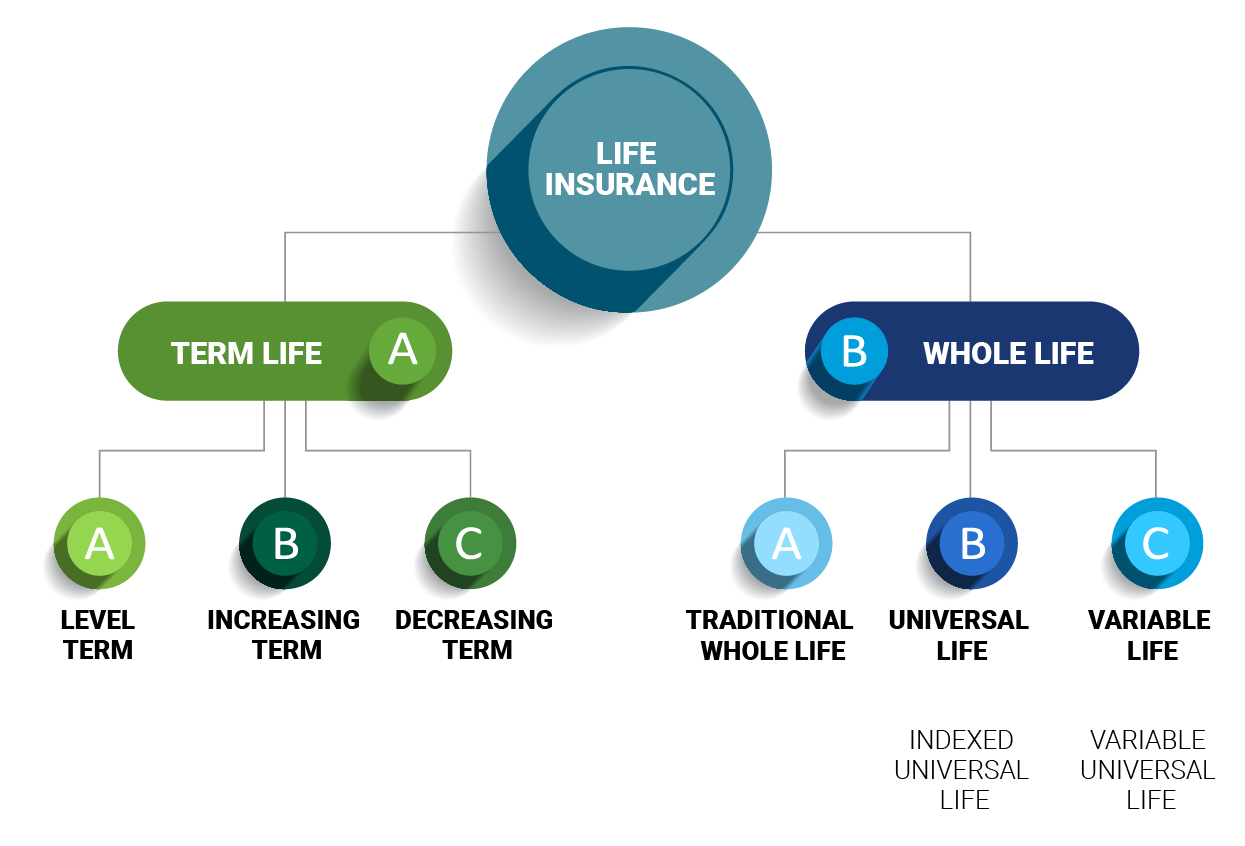
When you assign a trust as the beneficiary of an AIG life insurance policy, you are utilizing a legal vehicle to dictate exactly how, when, and to whom your death benefit proceeds are distributed. The "Life Trust Form" is the specific documentation provided or accepted by AIG to facilitate this beneficiary designation, ensuring that the policy proceeds bypass probate and adhere to the specific stipulations you have laid out in your trust document.
The Purpose of a Life Trust in Estate Planning
A trust is a fiduciary arrangement where a third party (the trustee) holds assets on behalf of a beneficiary or beneficiaries. In the context of life insurance, a "life trust" is typically an Irrevocable Life Insurance Trust (ILIT) or a revocable living trust designed to receive the death benefit upon the death of the policyholder.
By naming a trust as your beneficiary rather than an individual, you gain a granular level of control that direct beneficiary designations often lack. For instance, if you are concerned about your beneficiaries managing a large lump sum of money responsibly, a trust allows you to set "sprinkle" provisions—where the trustee distributes funds based on specific milestones like age, educational achievements, or financial literacy markers.
Decoding the AIG Life Insurance Life Trust Form
When you decide to designate a trust as your beneficiary on an AIG life insurance policy, you cannot simply write the name of the trust on the standard beneficiary form. Insurance companies have strict requirements for documentation to protect themselves from liability and to ensure the funds are released to the legally authorized party.
The AIG life trust form (often referred to as a "Trustee Certification" or "Beneficiary Change Form for Trusts") requires specific information to verify the validity of the trust. This typically includes:
- The Full Legal Name of the Trust: As it appears on the trust instrument.
- The Date of the Trust Agreement: The original date the trust was created.
- Trustee Identification: The names and contact information of the current acting trustees.
- Tax Identification Number (TIN): Often the Social Security number of the grantor if the trust is revocable, or a separate Employer Identification Number (EIN) if the trust is irrevocable.
It is vital to use the exact terminology required by your specific AIG policy contract. Providing incomplete or inconsistent information on these forms is the primary cause of delays in death benefit claims processing.
Key Considerations Before Designating a Trust
Before completing the documentation, you must evaluate several structural and financial implications. Naming a trust is a permanent decision that, if handled incorrectly, can lead to unintended tax consequences or administrative burdens.
1. Tax Implications
One of the most common reasons individuals use an ILIT is to exclude the life insurance proceeds from their taxable estate. In the United States, life insurance death benefits are generally income-tax-free; however, they can be included in your gross estate for federal estate tax purposes if you possess "incidents of ownership." By transferring a policy into an irrevocable trust, you remove the policy from your estate, potentially reducing your total estate tax liability. Consult a tax professional to determine if your trust structure achieves this goal.
2. Administrative Costs
Trusts are not free to operate. They require legal setup fees and potentially ongoing management fees if you hire a professional corporate trustee. When deciding to route your AIG policy proceeds through a trust, weigh the death benefit amount against the cost of trust administration. For smaller policies, the administrative overhead may outweigh the benefits of the trust structure.
3. Trustee Selection
Choosing a trustee is as important as creating the trust. A trustee must be willing to manage assets, file tax returns, and follow the distribution instructions. If you designate an individual who is also a beneficiary, they may face a conflict of interest. Many policyholders choose a professional fiduciary or a bank trust department to act as a neutral party.
Verification and Compliance: Steps to Take
Accuracy is the cornerstone of life insurance beneficiary designations. Because insurance companies are bound by the strict language of the policy contract, there is very little room for error when submitting a trust form.
| Step | Action | Why It Matters |
|---|---|---|
| 1 | Review Trust Document | Ensure the trust allows for the receipt of life insurance proceeds. |
| 2 | Obtain EIN/TIN | Confirm the trust has its own tax identity if required by your jurisdiction. |
| 3 | Request AIG Forms | Use the specific form provided by your AIG representative for the current year. |
| 4 | Verify Trustee Authority | Ensure all trustees identified have the power to act on behalf of the trust. |
| 5 | Submit and Confirm | Send the form via certified mail or secure portal and request written confirmation. |
Common Mistakes to Avoid
The most frequent error is failing to update the trust documentation when the policy changes. If you consolidate policies or increase your coverage, ensure your trust instrument remains consistent with the current policy details. Another common mistake is failing to inform the trustee that they are named as the beneficiary. Upon your passing, the trustee must be prepared to file a claim; if they are unaware of their duties, it can lead to significant delays and confusion for other family members.
Legal and Jurisdictional Limitations
It is important to note that laws regarding trusts and insurance contracts vary by jurisdiction. In some states, specific provisions regarding "spendthrift" clauses—which protect the trust assets from the beneficiaries' creditors—are subject to state-specific case law.
Furthermore, AIG’s administrative guidelines may change based on the specific product line (e.g., universal life vs. term life). Always refer to your policy’s "General Provisions" section to see if there are specific requirements for how trusts must be identified in a beneficiary designation.
Professional Advice Limitation
This article is for informational purposes only and does not constitute legal, tax, or financial advice. The creation of a trust is a complex legal procedure that involves state statutes and federal tax codes. You should consult with an estate planning attorney or a certified financial planner who can review your specific AIG policy and trust document to ensure they align with your broader estate planning goals.
Frequently Asked Questions
Does AIG require a copy of the entire trust document to change a beneficiary? Usually, AIG does not require the entire trust document, but they do require a "Certification of Trust" or a summary page that verifies the existence of the trust, the name of the trustee, and the trustee's power to receive insurance proceeds. Providing the full document is often unnecessary and may raise privacy concerns.
What happens if the trust is dissolved before the policyholder dies? If the trust designated as the beneficiary no longer exists, the beneficiary designation may fail. In such cases, the death benefit may revert to the "default" beneficiary listed in the policy—often the estate of the insured. This can trigger probate, which is exactly what a trust is intended to avoid. It is essential to update your beneficiary form immediately if you modify or terminate your trust.
Can a revocable trust still provide tax benefits for my AIG policy? Generally, a revocable trust does not provide the same estate tax benefits as an irrevocable trust because you retain control over the assets. While it protects the proceeds from probate, it usually remains part of your taxable estate. You should discuss the distinction between revocable and irrevocable structures with your tax advisor.
How long does it take for AIG to update the beneficiary designation? Once you submit the completed form to the AIG administrative office, the update is typically processed within 5 to 10 business days. You should receive a written confirmation from AIG. If you do not receive this confirmation within two weeks, follow up with their customer service department to ensure the form was received and processed.
Should I name both a trust and a specific individual as beneficiaries? Yes, you can split the death benefit between a trust and individuals (e.g., 50% to a trust for minor children, 50% to a spouse). However, you must clearly state these percentages on the form. AIG’s systems are designed to handle percentage-based splits, but you must ensure the math adds up to 100% to avoid administrative processing errors.
Next Steps for Policyholders
To ensure your AIG life insurance policy is correctly aligned with your trust, the immediate next step is to obtain a copy of your current beneficiary designation directly from your AIG online portal or your agent. Compare this against your trust instrument to ensure the names and dates match exactly. If you find discrepancies, contact AIG’s policy services department to request the official "Change of Beneficiary" packet. Maintaining these records in a central, accessible location—and informing your trustee of their existence—is the most effective way to ensure your wishes are honored.