Securing life insurance through the AICPA (American Institute of CPAs) Member Insurance Programs often provides competitive, group-sponsored coverage options for accounting professionals. While "preferred rates" are a common marketing term in the commercial insurance sector, the AICPA Member Insurance Program—underwritten by Prudential—utilizes a structured premium model based on age, coverage amount, tobacco status, and membership classification. Understanding these factors is essential for CPAs evaluating whether this group coverage fits their financial planning needs.
The Foundation of AICPA Member Insurance Programs
The AICPA Life Insurance Program is a group term life insurance policy designed specifically for members of the Institute. Because it is a group plan, the program operates differently than individual policies purchased directly from a private insurance carrier. Instead of individual medical underwriting that might lead to "preferred" or "standard" ratings found in the open market, the AICPA program often utilizes streamlined underwriting processes for certain coverage amounts, though larger amounts require evidence of insurability.
The program's cost-efficiency is derived from the group purchasing power of CPAs nationwide. By pooling a large number of professionals, the program seeks to mitigate the volatility of risk. However, it is critical to distinguish that "preferred rates" in this context refers to the competitive group-negotiated premiums rather than a status granted solely based on superior personal health metrics as defined by traditional commercial underwriting.
How Premium Rates are Determined
For members navigating the AICPA life insurance landscape in 2026, premiums are primarily dictated by a set of objective, verifiable criteria. Unlike private insurers that might offer "preferred plus," "preferred," and "standard" tiers based on minor variations in health, the AICPA program focuses on broader, transparent classifications.
Age-Banded Premiums
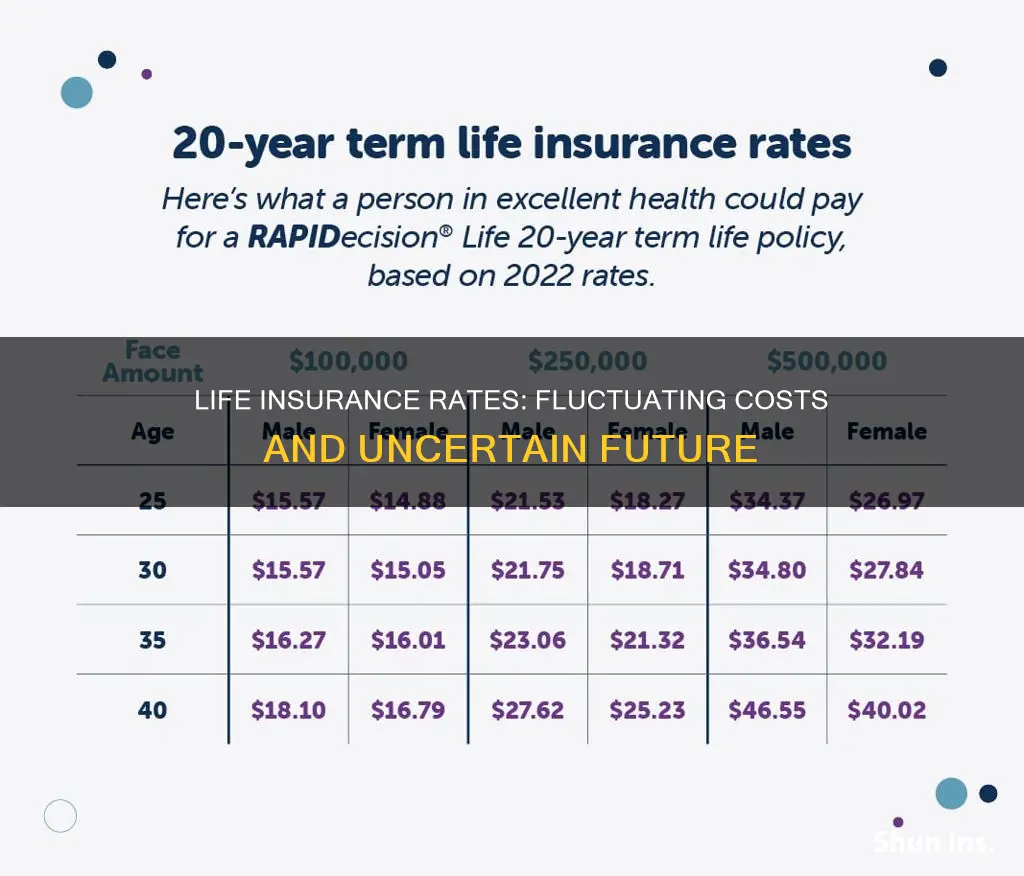
The most significant factor in your premium cost is your age. The program operates on age-banded tiers, meaning your costs will increase as you move into higher age brackets. This is a common feature of group term life insurance. It is vital for members to review the current rate schedule provided by the program administrator to see how these transitions occur over their professional life cycle.
Tobacco vs. Non-Tobacco Status
The most direct equivalent to "preferred" status in the AICPA program is your tobacco-use declaration. Members who do not use tobacco products are eligible for non-tobacco rates, which are significantly lower than those for tobacco users. This is a binary classification; there is typically no sub-tier for "preferred tobacco" or "standard non-tobacco" beyond this primary health indicator.
Coverage Tiers
The amount of coverage you elect also dictates the per-unit cost. The program allows for flexibility in coverage amounts, and premiums are calculated per increment of insurance. Opting for higher coverage levels increases the total dollar amount of the premium, even if the base rate per thousand dollars of coverage remains constant within your age bracket.
Evaluating Group vs. Individual Policies
When CPAs search for "preferred rates," they are often comparing the AICPA group plan against individual term life policies found on the private market. The decision-making process should be based on a clear understanding of the trade-offs between these two models.
| Feature | AICPA Group Term Life | Individual Term Life |
|---|---|---|
| Underwriting | Group/Simplified for some levels | Full medical underwriting |
| Rate Classes | Broad; Age and Tobacco-based | Specific (Preferred Plus, Standard, Substandard) |
| Portability | Generally portable for members | Fully portable |
| Premium Stability | Subject to group-wide adjustment | Guaranteed for the term length |
| Eligibility | Requires AICPA membership | Open to general public |
In an individual market, a person in "excellent health" might qualify for "preferred plus" rates, which could be lower than the group rates offered by the AICPA. However, the AICPA program often provides an easier entry point, especially for members who may have minor health conditions that would disqualify them from "preferred" status with a private carrier.
Steps to Maximize Value
To ensure you are receiving the most competitive pricing available within the AICPA framework, follow these practical steps:
- Verify Membership Status: Ensure your AICPA membership is current. The program is exclusive to members, and lapses in membership can affect your ability to maintain or renew coverage at group rates.
- Review the Rate Table for Your Age: Access the official program materials via the AICPA insurance portal to identify your current age bracket. Understand exactly when your premiums are scheduled to increase so you can plan your financial budget accordingly.
- Perform a Health Assessment: If you are a tobacco user, recognize that your premiums are significantly higher than the non-tobacco rates. Some members find that quitting tobacco allows them to qualify for lower, non-tobacco premiums, which may be worth discussing with your primary care provider.
- Compare Coverage Needs: Calculate your specific life insurance requirements—taking into account mortgage, family needs, and future education costs—rather than simply choosing a high coverage amount that results in higher premiums than necessary.
Addressing Common Misconceptions
One common mistake is assuming that "preferred rates" in the AICPA program are equivalent to the highest possible health rating at a private insurance company. It is important to clarify that the AICPA program is not a substitute for high-net-worth individual life insurance policies that may offer sophisticated, custom underwriting.
Another misconception is that the rates are static. Because the AICPA program is a group policy, the collective experience of the group can lead to adjustments in rates. While the program is stable, members should not treat their current premium as a "locked-in" rate for 30 years, as is often the case with a level-term individual policy.
Financial Planning Considerations
For the professional accountant, life insurance should be viewed as a risk management tool. While the AICPA rates are highly competitive, they are only one component of a broader portfolio. If you are young and in excellent health, you may find that an individual 20- or 30-year level-term policy provides more cost-effective protection over the long term. Conversely, if you have health history that makes individual underwriting difficult, the AICPA program provides a reliable, accessible path to essential coverage.
Consulting with a fee-only financial planner can help you determine the appropriate mix of group and individual coverage. They can analyze your "preferred" status potential in the private market versus the ease and convenience of the AICPA program to help you make an informed decision.
Frequently Asked Questions
Does the AICPA Life Insurance Program offer discounts for superior health? The program does not utilize the "preferred plus" health tiers common in private insurance. Instead, it offers competitive rates based on broader age and non-tobacco status. If you are in exceptional health, individual market policies may offer lower premiums, but the AICPA program provides a streamlined and often more accessible path for members.
Can I switch to non-tobacco rates if I quit smoking? Yes. If you have been tobacco-free for the required period—typically one year, though you should verify this in your specific certificate of insurance—you can usually request a change in your rate classification to the lower non-tobacco premium. Contact the program administrator to request the necessary form.
Are AICPA insurance premiums guaranteed to stay the same? No. AICPA group term life premiums are subject to age-based increases as you transition through life stages. Furthermore, while the program is designed to be stable, the insurer can adjust rates for the entire group based on the overall claims experience, unlike a private level-term policy where the rate is fixed for the duration of the term.
Is it better to have group or individual life insurance? Neither is universally "better." The decision depends on your current health, your budget, and the length of time you need coverage. Group plans often favor those who want ease of enrollment and consistent rates across a member demographic, while individual plans reward high-health individuals with personalized "preferred" ratings and fixed-cost guarantees.
What happens to my AICPA coverage if I retire or leave the profession? Generally, as long as you maintain your membership in the AICPA, you can continue your coverage, even into retirement. It is vital to check the specific portability clauses in your policy documentation, as these can change based on the specific version of the plan you are enrolled in.
Recommendation
For the most accurate assessment of your costs, log in to your AICPA Member Insurance account portal to generate a personalized quote. Compare this against a quote from at least two reputable private insurers to see how your specific health profile impacts your rate. Always prioritize coverage adequacy over simply pursuing the lowest rate; ensure that your chosen policy meets your family’s long-term financial obligations.