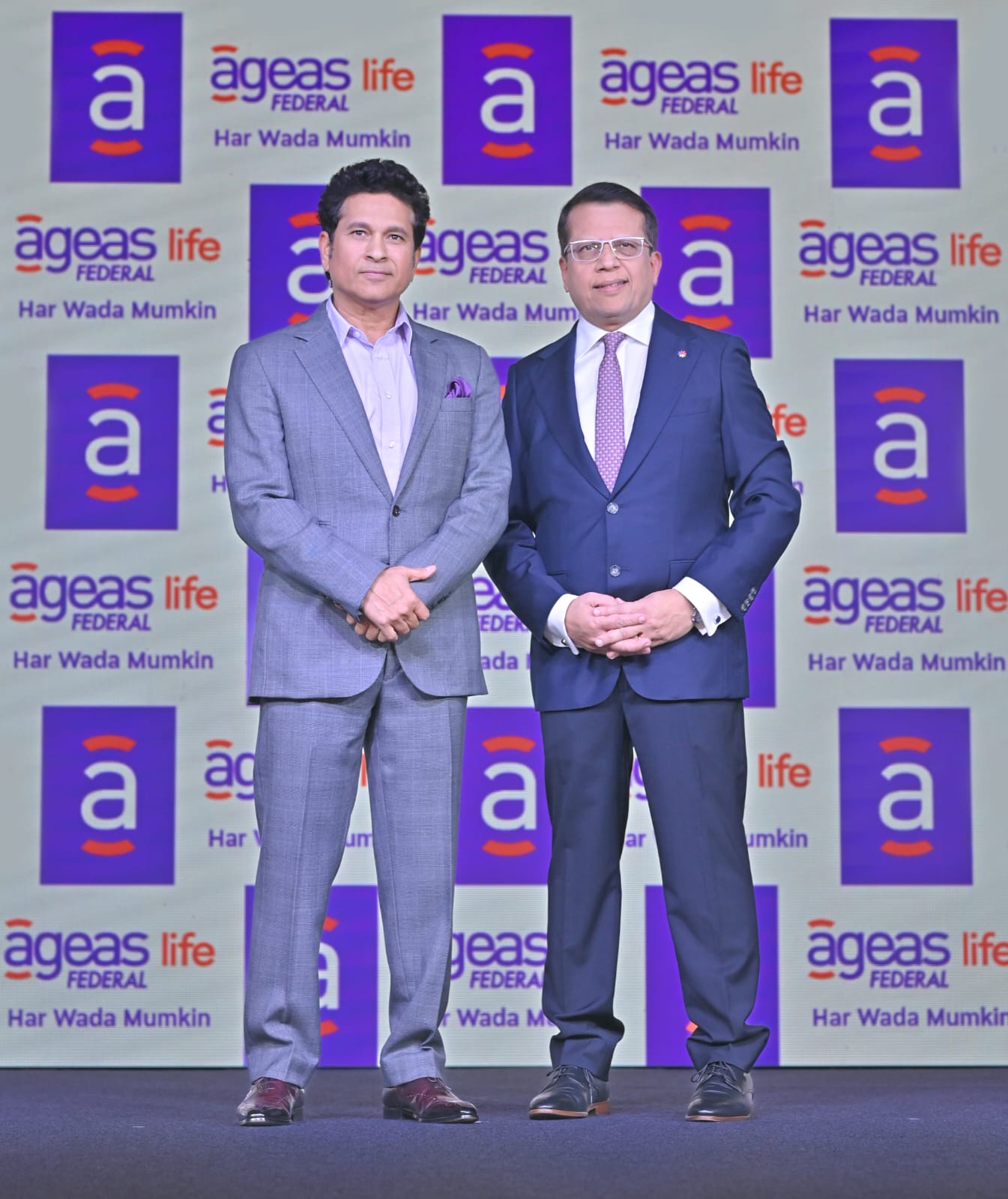
Ageas is a prominent international insurance group with a significant footprint in Europe and Asia, primarily known for its multi-channel distribution strategy and partnerships with financial institutions. When evaluating Ageas life insurance, policyholders are typically engaging with specific regional entities or bancassurance products tailored to provide financial security, debt protection, or legacy planning through underwriting models that prioritize long-term stability and localized risk assessment.
The Scope of Ageas in the Life Insurance Market
Ageas operates as a global insurance provider, yet it is crucial to understand that "Ageas Life Insurance" is not a monolithic global product. Instead, the group functions through various subsidiaries and joint ventures. In many markets, particularly in Europe and Asia, Ageas functions through "bancassurance"—a partnership model where insurance products are sold through the network of a partner bank.
This distinction is vital for consumers. If you hold a life insurance policy under the Ageas brand, your primary point of contact is often the institution where the policy was originated. Because the group maintains decentralized operations, the specific terms, coverage limits, and claim processes are governed by the local entity and the regulatory framework of the country in which the policy was issued. Whether you are managing a term life policy, a whole life product, or an investment-linked insurance plan, these are bound by the specific contractual obligations of the regional subsidiary.
Assessing the Structure of Life Insurance Offerings
Ageas focuses on providing security through a diverse portfolio of life and non-life products. In the life insurance sector, their offerings generally fall into three categories: protection-focused plans, savings-oriented policies, and retirement solutions.
1. Protection-Based Coverage
These plans are designed to provide a death benefit to beneficiaries, ensuring financial stability in the event of the policyholder's passing. These are often structured as term insurance, providing coverage for a set period, or permanent life insurance, which may include cash value components.
2. Investment-Linked Policies
In many Asian markets, Ageas joint ventures provide unit-linked insurance plans (ULIPs). These products combine life insurance coverage with an investment component. Policyholders allocate their premiums into various funds, meaning the policy value fluctuates based on market performance. This requires a higher degree of involvement from the policyholder regarding risk tolerance and fund selection.
3. Retirement and Legacy Solutions
These policies are geared toward long-term wealth accumulation and tax-efficient inheritance planning. They often feature complex structures, including annuity options or periodic payouts designed to supplement income during post-employment years.
Understanding the Bancassurance Model
Most Ageas life insurance products reach the market through strategic partnerships with banks. When you purchase a policy from a bank partner, you are essentially buying an Ageas-underwritten product.
- Integrated Management: Policy updates, premium payments, and beneficiary changes are often handled via the bank’s portal.
- Unified Advice: The financial advisor at the bank is tasked with matching the policyholder's profile to the appropriate Ageas insurance vehicle.
- Regulatory Alignment: These products are often strictly regulated to ensure that bank customers understand the difference between a guaranteed deposit and an insurance product with investment risk.
Evaluating Policy Suitability and Financial Needs
Choosing a life insurance product requires a clear assessment of your financial objectives. Before engaging with an Ageas-affiliated plan, you should verify the following prerequisites:
- Define Your Goal: Are you seeking pure protection (family support/debt coverage) or are you interested in long-term capital growth? If you are looking for simple protection, an investment-linked policy might be unnecessarily complex and costly due to management fees.
- Risk Tolerance: For unit-linked products, you must be comfortable with the volatility of the underlying assets. If you are risk-averse, fixed-benefit products or traditional endowment policies are generally more suitable.
- Duration Requirements: Life insurance is a long-term commitment. Early surrender of an insurance policy, especially those with investment components, often triggers significant surrender charges and the loss of accumulated value.
Comparative Overview of Policy Types
| Policy Type | Primary Purpose | Risk Profile | Complexity |
|---|---|---|---|
| Term Life | Pure Protection | Low | Low |
| Whole Life | Protection + Cash Value | Low to Moderate | Moderate |
| Unit-Linked (ULIP) | Investment + Protection | Moderate to High | High |
| Annuity/Retirement | Income Planning | Low to Moderate | High |
Managing Your Policy and Claims
Effective management of your life insurance policy is essential to ensure that the coverage remains valid and aligned with your life changes.
- Beneficiary Updates: One of the most common oversights is failing to update beneficiaries after significant life events, such as marriage, divorce, or the birth of a child. Ensure your records with Ageas or their local partner are current.
- Premium Payments: Missing payments can lead to a "lapse" in coverage. Depending on the contract type, you may have a grace period, but consistent payments are critical for maintaining the policy’s performance, especially for investment-linked plans.
- The Claims Process: In the event of a claim, the primary beneficiary must contact the local Ageas entity or the partner bank. You will typically need to provide a death certificate, the original policy document, and proof of identification. The time frame for payout depends on the jurisdiction and the completeness of the documentation submitted.
Common Pitfalls and How to Avoid Them
The most significant risk in life insurance is "mis-selling" or misunderstanding the product structure. Because Ageas products are often sold in banking environments, consumers may sometimes conflate a life insurance policy with a bank savings account.
- Avoid the "Guarantee" Trap: If a product is investment-linked, returns are not guaranteed. Never rely on historical performance projections as a guarantee of future returns.
- Read the Product Disclosure: Every insurance policy comes with a Product Disclosure Sheet (PDS) or a similar legal summary. This document details the fees, commissions, and surrender penalties. Do not sign a policy application without reviewing the cost structure first.
- Regular Reviews: Life insurance needs shift as your income and liabilities change. Review your coverage every two to three years to ensure your benefit amount is still sufficient to cover your debts and support your beneficiaries.
Frequently Asked Questions
Does Ageas provide direct life insurance to consumers? While Ageas maintains a global brand, it primarily operates through subsidiaries and bancassurance partnerships. You will usually interact with a local insurer or a partner bank rather than a centralized Ageas corporate office for policy management.
What happens if the partner bank closes or changes its relationship with Ageas? Your contract remains legally binding regardless of the bank's operational changes. The insurance subsidiary underwriting your policy is a separate legal entity from the bank. If a partnership ends, the servicing of your policy may be transferred to another branch or directly to the insurance carrier.
Are investment-linked insurance products tax-advantaged? Tax treatment depends entirely on your country of residence. Some jurisdictions offer tax deductions on premiums or tax-deferred growth on policy cash values. Consult a local tax advisor to understand the specific benefits applicable to your policy.
Can I withdraw money from my life insurance policy? It depends on the policy type. Whole life and unit-linked policies may allow for partial withdrawals or policy loans, but these actions often reduce the death benefit or incur fees. Term life policies generally have no cash value and cannot be withdrawn from.
How do I verify the authenticity of a policy document? If you suspect a document is not authentic, contact the regional Ageas subsidiary or the issuing bank using the contact information found on their official, verified website. Never use contact details provided in suspicious or unsolicited emails.
Next Steps for Policyholders
To effectively manage your life insurance, start by locating your policy documentation and verifying the contact information for the issuing entity. If you cannot find your policy, contact the bank branch where you originally opened the account.
For those currently evaluating new policies, request a formal "illustration" of the policy. This document provides a year-by-year projection of costs, potential investment returns (if applicable), and insurance charges. Use this to compare the product against others in the market, ensuring that the premiums are sustainable for your household budget over the long term. If you find the legal terms complex, consider hiring an independent financial advisor to review the contract before committing.