Startups seeking a sales-focused platform similar to Pipedrive can find several affordable CRM software options that offer visual pipeline management, activity tracking, and automation without enterprise-tier pricing. Evaluating these tools requires balancing core sales pipeline capabilities against user limits, integration options, and long-term scaling costs.
Understanding the Appeal of Pipedrive for Startups
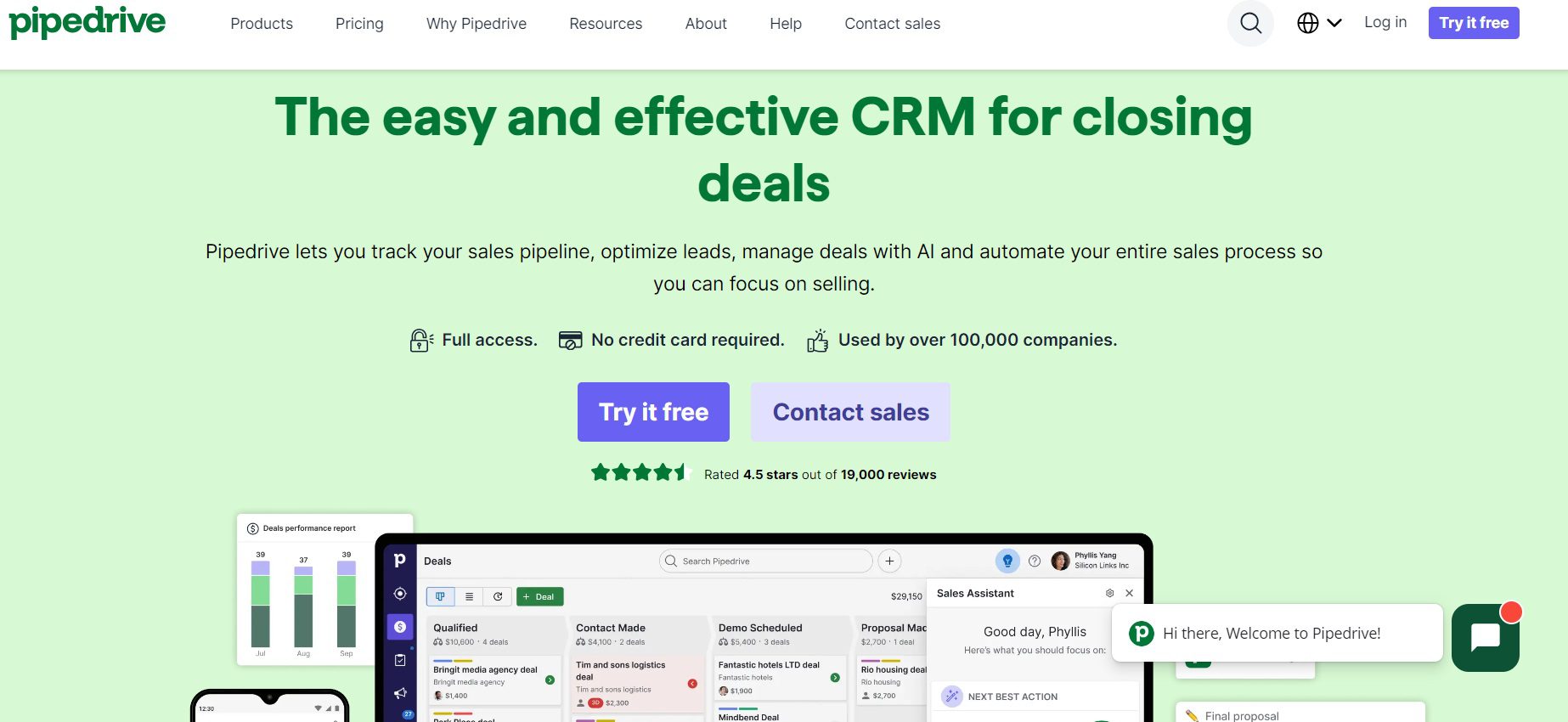
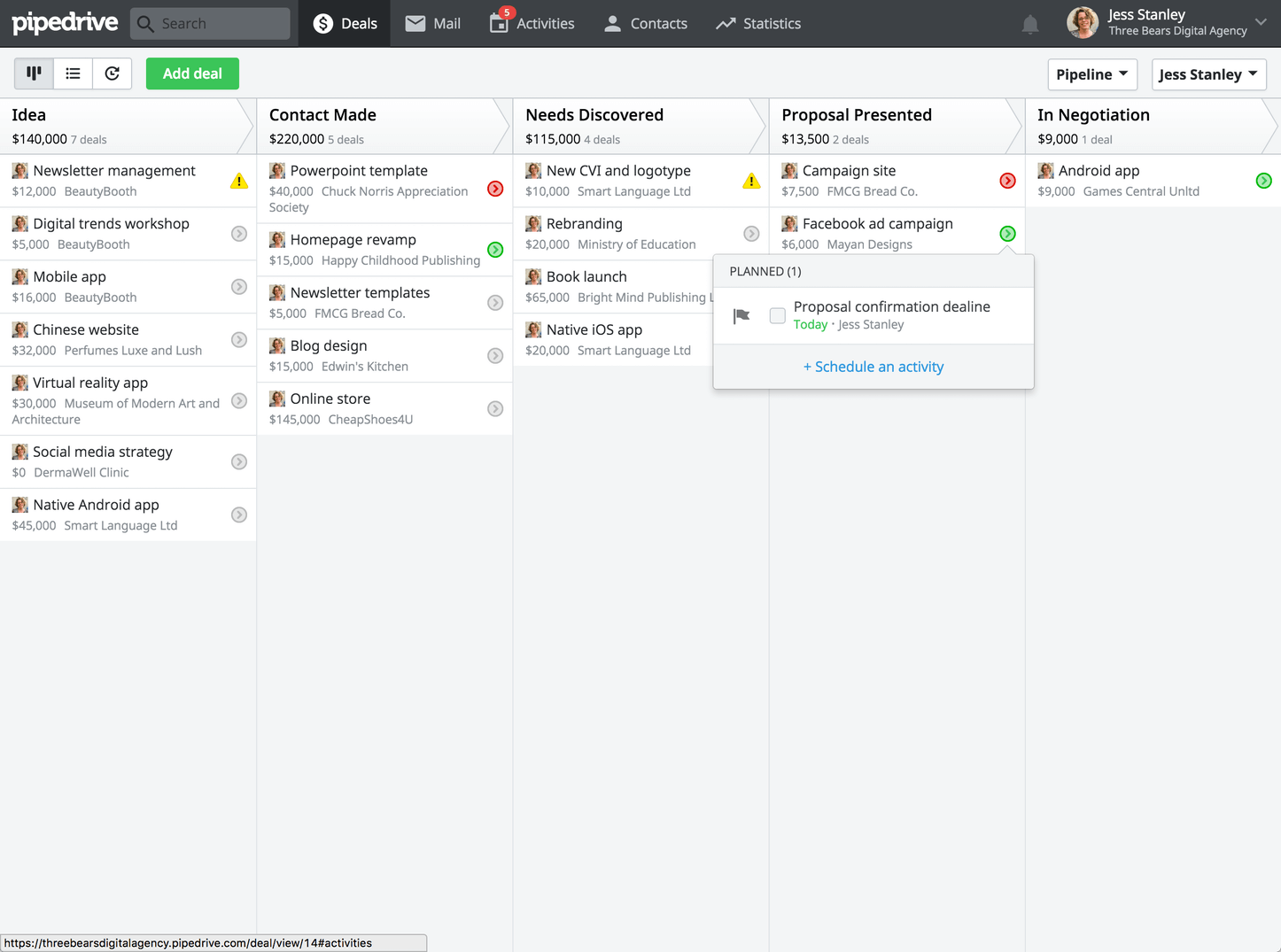
Pipedrive has long been a favorite among early-stage startups and small business sales teams. Its defining characteristic is a visual, kanban-style sales pipeline designed specifically around sales activities rather than administrative data entry. Founders and small sales teams appreciate how quickly they can map out their sales processes, drag deals across custom stages, and track calls, emails, and meetings without wading through bloated enterprise menus.
However, as startups scale or operate under strict bootstrapping constraints, Pipedrive’s per-user pricing tiers can become expensive. While its entry-level plan is competitively priced, accessing critical automation features, advanced reporting, and revenue forecasting often requires moving to higher tiers. This financial friction drives founders to search for affordable CRM software for startups like Pipedrive—platforms that retain the intuitive visual pipeline model while offering more generous pricing structures, free tiers, or comprehensive feature sets bundled into lower-cost plans.
Core Requirements for Startup CRM Software
Before evaluating specific alternatives to Pipedrive, early-stage companies must define what makes a customer relationship management tool genuinely viable for a lean startup environment. A tool that looks inexpensive on paper can quickly become a bottleneck if it lacks essential sales functionality or demands excessive manual overhead.
Visual Pipeline Management
The primary reason startups look for tools like Pipedrive is the visual pipeline. A startup CRM must allow users to view their entire sales funnel at a glance, customize deal stages to match their specific sales cycles, and identify bottlenecks quickly. Drag-and-drop functionality is virtually mandatory for maintaining team adoption.
Activity Tracking and Automation
Startups rarely have dedicated operations teams to log data manually. Effective CRM software must automate routine tasks—such as logging emails, scheduling follow-up reminders, and triggering task assignments when a deal moves to a new stage. Automation reduces human error and ensures prospects do not fall through the cracks.
Integration Ecosystem
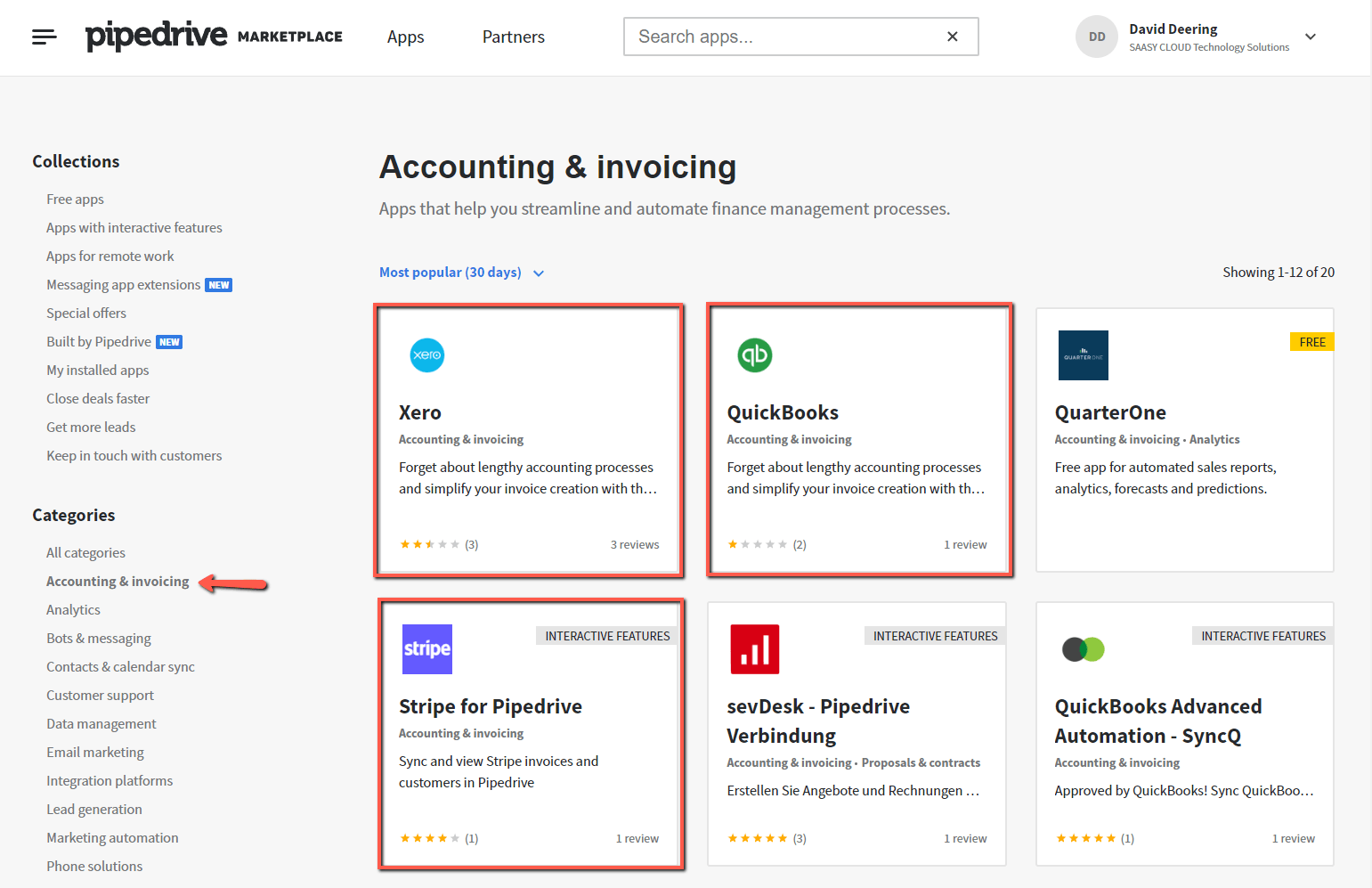
A startup’s tech stack typically includes email providers (Gmail, Outlook), calendar apps, communication tools (Slack), and invoicing software. An affordable CRM must integrate seamlessly with these everyday tools. Without robust integrations, team members spend more time moving data between systems than selling.
Scalability and Transparent Pricing
Predictable budgeting is critical for early-stage ventures. Startups must examine whether pricing is per user, per month, or flat-rate. Furthermore, administrators need to understand what features are locked behind paywalls so they do not experience sudden price hikes as their user count or database size grows.
Top Affordable CRM Alternatives to Pipedrive
Several CRM platforms replicate or expand upon Pipedrive’s core strengths while offering distinct pricing or feature advantages for startups.
1. HubSpot CRM (Free Tier & Starter Suite)
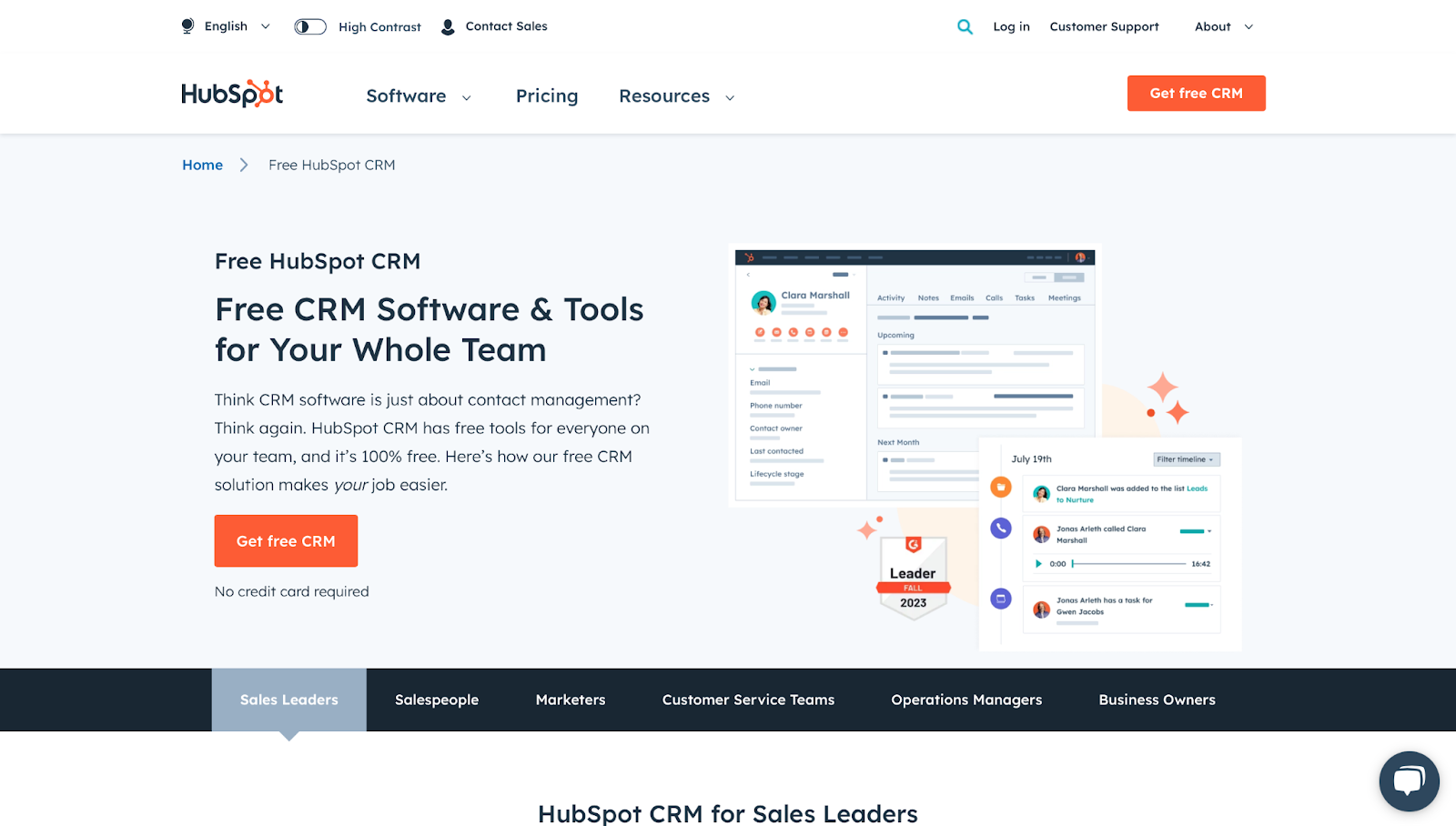
HubSpot is arguably the most prominent alternative in the startup ecosystem. Its free tier offers an expansive suite of contact management, deal pipelines, ticketing, and email tracking tools with no expiration date and no strict user limits on basic features.
- Strengths: Exceptional free tier, world-class documentation, massive integration marketplace, and a unified platform that scales from sales to marketing and customer service.
- Limitations: Advanced automation and custom reporting require upgrading to the paid Starter or Professional tiers, which can scale up rapidly in cost as contacts and users multiply.
2. Freshsales (Freshworks)
Freshsales provides a visual sales pipeline experience very similar to Pipedrive, coupled with built-in email, phone, and chat functionality. It is designed to give sales teams context without switching between multiple browser tabs.
- Strengths: Built-in telephony and email, robust AI-powered lead scoring even on lower-tier plans, and an intuitive user interface.
- Limitations: Customization of complex workflows can feel restrictive compared to higher-end enterprise tools.
3. Zoho CRM
Zoho CRM is renowned for providing deep enterprise-grade functionality at a fraction of the cost of legacy systems. For startups willing to navigate a slightly steeper learning curve, Zoho offers immense value.
- Strengths: Highly affordable paid tiers, incredible depth of features, and tight integration with the broader Zoho ecosystem of business applications.
- Limitations: The user interface can feel cluttered, and configuration requires more technical setup time than streamlined tools like Pipedrive.
4. EngageBay
EngageBay positions itself as an all-in-one marketing, sales, and service CRM built explicitly for small businesses and startups on a tight budget. It mirrors many of HubSpot’s capabilities at a significantly lower price point.
- Strengths: Very aggressive pricing, comprehensive free plan, and bundled marketing automation features.
- Limitations: The interface and reporting capabilities lack the polished user experience of more mature market leaders.
Feature and Pricing Comparison
| CRM Platform | Starting Price (Paid) | Free Tier Available? | Visual Pipeline? | Built-in Phone/Email | Best Suited For |
|---|---|---|---|---|---|
| Pipedrive | Mid-tier per user | No (Free trial only) | Yes | Email yes, Phone add-on | Sales-driven teams wanting pure pipeline focus |
| HubSpot | Low entry tier | Yes (Robust) | Yes | Email yes, Phone limited | Startups wanting an all-in-one ecosystem that scales |
| Freshsales | Low entry tier | Yes (Limited) | Yes | Yes (Phone & Email) | Teams needing built-in telephony and AI lead scoring |
| Zoho CRM | Low entry tier | Yes (Limited) | Yes | Yes | Feature-conscious startups willing to trade off UI simplicity |
| EngageBay | Low entry tier | Yes | Yes | Yes | Budget-constrained teams needing marketing and sales combined |
Key Considerations When Choosing a Startup CRM
Selecting the right platform requires looking past marketing claims and evaluating operational realities. Founders should address several practical considerations before committing credit card details to an annual subscription.
Implementation and Team Adoption
The best CRM is the one your sales team actually uses. If a platform is too complex or requires extensive training, reps will resort to spreadsheets. When testing alternatives to Pipedrive, involve the end-users in trial periods to gauge how quickly they can navigate the pipeline, log calls, and create deals.
Data Migration and Export Policies
Startups frequently switch tools as they evolve. Before importing customer lists into a new CRM, review the platform's data export policies. Ensure you can easily export your data in standard formats (such as CSV or Excel) if you decide to migrate to a different system later.
Hidden Costs and Add-ons
Base monthly subscription fees rarely tell the whole story. Review whether the platform charges extra for:
- Email integration or high-volume sending limits.
- Advanced webhooks and API access.
- Premium customer support or onboarding assistance.
- Additional storage for documents and attachments.
Common Mistakes Startups Make With CRMs
Startups often stumble during the CRM selection and implementation process due to a few recurrent missteps. Avoiding these pitfalls saves time, money, and data integrity headaches.
- Overbuying Features Too Early: Purchasing an expensive enterprise CRM because of features you might need in three years ties up vital cash flow. Start with a tool that solves today’s revenue generation problems.
- Neglecting Data Hygiene: Allowing team members to input data inconsistently ruins reporting accuracy. Establish clear naming conventions and mandatory fields for deal creation from day one.
- Ignoring Mobile Access: For startups with field sales teams or founders who pitch on the go, a poorly optimized mobile app is a dealbreaker. Always test the mobile application of your shortlisted CRM.
Conclusion and Next Actions
Finding affordable CRM software for startups like Pipedrive comes down to identifying which trade-offs your team can live with. If you want a zero-cost starting point with vast scalability, HubSpot is difficult to surpass. If you want a direct visual pipeline competitor with robust built-in communication tools, Freshsales or Zoho CRM offer incredible value.
To take action, select two platforms from this guide that align with your budget and team size. Sign up for their free trials or free tiers, import a representative sample of fifty contacts and a dozen active deals, and run a two-week test with your core sales users to verify which interface drives the highest adoption and efficiency.