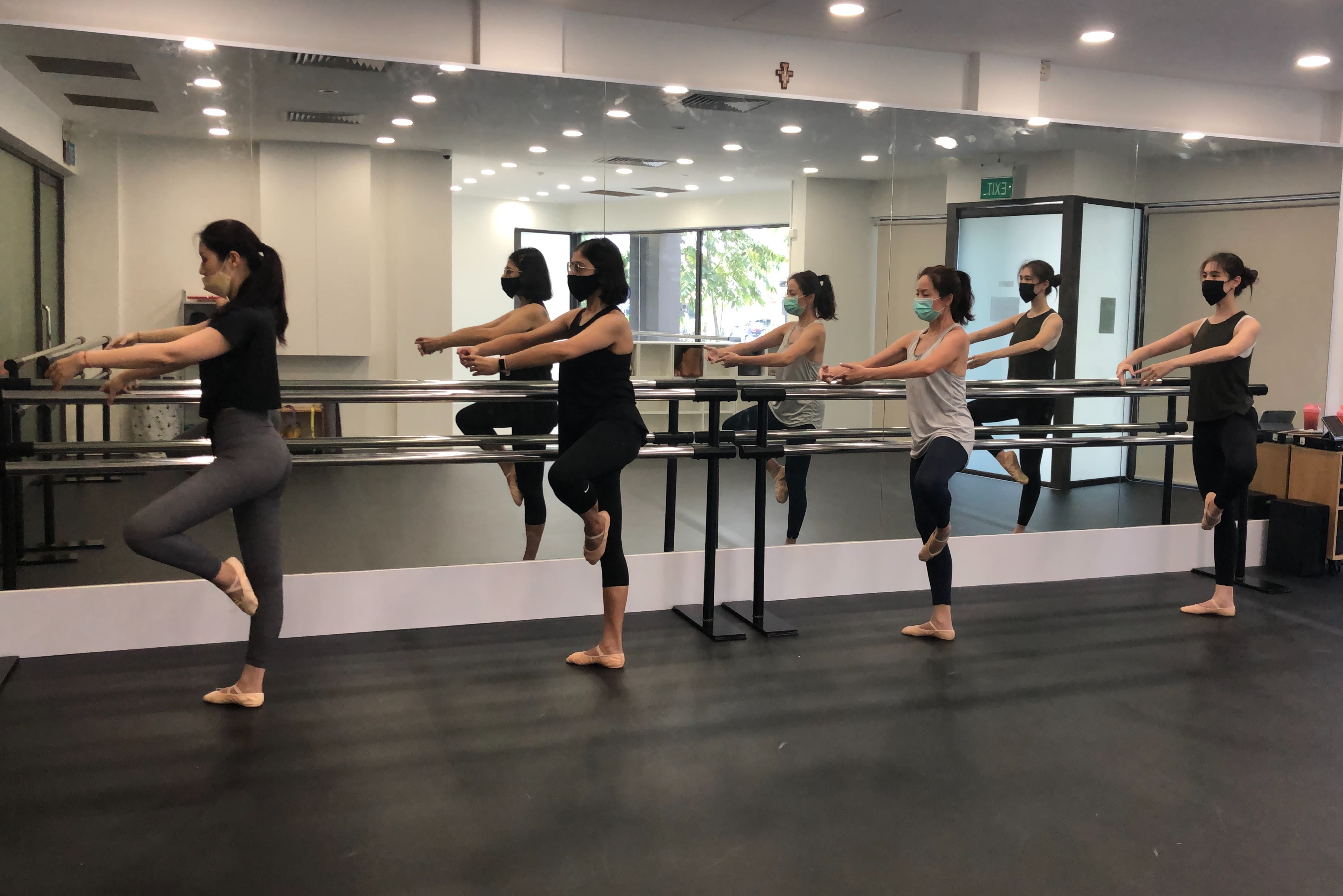
Finding the right adult ballet class in Pasadena for beginners involves choosing between structured absolute-beginner workshops and open-level drop-in classes offered by local studios, community colleges, and performing arts centers. Beginner adult ballet emphasizes proper alignment, foundational barre work, core strength, and graceful movement in an inclusive, non-competitive environment tailored for adult body mechanics.
Why Take Adult Ballet in Pasadena?
Ballet is no longer reserved exclusively for young dancers pursuing professional careers. Across Southern California, adult dance programs have expanded significantly, serving individuals who want to build physical strength, improve posture, enhance flexibility, and explore classical movement.
Taking up ballet as an adult offers distinct physiological and cognitive benefits:
- Postural Alignment and Core Stability: Ballet training relies heavily on activating the deep stabilizer muscles of the torso, including the transverse abdominis and erector spinae. Regular practice counteracts the forward-head posture and thoracic kyphosis common among desk workers.
- Functional Flexibility and Joint Mobility: Unlike passive stretching, ballet builds dynamic flexibility by strengthening muscles throughout their full range of motion, particularly around the hips, ankles, and spine.
- Cognitive Engagement: Memorizing combinations at the barre and across the floor exercises working memory, spatial awareness, and neuromuscular coordination.
- Low-Impact Cardiovascular Conditioning: While gentle on the joints compared to high-impact aerobics, sustained ballet barre and center work raises the heart rate and builds muscular endurance.
Pasadena offers a vibrant cultural landscape with several established institutions that cater specifically to adult learners, ranging from recreational drop-in studios to formal instructional programs.
Top Studios Offering Adult Beginner Ballet in Pasadena
Pasadena features several dance institutions offering dedicated adult ballet curriculum. Depending on whether you prefer a drop-in schedule or a multi-week progressive course, the following local options represent the core training grounds for adult beginners in the San Gabriel Valley.
- PASADENA ADULT BALLET OPTIONS
- Formal Studios (Drop-In/Packs)
- Pasadena Civic Ballet
- Lineage Performing Arts
- ARC Pasadena (Independent)
- Community / Ext. (Structured)
- Pasadena City College
- Local Community Centers
- Formal Studios (Drop-In/Packs)
1. Pasadena Civic Ballet (PCB)
Located on East Washington Boulevard, Pasadena Civic Ballet is one of the premier classical dance facilities in the area. PCB offers dedicated adult dance programs designed to accommodate all skill levels, including absolute beginners.
- Class Formats: Open drop-in classes, beginner technique classes, and seasonal adult workshops.
- Atmosphere: Traditional studio setting with professional sprung marley floors, full-length mirrors, and double barres.
- Best For: Dancers seeking classical technique instruction from professional faculty in a traditional environment.
2. Lineage Performing Arts Center
Lineage is a non-profit performing arts organization situated in Pasadena that emphasizes community connection, accessible arts education, and movement for all physical abilities.
- Class Formats: Community drop-in adult ballet classes ranging from introductory to intermediate levels.
- Atmosphere: Welcoming, highly supportive, and community-focused.
- Best For: Beginners looking for a relaxed, body-positive environment with a strong sense of artistic community.
3. A Center for the Arts (ARC Pasadena)
ARC Pasadena serves as a creative hub for independent dance artists and instructors who rent studio space to conduct specialized open classes and masterclasses.
- Class Formats: Varies by independent instructor; frequently hosts adult classical ballet, contemporary ballet, and stretch classes.
- Atmosphere: Artistic, independent, and studio-focused.
- Best For: Students seeking smaller class sizes or specialized instruction from independent local choreographers.
4. Pasadena City College (PCC) Community Education
Pasadena City College regularly offers non-credit community education dance courses for local residents.
- Class Formats: Multi-week structured semester courses (e.g., 6 to 8 weeks).
- Atmosphere: Academic and progressive; every student starts together on week one.
- Best For: Absolute beginners who thrive in a structured environment where curriculum builds step-by-step each week.
Anatomy of a Beginner Ballet Class
Understanding how a standard adult ballet class is structured helps reduce first-day anxiety and allows you to pace your energy effectively throughout the session. Classes typically run for 60 to 90 minutes and follow a strict, centuries-old progression.
- CLASSIC BALLET LESSON FLOW
- BARRE WORK: Builds balance, placement, & ankle strength
- CENTER WORK: Tests balance without barre support
- ADAGIO: Slow, sustained movements for control
- ALLEGRO: Small jumps & quick footwork (Petit/Grand)
- REVERENCE: Final bow/curtsy acknowledging teacher
1. The Barre (40–50 Minutes)
Every ballet class begins at the barre—a wooden or metal handrail mounted to the wall or freestanding on the floor. The barre provides physical support so you can isolate specific muscle groups, establish your alignment, and warm up your feet, legs, and core.
Exercises at the barre always proceed in a specific sequence:
- Pliés: Bending and straightening the knees to warm up the hips, knees, and ankles while establishing turn-out.
- Tendus: Extending the foot along the floor to a sharp point, strengthening the arch and toes.
- Dégagés: Disengaging the foot slightly off the floor with speed, developing foot articulation.
- Rond de Jambe: Circular movements of the leg on the floor or in the air to open the hip joint.
- Fondu & Frappé: Melting (bending on one leg while extending the other) and striking movements to build leg strength and speed.
- Grand Battements: Large leg brushes into the air to test flexibility and core control.
2. Center Work (20–30 Minutes)
After barre, dancers move to the center of the room without hand support. Center exercises adapt the concepts practiced at the barre to test self-supported balance, spatial awareness, and weight transfer.
Center work includes:
- Port de Bras: "Carriage of the arms," focusing on coordination between arm positions, head placement, and torso movement.
- Center Tendu & Adagio: Slow, sustained movements emphasizing balance on one leg, posture, and line.
- Épaulement: The stylistic positioning of the shoulders, head, and neck relative to the body.
3. Allegro and Across-the-Floor (10–15 Minutes)
Depending on the level of the beginner class, the instructor may introduce light jumping (allegro) or diagonal traveling combinations across the floor.
- Petit Allegro: Small, quick jumps such as sautés (simple bounces) or changement (switching feet in the air), emphasizing ankle articulation and soft landings.
- Across-the-Floor (Locomotor Movement): Basic traveling steps like chassé (sliding steps) or balancé (rocking waltz steps) moving diagonally from one corner of the studio to the other.
4. Révérence (2 Minutes)
Class concludes with a traditional révérence—a formal bow or curtsy executed to music. This ritual acknowledges the instructor, the pianist (if present), and fellow dancers, signaling the official end of the practice.
Basic Ballet Terminology for Adult Beginners
Ballet terminology is universal and taught in French. Beginners do not need to speak French to succeed, but recognizing core directional and movement terms accelerates learning during combinations.
| French Term | Phonetic Pronunciation | English Meaning | Practical Execution |
|---|---|---|---|
| Plié | plee-AY | Bent, bending | Bending the knees over the toes while keeping heels grounded (demi) or lifting heels in deep bend (grand). |
| Tendu | tahn-DOO | Stretched | Sliding the working foot along the floor until only the tip of the toe touches the ground. |
| Dégagé | day-gah-ZHAY | Disengaged | Brushing the foot sharply off the floor to a height of about two to four inches. |
| Relevé | ruh-luh-VAY | Raised, lifted | Pushing through the balls of the feet to lift the heels off the floor onto demi-pointe. |
| Port de Bras | por duh BRAH | Carriage of arms | Controlled movement of the arms through established classical positions (1st, 2nd, 5th). |
| Chassé | shah-SAY | Chased | A traveling step where one foot glides forward and the back foot "chases" and catches up to it. |
| Turn-out | N/A (English) | External rotation | Rotating the legs outward from the hip sockets, not forced from the ankles or knees. |
What to Wear and Bring to Your First Class
Unlike youth academy programs, adult ballet classes rarely enforce strict dress codes. The primary rule for adult attire is comfort, flexibility, and allowing the instructor to see your body alignment clearly so they can offer safe corrections.
- ADULT BALLET ATTIRE GUIDELINES
- Traditional Option
- Leotard
- Convertible tights
- Canvas ballet slippers
- Ballet skirt (optional)
- Modern Athletic
- Form-fitting tank/shirt
- Leggings / yoga pants
- Canvas ballet slippers
- Hair secured off face
- Traditional Option
Footwear: Canvas vs. Leather Ballet Slippers
Do not attend class in socks or bare feet. Socks are slippery on studio marley floors and create a fall hazard, while bare feet prevent sliding along the floor.
- Canvas Slippers: Highly recommended for adults. Canvas split-sole slippers mold quickly to the arch, are breathable, easy to wash, and allow full foot articulation.
- Leather Slippers: Durable and provide more resistance against the floor, which builds foot strength, but can feel stiffer initially.
- Sizing Note: Ballet shoes should fit snugly like a glove, without curling your toes. Street shoe sizes rarely match ballet shoe sizes; visit a local dance outfit store or measure your feet carefully according to brand size charts.
Clothing Options
- Traditional Attire: A solid-color leotard paired with convertible ballet tights and an optional chiffon pull-on skirt or trash-bag shorts.
- Athletic/Fitness Attire: High-waisted yoga leggings or fitted athletic shorts paired with a form-fitting tank top or T-shirt. Avoid baggy sweatpants or oversized hoodies, as bulky clothing obscures your spine, hips, and knees from the instructor's view.
- Undergarments: Sports bras offering medium to high support are essential. Male dancers typically wear supportive athletic briefs or a dance belt under fitted tights or shorts.
Essential Accessories
- Hair Care: Long hair should be pulled back securely away from the face and neck in a bun, ponytail, or braid so it does not distract during turns or balance exercises.
- Hydration: Bring a reusable water bottle. Most studios have refill stations.
- Warm-Up Layers: A lightweight crossover cardigan, leg warmers, or snug long-sleeve shirt can be worn during the first 10 minutes of barre and removed once muscles warm up.
Comparing Pasadena Adult Ballet Options & Costs
Pricing models for adult ballet in the Pasadena area generally fall into three categories: drop-in single rates, multi-class class cards, or fixed semester tuition.
Below is a breakdown comparing formats, pricing, and expectations across typical Pasadena options:
| Provider / Format | Typical Cost Range | Registration Model | Best Suited For | Key Advantages |
|---|---|---|---|---|
| Private Dance Studios (e.g., Pasadena Civic Ballet) | $22 – $30 per single class; $180 – $240 for 10-class pass | Drop-in or Class Card (valid 60–90 days) | Busy professionals needing schedule flexibility | High-caliber instructors, live music in select sessions, professional sprung floors. |
| Community Arts Centers (e.g., Lineage Performing Arts) | $15 – $22 per class; sliding scale available | Open drop-in / Online pre-registration | Recreational dancers & beginners seeking community | Inclusive, highly supportive atmosphere, non-intimidating environment. |
| College Extension Programs (e.g., PCC Community Ed) | $100 – $180 per 6-to-8 week term | Up-front term registration | Absolute beginners who want progressive, linear growth | Structured curriculum where every student starts together on day one. |
| Independent Studio Rentals (e.g., ARC Pasadena) | $18 – $25 per class | Direct pay to independent instructor | Dancers preferring small groups or specific teachers | Direct focus from independent choreographers, lower student-to-teacher ratios. |
Overcoming Common Beginner Challenges
Adults learning ballet face physical and mental hurdles distinct from younger students. Addressing these challenges with correct expectations ensures a safe and rewarding experience.
1. Navigating Flexibility Limits
Adult bodies have settled bone structures and mature connective tissues. Pushing for extreme flexibility—such as forcing 180-degree flat splits or deep backbends—can lead to hip labral tears or lower back strain. Focus on dynamic range of motion suitable for your anatomy. Proper turnout originates entirely from external rotation at the hip socket, never by twisting the knees or ankles.
2. Managing Turn-out Safely
A common mistake among adult beginners is forcing the feet open to 180 degrees while standing in first position. When turnout is forced from the feet rather than rotated from the deep hip flexors and rotators, severe stress is placed on the medial collateral ligament (MCL) of the knee and the plantar fascia of the foot.
Self-Check: Stand in first position and lift your toes off the floor. If your feet snap inward, your turnout is forced. Keep feet turned out only as far as your knees can track directly over your second toe when bending into a plié.
CORRECT TURN-OUT ALIGNMENT:
- Hip Joint Rotates Outward
- Knee Tracks Over Toes
- Foot Position Follows Naturally
INCORRECT (FORCED) ALIGNMENT:
- Hip Stays Neutral
- Knee Collapses Inward
- Feet Forced Outward (RISK OF INJURY)
3. Neuromuscular Memory and Coordination
Ballet requires doing several things simultaneously: holding your core tight, turning out the hips, lifting the chest, extending the arms, keeping shoulders down, and pointing the foot—all on the count of the music.
It is completely normal to feel overwhelmed during your first few weeks. Neuromuscular connections take time to develop. Focus on footwork first; arm positions (port de bras) can be added once leg patterns become familiar.
4. Muscle Soreness (DOMS)
Ballet uses intrinsic foot muscles, inner thighs (adductors), gluteus medius, and deep spinal muscles that standard workouts often miss. Expect mild Delayed Onset Muscle Soreness (DOMS) 24 to 48 hours after your first few classes. Gentle walking, hot baths, and light stretching speed up recovery.
Studio Etiquette Essentials for Beginners
Classical dance studios observe traditional etiquette designed to maintain order, safety, and respect within the space.
- Arrive 10 to 15 Minutes Early: Arriving early gives you time to change shoes, stretch, and settle mentally. Entering late disturbs class focus and increases injury risk if you miss the initial barre warmup.
- Space at the Barre: Give yourself and neighboring dancers ample room. Extend your leg fully in front and behind you to ensure you will not strike another student during combinations.
- Avoid Talking During Instruction: Pay close attention when the instructor explains or demonstrates a combination. Listen carefully to corrections given to other students; most apply to the whole room.
- Mind the Mirror: The mirror is a tool for self-correction of alignment, not for self-judgment. Avoid blocking the instructor’s or another dancer’s line of sight to the mirror when possible.
- Never Wear Street Shoes on Marley Floors: Street shoes track grit and moisture onto specialized vinyl marley floors, damaging the surface and making it slick or abrasive for dancers. Change into your ballet slippers inside the studio lobby.
Frequently Asked Questions
Can I start ballet as an adult with zero dance experience?
Yes. Absolute-beginner classes assume no prior dance background. Instructors explain foundational posture, simple terminology, and basic foot placements step-by-step.
Am I too old or insufficiently flexible to take adult ballet?
No age limit exists for adult ballet. Beginner classes cater to adults ranging from early twenties to seniors in their seventies. Flexibility is a result of consistent ballet practice, not a prerequisite for starting.
How often should an adult beginner take class?
Taking class once a week builds familiarity, but attending two classes per week significantly accelerates muscle memory, strength, and balance retention.
Is adult ballet good for weight loss?
Ballet builds lean muscle, elevates resting metabolic rate, and improves overall body composition. While it burns calories efficiently, most adult students use it primarily for functional strength, posture, flexibility, and core stability.
What is the difference between adult ballet and Barre fitness classes?
Barre fitness classes use ballet-inspired movements combined with high-repetition isometric exercises for a cardio workout, typically in a gym environment. Classical adult ballet focuses on formal technique, artistic movement, full-range movement, musicality, and classical choreography in a dance studio.
Next Steps to Begin Your Ballet Journey
To get started with beginner adult ballet in Pasadena:
- Select Your Format: Decide whether your schedule favors a flexible drop-in studio class (like Pasadena Civic Ballet or Lineage) or a fixed weekly course (like PCC Extension).
- Obtain Basic Gear: Purchase a simple pair of split-sole canvas ballet slippers and comfortable athletic wear or traditional dance attire.
- Register and Reserve Early: Many beginner classes have capacity limits to ensure adequate barre space. Reserve your spot online prior to attending.
- Commit to Three Classes: Give yourself at least three sessions to get used to the French terminology, studio etiquette, and physical demands before evaluating your progress.