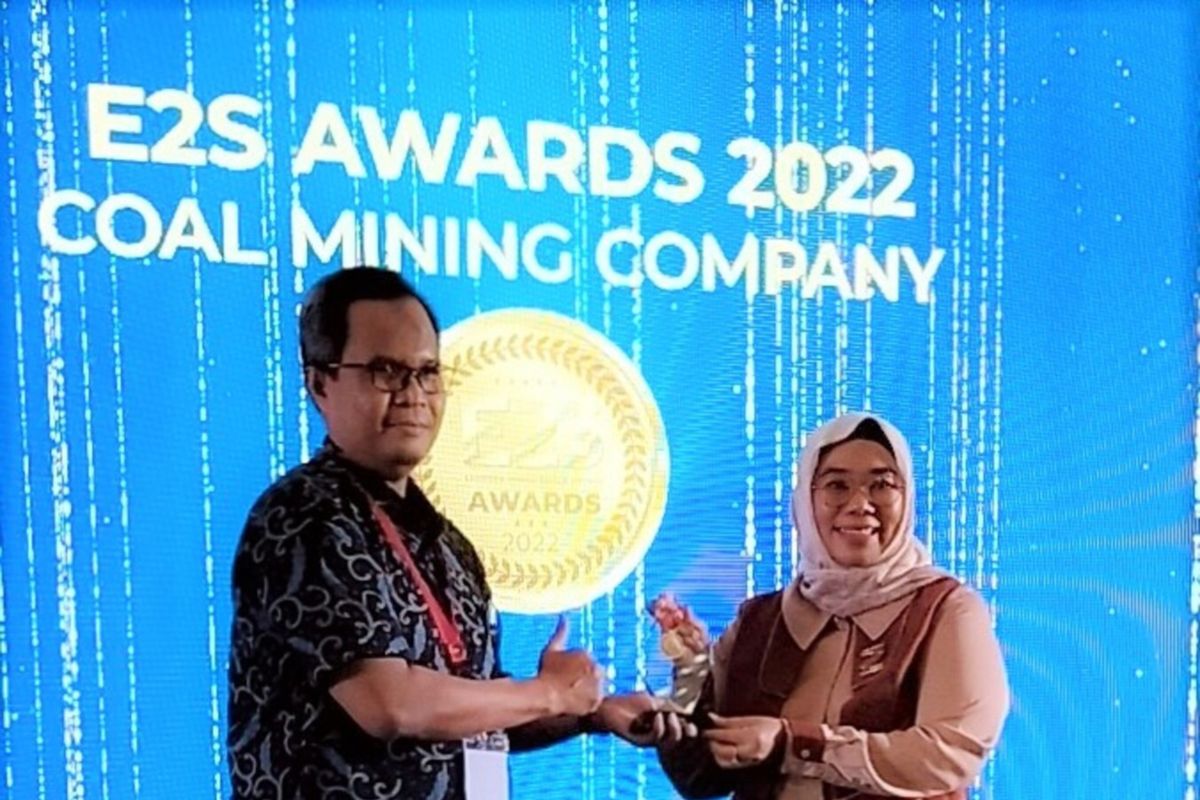
Adaro Energy Indonesia is a prominent player in the global energy sector, transitioning from a pure-play coal producer into a diversified energy conglomerate with significant assets in mining, logistics, power generation, and green technology infrastructure. For investors examining the company from a financial, operational, and strategic standpoint, understanding Adaro's vertically integrated supply chain, capital allocation strategy, and ongoing energy transition initiatives is essential for evaluating its long-term portfolio value and risk profile.
Introduction to PT Adaro Energy Indonesia Tbk
PT Adaro Energy Indonesia Tbk (ticker symbol: ADRO on the Indonesia Stock Exchange) has evolved from a single-mine coal contractor into one of the largest vertically integrated energy companies in Southeast Asia. Based in Jakarta, Indonesia, the company operates across the entire energy value chain—spanning pit-to-port mining operations, heavy transport logistics, barging and shipping fleets, coal-fired and clean energy power generation, and emerging investments in low-carbon metals like green aluminum.
For institutional and retail investors, Adaro represents a complex asset class. On one hand, its traditional thermal coal operations have historically generated robust cash flows and high dividend yields during periods of elevated global energy demand and pricing. On the other hand, global capital markets and regulatory frameworks are placing increasing pressure on fossil-fuel-reliant businesses, prompting Adaro to aggressively pivot toward renewable energy, mineral processing, and green industrial estates. Analyzing Adaro requires balancing its foundational cash-generating fossil fuel assets against its capital-intensive diversification roadmap.
Corporate History and Evolution of the Business Model
The roots of Adaro trace back to the exploitation of the vast coal deposits in the Tabalong regency of South Kalimantan. The company’s primary operating subsidiary, PT Adaro Indonesia, secured a Coal Cooperation Agreement (PKP2B) with the Indonesian government, setting the foundation for decades of large-scale extraction.
From Single-Asset Coal Miner to Integrated Energy Player
Historically, Adaro specialized in producing Envirocoal—a sub-bituminous coal characterized by exceptionally low ash, low sulfur, and low nitrogen content. This made it a preferred fuel source for power utilities striving to meet strict environmental compliance standards without sacrificing boiler efficiency.
However, recognizing the cyclicality of commodity markets and the long-term headwinds facing unabated fossil fuels, management embarked on a multi-decade vertical integration strategy. The company acquired and developed extensive logistics infrastructure—including dedicated haul roads, barging channels, and port facilities—to decouple its operating margins from third-party logistics bottlenecks. Furthermore, Adaro expanded upstream into metallurgical coal via its acquisition of Bowen Basin assets in Australia (now part of Adaro Australia) and downstream into domestic power generation, establishing independent power producer (IPP) joint ventures to secure captive offtake demand.
Core Business Pillars and Operational Segments
To evaluate Adaro accurately, investors must analyze its core operating pillars. The company structures its business into distinct operational pillars designed to capture margins across the entire energy supply chain.
- ADARO ENERGY BUSINESS
- Energy Mining
- Thermal Coal
- Met Coal
- Envirocoal
- Logistics & Power
- Coal Haul Roads
- Port Terminals
- Barging Fleet
- IPP Generation
- Green Energy
- Hydro & Solar
- Green Al Kaltara
- Energy Mining
1. Mining Operations
The mining pillar remains the primary revenue and EBITDA driver for the group. Adaro operates through several subsidiaries, most notably PT Adaro Indonesia in South and Central Kalimantan, alongside metallurgical coal assets. The mining segment benefits from low stripping ratios at key open-pit locations, though operational efficiency is heavily dependent on heavy machinery availability, fuel price fluctuations, and seasonal weather patterns in Indonesia.
2. Services and Logistics
Adaro’s competitive moat is heavily reinforced by its logistics segment, managed largely through subsidiaries like PT Adaro Logistics and PT Saptaindra Sejati (SIS), a major mining contractor. By owning and operating proprietary haul roads, crushing facilities, barge loading ports, and a massive fleet of tugs and barges, Adaro mitigates the logistical vulnerabilities that frequently plague resource extraction companies in remote regions. This vertical integration ensures a continuous flow of inventory from pit mouth to transshipment vessels.
3. Power Generation
To stabilize earnings against volatile spot coal prices, Adaro invested heavily in power generation. The company holds stakes in major baseload power projects, including the 2x1,000 MW Central Java coal-fired power plant (Batang project) through PT Bhimasena Power Indonesia, as well as mine-mouth power plants in Kalimantan. While these assets provide steady, long-term cash flows backed by long-term power purchase agreements (PPAs) with Indonesia's state-owned electricity utility, PLN, they are also central to the company's long-term decarbonization challenges.
4. Adaro Green Energy and Mineral Processing
Representing the future vector of the company, Adaro Green Energy (AGE) and its industrial estate initiatives focus on renewable power deployment (such as hydro and solar) and mineral downstreaming. A landmark project in this pillar is the development of the PT Kalimantan Aluminum IndustRI facility in the Mentarang industrial zone, North Kalimantan, which aims to produce green aluminum powered by hydroelectric energy. This transition aligns with Indonesian government policies mandating domestic value addition for natural resources.
Financial Performance and Shareholder Return Policies
Investor sentiment toward Adaro is frequently shaped by its capital allocation discipline, balance sheet strength, and dividend history.
Revenue Drivers and Cash Flow Dynamics
Adaro’s top-line financial performance correlates directly with international benchmark coal prices (such as the Newcastle index and Indonesian Coal Index). During periods of global energy crunches, the company has historically posted record net profits, significantly deleveraging its balance sheet and accumulating substantial cash reserves. Conversely, during downcycles, management has demonstrated agility by scaling back capital expenditures and optimizing operational costs.
Dividend Policy and Yield
Adaro is widely recognized by income-focused investors for its regular dividend distributions. Following windfall earnings years, the company has frequently supplemented its regular dividend payouts with substantial special dividends. For investors, this provides an attractive near-term cash yield, though total return calculations must account for the structural commodity cycle and the capital expenditure requirements needed for the green transition.
Key Investment Metrics and Risk Factors
Before allocating capital, investors must weigh several critical operational, regulatory, and macroeconomic risk factors against the company's valuation and growth prospects.
| Risk Category | Specific Factor | Potential Impact on Investment |
|---|---|---|
| Regulatory & Policy | Indonesian domestic market obligations (DMO) and export levies | Price caps on domestic coal supply can temporarily compress operating margins when global prices are high. |
| Transition Risk | Global decarbonization and ESG capital mandates | Institutional divestment from fossil fuels can compress valuation multiples (P/E ratios) relative to pure-play renewable peers. |
| Commodity Volatility | Cyclical fluctuations in thermal and metallurgical coal prices | Direct exposure to macro-driven energy demand shifts, impacting quarterly EBITDA and free cash flow generation. |
| Geopolitical & Trade | Shift in import policies by major buyers (e.g., China and India) | Changes in bilateral trade agreements or domestic production quotas in importing countries can alter export volumes. |
Environmental, Social, and Governance (ESG) Considerations
For modern institutional portfolios, ESG compliance is a decisive factor. Adaro has faced scrutiny from international sustainability funds due to its heavy reliance on coal mining and coal-fired power generation. In response, management has articulated a clear sustainability framework, pledging to reduce greenhouse gas emissions intensity, expand renewable energy investments, and achieve net-zero operational emissions by specified future milestones. Investors must continually evaluate whether these green transition expenditures are executed rapidly enough to satisfy evolving global ESG screening criteria.
Frequently Asked Questions for Investors
What is Adaro's primary revenue source?
Adaro's primary revenue source is thermal coal mining and sales, supplemented by metallurgical coal, mining contracting services, logistics and shipping operations, and electricity generation through independent power producer assets.
How does Adaro approach shareholder returns?
Adaro maintains a consistent dividend policy, often distributing a significant percentage of its net income as dividends. In years with robust commodity pricing, the company has frequently issued special dividends to distribute excess liquidity to shareholders.
What is the Adaro Green Energy strategy?
Adaro Green Energy is the corporate vehicle through which the company is scaling up investments in renewable power sources—such as hydroelectricity and solar power—and supporting the development of green industrial ecosystems, including low-carbon aluminum smelting in North Kalimantan.
How does Indonesia's Domestic Market Obligation (DMO) affect Adaro?
The DMO requires Indonesian coal producers to allocate a specific percentage of their production to domestic power utilities at capped prices. When international coal prices surge significantly above the DMO price cap, this policy creates a margin squeeze on the portion of output sold domestically.
Is Adaro exposed to foreign exchange risks?
Yes. While Adaro reports its financial statements in United States Dollars (USD) and sells the majority of its export coal in USD, it incurs various operational costs in Indonesian Rupiah (IDR) and other currencies, creating transactional and translational foreign exchange exposure.
Conclusion and Strategic Next Actions for Investors
Adaro Energy Indonesia presents a compelling dichotomy for investors: it offers strong near-term cash generation and attractive dividend yields anchored by conventional coal assets, while simultaneously attempting a capital-intensive structural pivot toward green energy and industrial downstreaming.
Investors evaluating ADRO stock should review the company’s latest quarterly financial reports, monitor updates on the execution timeline of its North Kalimantan green aluminum and hydro projects, and assess how management balances high dividend payouts with capital expenditure demands for the energy transition. Conducting a thorough portfolio risk assessment regarding fossil fuel exposure and tracking regulatory shifts in Indonesian mining laws remain vital steps before executing any investment decision.