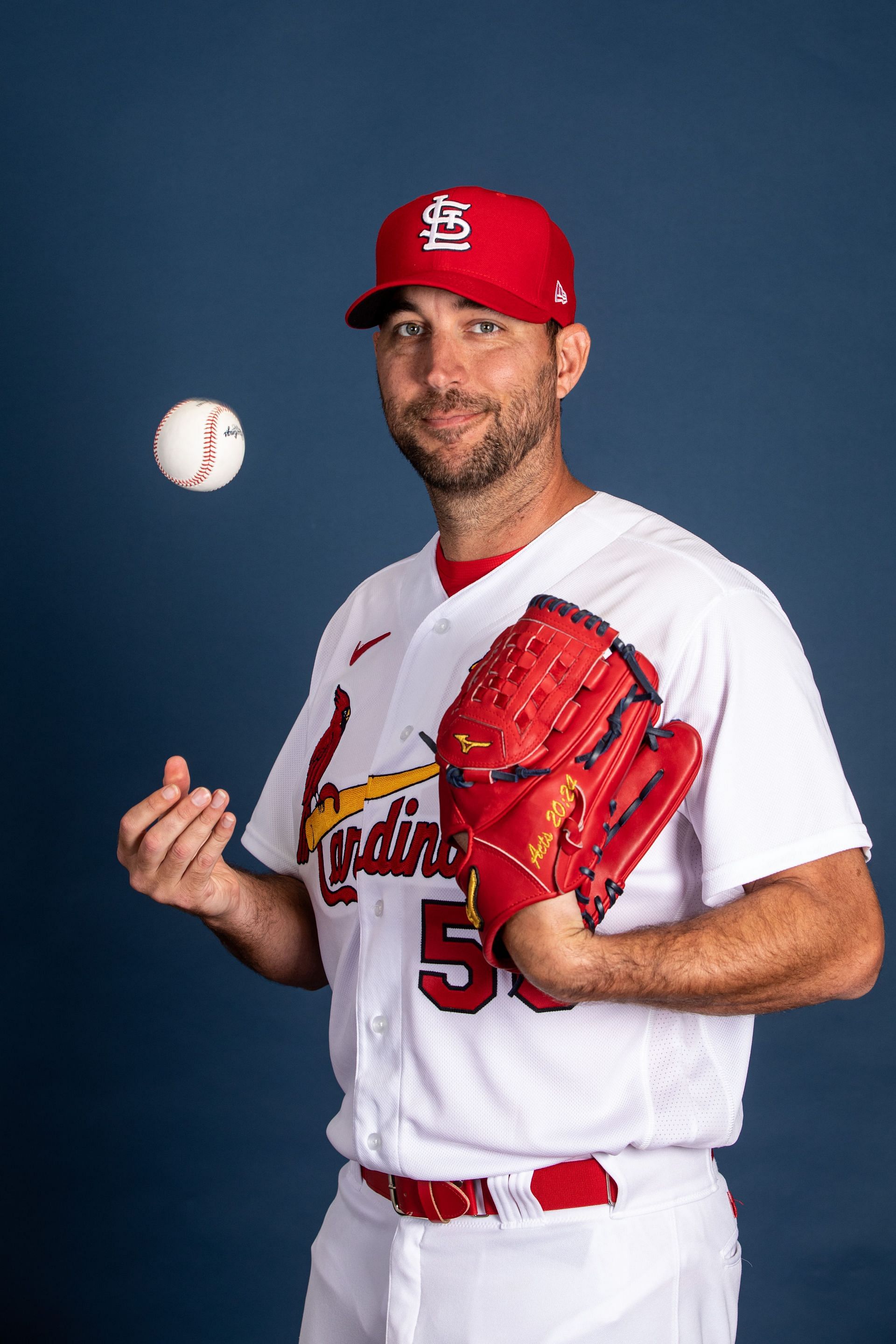
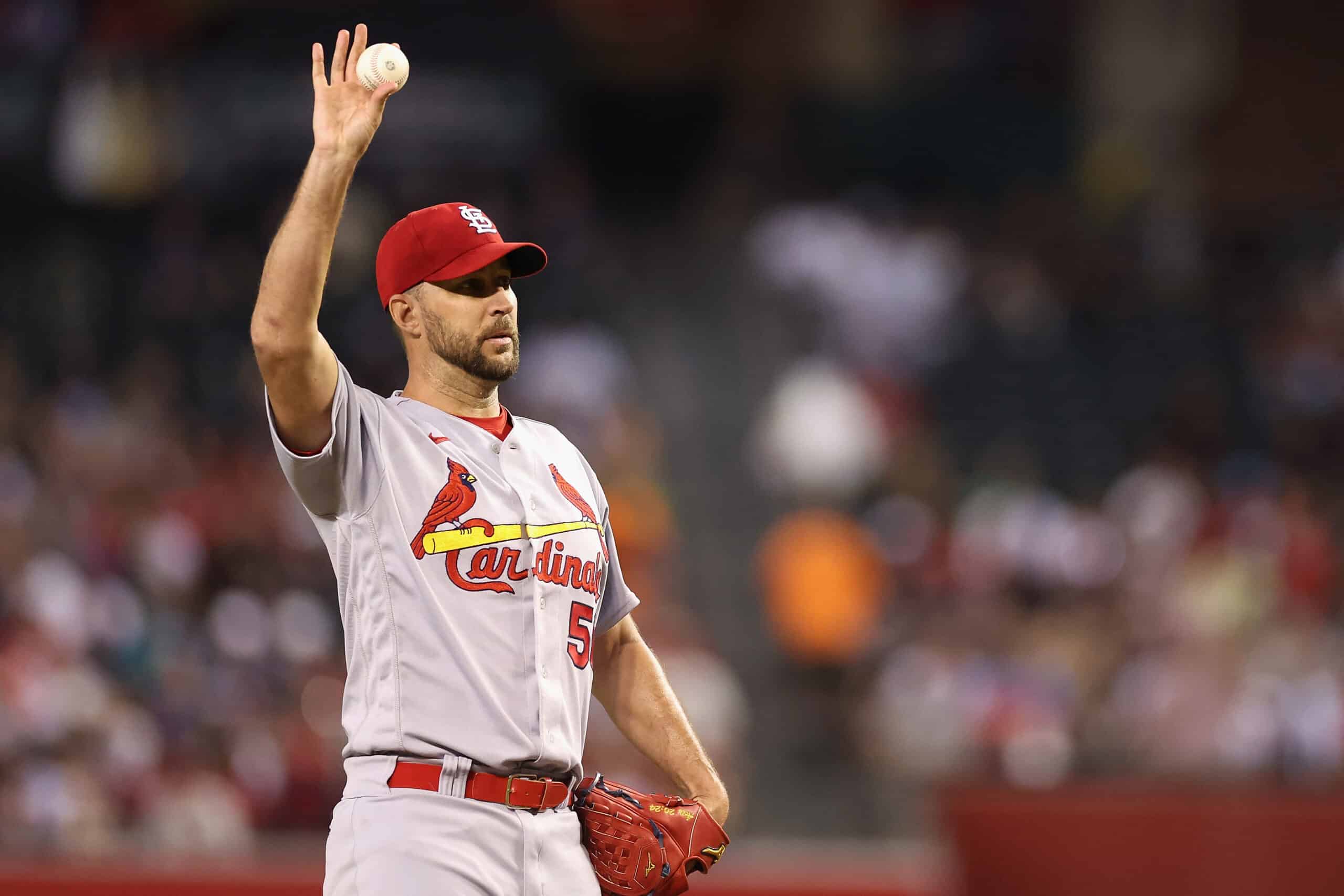
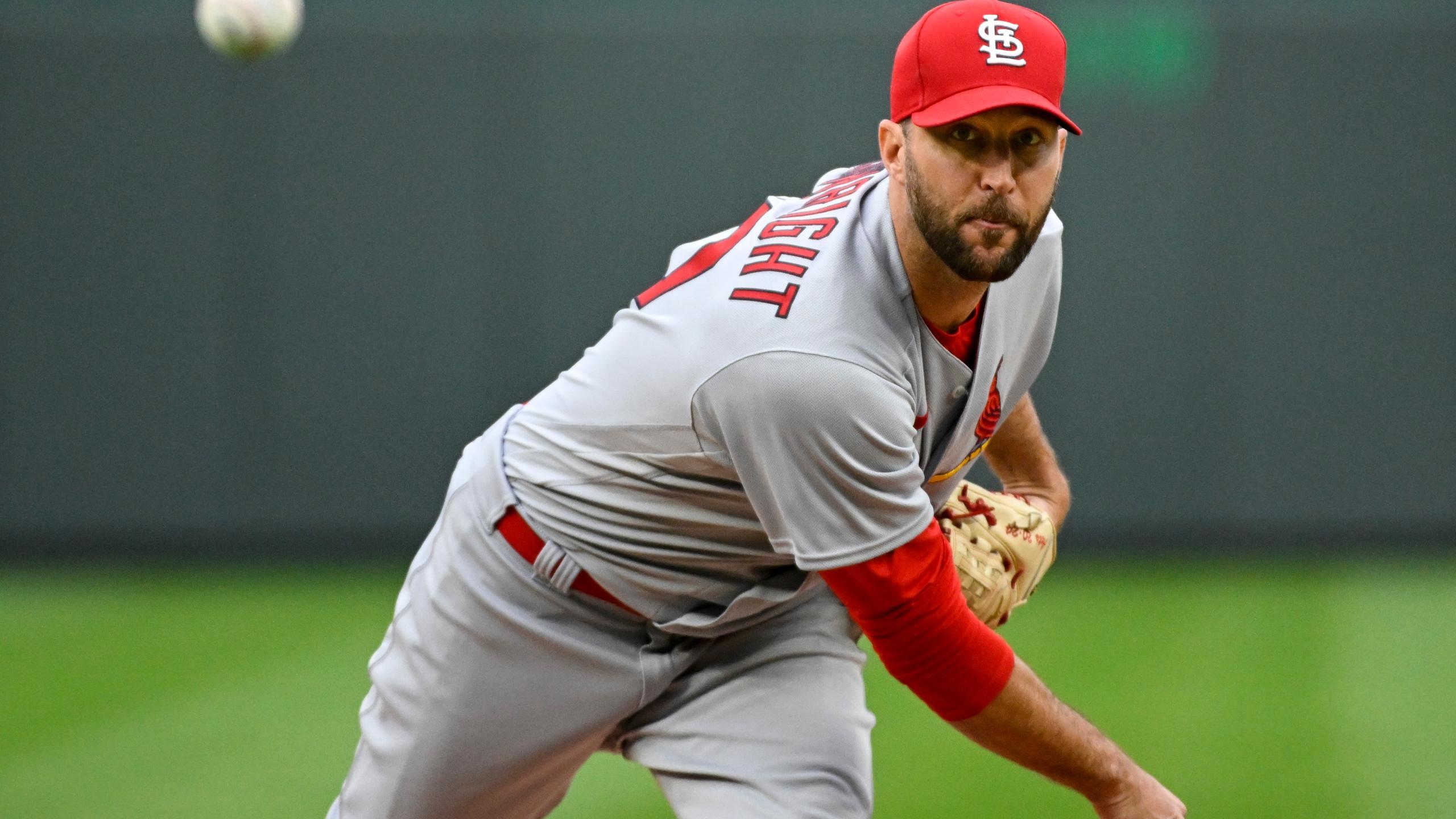
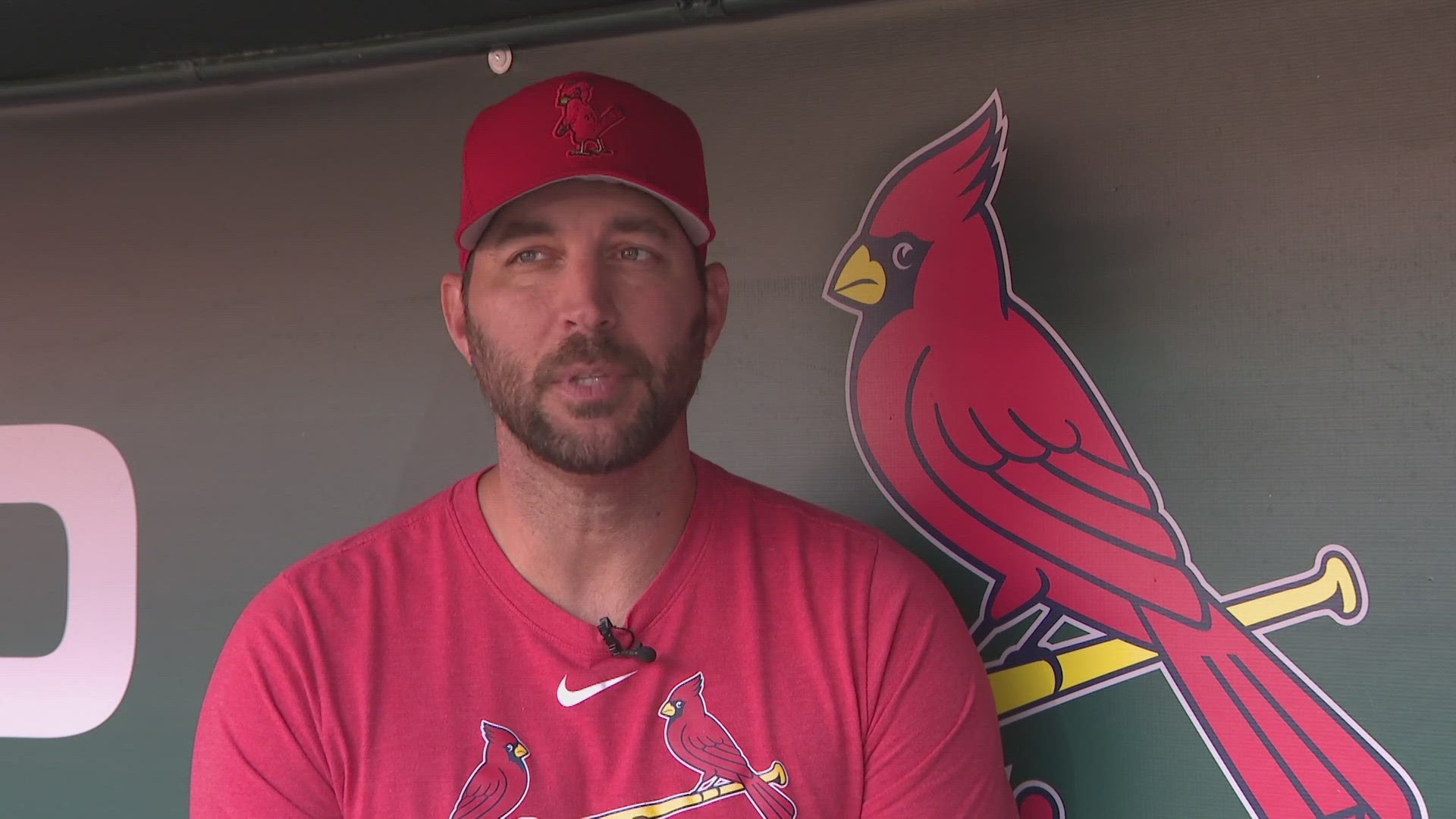
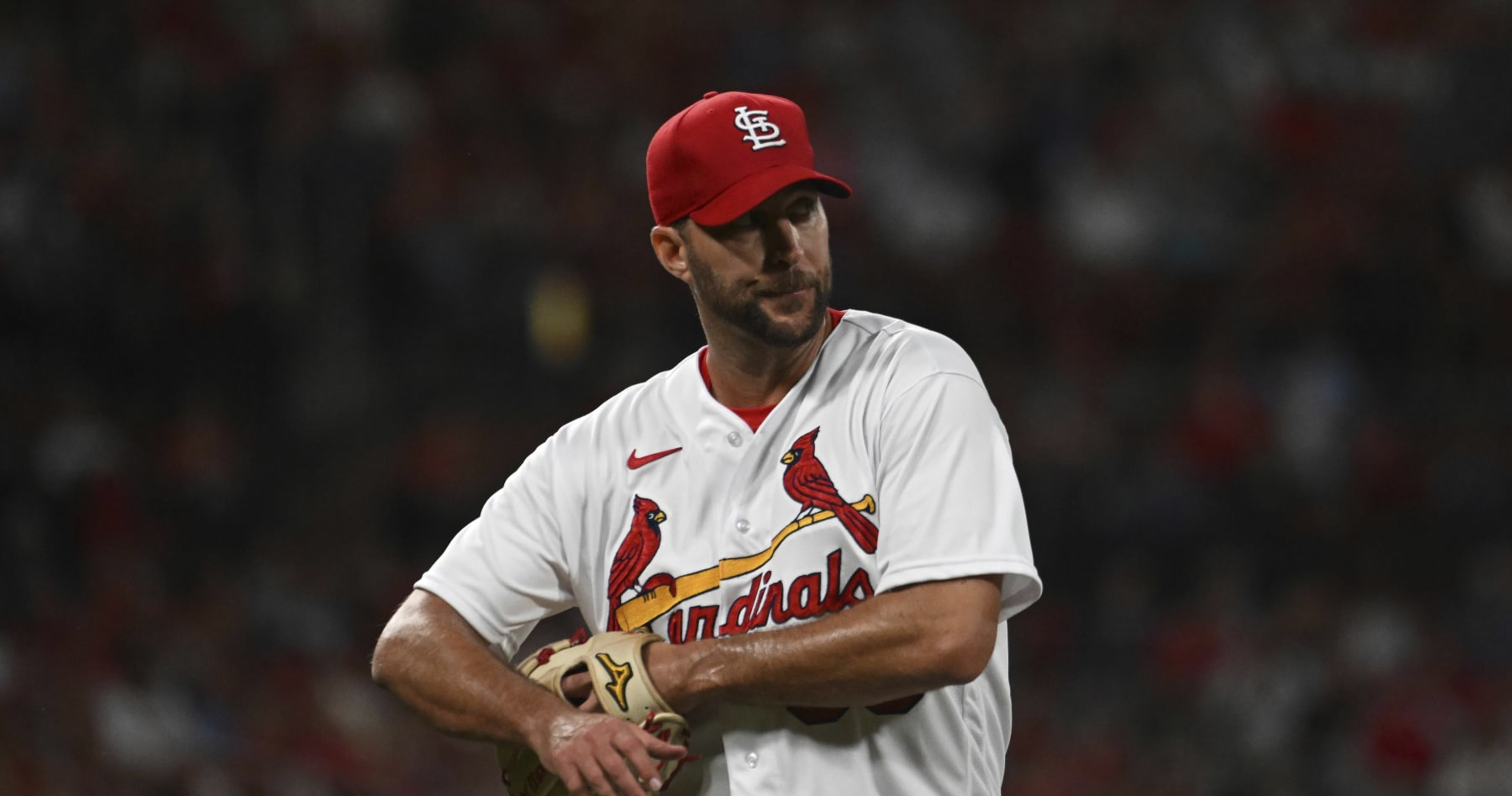
Adam Wainwright is a co-owner of the Springfield Lucky Horseshoes, a collegiate summer baseball team competing in the Prospect League. Since acquiring an ownership stake in early 2022, Wainwright has transitioned from a legendary St. Louis Cardinals pitcher to a strategic business leader, leveraging his brand to revitalize local sports and community engagement in the Illinois capital.
The Transition from the Mound to the Front Office
For nearly two decades, Adam Wainwright was the face of the St. Louis Cardinals pitching staff. Known affectionately as "Uncle Charlie," his retirement after the 2023 season marked the end of an era on the field but the beginning of a sophisticated multi-hyphenate career. While many retired athletes pivot exclusively to broadcasting or coaching, Wainwright’s decision to become a co-owner of a baseball franchise represents a deeper commitment to the business of the sport.
As of 2026, Wainwright’s portfolio has expanded beyond the Springfield Lucky Horseshoes, yet his involvement with this specific team remains his most prominent ownership role. This move was not merely a vanity project; it was a calculated entry into the world of sports management and minor league economics.
The acquisition occurred in February 2022, while Wainwright was still active in his playing career. He joined an ownership group led by experienced sports executives, including Jeff Dickerson and TJ Fletcher of Spire Sports + Entertainment, as well as Chief Executive Officer Jamie Toole. By joining this group, Wainwright provided the "Star Power" necessary to rebrand a struggling franchise and reconnect it with a passionate Midwestern fan base.
The Springfield Lucky Horseshoes: A Strategic Asset
The Springfield Lucky Horseshoes, based in Springfield, Illinois, play in the Prospect League. This league serves as a developmental ground for collegiate players looking to catch the eye of MLB scouts while maintaining their college eligibility. For an owner like Wainwright, the appeal of the Prospect League lies in its grassroots connection and lower barrier to entry compared to Triple-A or Major League franchises.
Rebranding and Cultural Impact
Before Wainwright’s involvement, the team was known as the Springfield Sliders. The rebranding to the Lucky Horseshoes (often shortened to the "Shoes") was a masterclass in regional marketing. The name pays homage to the "Horseshoe" sandwich, a culinary staple unique to Springfield.
Wainwright’s role as a co-owner was pivotal during this transition. His credibility allowed the team to secure local sponsorships that had previously remained untapped. In the world of collegiate summer ball, revenue is driven primarily by:
- Ticket Sales: Attracting families with affordable, high-energy entertainment.
- Concessions: Maximizing the "food as an event" philosophy.
- Merchandise: Leveraging the unique "Shoes" branding across the Midwest.
- Sponsorships: Connecting local businesses with the trusted Wainwright name.
Operational Philosophy
Wainwright’s ownership style is characterized by "community-first" operations. He has frequently emphasized that his goal is to provide a platform for young players to reach the next level while giving fans a Major League-quality experience in a local setting. This involves overseeing investments in Robin Roberts Stadium, the team's home field, ensuring that the facility meets modern standards for both player development and fan comfort.
The Economics of Collegiate Summer Baseball Ownership
Owning a team in the Prospect League differs significantly from owning a professional minor league affiliate. In the Prospect League, owners are responsible for all operating costs, including travel, coaching staff, and stadium maintenance, but they do not pay player salaries (as the players are amateurs).
Revenue Streams and Challenges
For the ownership group including Wainwright, the financial success of the Lucky Horseshoes depends on a short, high-intensity summer window. Typically, the season runs from late May through early August. This requires a robust marketing strategy to ensure the stadium remains at capacity during the limited number of home games.
| Revenue Category | Primary Drivers | Wainwright's Influence |
|---|---|---|
| Gameday Revenue | Tickets, Beer, Local Food | Increases attendance through "Owner Nights" and appearances. |
| Merchandise | Hats, Jerseys, Unique Branding | National recognition via Wainwright’s social media and MLB network. |
| Sponsorships | Field naming rights, Outfield banners | High-level networking with corporate partners. |
| Media Rights | Streaming and local broadcasts | Enhanced visibility for a collegiate-level league. |
Strategic Partnerships
Wainwright has successfully integrated his ownership with his philanthropic work through Big League Impact, a non-profit he founded. By hosting charity events at Robin Roberts Stadium, he creates a synergy between his business interests and his humanitarian goals. This "double bottom line" approach—focused on both profit and social impact—has become a hallmark of his post-retirement business identity.
Why Adam Wainwright Chose Springfield
The geographic proximity to St. Louis was a primary factor in Wainwright’s decision to invest in Springfield. Located just 90 miles north of Busch Stadium, Springfield is deep in the heart of "Cardinals Country."
- Fan Demographics: The majority of baseball fans in central Illinois grew up watching Wainwright pitch. This built-in loyalty translated immediately into ticket sales for the Lucky Horseshoes.
- Legacy Building: By investing in the region where he spent the bulk of his professional life, Wainwright has solidified his legacy as a pillar of the community, not just a transient athlete.
- Market Potential: Springfield is a state capital with a stable economy and a lack of competing professional sports teams during the summer months, providing a "captured market" for the Lucky Horseshoes.
Comparing Wainwright to Other Athlete-Owners
Wainwright joins an elite group of athletes who have moved into team ownership. However, his approach is distinct from the billionaire-level acquisitions of figures like Michael Jordan or Derek Jeter.
- The "Hands-On" Model: Unlike some celebrity owners who are rarely seen at the ballpark, Wainwright is known for being present. He has been seen coaching from the dugout, participating in pre-game ceremonies, and even helping with field maintenance.
- The "Community" Model: His focus is on the "Prospect" level. This allows for a more intimate connection with the players. He often shares his 18 years of MLB experience directly with the collegiate athletes on the roster, adding value that money cannot buy.
In 2026, we see that this model has influenced other retired MLB players to look at collegiate summer leagues as viable investment opportunities. The "Wainwright Model" proves that an athlete’s brand can be more effective in a small-to-mid-sized market than as a minority stake in a massive, multi-billion dollar franchise.
The Future of Wainwright’s Ownership Portfolio
As we look at Wainwright’s status in 2026, it is clear that the Lucky Horseshoes were just the beginning. There is ongoing speculation regarding his interest in expanding into other sports-related ventures, including:
- Regional Sports Networks: Given his success in broadcasting, there are rumors of Wainwright taking an equity stake in a media production company.
- Real Estate Development: Many team owners use the stadium as an anchor for surrounding real estate development, including "Ballpark Villages" that offer retail and residential options.
- Expansion Teams: There is potential for the Lucky Horseshoes ownership group to acquire or start franchises in other summer leagues across the country.
Wainwright's transition to a successful co-owner highlights a shift in how modern athletes manage their "Second Act." He has moved beyond the endorsement-only model, opting instead for equity and operational control.
Frequently Asked Questions
Does Adam Wainwright own the Springfield Lucky Horseshoes?
Yes, Adam Wainwright is a co-owner of the Springfield Lucky Horseshoes. He joined the ownership group in early 2022 alongside executives from Spire Sports + Entertainment. He is not the sole owner but is a highly active and visible member of the leadership team.
What league do the Springfield Lucky Horseshoes play in?
They play in the Prospect League, which is a premier collegiate summer baseball league. The league features 18 teams across the Midwest and South, providing a wood-bat environment for college players to develop their skills during the off-season.
How did Adam Wainwright become a team owner while still playing?
Wainwright utilized his personal capital and brand equity to join an existing investment group (led by Jeff Dickerson and Jamie Toole) that was looking to revitalize the Springfield franchise. MLB rules generally allow players to own interests in minor league or collegiate-level teams, provided there is no conflict of interest with their active MLB contract.
Where do the Springfield Lucky Horseshoes play?
The team plays at Robin Roberts Stadium in Springfield, Illinois. Under Wainwright’s co-ownership, the stadium has seen several upgrades to improve the fan experience and provide better facilities for the athletes.
Is Adam Wainwright involved in other businesses?
Beyond his role as a team owner, Wainwright is a broadcaster for major networks, a country music artist with a released album, and the founder of the non-profit Big League Impact. He also maintains various investment interests in sports technology and regional real estate.
What is the goal of Wainwright's ownership?
His primary goals are to revitalize baseball in the Springfield area, provide a high-quality developmental platform for collegiate players, and create a family-friendly entertainment venue that serves the community. He has often stated that ownership allows him to stay connected to the game he loves while making a tangible impact on the next generation of players.
Expert Recommendation for Fans and Investors
For those looking to follow in the footsteps of an athlete-owner like Wainwright, the key takeaway is the importance of local relevance. Wainwright did not invest in a random market; he invested in a community that already held him in high regard.
If you are a fan or a local business owner in the Springfield area, the best way to interact with Wainwright’s venture is through the Shoes' community events. These games often feature appearances by former MLB players and offer a level of access that is impossible at the Major League level. For potential investors, the "Prospect League model" serves as a case study in how branding and community engagement can turn a struggling local asset into a thriving regional landmark.