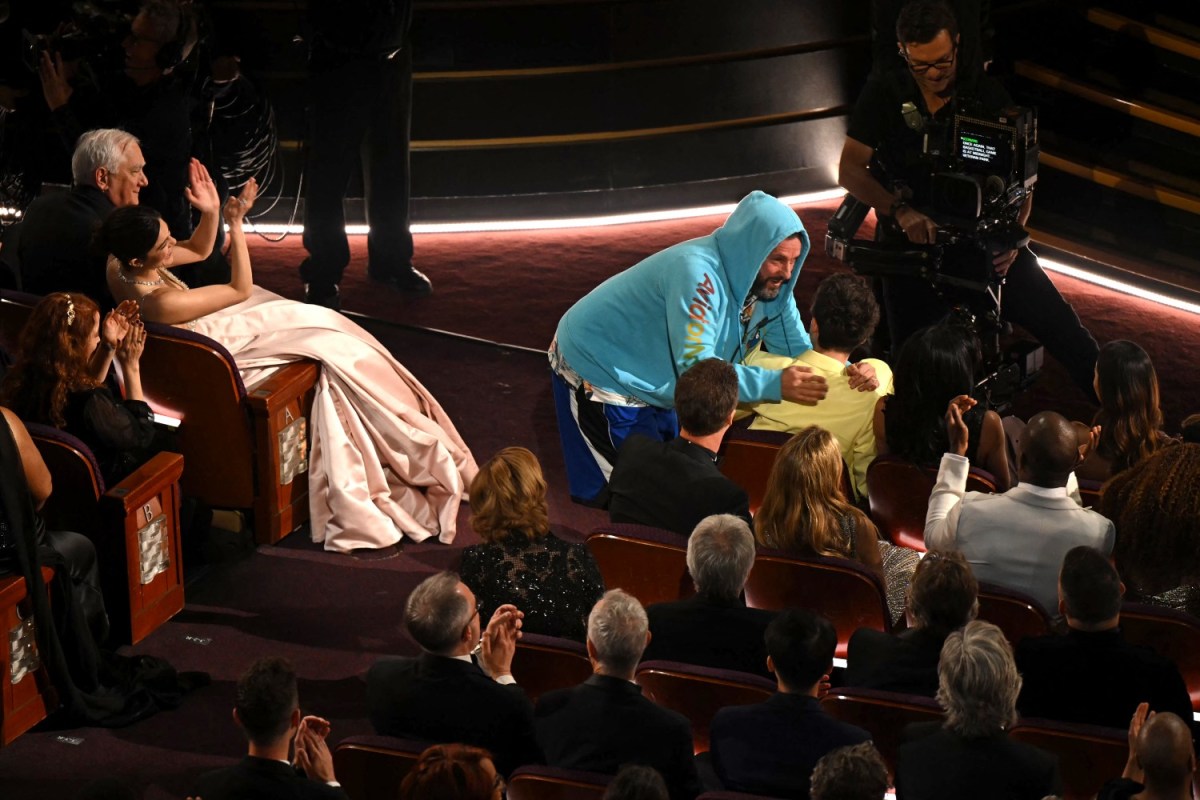
Adam Sandler and Timothée Chalamet represent two distinct, yet equally influential, archetypes of Hollywood success. While their careers reflect different eras, training backgrounds, and artistic trajectories, both actors have become cornerstones of the modern film industry. As of 2026, their respective paths offer a comprehensive look at how talent, brand management, and genre versatility function within the evolving landscape of global cinema, from traditional studio blockbusters to the rise of prestige streaming productions.
The Evolution of the Hollywood Star System
The concept of a "movie star" has undergone a radical transformation over the last three decades. In the 1990s and early 2000s, stardom was often defined by consistency, box-office reliability, and the ability to carry high-budget studio comedies or action films. Adam Sandler emerged as a defining figure of this era, leveraging his background in sketch comedy to build a vertically integrated career through his production company, Happy Madison Productions.
Conversely, Timothée Chalamet represents the contemporary model of the "prestige star." His rise is characterized by early critical acclaim in independent dramas, followed by strategic transitions into massive, visually ambitious spectacles. Where Sandler’s career was built on the foundation of audience familiarity and brand loyalty across domestic cable television and VHS/DVD markets, Chalamet’s stardom is inextricably linked to the globalized, social-media-driven era where international box office performance and cultural cachet in the fashion and auteur-driven film communities dictate career longevity.
Adam Sandler: The Architect of Genre Consistency
Adam Sandler’s influence on Hollywood is often understated by critics but undeniable in its reach. Since the mid-1990s, he has maintained a rare level of creative autonomy. By establishing Happy Madison Productions early in his career, he secured the ability to develop projects that catered directly to his specific comedic voice, rather than waiting for external scripts.
The "Sandler Model" is predicated on a specific relationship with his audience. His films often revolve around themes of man-children learning lessons, blue-collar struggles, or chaotic ensemble farces. This predictability served as a strength, creating a reliable product for studios like Sony and, eventually, a groundbreaking partnership with Netflix. In 2026, Sandler remains one of the most bankable names in streaming. His transition into "prestige" roles—such as in Uncut Gems and Hustle—has demonstrated that his comedic persona is a tool he can manipulate to highlight vulnerability and tension, rather than a limiting factor.
Timothée Chalamet: The Multi-Hyphenate Auteur Choice
Timothée Chalamet’s career trajectory is a study in precise curation. Following his breakthrough in Call Me by Your Name (2017), he avoided the common pitfalls of young stardom—specifically, the rush to sign on to multiple cookie-cutter franchises. Instead, he balanced high-art festival favorites with occasional, carefully selected tentpole films.
Chalamet’s position in Hollywood as of 2026 is defined by his collaborative relationships with visionary directors like Denis Villeneuve and Greta Gerwig. By associating himself with high-quality, craft-focused projects, he has established himself as a "serious" actor capable of anchoring epic narratives. His appeal is broad, capturing both the "arthouse" demographic and the massive, younger global audience that tracks his aesthetic influence, which spans beyond film into high-end fashion and digital discourse.
Comparative Analysis: Strategies for Success
To understand how these two performers operate in Hollywood, it is helpful to categorize their approaches to industry standards, risk management, and audience engagement.
| Feature | Adam Sandler | Timothée Chalamet |
|---|---|---|
| Primary Career Foundation | Sketch Comedy / Television | Independent Drama / Theater |
| Production Model | Self-Produced (Happy Madison) | Collaborator with Auteur Directors |
| Key Market | Global Streaming / Comedy Fans | Theatrical Blockbusters / Gen Z |
| Artistic Flexibility | High (Comedy to Dramatic Indie) | Emerging (Period pieces to Epics) |
| Brand Identity | Relatable, consistent, "Everyman" | Ethereal, stylistic, "Leading Man" |
Prerequisites for Modern Hollywood Stardom
For an aspiring actor, studying the careers of Sandler and Chalamet reveals that there is no singular path to success. However, certain prerequisites are common to both.
- Ownership of Material: Sandler’s success was cemented by his production company. Taking control of what scripts are greenlit is the ultimate insurance against the fluctuations of the studio system.
- Strategic Association: Chalamet’s rapid ascent was bolstered by working with established, respected filmmakers. Aligning with directors who have a "vision" ensures that an actor’s performance is framed within a high-quality product.
- Audience Diversification: Both stars have successfully moved beyond their initial niches. Sandler proved he could lead intense dramas, while Chalamet has proven he can carry massive international IP (Intellectual Property) films without sacrificing his credibility as a dramatic performer.
Navigating the Current Streaming vs. Theatrical Climate
As of 2026, the divide between streaming and theatrical distribution is less rigid than it was in the early 2020s. Both actors have navigated this shift with different tactics. Sandler leaned heavily into the streaming model, essentially treating Netflix as his own personal studio, which provided him with a massive, consistent audience that does not rely on opening-weekend box office numbers.
Chalamet, conversely, has thrived in the "event cinema" space. His work on large-scale theatrical releases serves as a cultural anchor. In the current market, theaters require massive draws to fill seats, and Chalamet’s presence is currently viewed as a premium asset for high-budget productions. Understanding this distinction is vital: Sandler commoditized his brand to ensure constant visibility, while Chalamet treats his image as a scarce resource, making his theatrical appearances more significant.
Common Pitfalls and Troubleshooting a Career
Even at the heights of their success, both actors have faced criticism and professional hurdles. For Sandler, the recurring challenge has been critical dismissal of his "slapstick" work. His solution—often cited by industry analysts—was to ignore the critics and double down on the audience that loved his work, while occasionally interspersing high-brow projects to reset his critical reputation.
For Chalamet, the challenge is maintaining the perception of artistic integrity while participating in the massive, often exhausting, marketing machines required for modern blockbuster films. The risk for any young star is overexposure. Chalamet’s strategy, thus far, has been to take extended breaks between major projects, ensuring that when he does appear on screen, it is a significant event.
Frequently Asked Questions
How does Adam Sandler’s production company change his leverage in Hollywood? By owning Happy Madison, Sandler controls the budget, the creative direction, and the distribution of his work. This gives him "final cut" power that most actors do not possess, allowing him to hire friends, experiment with scripts, and maintain a high volume of output without waiting for studio executives to approve his ideas.
Why is Timothée Chalamet considered a "prestige" actor despite doing major blockbusters? Chalamet’s prestige is tied to his early choices in small, character-driven films and his ongoing work with directors who prioritize visual storytelling. He has managed to imbue his blockbuster characters with the same psychological depth found in his smaller, independent roles, preventing him from being typecast as a generic action hero.
Are Adam Sandler and Timothée Chalamet competing for the same roles? Generally, no. They occupy different age brackets, career stages, and "casting types." While both are capable of dramatic range, their brand associations lead to vastly different projects. Sandler is often sought for roles that require a sense of lived-in experience and comedic history, while Chalamet is often sought for roles requiring youth, intensity, and romantic or tragic gravitas.
What is the impact of social media on their Hollywood careers? Sandler’s career predates the dominance of social media, meaning his fame is built on traditional, long-term audience cultivation. Chalamet’s career has occurred entirely within the social media era; his brand is bolstered by "stan" culture and fashion influence, which allows him to maintain high levels of engagement without traditional PR campaigns.
Can a young actor mirror Sandler’s path in 2026? It is difficult. The industry consolidation in 2026 means that there are fewer independent studios willing to fund projects at the scale Sandler started with. A modern actor would likely need to pivot to digital content creation or independent production earlier in their career to build a similar level of autonomy.
Recommendations for Emerging Talent
The most important takeaway for those observing these two stars is the necessity of "brand calibration." Sandler succeeded by being entirely himself—flaws, humor, and all—and selling that version of himself to the world. Chalamet succeeded by being a canvas, allowing world-class directors to paint their visions upon his persona.
If you are looking to enter or advance in the entertainment industry, you must decide which path aligns with your natural strengths. If you possess a specific, repeatable voice or sense of humor, follow the Sandler model: build your own production pipeline and cultivate a loyal audience that feels a personal connection to your work. If your strength lies in transformative acting and physical presence, follow the Chalamet model: seek out the best collaborators in the business, be selective with your roles, and prioritize the quality of the project over the frequency of your appearances.
In the 2026 Hollywood ecosystem, success is no longer just about landing the next role; it is about building a sustainable career that is resilient to changing tastes and technological shifts. Whether you build from within via production or build from without through high-level collaboration, the core requirement remains the same: an unwavering commitment to your specific artistic identity.