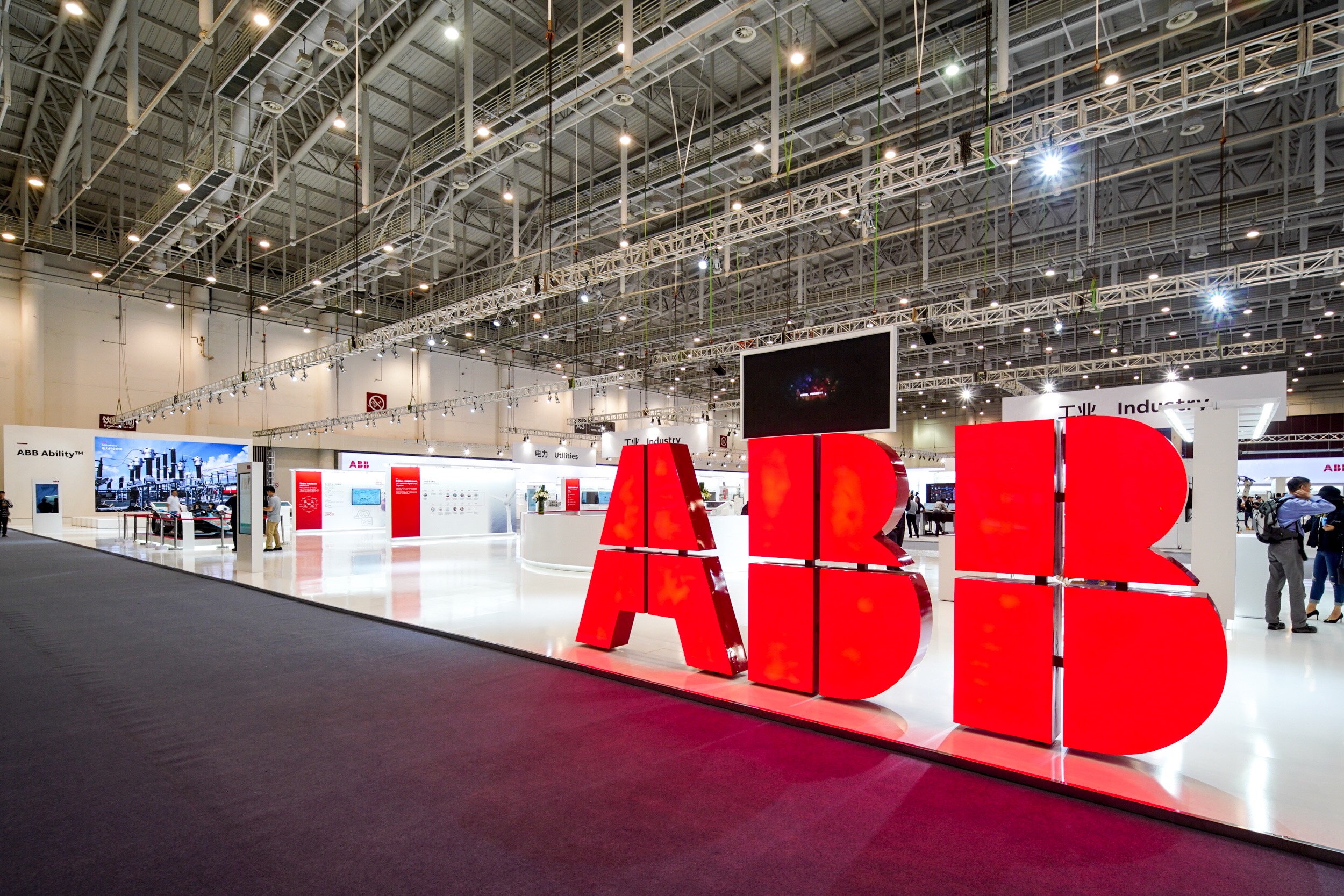
ABB (Asea Brown Boveri) is a leading global technology company that specializes in electrification, motion, process automation, and robotics. Headquartered in Zurich, Switzerland, the corporation provides integrated solutions to optimize industrial productivity, enhance energy efficiency, and support the global transition toward sustainable energy through its advanced hardware and digital software ecosystem.
The ABB Corporation, widely recognized by its initials ABB, represents one of the most significant engineering entities of the modern industrial era. As of 2026, the company continues to refine its "ABB Way" operating model, decentralizing its business into specialized divisions that cater to the evolving needs of the utility, industry, transport, and infrastructure sectors. By focusing on the intersection of software and engineering, ABB addresses the dual challenge of increasing global energy demand while reducing environmental impact.
The Organizational Architecture: Four Pillars of Innovation
To understand the scope of ABB’s operations, one must look at its four primary business areas. Each operates with a high degree of autonomy but shares the common goal of driving efficiency through technological integration.
1. Electrification
The Electrification business area is ABB’s largest segment. It encompasses a full range of products and services—from the substation to the point of consumption. In 2026, this division is central to the global "electrification of everything" trend, providing the infrastructure necessary for smart buildings, data centers, and electric vehicle (EV) charging.
- Smart Buildings: ABB provides building automation systems that manage lighting, heating, and ventilation to reduce energy waste. These systems utilize the KNX standard and Matter protocols to ensure interoperability across various device ecosystems.
- Installation Enclosures and Products: This includes circuit breakers, switchgear, and wiring accessories that ensure the safety and reliability of electrical distributions.
- E-mobility: ABB is a dominant force in the EV charging market, having deployed hundreds of thousands of chargers globally, ranging from domestic wallboxes to ultra-fast 360kW stations used for commercial fleets and highway stops.
2. Motion
The Motion business is the world’s largest supplier of drives and motors. This segment is critical because electric motors account for approximately 45% of the world’s electricity consumption. By improving motor efficiency, ABB significantly impacts global carbon footprints.
- Variable Frequency Drives (VFDs): These devices control the speed and torque of electric motors, allowing them to use only the energy required for the task at hand. In 2026, the adoption of VFDs is a primary strategy for industrial companies looking to meet stringent energy-efficiency regulations.
- High-Efficiency Motors: ABB produces motors that meet IE4 and IE5 (Super Premium Efficiency) standards, utilizing synchronous reluctance (SynRM) technology that eliminates the need for rare-earth magnets, thereby improving sustainability in the supply chain.
3. Process Automation
Formerly known as Industrial Automation, this business area focuses on the "brain" of industrial operations. It serves industries such as oil and gas, chemicals, mining, marine, and pulp and paper.
- Distributed Control Systems (DCS): ABB’s flagship 800xA system provides a single platform for process control, electrical integration, and safety.
- Marine and Ports: ABB provides Azipod® propulsion systems, which allow ships to be more maneuverable and fuel-efficient, alongside shore-to-ship power solutions that eliminate portside emissions.
- Measurement and Analytics: Precision instruments for measuring flow, pressure, and gas composition are vital for regulatory compliance and operational safety.
4. Robotics & Discrete Automation
This segment is the frontier of the "Factory of the Future." It provides robotics solutions and machine automation for industries ranging from automotive to electronics and logistics.
- Collaborative Robots (Cobots): Models like the YuMi® and GoFa™ series are designed to work safely alongside human operators without the need for protective cages, making automation accessible to small and medium-sized enterprises (SMEs).
- B&R Industrial Automation: Acquired by ABB, B&R focuses on machine and factory automation, providing PLC (Programmable Logic Controller) technology and industrial PCs that power high-speed packaging and manufacturing lines.
Historical Context: From Merger to Modernization
The identity of ABB was forged in 1988 through the merger of two historic European engineering firms: ASEA (Allmänna Svenska Elektriska Aktiebolaget) of Sweden and BBC (Brown, Boveri & Cie) of Switzerland.
ASEA, founded in 1883, was a pioneer in high-voltage direct current (HVDC) transmission. BBC, founded in 1891, was renowned for its power generation and steam turbine technologies. The merger created a powerhouse capable of competing with global giants like Siemens and GE.
Throughout the late 20th and early 21st centuries, ABB underwent several transformations. A pivotal shift occurred in 2020 when the company completed the divestment of its Power Grids business to Hitachi. This move allowed ABB to move away from large-scale, long-cycle infrastructure projects and focus on the faster-growing, high-margin sectors of industrial automation and electrification. By 2026, this strategy has solidified ABB as a leaner, more digitally-focused entity.
ABB Ability™: The Digital Backbone
A core component of the modern ABB Corporation is ABB Ability™, the company’s cross-industry digital offering. This is not a single product but a suite of over 200 software solutions that connect hardware to the cloud.
The primary goal of ABB Ability™ is to enable predictive maintenance. In a traditional industrial setting, machines are repaired when they break (reactive) or on a set schedule (preventative). ABB Ability™ uses sensors and AI algorithms to analyze vibration, heat, and power consumption data in real-time. By predicting when a component is likely to fail, companies can schedule maintenance during planned downtime, saving millions in lost productivity.
Furthermore, the digital platform supports Energy Management Systems (EMS). For a large manufacturing plant, an EMS can balance the load between the power grid, onsite solar arrays, and battery storage systems to minimize peak-demand charges and maximize the use of renewable energy.
Business Area Comparison Table
The following table provides a comparative overview of how the different divisions within ABB contribute to the overall corporate ecosystem as of 2026.
| Business Area | Primary Focus | Key Technology/Product | Typical Customers |
|---|---|---|---|
| Electrification | Distribution & Management | Emax 2 Breakers, Terra Chargers | Utilities, Data Centers, Residential |
| Motion | Energy Efficiency | SynRM Motors, ACS Drives | Water Utilities, HVAC, Manufacturing |
| Process Automation | Operational Control | Ability™ System 800xA, Azipod® | Mining, Marine, Chemical Plants |
| Robotics & Discrete | Manufacturing Agility | GoFa™ Cobots, B&R PLCs | Logistics, Electronics, Automotive |
Sustainability and ESG Strategy 2030–2050
As of 2026, ABB’s commitment to sustainability is no longer just a corporate social responsibility (CSR) initiative; it is a fundamental driver of their business model. The company has set ambitious targets to reach carbon neutrality in its own operations by 2030 and to help its customers reduce their CO2 emissions by more than 100 megatonnes annually.
Circularity and Resource Efficiency
ABB is transitioning toward a circular economy model. This involves designing products that are easier to repair, refurbish, and recycle. For example, many of ABB’s medium-voltage switchgear products now use AirPlus™ gas instead of SF6 (sulfur hexafluoride), a potent greenhouse gas traditionally used for insulation.
Decarbonizing Hard-to-Abate Sectors
One of ABB’s most significant contributions in 2026 is its work in the "hard-to-abate" sectors—industries like shipping, heavy mining, and steel production that are difficult to electrify.
- Hydrogen Economy: ABB provides the control systems and rectifiers needed for large-scale electrolyzers that produce green hydrogen.
- Mining Electrification: Through the "ABB Ability™ eMine" portfolio, the company helps mines replace diesel-powered haul trucks with electric trolley systems and battery-electric vehicles.
Implementation and Partnership: Engaging with ABB
For organizations looking to integrate ABB technology, the process typically follows a structured lifecycle. Understanding this pathway is essential for maximizing return on investment (ROI).
1. Assessment and Consulting
The engagement usually begins with an energy or automation audit. ABB’s consultants use diagnostic tools to identify "low-hanging fruit"—areas where simple upgrades, such as adding a drive to a pump or upgrading a motor, can result in immediate energy savings.
2. Solution Design and Interoperability
ABB emphasizes open standards. Whether it is using OPC UA for industrial communications or the Open Charge Point Protocol (OCPP) for EV chargers, the goal is to ensure that ABB hardware can communicate with existing third-party systems. This prevents "vendor lock-in" and allows for a modular approach to factory upgrades.
3. Lifecycle Services
ABB maintains a global network of service centers. Modern service contracts often include Remote Condition Monitoring. If a critical robot in a manufacturing line shows signs of overheating, ABB’s global technical center can alert the local maintenance team before the robot fails, often providing remote troubleshooting via augmented reality (AR) headsets.
Frequently Asked Questions
What is the difference between ABB and companies like Siemens or Schneider Electric?
While all three are giants in the industrial space, their focus differs slightly. ABB is world-leading in industrial robotics and high-efficiency motors. Siemens has a very strong presence in large-scale infrastructure and medical technology (Siemens Healthineers), while Schneider Electric focuses heavily on energy management and low-voltage electrical distribution. ABB’s specific niche is the deep integration of "Motion" and "Robotics" with electrification.
Does ABB still produce power grids?
No. In 2020, ABB completed the sale of an 80.1% stake in its Power Grids business to Hitachi, forming Hitachi Energy. ABB eventually divested its remaining stake. This was a strategic decision to focus on industrial automation and electrification solutions that reside "behind the meter" or at the edge of the grid.
How does ABB contribute to the "Smart City" concept?
ABB provides the "nervous system" for smart cities. This includes grid automation to handle the influx of renewable energy, building management systems to optimize skyscrapers' energy use, and the charging infrastructure required for the mass adoption of electric buses and private vehicles.
Is ABB Ability™ a cloud-based platform?
Yes, ABB Ability™ utilizes cloud computing (primarily through a partnership with Microsoft Azure) but also emphasizes "edge computing." In many industrial settings, data must be processed locally at the machine level for safety and speed. ABB’s architecture allows for data to be processed at the edge, with only high-level analytics being sent to the cloud for long-term optimization.
What is the "ABB Way"?
The "ABB Way" is the company’s operating model introduced in the early 2020s. It shifted the company from a centralized structure to a highly decentralized one. Under this model, 20+ divisions have full ownership of their respective strategies, R&D, and financial performance, allowing them to be more agile and responsive to specific market shifts.
Summary and Next Actions
ABB Corporation stands as a foundational pillar of the modern industrial landscape. In 2026, its relevance is driven by the global necessity for energy efficiency and the rapid advancement of autonomous manufacturing. For businesses, the primary value of ABB lies in its ability to bridge the gap between physical machinery and digital intelligence.
Recommended Next Actions:
- Energy Audit: For industrial operators, perform an energy audit focusing on motor-driven systems to identify where Variable Frequency Drives can reduce consumption.
- Digital Maturity Assessment: Evaluate current manufacturing lines for "dark data"—valuable information generated by machines that is not currently being captured or analyzed.
- Infrastructure Planning: For commercial real estate developers, ensure that electrical switchgear and distribution plans account for the future expansion of high-speed EV charging and onsite battery storage.
By aligning with ABB’s focus on electrification and automation, organizations can not only improve their operational margins but also ensure compliance with the increasingly rigorous global standards for sustainability and carbon reporting.