AARP Guaranteed Acceptance Life Insurance, underwritten by New York Life, allows members aged 50 to 80 to secure permanent coverage without a physical exam or health history questions. This policy provides a "guaranteed" approval regardless of pre-existing conditions, featuring fixed premiums and a graded death benefit during the initial two years of coverage.
For many seniors in 2026, the traditional path to life insurance is often blocked by chronic health conditions, past surgeries, or ongoing medical treatments. Traditional underwriting—the process where an insurance company evaluates your risk—usually involves blood tests, urine samples, and a deep dive into your medical records. AARP’s "no medical questions" policy, technically known as Guaranteed Acceptance Whole Life Insurance, bypasses this entire process.
This guide explores how the program functions, the specific limitations you must understand before signing up, and how it compares to other options available to AARP members.
Understanding the AARP and New York Life Partnership
It is essential to clarify that AARP is not an insurance company. Instead, AARP advocates for the interests of people aged 50 and over and brands products that meet their standards. Since 1994, New York Life Insurance Company has been the exclusive underwriter for the AARP Life Insurance Program.
When you apply for a policy with no medical questions, you are entering into a contract with New York Life. This partnership is significant because New York Life is one of the oldest and most financially stable mutual life insurers in the United States. For a policyholder in 2026, this financial strength provides confidence that the company will be able to pay out claims decades into the future.
The "no medical questions" product is a form of Permanent Whole Life Insurance. Unlike term insurance, which expires after a set number of years, this coverage is designed to last your entire life, provided you continue to pay the premiums.
How "No Medical Questions" Policies Function
The hallmark of this specific AARP product is the absence of medical underwriting. In a standard life insurance application, you might be asked about high blood pressure, diabetes, cancer history, or tobacco use. In the Guaranteed Acceptance program, these questions are omitted entirely.
The Trade-off: The Two-Year Waiting Period
Because the insurer takes on a significant risk by not checking your health, they protect themselves through a Graded Death Benefit. This is the most critical feature to understand:
- Years 1 and 2: If the insured individual dies from natural causes (illness or disease) during the first 24 months of the policy, the full death benefit is not paid. Instead, the beneficiaries receive the total premiums paid into the policy plus a small percentage of interest (typically 10%).
- Accidental Death: If death occurs due to an accident (such as a car crash or a fall) during the first two years, the full face amount of the policy is usually paid out immediately.
- Year 3 and Beyond: Once the policy has been active for two full years, the full death benefit is payable for any cause of death.
This waiting period prevents people from purchasing a policy on their deathbed and receiving a massive payout immediately, which would make the program financially unsustainable for the insurer.
Fixed Premiums and Coverage Limits
In 2026, the premiums for AARP Guaranteed Acceptance Life remain "level." This means the amount you pay when you sign up is the amount you will pay for the life of the policy. Your rates will not increase as you get older or if your health declines later.
Coverage amounts are typically lower than traditional policies, often ranging from $2,500 to $25,000. These amounts are specifically intended to cover "final expenses," such as funeral costs, small outstanding debts, or legal fees associated with settling an estate.
Eligibility and Enrollment Criteria
To qualify for the no-medical-questions path through AARP, you must meet three primary criteria:
- AARP Membership: You must be a current member of AARP. If you are not a member, you can generally join during the insurance application process.
- Age Requirements: The program is available to AARP members aged 50 to 80. Spouses of members are also eligible if they are between the ages of 45 and 80.
- State Availability: While available in most of the United States, specific terms and maximum coverage amounts can vary by state due to local Department of Insurance regulations. For example, New York residents may see different structures or disclosures compared to residents of Texas or Florida.
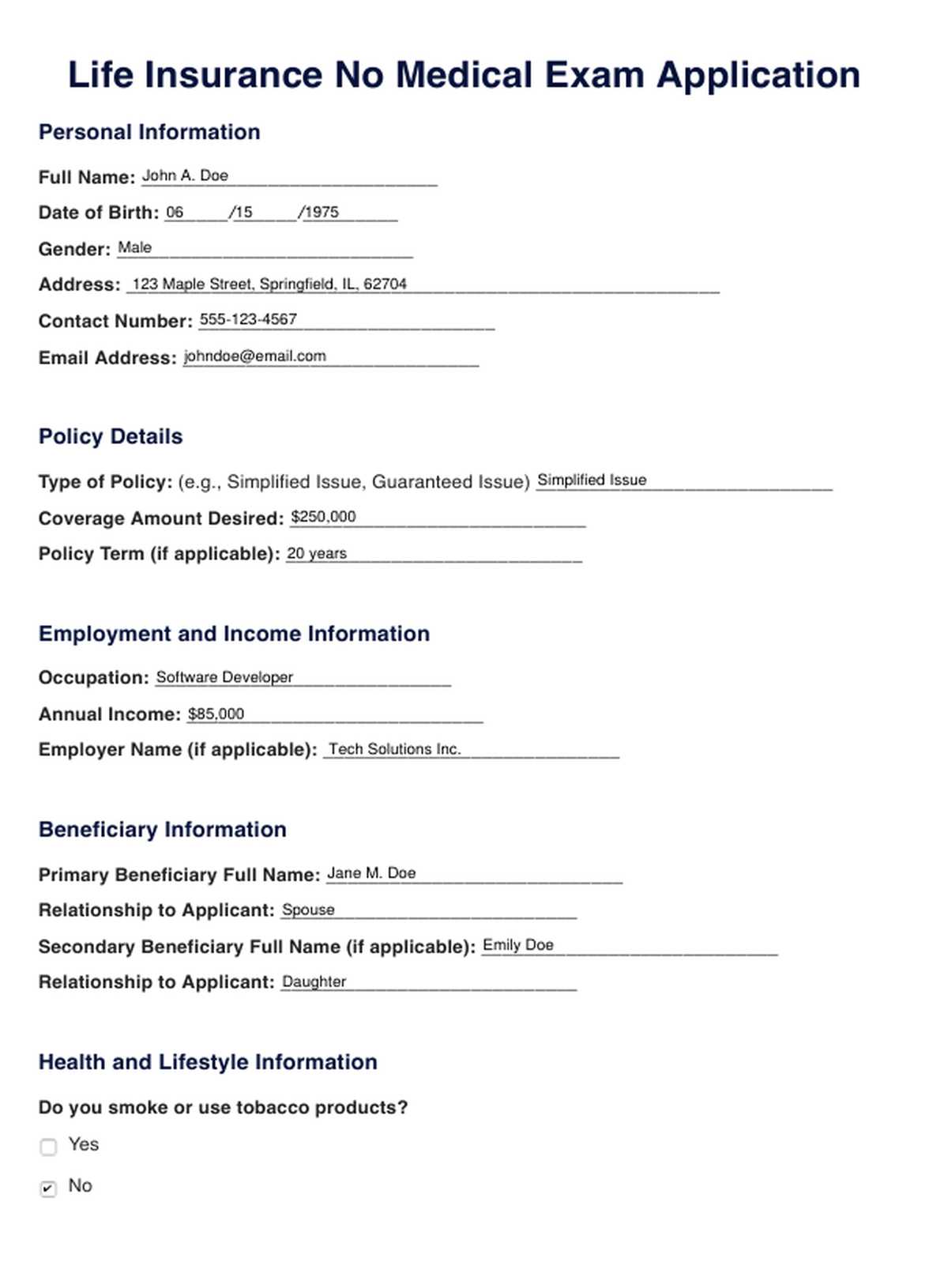
The application process itself is streamlined. Because there are no health questions, the "application" is primarily an enrollment form where you provide your name, address, beneficiary information, and payment method.
Comparing AARP Life Insurance Options
AARP offers several types of life insurance. It is a common mistake to assume that all AARP life insurance has no medical questions.
| Feature | Guaranteed Acceptance (No Questions) | Permanent Life (With Questions) | Term Life (With Questions) |
|---|---|---|---|
| Medical Exam | No | No | No |
| Health Questions | No | Yes | Yes |
| Acceptance | Guaranteed | Based on health | Based on health |
| Waiting Period | 2-Year Graded Benefit | Immediate Full Coverage | Immediate Full Coverage |
| Max Coverage | Typically $25,000 | Typically $50,000 | Up to $100,000+ |
| Premium Structure | Fixed/Level | Fixed/Level | Increases every 5 years |
| Cash Value | Yes (Builds slowly) | Yes | No |
If you are in relatively good health, the "Permanent Life" or "Term Life" options are almost always more cost-effective. The "No Medical Questions" policy is a specialized tool for those who cannot qualify for those other products.
The Cost of Convenience: Premium Analysis
In 2026, life insurance premiums are calculated based on your age at the time of enrollment and your gender. Because the insurance company is "flying blind" regarding your health, the premiums for Guaranteed Acceptance policies are significantly higher per $1,000 of coverage than a policy that requires health questions.
For example, a 65-year-old male might pay significantly more for a $10,000 Guaranteed Acceptance policy than he would for a $10,000 Simplified Issue policy if he could pass three or four basic health questions.
Why choose the more expensive option? The value lies in the certainty of approval. For a senior with a history of heart disease, a recent stroke, or insulin-dependent diabetes, the "expensive" AARP policy might be the only policy they can obtain. In this context, the premium is the price of access.
Key Contractual Features to Watch For
When reviewing your AARP/New York Life policy documents, pay close attention to these three technical aspects:
1. Cash Value Accumulation
Because this is a whole life policy, a small portion of your premium goes into a cash value account. Over many years, this value grows tax-deferred. While you can technically borrow against this cash value or surrender the policy for its cash worth, these policies are not intended as investment vehicles. The cash value grows very slowly and is primarily a secondary benefit of the permanent structure.
2. The Free Look Period
Most states mandate a "Free Look" period (often 30 days). This allows you to receive the policy, read the fine print, and return it for a full refund if you decide it isn't right for you. Given the specifics of the two-year waiting period, using this time to review the contract is highly recommended.
3. Benefit Exclusions
Beyond the two-year graded death benefit, there are very few exclusions in these policies. Unlike some accidental death policies that have "fine print" about how an accident is defined, AARP’s Guaranteed Acceptance is straightforward: after two years, it pays for death by any cause, including suicide (though most states have a standard two-year suicide clause that aligns with the graded benefit period).
Common Mistakes When Applying
Assuming You Don't Qualify for Better
Many people choose the "no medical questions" option because they assume their health is too poor for a standard policy. However, many "Simplified Issue" policies (which ask health questions but don't require an exam) are surprisingly lenient with conditions like controlled high blood pressure or mild asthma. If you can answer "No" to a few health questions, you could save thousands of dollars over the life of the policy.
Naming Only One Beneficiary
If your primary beneficiary passes away before you, and you haven't named a contingent (secondary) beneficiary, the death benefit may go to your estate. This can lead to the funds being tied up in probate court, delaying the payout to your loved ones when they need it most for funeral expenses.
Allowing the Policy to Lapse
Guaranteed Acceptance policies are most expensive in the early years relative to the benefit. If you pay premiums for five years and then stop, you lose the coverage. While there may be a small "reduced paid-up" insurance option or cash surrender value, it will be a fraction of the death benefit.
Is This the Right Choice for You?
The AARP no-medical-questions policy is a niche product designed for a specific set of circumstances. It is likely the right choice if:
- You have been denied life insurance elsewhere.
- You have serious chronic health issues (e.g., congestive heart failure, terminal illness, or dialysis).
- You only need a small amount of coverage to handle burial and final expenses.
- You are between 50 and 80 and want the peace of mind that your application cannot be rejected.
It is likely not the right choice if:
- You are in good or average health for your age.
- You need more than $25,000 in coverage.
- You are looking for the lowest possible monthly premium.
Next Steps and Application
If you decide to move forward, you can request an information kit directly from the AARP Life Insurance Program website or by calling their dedicated service line. Ensure you have your AARP membership number ready. Before signing, compare the quote for "Guaranteed Acceptance" with their "Permanent Life" product—if you can answer the health questions for the latter, you will receive better value for your money.
For more information on insurance regulations and consumer protections, you can visit the National Association of Insurance Commissioners (NAIC). To verify the financial standing of the underwriter, you can check New York Life’s financial reports.
FAQ
Does AARP life insurance with no medical questions pay out immediately?
Only in the event of an accidental death. For deaths due to natural causes (illness), there is a two-year waiting period. During these first two years, if the insured dies of natural causes, the beneficiary receives a refund of all premiums paid plus interest (usually 10%). After two years, the full benefit is paid regardless of the cause of death.
How much does AARP's no-medical-exam insurance cost?
The cost depends on your age at enrollment and your gender. Because acceptance is guaranteed, the premiums are higher than policies that require health screenings. For example, a 70-year-old might pay significantly more per month for $10,000 of coverage than a 50-year-old. Rates are fixed once the policy is issued and will not increase as you age.
Can I be turned down for the AARP Guaranteed Acceptance policy?
No, as long as you meet the age requirements (50-80) and are a member of AARP, you cannot be turned down. There are no health questions, medical exams, or physician reports required for approval. This makes it a "guaranteed" product for those within the eligible age bracket.
What is the maximum coverage amount available without medical questions?
In 2026, the maximum coverage for the AARP Guaranteed Acceptance Life Insurance plan is typically $25,000. Some individuals may qualify for different amounts depending on their state of residence and specific offers, but this product is designed for final expenses rather than large-scale estate planning.
Does the policy build cash value?
Yes, the AARP Guaranteed Acceptance policy is a form of whole life insurance, which means it builds a small amount of cash value over time. While this value grows slowly, it is a permanent asset that stays with the policy as long as premiums are paid.