Individuals diagnosed with Alzheimer’s disease or other forms of dementia can obtain life insurance coverage through the AARP Life Insurance Program, underwritten by New York Life. While traditional term policies often exclude those with cognitive impairments, the Guaranteed Acceptance Whole Life insurance plan provides a path to coverage with no medical exams or health questions, ensuring acceptance regardless of an Alzheimer’s diagnosis.
The challenge of securing financial protection after a terminal or progressive diagnosis like Alzheimer’s is a significant concern for many American families. As of 2026, the AARP Life Insurance Program continues to be a primary resource for seniors looking to cover final expenses, such as funeral costs and outstanding medical bills, without the hurdle of strict medical underwriting. Understanding how these policies function—specifically the "graded death benefit" and the role of the caregiver in the application process—is essential for making an informed decision.
Understanding the AARP Life Insurance Program Structure
The AARP Life Insurance Program is a partnership between AARP and the New York Life Insurance Company. It is designed specifically for AARP members, typically aged 50 to 80. For those navigating an Alzheimer’s diagnosis, the program offers several tiers of insurance, but only one is practically accessible for those already living with the condition.
The Role of New York Life
New York Life is the exclusive provider of these policies. They handle the underwriting, claims processing, and policy administration. Because New York Life is a mutual insurance company, it has a long-standing reputation for stability, which is a critical factor when choosing a permanent life insurance policy that may not be used for a decade or more.
AARP Membership Requirement
To apply for any of these plans, the individual must be an active AARP member. If the person with Alzheimer's is not yet a member, they (or their legal representative) must join before or during the application process. Membership is open to anyone aged 50 and older, and it provides the gateway to the specific group rates negotiated by the organization.
Coverage Options for Alzheimer’s Patients
When seeking life insurance with an Alzheimer’s diagnosis, the "type" of insurance matters more than the "amount." Most life insurance products require "evidence of insurability," which usually includes a review of medical records.
Guaranteed Acceptance Whole Life Insurance
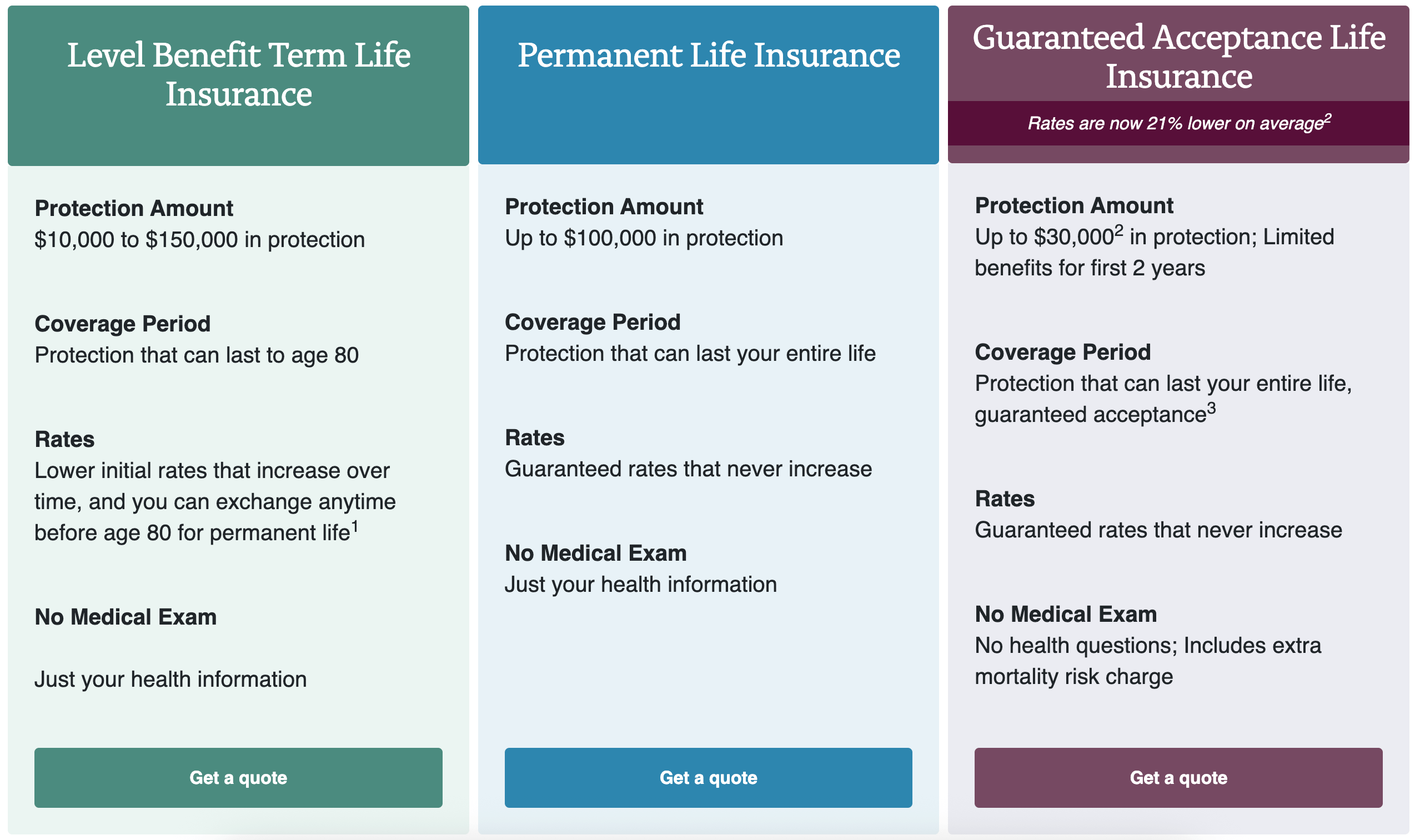
This is the most relevant product for those with Alzheimer's. In 2026, it remains the only AARP life insurance option that does not ask any health questions.
- No Medical Exams: There are no blood tests, physicals, or physician statements required.
- No Health Questions: Unlike "Simplified Issue" or "Term" policies, the application does not ask about chronic illnesses, dementia, or cognitive decline.
- Permanent Protection: As long as premiums are paid, the coverage stays in force for the rest of the insured’s life.
- Cash Value Accumulation: Like most whole life policies, this plan builds a small amount of cash value over time, which can be accessed via loans in emergencies.
Why Traditional Term Life is Rarely an Option
AARP also offers Term Life and Permanent Level Benefit Life insurance. However, these applications include specific questions such as: "In the past 2 years, have you been diagnosed with or treated for heart disease, cancer, or any neurological disorder including Alzheimer’s or dementia?"
Answering "Yes" to these questions typically results in an automatic decline for these specific products. Therefore, families should focus their efforts on the Guaranteed Acceptance (Permanent) path to avoid the frustration of a rejection.
The Two-Year Graded Death Benefit Explained
The most critical technical aspect of AARP’s Guaranteed Acceptance policy is the graded death benefit. Because the insurance company is taking on a high-risk individual without asking health questions, they protect themselves using a waiting period.
How the Graded Period Works
If the insured individual passes away within the first two years of the policy effective date from natural causes (including complications from Alzheimer’s), the full death benefit is not paid. Instead:
- Return of Premiums: The beneficiary receives all the money paid into the policy up to that point.
- Interest: AARP/New York Life typically adds an additional 10% interest to the returned premiums.
- Accidental Death Exception: If the death is the result of an accident (e.g., a car crash or a fall) rather than a natural illness, the full death benefit is usually paid from day one.
Post-Two-Year Coverage
Once the policy has been active for a full 24 months, the "graded" period expires. From the first day of the 25th month onward, the full face value of the policy (e.g., $10,000 or $25,000) is payable to the beneficiary regardless of the cause of death. This makes the policy a "waiting game" for families dealing with early-stage Alzheimer's.
Application Prerequisites and Legal Considerations
Applying for life insurance for someone with Alzheimer’s requires careful attention to legal authority, especially if the individual is no longer capable of making financial decisions.
Mental Competency and Signature
Life insurance is a legal contract. The person being insured must generally have the mental capacity to understand the contract they are signing.
- Early-Stage Diagnosis: If the individual is in the early stages and retains "testamentary capacity," they can sign the application themselves.
- Late-Stage Diagnosis: If the individual is incapacitated, a legal representative must act on their behalf.
Using Power of Attorney (POA)
In 2026, New York Life maintains strict guidelines regarding the use of a Power of Attorney. A Durable Power of Attorney document must specifically grant the agent the authority to enter into insurance contracts or manage financial affairs.
- Documentation: You will likely need to submit a full copy of the POA paperwork along with the application.
- Beneficiary Designations: Most states have laws preventing a POA from naming themselves as the sole beneficiary unless they are a spouse or close dependent, to avoid conflicts of interest.
Comparing AARP Life Insurance Plans for Seniors (2026)
| Feature | Term Life Insurance | Permanent (Level Benefit) | Guaranteed Acceptance |
|---|---|---|---|
| Health Questions | Yes | Yes | No |
| Medical Exam | No (usually) | No (usually) | No |
| Max Coverage (Typical) | $100,000+ | $50,000 | $25,000 |
| Alzheimer's Friendly | No | No | Yes |
| Waiting Period | None | None | 2-Year Graded Benefit |
| Premium Structure | Increases every 5 years | Level (Stays the same) | Level (Stays the same) |
| Cash Value | No | Yes | Yes |
Cost Factors and Premium Stability
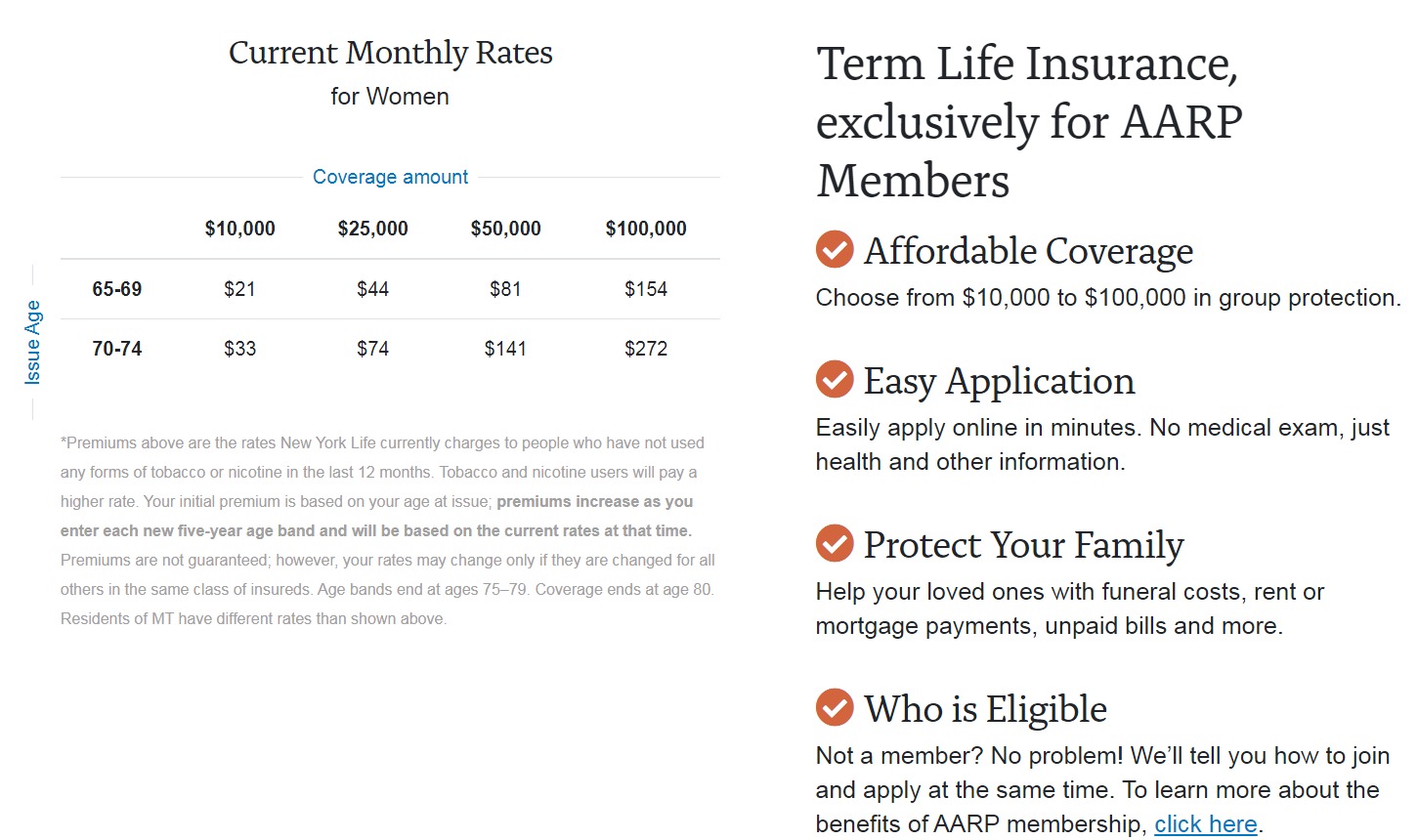
For a Guaranteed Acceptance policy, the premiums are determined by the age at the time of application, the gender of the applicant, and the amount of coverage selected.
Level Premiums
One of the primary benefits of the AARP Guaranteed Acceptance plan is that the premiums are guaranteed to never increase. For a family managing the rising costs of memory care, having a fixed, predictable monthly expense is vital. The coverage also cannot be canceled by the insurance company as long as the premiums are paid, even if the insured’s health severely declines.
Cost vs. Value
Because there is no medical underwriting, these policies are more expensive per dollar of coverage than a standard policy. They are designed for "final expenses"—costs associated with burial, cremation, and small debts—rather than replacing a decades-long salary. Most AARP Guaranteed Acceptance policies cap at $25,000, which aligns with the average cost of a funeral and related end-of-life expenses in 2026.
Strategic Timing: When to Apply?
The best time to apply for AARP life insurance for someone with Alzheimer’s is immediately upon diagnosis.
- The Two-Year Clock: Since the full benefit doesn't kick in for two years, starting the policy while the individual is still physically stable is the most effective way to ensure the full benefit is eventually available.
- Locking in Age-Based Rates: Premiums are lower the younger the applicant is. Delaying the application by even a year can result in significantly higher monthly costs.
- Preserving Capacity: Applying while the individual can still sign for themselves simplifies the administrative process and avoids potential legal hurdles regarding POA validity.
Common Mistakes to Avoid
When navigating the AARP application process for a loved one with cognitive impairment, several common errors can lead to delays or denied claims.
Concealing the Diagnosis on Non-Guaranteed Plans
Never attempt to apply for the AARP "Level Benefit" or "Term" plans by omitting an Alzheimer’s diagnosis. Insurance companies use the Medical Information Bureau (MIB) and prescription drug databases. They will see medications like Aricept (Donepezil) or Namenda (Memantine). If a diagnosis is discovered during the "contestability period" (usually the first two years), the claim can be denied for material misrepresentation.
Lapsing the Policy
If a premium is missed and the policy lapses, the two-year graded period usually starts over upon reinstatement. For those with Alzheimer’s, it is often recommended to set up automatic bank drafts (ACH) to ensure the policy remains active and the waiting period is not reset.
Underestimating Total Needs
Many families buy a $5,000 or $10,000 policy, only to realize later that it doesn't cover the full cost of modern funeral services and legal fees. In 2026, the average cost of a full funeral and burial can exceed $12,000 in many regions. It is often more cost-effective to buy slightly more coverage initially than to try to add a second policy later.
Alternative Options to Consider
While AARP is a dominant player in the senior market, it is not the only provider of Guaranteed Acceptance Life Insurance. If the AARP rates or terms do not fit your needs, consider these alternatives:
- Mutual of Omaha: Often offers competitive rates for graded benefit whole life insurance for seniors.
- Gerber Life: Known for their long-standing guaranteed life products with similar 2-year waiting periods.
- Funeral Trust / Pre-need Insurance: Some funeral homes offer "pre-need" plans where you pay for the funeral in advance. These are sometimes easier to obtain but lack the flexibility of a cash death benefit paid to a beneficiary.
Frequently Asked Questions
Does AARP life insurance cover Alzheimer’s immediately?
No. While you are "covered" from day one, the coverage for the first two years is "graded." This means if death occurs from Alzheimer’s within the first 24 months, the beneficiary receives the premiums paid plus 10% interest. The full face value is only paid after the two-year anniversary of the policy.
Can a caregiver apply for AARP life insurance on behalf of an Alzheimer’s patient?
Yes, provided the caregiver has the legal authority to do so. This usually requires a Durable Power of Attorney that explicitly allows for the purchase of insurance. The caregiver will need to sign as the "Owner" or "Payor" while the individual with Alzheimer's remains the "Insured."
What is the maximum age for an Alzheimer’s patient to get AARP coverage?
The AARP Guaranteed Acceptance Whole Life plan is generally available to members and their spouses aged 50 to 80. Some states may have slightly different age limits, but 80 is the standard upper limit for New York Life’s guaranteed products within the AARP program.
Will the premiums go up as the Alzheimer’s progresses?
No. Once the policy is issued, the premium is locked in for life. Even if the insured moves into a memory care facility or their health declines significantly, New York Life cannot increase the monthly cost.
Are the benefits from AARP life insurance taxable?
Generally, no. In the United States, life insurance death benefits are typically paid out to beneficiaries tax-free. However, if the policy builds significant cash value and is surrendered, there may be tax implications on the gains. It is best to consult a tax professional regarding specific estate tax concerns in 2026.
Final Recommendation
For families managing an Alzheimer's diagnosis, the AARP Guaranteed Acceptance Whole Life plan is a reliable and accessible tool for financial planning. Because it eliminates the medical barrier to entry, it provides a "safety net" for final expenses that would otherwise be unavailable.
To proceed, ensure you have the individual's AARP membership number and, if applicable, the legal Power of Attorney documents ready. Prioritize setting up an automatic payment method to protect the two-year waiting period, and aim to lock in coverage as early as possible to minimize premium costs.