Life insurance after age 65 serves as a strategic financial tool for estate preservation, debt elimination, and funding final expenses. While it provides a tax-free death benefit and potential "living benefits" for long-term care, the high premium costs and rigorous medical underwriting often make it a complex and expensive commitment for retirees.
Acquiring or maintaining a life insurance policy after the age of 65 is a fundamentally different financial decision than it was during your younger, income-earning years. For many, the primary need for insurance—replacing lost wages to support a growing family—has diminished. However, as of 2026, the financial landscape for seniors has evolved, with longer life expectancies and more complex estate tax considerations making life insurance a relevant topic for those in their mid-60s and beyond.
The decision involves weighing the immediate impact on your retirement cash flow against the long-term peace of mind provided to your beneficiaries. To make an informed choice, you must understand the technical nuances of modern policy structures and how they interact with your overall financial plan.
The 7 Pros of Life Insurance After Age 65
Maintaining or purchasing coverage in your senior years offers several distinct advantages that can stabilize an estate and provide liquidity during a difficult transition.
1. Guaranteed Coverage for Final Expenses
The most common reason for seniors to seek life insurance is to cover "final expenses," which include funeral costs, burial or cremation services, and outstanding medical bills. In 2026, the average cost of a traditional funeral and burial can easily exceed $12,000 to $15,000. By securing a small whole life policy, often referred to as final expense insurance, seniors ensure that their loved ones are not burdened with these immediate costs. Because these policies are typically "permanent," the benefit is guaranteed to be there regardless of when the individual passes away, provided premiums are paid.
2. Estate Liquidity and Tax Planning
For individuals with significant assets, life insurance is a premier tool for estate planning. When a person passes away, their assets—such as real estate, businesses, or specialized collections—may be illiquid. Heirs may be forced to sell these assets quickly (often at a discount) to pay for estate taxes or settlement costs. According to the Internal Revenue Service (IRS), life insurance proceeds are generally received income-tax-free by beneficiaries. This cash infusion provides the necessary liquidity to settle the estate's obligations without dismantling the deceased's legacy.
3. Debt Protection for Surviving Spouses
The "debt-free retirement" is becoming less common. Many seniors enter their late 60s still carrying a mortgage, car loans, or even co-signed student loans for grandchildren. If one spouse passes away, the household income often drops significantly due to the reduction in Social Security benefits or pension payouts. A life insurance policy can be used to pay off the remaining mortgage or other liabilities, allowing the surviving spouse to remain in their home without the stress of monthly debt payments.
4. Legacy and Inheritance Equalization
Life insurance allows seniors to create an immediate "estate" for their heirs. This is particularly useful for inheritance equalization. For example, if a senior owns a family business or a home that they want to leave to one child who is involved in the business, they can use a life insurance policy to provide a cash equivalent of that value to their other children. This prevents family disputes and ensures that every heir receives a fair portion of the overall legacy.
5. Access to Living Benefits
Modern life insurance policies frequently include "accelerated death benefit" riders. These allow the policyholder to access a portion of the death benefit while they are still alive if they are diagnosed with a terminal or chronic illness. In 2026, with the rising costs of private nursing and assisted living, these living benefits serve as a vital hedge against long-term care expenses. Unlike traditional long-term care insurance, which can be prohibitively expensive to start after 65, the riders on a life insurance policy offer a dual-purpose solution.
6. Cash Value Accumulation and Stability
Permanent life insurance policies, such as Whole Life or Universal Life, build cash value over time. For seniors who have already maximized their contributions to 401(k)s and IRAs, the cash value in a life insurance policy offers a tax-deferred growth vehicle. This cash value is not subject to market volatility in the same way as a brokerage account, providing a stable "bucket" of money that can be borrowed against in an emergency or used to supplement retirement income through policy loans.
7. Supplementing Spousal Income
When a retiree dies, the surviving spouse usually loses the smaller of the two Social Security checks the couple was receiving. Additionally, many pension plans offer a reduced "joint and survivor" benefit, which might not be enough to sustain the survivor's lifestyle. A life insurance policy acts as a private pension, providing a lump sum that the survivor can invest to generate an income stream, effectively replacing the lost Social Security or pension revenue.
The 7 Cons of Life Insurance After Age 65
While the benefits are significant, the drawbacks of entering into a new insurance contract later in life are primarily centered on cost and eligibility.
1. High Premium Costs
The single greatest disadvantage of life insurance after 65 is the cost. Insurance premiums are calculated based on mortality risk. As you age, the statistical probability of the insurance company having to pay out the death benefit increases, leading to much higher premiums than those offered to younger applicants. For many seniors on a fixed income, the monthly or annual cost of a significant death benefit can be a major financial strain, potentially compromising their current quality of life.
2. Stringent Medical Underwriting
To qualify for the best rates, or sometimes to qualify at all, applicants must undergo medical underwriting. This often includes a physical exam, blood work, and a thorough review of medical records. Most individuals over 65 have at least one "pre-existing condition," such as hypertension, high cholesterol, or Type 2 diabetes. These conditions can result in "rated" policies (extra-high premiums) or outright denials. While "guaranteed issue" policies exist, they come with much higher costs and lower coverage limits.
3. Diminishing Return on Investment (ROI)
From a purely mathematical standpoint, buying life insurance at 65 or older may yield a lower return on investment compared to other financial products. If a senior pays high premiums for 20 years and lives to 85, the total amount paid in premiums may approach or even exceed the value of the death benefit. In such cases, the individual might have been better off investing that premium money in a diversified portfolio or a high-yield savings vehicle.
4. Lower Coverage Caps
For seniors seeking "no-medical-exam" or "guaranteed issue" policies, the amount of coverage available is usually strictly limited. Most carriers cap these policies at $25,000 or $50,000. While this is sufficient for a funeral, it is nowhere near enough to replace income, pay off a mortgage, or provide a significant legacy. Seniors needing $500,000 or more in coverage will face the most intense scrutiny and the highest price tags.
5. Complex Policy Terms and Hidden Risks
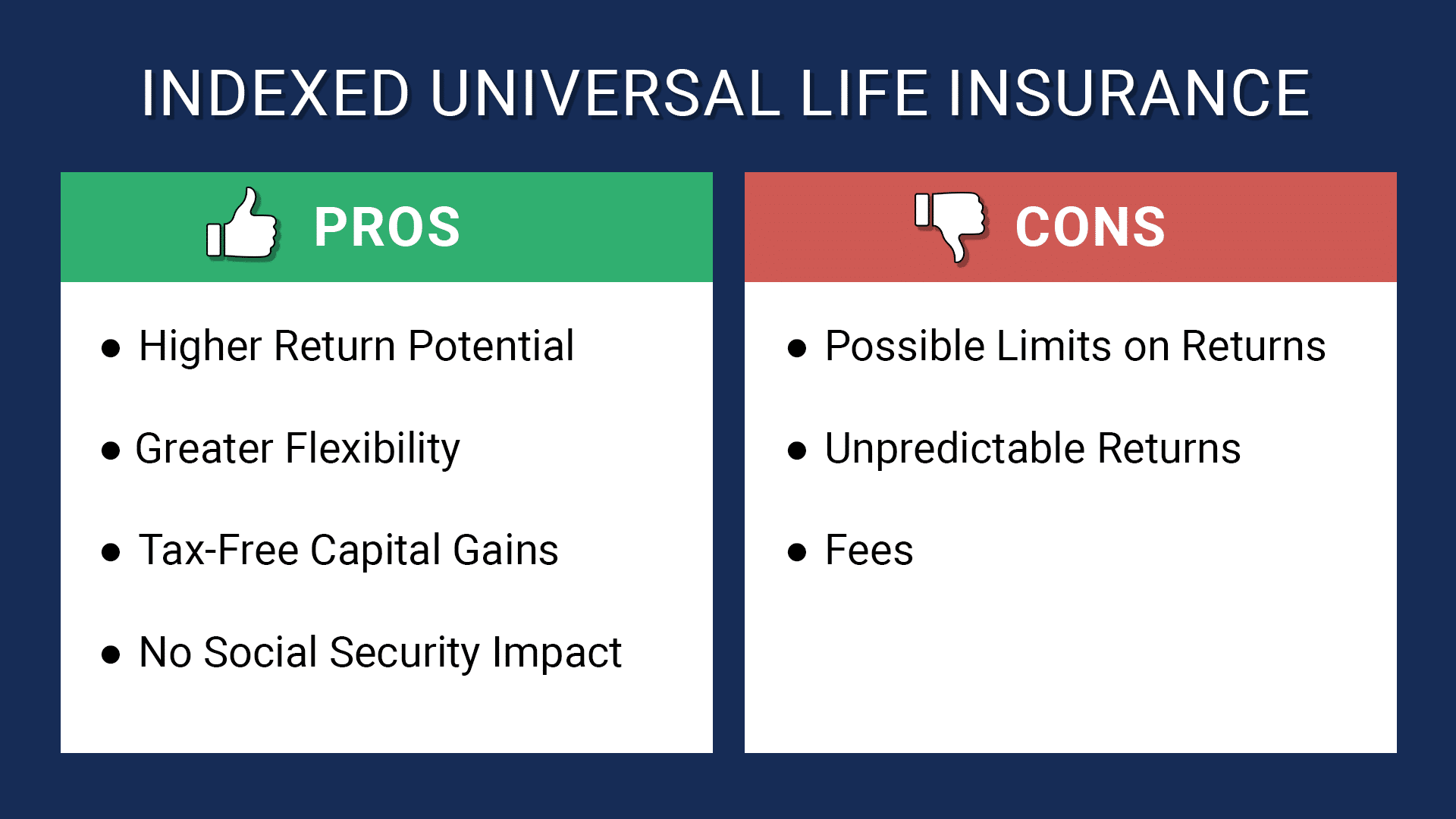
The insurance market in 2026 includes complex products like Indexed Universal Life (IUL) or Variable Universal Life (VUL). These policies can be difficult to understand. They often involve "caps," "participation rates," and "internal fees" that can eat away at the cash value. If the underlying investments or interest rates underperform, the policyholder might be required to pay significantly higher premiums in later years just to keep the policy from lapsing—a risk many seniors cannot afford to take.
6. Opportunity Cost of Capital
Every dollar spent on life insurance premiums is a dollar that cannot be spent on travel, healthcare, home modifications, or helping grandchildren with tuition. For seniors who already have a well-funded estate and no significant debts, the "need" for insurance is more emotional than financial. The opportunity cost—what you give up by paying those premiums—must be weighed against the actual financial necessity of the death benefit.
7. Risk of Policy Lapse
Life insurance is only effective if the premiums are paid until the moment of death. If a senior experiences a financial setback or cognitive decline and stops paying the premiums, the policy will lapse. All the money paid into the policy over the years could be lost without a death benefit ever being paid out. This risk is particularly high for term insurance policies, which expire at a certain age, often leaving the senior uninsured just when they need it most.
Life Insurance Comparison for Seniors (2026)
The following table compares the most common types of life insurance available to individuals over age 65.
| Policy Type | Typical Coverage Limit | Underwriting Required | Best For | Primary Drawback |
|---|---|---|---|---|
| Term Life | High ($100k - $1M+) | Full Medical Exam | Temporary debt (Mortgage) | Coverage expires; no cash value |
| Whole Life | Moderate ($10k - $50k) | Health Questions | Final expenses / Burial | High cost per dollar of coverage |
| Guaranteed Issue | Low (Up to $25k) | None | Seniors with poor health | Very expensive; 2-year waiting period |
| Universal Life | High ($100k+) | Full Medical Exam | Estate planning / Legacy | Can lapse if not properly funded |
Key Factors to Evaluate Before Purchasing
Before committing to a policy after age 65, it is essential to perform a "needs analysis." This involves looking at your current net worth, your debt-to-income ratio, and your specific goals for your heirs.
- Determine the "Net Amount at Risk": If you have $500,000 in savings and your only goal is to cover a $15,000 funeral, you are "self-insured." You do not need a policy. However, if your assets are tied up in a property and you have no liquid cash, a policy makes sense.
- Check Existing Policies: Many seniors already have term policies that are about to expire. Before buying a new one, check if your current policy has a "conversion rider." This allows you to convert a term policy into a permanent one without a new medical exam.
- Evaluate the "Waiting Period": Most guaranteed issue policies have a two-year graded death benefit. If you die within the first two years of the policy from natural causes, your beneficiaries only receive the premiums paid plus a small amount of interest, not the full death benefit.
Common Alternatives for Seniors
If the cons of life insurance outweigh the pros in your situation, consider these alternatives:
- Pre-funded Funeral Arrangements: You can work directly with a funeral home to plan and pay for your services in advance. This locks in 2026 prices and removes the burden from your family without the need for a monthly insurance premium.
- Self-Insurance via Segregated Accounts: Open a dedicated high-yield savings account or a brokerage account intended solely for final expenses. Labeling this account "In Trust For" (ITF) or "Payable on Death" (POD) to a beneficiary ensures they can access the cash immediately upon your passing without going through probate.
- Annuities: If your goal is spousal income rather than a lump-sum death benefit, a single-premium immediate annuity (SPIA) may be more efficient. You pay a lump sum, and the insurance company guarantees a monthly payment for as long as you or your spouse lives.
Frequently Asked Questions
Can I get life insurance at 65 if I have heart disease or diabetes?
Yes, but it will be more expensive. You will likely be placed in a "substandard" risk category, which increases premiums. If your health is severely compromised, a guaranteed issue policy is the most likely option, as it requires no medical exam or health questions.
Is term life insurance better than whole life for seniors?
It depends on the goal. If you only need coverage for the next 10 years to cover a mortgage, term life is much cheaper. However, if you want to ensure a death benefit is paid regardless of when you die, a permanent policy like whole life is necessary, as term policies usually become unavailable or prohibitively expensive after age 80 or 85.
What is a "graded death benefit"?
A graded death benefit is common in senior policies that require no medical exam. It means that if you die within the first few years of the policy (usually two or three), the insurance company will not pay the full face value. Instead, they return your premiums plus 5% to 10% interest. This protects the company from insuring individuals who are already terminally ill.
Are life insurance premiums tax-deductible for seniors?
Generally, no. Life insurance premiums are considered a personal expense and are not tax-deductible. However, the death benefit paid to your beneficiaries is almost always 100% income-tax-free, which is the primary tax advantage of the product.
Should I cancel my life insurance if my children are grown and my house is paid off?
Not necessarily. Before canceling, check the "surrender value" of the policy. If it's a permanent policy, you might be able to take the cash and run. Alternatively, you might consider a "life settlement," where you sell your policy to a third party for more than the surrender value but less than the death benefit.
Practical Recommendation
If you are over 65 and considering life insurance, start by calculating your total liquid assets. If your estate is liquid enough to cover your debts and funeral costs without causing financial hardship to your survivors, you likely do not need a new policy. However, if you have a specific "gap"—such as a remaining mortgage, an illiquid business, or a desire to provide for a special-needs heir—look for a "guaranteed universal life" (GUL) policy. GUL policies often provide the permanence of whole life with lower premiums, as they focus on the death benefit rather than cash value accumulation. Always consult with a fee-only financial advisor to ensure the policy fits within your 2026 tax strategy.