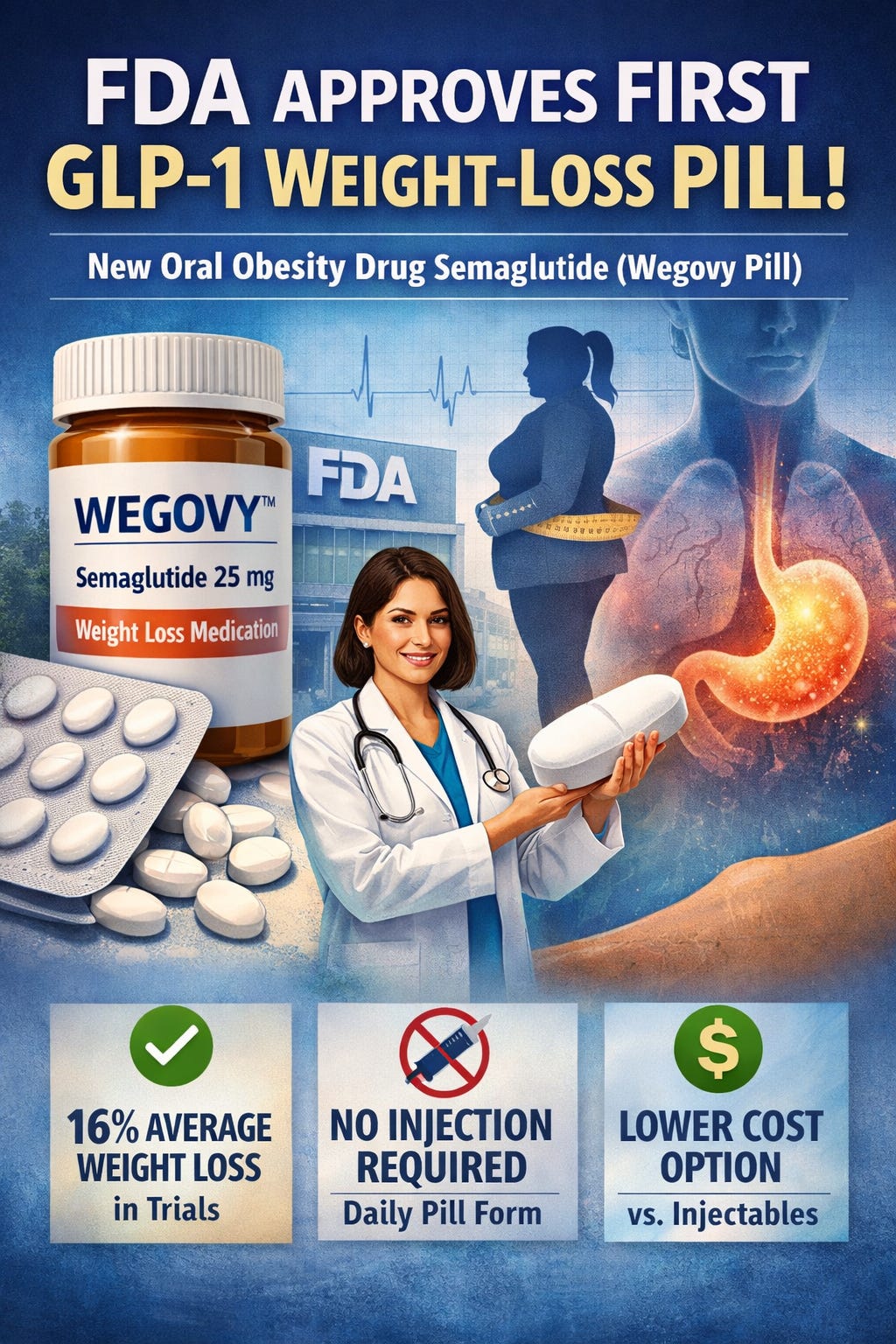
The first oral GLP-1 tablet represents a major milestone in pharmacology, bringing peptide-based diabetes and weight management therapies into a convenient pill format. By transforming how glucagon-like peptide-1 receptor agonists are delivered, this oral medication eliminates the need for weekly or daily subcutaneous injections, thereby expanding treatment access for millions of patients worldwide.
Introduction to Oral Peptide Delivery
For decades, peptide and protein therapeutics—including insulin and GLP-1 receptor agonists—were restricted entirely to injectable routes of administration. This limitation occurred because the human gastrointestinal tract is specifically designed to break down proteins and peptides into individual amino acids using harsh stomach acids and digestive enzymes. Swallowing a peptide hormone typically resulted in total degradation before it could cross the intestinal wall and enter the bloodstream.
The introduction of the first oral GLP-1 receptor agonist fundamentally transformed this therapeutic landscape. By utilizing specialized absorption enhancers and protective chemical formulations, pharmaceutical researchers successfully shielded the delicate peptide molecule from enzymatic breakdown in the stomach. This innovation established a new standard for oral peptide delivery, bridging the gap between convenience and biochemical efficacy. Understanding these seven key facts provides essential insight into how this breakthrough works, what patients can expect, and how it compares to traditional injectable therapies.
Fact 1: The Breakthrough Chemical Mechanism (SNAC Technology)
The core innovation behind the first oral GLP-1 receptor agonist—specifically oral semaglutide, marketed under brand names like Rybelsus—lies in its proprietary absorption enhancer known as SNAC (sodium N-(8-[2-hydroxybenzoyl] amino) caprylate). Without a protective delivery vehicle, oral peptides are rapidly destroyed by pepsin and stomach acid.
SNAC creates a temporary, localized micro-environment around the tablet as it dissolves in the stomach. This chemical shield temporarily raises the pH level immediately surrounding the tablet, which inhibits local proteolytic enzymes from degrading the active pharmaceutical ingredient. Simultaneously, SNAC facilitates the transcellular absorption of the peptide molecule across the gastric mucosa. By momentarily increasing the permeability of the stomach lining, SNAC allows the large GLP-1 molecule to pass directly into the gastric blood vessels, bypassing total first-pass hepatic destruction and achieving therapeutic blood concentrations.
Fact 2: Active Ingredient and Pharmacological Class
The active pharmaceutical ingredient in the pioneer oral GLP-1 tablet is semaglutide, a synthetic analogue of human GLP-1. Structurally, it shares approximately 94% sequence homology with native human GLP-1, but includes specific modifications designed to resist degradation by the enzyme dipeptidyl peptidase-4 (DPP-4) and to bind strongly to serum albumin.
As a member of the GLP-1 receptor agonist pharmacological class, semaglutide mimics the physiological actions of the natural incretin hormone. It binds to and activates the GLP-1 receptor, triggering a cascade of glucose-dependent biological responses:
- Enhanced Insulin Secretion: Stimulates pancreatic beta cells to release insulin only when blood glucose levels are elevated, minimizing the risk of hypoglycemia.
- Suppression of Glucagon: Inhibits alpha cells from releasing glucagon, thereby reducing hepatic glucose production.
- Delayed Gastric Emptying: Slows the rate at which food leaves the stomach, flattening postprandial blood glucose spikes and prolonging the sensation of fullness.
- Central Appetite Regulation: Interacts with hypothalamic appetite-regulating centers to reduce overall caloric intake and curb food cravings.
Fact 3: Strict Administration and Dosing Protocols
Unlike standard daily medications that can be swallowed with any meal or at any time of day, the first oral GLP-1 tablet requires a rigid, highly specific administration protocol to ensure adequate systemic absorption. Because food, beverages, and other oral medications significantly interfere with SNAC-mediated absorption, patients must follow strict morning routines:
- Timing: The tablet must be taken first thing in the morning upon waking, on an empty stomach.
- Water Volume: It must be swallowed with no more than 4 ounces (approximately 120 mL) of plain, potable water. Using carbonated water, coffee, juice, or tea can compromise absorption.
- Wait Time: Patients must wait at least 30 minutes before eating, drinking anything else, or taking other oral medications. Eating or drinking too soon prevents the tablet from being properly absorbed, rendering the dose ineffective.
Titration schedules typically begin with a low initiation dose to minimize common gastrointestinal side effects, such as nausea or vomiting, before stepping up to maintenance therapeutic levels over the course of several months.
Fact 4: Clinical Efficacy and Blood Sugar Control
Clinical trial programs, widely known as the PIONEER trials, evaluated the safety and efficacy of oral semaglutide compared to placebo and active comparators such as empagliflozin, sitagliptin, and injectable liraglutide. The data consistently demonstrated clinically meaningful reductions in glycated hemoglobin (HbA1c) and body weight among adults with type 2 diabetes.
In head-to-head and placebo-controlled trials, patients taking maintenance doses of oral semaglutide achieved significant HbA1c reductions, often ranging between 1.0% and 1.5% from baseline. Furthermore, secondary endpoints revealed marked improvements in fasting plasma glucose levels and modest, sustained weight loss. These results confirmed that a properly formulated oral peptide could achieve glycemic control comparable to traditional injectable regimens within the same drug class.
Fact 5: Cardiovascular Outcomes and Safety Profiles
As mandated by regulatory bodies like the U.S. Food and Drug Administration (FDA) for all modern type 2 diabetes therapies, cardiovascular outcome trials (CVOTs) were conducted to ensure the safety of oral semaglutide in high-risk patient populations. The PIONEER 6 trial, alongside broader safety reviews, established that oral semaglutide is associated with a favorable cardiovascular safety profile, demonstrating a non-inferiority effect on major adverse cardiovascular events (MACE), which include cardiovascular death, non-fatal myocardial infarction, and non-fatal stroke.
Regarding safety and tolerability, the side effect profile of oral semaglutide closely mirrors that of its injectable counterparts. The most frequent adverse events are gastrointestinal in nature, including:
- Mild to moderate nausea
- Vomiting
- Diarrhea or constipation
- Decreased appetite
- Abdominal discomfort
These symptoms are typically transient, most prominent during dose escalation phases, and tend to subside over time as the patient's gastrointestinal tract adjusts to the medication. Rare but serious risks associated with the GLP-1 class include pancreatitis, gallbladder disease, and thyroid C-cell tumors observed in rodent studies (leading to a boxed warning for patients with a personal or family history of medullary thyroid carcinoma or Multiple Endocrine Neoplasia syndrome type 2).
Fact 6: Comparison Between Oral and Injectable Formulations
Choosing between an oral tablet and an injectable GLP-1 receptor agonist involves weighing several practical, pharmacokinetic, and lifestyle factors. While both deliver the same active therapeutic molecule, their delivery mechanisms and usage patterns differ substantially.
| Feature / Metric | Oral GLP-1 Tablet (e.g., Semaglutide) | Injectable GLP-1 Agonist (e.g., Semaglutide, Tirzepatide) |
|---|---|---|
| Administration Route | Oral (daily pill) | Subcutaneous injection (daily or weekly) |
| Dosing Frequency | Once daily (every morning) | Once weekly or once daily, depending on the specific product |
| Bioavailability / Absorption | Low and variable; highly dependent on strict fasting rules | High and consistent; bypasses the gastrointestinal barrier |
| Needle Phobia Considerations | Completely avoids needles and skin punctures | Requires regular self-injection using pre-filled pens |
| Storage Requirements | Room temperature storage (following specific packaging rules) | Refrigeration required prior to first use; stable at room temp afterward |
Patients who experience significant anxiety regarding needles often prefer the oral tablet. Conversely, individuals who struggle with strict morning fasting routines or prefer the convenience of a once-weekly dosing schedule may find injectable formats more manageable.
Fact 7: Market Impact and the Future of Oral Incretins
The commercial release of the first oral GLP-1 tablet marked a paradigm shift in metabolic medicine, proving that macromolecules could be successfully engineered for oral administration. This success has catalyzed massive research and development investments across the pharmaceutical industry, driving the search for oral formulations of other peptide hormones, dual-agonists (such as GIP/GLP-1 receptor combinations), and triple-agonists.
As manufacturing techniques improve and next-generation absorption enhancers enter late-stage clinical trials, the clinical pipeline is shifting toward expanded indications, improved oral bioavailability, and simplified dosing schedules. These ongoing advancements aim to reduce manufacturing costs, improve patient adherence, and make advanced metabolic therapies accessible to a broader demographic of patients managing type 2 diabetes and chronic weight management conditions.
Summary Comparison Table: GLP-1 Administration Options
To assist clinicians and patients in evaluating therapeutic options, the following table summarizes key operational parameters across different formats within the incretin therapy landscape.
| Parameter | First-Generation Oral GLP-1 | Standard Weekly Injectable GLP-1 |
|---|---|---|
| Primary Molecule | Semaglutide | Semaglutide or Dulaglutide |
| Absorption Barrier | Gastric mucosa (requires SNAC enhancer) | Subcutaneous tissue (direct systemic uptake) |
| Missed Dose Protocol | Skip missed dose, resume next morning | Take within specified window or skip |
| Gastrointestinal Impact | Similar incidence profile to injectables | Similar incidence profile to oral tablets |
| Primary Advantage | Needle-free daily administration | Weekly dosing convenience, bypassing gastric rules |
Frequently Asked Questions
Can the first oral GLP-1 tablet be taken with breakfast?
No. Taking the tablet with food, coffee, or milk significantly reduces the absorption of the active ingredient. Clinical guidelines mandate taking the pill on an empty stomach with a small sip of plain water, followed by a mandatory 30-minute fasting window before eating or drinking anything else.
Is oral semaglutide approved for weight loss?
Oral semaglutide is primarily approved by regulatory agencies for the treatment of type 2 diabetes to improve glycemic control. While weight loss is a common secondary outcome due to appetite suppression, specific high-dose formulations for dedicated chronic weight management in non-diabetic patients have traditionally relied more heavily on subcutaneous weekly injections, though clinical investigation into oral weight management indications continues to evolve.
What happens if I miss my morning dose of the oral tablet?
If a dose is missed, patients should skip that day's dose entirely and resume taking the tablet the following morning. Taking two tablets on the same day or taking a dose later in the day after eating is not recommended, as erratic timing disrupts the established pharmacokinetic steady state and increases the likelihood of gastrointestinal side effects.
Does the oral tablet require refrigeration?
Unlike many injectable peptide products that must be stored in a refrigerator prior to first use, most commercial packaging for oral semaglutide tablets can be stored at controlled room temperature. However, tablets must remain in their original blister pack or specialized container to protect them from moisture and light degradation until immediate consumption.
Can individuals with severe gastrointestinal disease take oral GLP-1 tablets?
Patients with severe gastrointestinal diseases, such as severe gastroparesis or active inflammatory bowel disease, are generally advised against using GLP-1 receptor agonists. Because these medications inherently slow gastric emptying and alter gut motility, they can exacerbate underlying gastrointestinal disorders. Consulting an endocrinologist or primary care physician is essential for proper screening.
Conclusion and Next Steps
The development and commercialization of the first oral GLP-1 tablet represent a triumph of modern pharmaceutical chemistry, offering an effective, needle-free alternative for individuals managing type 2 diabetes. While its unique SNAC absorption technology requires strict adherence to morning fasting protocols, its proven glycemic efficacy and cardiovascular safety make it a cornerstone of modern metabolic care. Patients and healthcare providers should carefully review personal lifestyle preferences, dosing requirements, and medical history to determine whether an oral tablet or an injectable regimen provides the optimal pathway for long-term health outcomes.