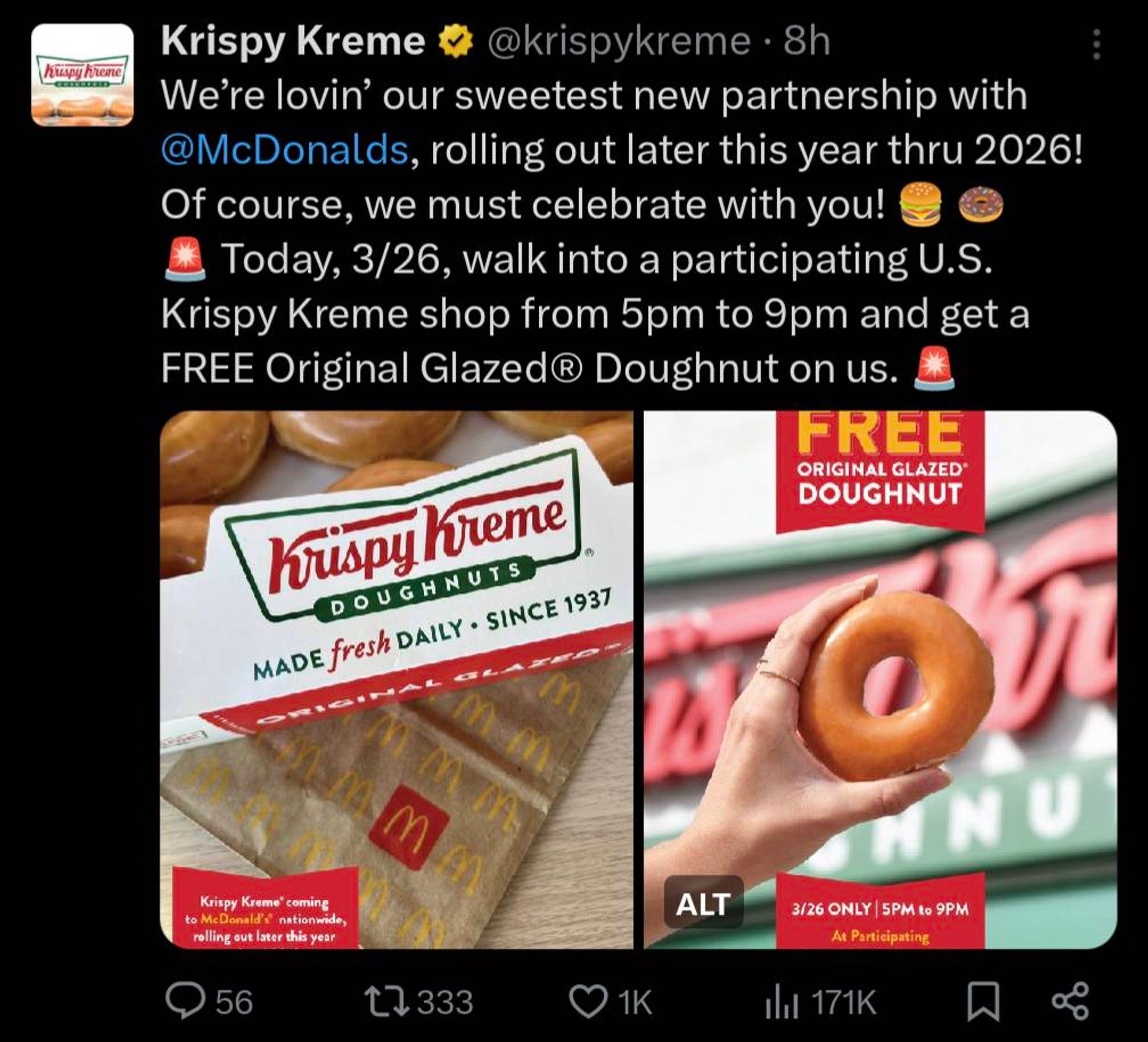
The 7-Eleven and Krispy Kreme quick-serve partnership represents a major supply chain and retail distribution model where fresh-baked doughnuts are delivered daily to convenience store locations. This arrangement expands Krispy Kreme's "Delivered Fresh Daily" strategy, leveraging 7-Eleven's extensive retail footprint to capture impulse-buy consumer demand without requiring dedicated standalone storefronts.
Overview of the 7-Eleven and Krispy Kreme Partnership
Strategic alliances within the quick-service restaurant and convenience retail sectors have evolved significantly. Retailers constantly search for high-margin, traffic-driving bakery products, while established brands look for alternative channels to reach consumers outside traditional brick-and-mortar storefronts. The collaboration between 7-Eleven and Krispy Kreme addresses these mutual business goals through a specialized supply chain model often referred to as "Hub and Spoke" or "Delivered Fresh Daily" (DFD).
In this arrangement, Krispy Kreme utilizes its production hubs—ranging from traditional hot light stores to larger factory locations—to manufacture glazed and assorted doughnuts. These products are packaged and transported to participating 7-Eleven convenience store locations during early morning hours, ensuring that inventory is replenished fresh each day. For 7-Eleven franchisees and corporate operators, this means offering an globally recognized confectionery brand without needing commercial baking infrastructure on-site.
Mechanics of the Delivered Fresh Daily (DFD) Model
The success of the 7-Eleven and Krispy Kreme quick-serve partnership relies heavily on logistics and inventory management. Unlike frozen-and-thawed baked goods that have extended shelf lives, fresh yeast-raised doughnuts require precise timing to maintain optimal texture and taste.
- Krispy Kreme Hub / Factory
- Early Morning Logistics & Transport
- Participating 7-Eleven Location
- Merchandising in Branded Display Cases
- Consumer Purchase
Supply Chain and Logistics
Krispy Kreme delivery drivers service convenience stores early in the morning, restocking branded display cases before peak morning commuter traffic begins. Logistics schedules are tightly coordinated to match 7-Eleven’s morning coffee rush, capitalizing on the pairing of hot beverages and fresh pastries.
Inventory Turnover and Wastage Control
Because the product is perishable, the DFD model requires strict inventory tracking. Store operators and DFD route sales representatives monitor sell-through rates daily. Unsold product management typically follows agreed-upon return or credit policies to ensure that displays feature fresh inventory while minimizing financial loss for the retailer.
Operational Impact on Convenience Retail
Integrating a high-profile quick-serve brand like Krispy Kreme into a convenience store environment introduces specific operational adjustments for store managers and staff.
- Display Maintenance: Staff must ensure that branded acrylic cases remain clean, organized, and fully stocked throughout the day.
- Merchandising Alignment: Display placement is typically optimized near high-traffic zones, such as coffee bars, checkout counters, or main entryways, to stimulate impulse purchases.
- Staff Training: While baking is not required on-site, employees require basic training regarding food safety, proper handling of pastry tongs, and sanitation of display fixtures.
Consumer Experience and Market Positioning
From the perspective of the everyday consumer, the partnership bridges the gap between convenience store speed and specialty bakery quality. Traditional convenience store bakery offerings often consist of individually wrapped, long-shelf-life items manufactured months in advance. By contrast, daily-delivered doughnuts offer a sensory and taste profile closer to visiting a dedicated Krispy Kreme shop.
This accessibility makes specialty doughnuts available in suburban, rural, or transit-heavy locations where a standalone Krispy Kreme store might not be economically viable. It serves commuters, shift workers, and families looking for quick treats during routine fuel or grocery stops.
Comparative Analysis of Quick-Serve Convenience Models
To understand the operational dynamics of the 7-Eleven and Krispy Kreme model, it helps to compare it against other common convenience store food service strategies.
| Feature / Model | Krispy Kreme DFD in 7-Eleven | Traditional Wrapped Pastries | On-Site Propelled Baking (e.g., in-store ovens) |
|---|---|---|---|
| Product Freshness | Daily delivery; consumed within 24–48 hours | Extended shelf life (weeks/months via preservatives) | Baked fresh on demand throughout the day |
| Labor Requirements | Minimal (daily stocking and case cleaning by drivers/staff) | Very low (stocking pre-wrapped items) | High (requires trained food service personnel and specialized equipment) |
| Equipment Costs | Low to moderate (branded display cases provided/maintained) | Minimal (standard shelving) | High (commercial ovens, proofers, ventilation hoods) |
| Brand Recognition | High (leverages a globally recognized confectionery name) | Variable (often private label or generic supplier) | Varies by program |
Common Challenges and Troubleshooting
While the partnership offers clear mutual benefits, implementing a daily-delivery fresh bakery program in thousands of convenience stores involves specific operational hurdles.
Stockouts and Over-Ordering
Balancing supply with fluctuating daily consumer demand is complex. Under-ordering leads to missed sales opportunities during the morning rush, whereas over-ordering results in surplus stock that cannot be sold the following day. Store managers utilize historical sales data, weather patterns, and local traffic trends to refine daily order quantities.
Product Integrity and Shelf Life
Doughnuts are sensitive to environmental factors such as humidity, temperature fluctuations, and exposure to air. Improperly sealed display cases or extended display times can lead to staling or compromised glaze texture. Adherence to strict FIFO (First-In, First-Out) rotation and daily clearing policies is mandatory to protect brand reputation.
Frequently Asked Questions
Are Krispy Kreme doughnuts sold at 7-Eleven made fresh daily?
Yes. Under the Delivered Fresh Daily (DFD) model, Krispy Kreme delivers fresh doughnuts to participating 7-Eleven stores every morning from regional production hubs, ensuring high turnover and fresh inventory.
Do 7-Eleven employees bake the Krispy Kreme doughnuts on-site?
No. The doughnuts are manufactured at Krispy Kreme production facilities and delivered ready for merchandising. Convenience store employees are only responsible for displaying, restocking, and maintaining the display cases.
Are all 7-Eleven locations stocked with Krispy Kreme products?
No. The availability of Krispy Kreme doughnuts depends on geographic proximity to Krispy Kreme production hubs and specific regional distribution agreements between the two corporations.
How do stores handle leftover doughnuts at the end of the day?
Inventory management is typically handled through established DFD route protocols, where route drivers account for unsold items, manage credits, and replenish fresh stock during their morning service visit.
Next Actions and Strategic Recommendations
For retail operators, convenience store owners, and supply chain analysts evaluating similar quick-serve partnerships, success depends on data-driven inventory forecasting and rigorous adherence to merchandising standards. Ensuring that display cases are prominently positioned near coffee stations maximizes the cross-selling potential between hot beverages and fresh baked goods. Monitoring daily shrink and turnover rates will ultimately determine the long-term profitability and viability of integrating fresh DFD bakery programs into traditional retail footprints.