Navigating the United States cryptocurrency landscape requires finding platforms that balance deep liquidity, robust security architecture, and strict compliance with federal and state regulations. The top crypto exchanges operating in the US generally include Coinbase, Kraken, Crypto.com, Gemini, and Robinhood Crypto, each catering to distinct trader profiles ranging from absolute beginners to advanced institutional investors.
Choosing the right digital asset platform is a critical first decision for anyone looking to enter the digital currency market. The United States maintains one of the most stringent regulatory environments for financial technology and digital assets globally. Regulatory bodies such as the Securities and Exchange Commission (SEC), the Financial Crimes Enforcement Network (FinCEN), and various state-level Department of Financial Services (DFS) regulators enforce rigorous compliance standards. Consequently, not all international trading platforms are accessible to US residents, and domestic platforms must adhere to strict Know Your Customer (AML/KYC) and Anti-Money Laundering frameworks.
Understanding how these platforms differ in fee structures, supported tokens, security protocols, and usability helps users make an informed choice that aligns with their financial goals and risk tolerance. Financial disclaimer: Cryptocurrency trading involves substantial risk of loss and is not suitable for every investor; valuations can fluctuate wildly, and past performance is no guarantee of future results.
Understanding the US Regulatory Landscape for Crypto Exchanges
Before depositing funds onto any digital asset platform, users must understand the legal framework governing US-facing exchanges. Unlike decentralized finance (DeFi) protocols, centralized exchanges (CEXs) operating legally within the United States must obtain specific licenses. These typically include Money Transmitter Licenses (MTLs) in the individual states where they operate, registration with FinCEN as a Money Services Business (MSB), and compliance with the Bank Secrecy Act (BSA).
This regulatory oversight provides a layer of consumer protection that is largely absent in unregulated or offshore exchanges. If a platform is fully compliant, users have recourse through established legal channels, and the exchange is legally mandated to segregate customer funds from corporate operational capital. However, this compliance comes with trade-offs. Account verification is mandatory, often requiring government-issued photo identification, Social Security number verification, and proof of address. Furthermore, the selection of altcoins available on US-compliant exchanges can be more limited compared to global variants, as exchanges tread carefully to avoid listing tokens that regulators might classify as unregistered securities.
1. Coinbase: Best for Beginners and User Experience
Headquartered in the United States and publicly traded on the NASDAQ under the ticker COIN, Coinbase is widely recognized as the most user-friendly entry point for American crypto investors. The platform prioritizes accessibility, allowing users to link traditional US bank accounts via ACH transfers, debit cards, or wire transfers to purchase major assets like Bitcoin (BTC), Ethereum (ETH), and hundreds of other supported altcoins within minutes.
Key Features and Ecosystem
Coinbase operates two distinct interfaces: standard Coinbase and Coinbase Advanced. The standard interface is designed for retail investors who want a clean, straightforward "buy and sell" experience without complicated charts or order books. Conversely, Coinbase Advanced provides granular market data, TradingView charts, limit orders, and market orders, catering to more frequent traders. Additionally, Coinbase offers an educational rewards program ("Coinbase Earn") that allows users to earn small amounts of crypto by completing educational modules about specific blockchain projects.
Security and Custody
Coinbase boasts an impressive security track record, storing the vast majority of its digital assets in offline, air-gapped cold storage. For retail accounts, the platform enforces mandatory two-factor authentication (2FA) and offers FDIC pass-through insurance for cash balances held in custodial partner banks (up to standard limits). Institutional clients benefit from specialized custody solutions with dedicated insurance policies covering digital asset theft and cyber breaches.
Fee Structure
The standard Coinbase retail interface uses a variable fee model combined with a spread, which can be relatively high for small-volume buyers. Users placing market or limit orders through Coinbase Advanced, however, benefit from a maker-taker fee schedule that scales down significantly based on 30-day trading volume, making it much more cost-effective for active market participants.
2. Kraken: Best for Advanced Traders and Security
Founded in 2011 and based in San Francisco, Kraken is one of the oldest and most respected cryptocurrency exchanges in the industry. It has built a stellar reputation among veteran traders and institutional desks due to its unwavering commitment to platform security, deep market liquidity, and advanced trading features.
Advanced Trading Capabilities
Kraken supports a wide array of sophisticated financial instruments, including spot trading, margin trading with leverage (for eligible non-US or qualified US clients depending on regulatory updates), and over-the-counter (OTC) trading blocks for high-net-worth individuals and institutions. The platform's charting tools are robust, and its order execution engines are engineered to handle high-frequency trading without latency issues.
Security Architecture
Security is Kraken’s hallmark. The exchange was among the first in the industry to conduct regular Proof of Reserves audits, allowing clients cryptographically to verify that their assets are fully backed and held safely in cold storage. Kraken implements rigorous account-level security measures, including master key settings, global settings lock, and granular API permissioning to protect against unauthorized access and SIM-swapping attacks.
Fee Transparency
Kraken operates on a transparent maker-taker fee schedule. Fees decrease as your 30-day trading volume increases. For high-volume traders and market makers, Kraken offers competitive tier structures that compare favorably with any domestic or international competitor. Users should note that funding methods vary in cost; ACH online banking deposits are generally free or low-cost, whereas wire transfers may carry institutional bank fees.
3. Crypto.com: Best for Mobile Trading and Rewards
Crypto.com has aggressively positioned itself as a comprehensive financial ecosystem for mobile-first users. While it offers a desktop exchange platform for advanced users, its primary appeal lies within its feature-rich mobile application, which integrates digital asset trading with Visa debit card rewards, staking, and decentralized finance (DeFi) wallet services.
The Crypto.com Ecosystem and Visa Cards
One of the most notable features of the platform is its Crypto.com Visa Card program. By staking (locking up) a specified amount of the platform's native token, CRO, users can qualify for metal Visa cards that offer cashback rewards paid in CRO on everyday purchases, alongside perks like rebates for streaming services and airport lounge access.
Accessibility and Asset Selection
The mobile application is designed for frictionless onboarding. Users can fund their accounts rapidly via ACH, debit cards, or wire transfers. Crypto.com supports an extensive catalog of tokens, giving US users access to a diverse portfolio of established coins and emerging altcoin projects.
Fee Considerations
Crypto.com utilizes a tiered fee structure based on 30-day trading volume and CRO stake amounts. While the mobile app's instant-buy feature includes a built-in spread, utilizing the designated Crypto.com Exchange desktop platform provides access to tighter spreads and lower maker-taker fees for high-volume transactions.
4. Gemini: Best for Regulatory Compliance and Trust
Founded by Cameron and Tyler Winklevoss, Gemini Trust Company, LLC is structured specifically as a New York trust company regulated by the New York State Department of Financial Services (NYSDFS). This unique charter places Gemini under some of the strictest regulatory and capital reserve requirements in the entire financial sector, making it a premier choice for risk-averse investors and institutions prioritizing legal compliance.
Security and Insurance
Because Gemini operates as a trust company, it acts as a fiduciary bound by strict legal obligations to protect customer assets. The platform carries specialized digital asset insurance that protects the crypto held in its hot wallet against theft resulting from a breach or hack of the hot wallet, or employee theft. Customer fiat funds are held in dedicated custodial accounts at FDIC-insured partner banks and are eligible for pass-through FDIC insurance.
Gemini ActiveTrader
While the standard Gemini interface caters to casual buyers, the platform features a dedicated trading view called Gemini ActiveTrader. This interface is tailored for active retail traders, featuring multiple order types, advanced block trading options, and deep liquidity pools backed by competitive maker-taker fee tiers that reward high-volume market participants.
Ecosystem Add-ons
Gemini also offers Gemini Earn (subject to historical restructuring and shifting regulatory permissions), Gemini Pay, and a robust mobile application. Its API infrastructure is stable and well-documented, making it a favorite for algorithmic traders who require institutional-grade reliability.
5. Robinhood Crypto: Best for Equity and Crypto Integration
Robinhood Markets pioneered commission-free stock trading and has since expanded its offerings significantly through Robinhood Crypto. While traditional crypto purists often debate custodial limitations, Robinhood remains a dominant force for retail investors who want to manage stocks, options, retirement accounts, and digital assets within a single, unified dashboard.
Streamlined Interface and Cost Efficiency
Robinhood’s primary advantage is its radical simplicity. The app eliminates complex order books and confusing fee tables for casual investors, offering a streamlined zero-commission trading model on crypto transactions (though the platform builds revenue into the bid-ask spread). Users can buy fractional shares of major cryptocurrencies starting with as little as one dollar.
Custody and Wallet Integration
Historically, Robinhood held all user crypto in closed-loop custodial wallets, meaning users could buy and sell crypto within the app but could not withdraw it to external hardware wallets. However, Robinhood has introduced a dedicated Robinhood Wallet feature, enabling eligible users to send, receive, and self-custody digital assets on various supported blockchain networks.
Security Protocols
Robinhood employs modern cybersecurity standards, including two-factor authentication, biometric login verification, and cold storage solutions for the vast majority of user digital assets. While it lacks the advanced margin trading and deep institutional toolsets found on dedicated platforms like Kraken or Coinbase Advanced, it remains an ideal gateway for casual everyday investors.
| Exchange | Best For | Regulatory Status / US Compliance | Core Fee Model | Security Highlights |
|---|---|---|---|---|
| Coinbase | Beginners & UX | US Publicly Traded (NASDAQ: COIN), State MTLs | Maker-Taker / Variable Spread | Cold storage, 2FA, FDIC cash insurance |
| Kraken | Advanced Traders | FinCEN MSB, State MTLs | Maker-Taker (Volume-scaled) | Proof of Reserves, Global Settings Lock |
| Crypto.com | Mobile & Rewards | FinCEN MSB, State-by-State Licensing | Tiered Maker-Taker / App Spread | ISO certifications, Cold storage |
| Gemini | Trust & Compliance | NYSDFS Regulated Trust Company | ActiveTrader Maker-Taker Tiers | Fiduciary custody, Hot-wallet insurance |
| Robinhood | Integrated Portfolios | SEC Registered Broker-Dealer, FinCEN MSB | Commission-free (Spread-based) | Biometric 2FA, Self-custody wallet option |
Comparative Analysis: Fees, Security, and Asset Selection
Evaluating crypto exchanges requires looking beyond marketing claims and examining the practical mechanics of how these platforms handle your capital. Fees can silently erode investment returns over time, particularly for frequent traders. While platforms like Robinhood advertise zero-commission trading, they may utilize wider spreads than specialized order-book exchanges like Kraken or Coinbase Advanced. Conversely, high-volume traders benefit immensely from maker-taker fee structures that reward those who add liquidity to the order books.
Security is another non-negotiable metric. Every major US exchange utilizes cold storage for the vast majority of customer funds, shielding assets from online vulnerabilities. However, account-level security largely depends on the user. Implementing hardware-based two-factor authentication (such as YubiKey) rather than SMS-based 2FA is essential for protecting your account against interception and social engineering attacks.
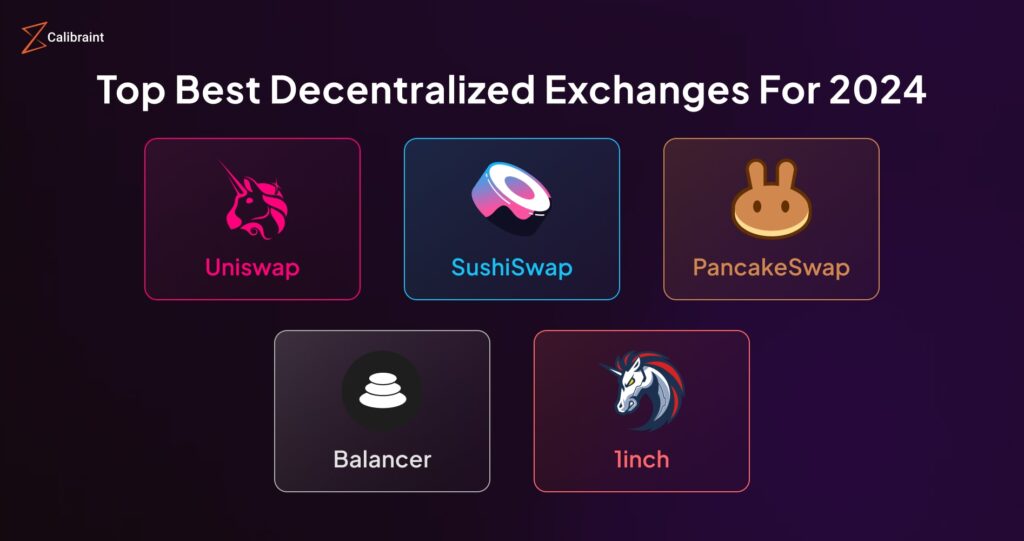
Asset selection varies widely across these platforms. If your goal is to trade obscure, low-cap decentralized finance tokens, centralized US exchanges will frequently fall short due to strict regulatory compliance hurdles. For these assets, users often look to decentralized exchanges (DEXs), though doing so requires navigating self-custodial wallets and accepting higher smart-contract risks. For blue-chip assets like Bitcoin, Ethereum, and major layer-1 tokens, the five exchanges listed above provide ample liquidity and robust security.
Step-by-Step Guide: How to Choose and Open a US Crypto Account
Selecting the right exchange is only the first step; executing the onboarding process correctly ensures account security and compliance. Follow this structured roadmap to set up your account:
- Assess Your Trading Style: Determine whether you are a long-term holder buying once a month (Coinbase, Robinhood) or an active technical trader requiring advanced order types and low fees (Kraken, Gemini ActiveTrader).
- Verify State Availability: Confirm that the exchange is fully licensed to operate within your specific state of residence, as New York, Hawaii, and Texas often have distinct regulatory restrictions.
- Initiate KYC Verification: Prepare a government-issued photo ID (driver's license or passport), your Social Security number, and proof of residential address (utility bill or bank statement).
- Configure Account Security: Immediately enable two-factor authentication using an authenticator app (like Google Authenticator or Authy) rather than text messages. Set up a secure, unique password and enable withdrawal whitelisting if available.
- Link Funding Sources: Connect your bank account via ACH transfer for the lowest deposit fees, or link a debit card for instant purchases (noting that debit card purchases carry higher fees).
Frequently Asked Questions
Are cryptocurrency exchanges in the US safe to use?
Yes, centralized crypto exchanges operating legally within the United States are generally safe, provided they adhere to federal and state regulations such as FinCEN and state-level Department of Financial Services guidelines. They implement institutional-grade security, including offline cold storage and strict fund segregation. However, they are not completely immune to cyber threats, and cryptocurrency assets are not insured by the federal government in the same manner as traditional bank deposits (FDIC insurance generally covers only underlying cash fiat balances, not digital tokens).
Which US crypto exchange has the lowest fees?
For active traders utilizing order-book interfaces (such as Coinbase Advanced, Kraken, or Gemini ActiveTrader), fees are structured on a maker-taker model that scales down based on 30-day trading volume. Robinhood offers commission-free trading on crypto, but users should factor in the built-in spread cost when evaluating overall trade execution pricing.
Can I withdraw my crypto from these exchanges to a private wallet?
Yes, all five of the featured exchanges allow users to withdraw their digital assets to external self-custody wallets, such as hardware wallets (Ledger or Trezor) or software wallets. It is generally considered a best practice for long-term security to move significant holdings off exchanges and into self-custody where you control the private keys.
What documents do I need to open an account on a US crypto exchange?
Due to strict Bank Secrecy Act and anti-money laundering regulations, opening an account requires identity verification. You will typically need to provide your full legal name, date of birth, Social Security Number (SSN), a valid government-issued photo ID, and a document proving your residential address.
Why do US exchanges have fewer coins than international exchanges?
US-compliant exchanges must exercise extreme caution regarding which digital assets they list to avoid violating securities laws. Tokens that are traded freely on offshore platforms may be classified as unregistered securities by the SEC, exposing US-facing companies to severe legal liability and regulatory penalties.
Next Actions for Crypto Investors
Selecting a crypto exchange ultimately depends on your individual investment strategy, technical expertise, and comfort with regulatory frameworks. If you are a beginner prioritizing a seamless, educational onboarding process, Coinbase or Robinhood provides an intuitive entry point. If your priorities lean toward low fees, advanced charting, and institutional-grade security architecture, Kraken and Gemini ActiveTrader offer the necessary depth. Take time to evaluate your fee tolerance, security hygiene, and asset goals before transferring funds, and always maintain strict personal security practices by utilizing hardware-based two-factor authentication.