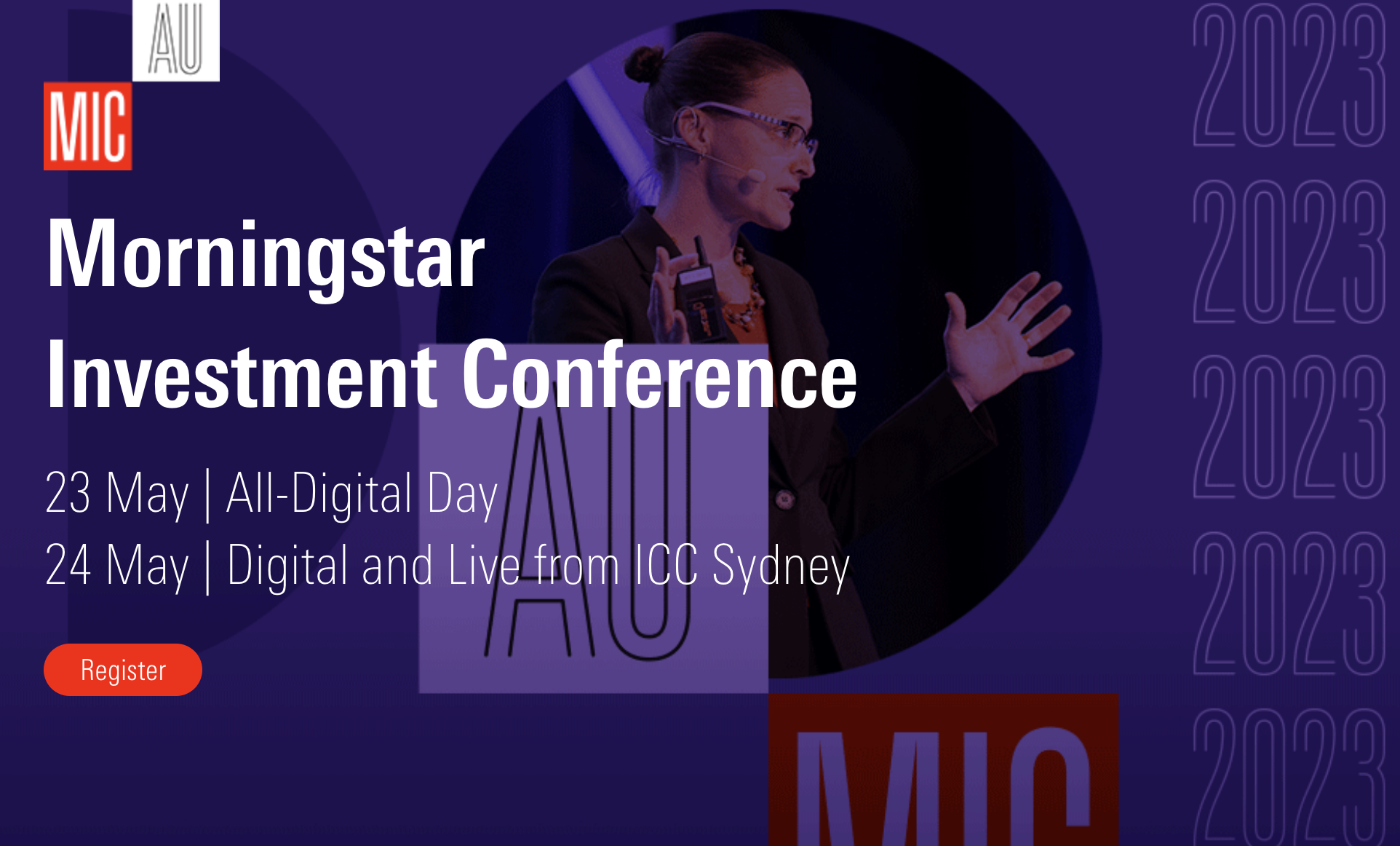
The 38th Morningstar Investment Conference 2026 serves as a premier gathering for financial advisors, institutional investors, portfolio managers, and individual investors seeking deep insights into macroeconomic trends, asset allocation strategies, and evolving financial technology. This flagship event brings together industry leaders, renowned economists, and top-tier portfolio managers to discuss the challenges and opportunities shaping global markets in an era of shifting monetary policies, technological disruption, and changing regulatory landscapes.
As the financial services industry continues to adapt to new macroeconomic realities, navigating a major industry conference requires a strategic approach. Whether attending in person or engaging with the programming through digital channels, participants must understand the event's core themes, registration logistics, continuing education opportunities, and key networking avenues. This comprehensive guide explores what to expect from the event, how to maximize its value, and the critical structural elements that define the conference experience.
Understanding the Scope and Significance of the Morningstar Investment Conference
The Morningstar Investment Conference has long established itself as a cornerstone event within the financial advisory and wealth management community. Over nearly four decades, the conference has evolved from a niche gathering of fund analysts into a massive convergence of investment professionals. The overarching mission remains anchored in Morningstar's core philosophy: putting investors first through independent research, data-driven analysis, and transparent evaluation of financial instruments.
In 2026, the relevance of independent research is more pronounced than ever. With retail investor participation at historic levels, complex alternative asset classes entering mainstream portfolios, and artificial intelligence transforming wealth management operations, attendees face an increasingly complicated decision-making environment. The conference addresses these complexities by breaking down market data into actionable intelligence. Keynotes, panel discussions, and breakout sessions are curated not merely to present high-level economic theories, but to equip practitioners with practical tools they can immediately implement in client portfolios.
Furthermore, the event acts as a live laboratory for observing shifts in investor sentiment. Discussions typically span across traditional equities, fixed income markets, private equity, digital assets, and sustainable investing. By bringing together conflicting viewpoints from chief investment officers and independent researchers, the conference fosters a balanced environment where attendees can stress-test their own investment theses and portfolio constructions against prevailing market consensus.
Core Themes and Market Outlook for 2026
Every iteration of the Morningstar Investment Conference is anchored by the prevailing economic conditions of the year. For the 38th installment, the agenda reflects a financial landscape defined by interest rate normalization, inflationary dynamics, global trade reconfigurations, and the maturation of generative artificial intelligence across enterprise sectors.
Macroeconomic Realities and Fixed Income Strategies
Following years of aggressive monetary policy shifts, fixed income has reclaimed a central role in portfolio construction. The conference dedicates substantial programming to navigating yield curves, credit risk assessment, and duration management. Panelists explore whether current yields offer adequate protection against sticky inflation and examine the role of cash equivalents, short-duration bonds, and high-yield instruments in balanced portfolios.
Equity Valuation and Growth Drivers
With market concentration remaining a focal point for equity investors, sessions analyze the sustainability of mega-cap technology valuations alongside the cyclical recovery of small-cap and international equities. Independent analysts unpack fundamental valuation metrics, distinguishing between structurally resilient businesses with durable economic moats and companies vulnerable to margin compression and rising capital costs.
Alternatives, Private Markets, and Liquidity Management
As the democratization of private equity and private credit accelerates, wealth managers are increasingly expected to incorporate non-traditional assets into client portfolios. The conference provides critical frameworks for evaluating private market valuations, understanding liquidity constraints, and managing the fee structures associated with alternative investment vehicles.
Conference Structure, Formats, and Educational Tracks
To accommodate a diverse audience ranging from independent registered investment advisors (RIAs) to home-office executives at major wirehouses, the conference utilizes a multi-tiered programming structure. Understanding these formats ensures that attendees can tailor their schedules to align with their specific professional development goals and business models.
- Keynote Plenary Sessions: High-profile addresses delivered by industry luminaries, prominent economists, and corporate leaders discussing broad economic trajectories, geopolitical risks, and structural market changes.
- Breakout and Educational Tracks: Specialized sessions divided into distinct categories such as portfolio construction, practice management, behavioral finance, and specific asset class deep dives.
- Interactive Workshops: Hands-on sessions designed to help advisors leverage financial technology, optimize tax strategies, and enhance client communication techniques.
- Exhibition Hall and Solution Pavilions: An expansive marketplace where asset managers, software providers, custodial platforms, and fintech startups showcase their latest products and services.
Continuing Education (CE) Credits and Professional Development
For certified financial professionals, the conference functions as a major hub for earning Continuing Education (CE) credits. Maintaining designations such as the CERTIFIED FINANCIAL PLANNER™ (CFP®), Chartered Financial Analyst (CFA), and various insurance and accounting licenses requires a consistent accumulation of verified learning hours.
The event organizers coordinate with governing bodies to ensure that a significant portion of the educational sessions qualifies for CE credit. Attendees must adhere to specific attendance tracking protocols, which typically involve scanning badges at session entrances and exits or completing post-session digital evaluations. Practitioners should review the preliminary credit schedule prior to arrival, mapping out sessions that fulfill their specific regulatory renewal cycles while matching their substantive interests.
Practical Logistics: Registration, Pricing, and Accessibility
Attending the 38th Morningstar Investment Conference requires careful logistical planning, particularly regarding registration tiers, travel arrangements, and venue navigation.
Registration Tiers and Early-Bird Incentives
Pricing structures are generally tiered to incentivize early commitment. Early-bird registration windows typically open several months in advance, offering discounted rates for independent advisors, enterprise teams, and students or academics. Registration fees usually include access to all general sessions, breakout tracks, exhibition halls, and designated networking receptions. Special group rates may be available for multi-person teams from the same RIA firm or financial institution.
Digital and Hybrid Access Options
Recognizing that international travel or scheduling constraints prevent some professionals from attending in person, the conference frequently offers virtual access passes. These digital tickets provide livestreaming of keynotes, access to on-demand session recordings, and virtual networking features. While virtual attendance lacks the immediate benefits of in-person hallway conversations and hands-on software demonstrations, it remains a cost-effective alternative for continuous professional development.
Comparison of Attendance Formats
| Feature | In-Person Attendance | Virtual / Hybrid Access |
|---|---|---|
| Primary Advantage | Direct networking, face-to-face meetings, live Q&A | Lower cost, no travel required, flexible viewing |
| CE Credit Availability | Full access to all verified sessions | Available for completed digital modules |
| Exhibition Hall Access | Full physical interaction with vendors and tech demos | Limited to virtual sponsor booths and digital collateral |
| Networking Potential | High (receptions, lunches, coffee breaks) | Moderate (digital chat rooms, scheduled video calls) |
| Cost Consideration | Higher (registration, hotel, travel expenses) | Lower (flat pass fee) |
Maximizing Value: Networking and Business Development
Beyond the educational curriculum, the conference serves as an essential networking nexus. For independent financial advisors, the event offers a rare opportunity to connect with peers facing similar operational hurdles—ranging from succession planning and regulatory compliance to client acquisition and technological integration.
To make the most of the networking environment, participants should establish clear objectives before arriving. Key strategies include:
- Leveraging Conference Apps: Utilize official event mobile applications to schedule meetings with vendor representatives, connect with fellow attendees, and build a personalized agenda.
- Targeting Specific Vendors: Rather than wandering aimlessly through the exhibition hall, identify three to four software or asset management providers whose solutions directly address current operational bottlenecks in your practice.
- Engaging in Roundtable Discussions: Participate in peer-to-peer breakout roundtables, which encourage open dialogue and practical problem-solving among practitioners.
Common Mistakes to Avoid When Attending
First-time attendees and seasoned conference-goers alike can easily fall into common traps that diminish the return on their time and financial investment. Avoiding these pitfalls ensures a productive experience.
- Over-Scheduling the Itinerary: Trying to attend every single session leads to cognitive fatigue. Leave buffer time for processing information, visiting the exhibition hall, and resting.
- Failing to Pre-Book Meetings: Popular breakout rooms fill up quickly, and key vendor representatives maintain packed calendars. Schedule critical interactions well in advance.
- Ignoring Practice Management Content: While deep dives into esoteric asset classes are intellectually stimulating, neglecting operational, marketing, and compliance sessions misses an opportunity to improve the day-to-day efficiency of an advisory business.
- Neglecting Post-Conference Follow-Up: Collecting a stack of business cards or downloading dozens of digital brochures yields little value without a structured post-event outreach plan to solidify new connections.
Frequently Asked Questions
Who should attend the Morningstar Investment Conference?
The conference is designed primarily for financial advisors, wealth managers, institutional portfolio managers, registered investment advisors (RIAs), analysts, and individual investors who want institutional-grade insights into asset allocation and market trends.
Are all conference sessions eligible for CFP and CFA continuing education credits?
Not every session qualifies for CE credit. Attendees must review the official conference program, which clearly designates which specific keynotes and breakout tracks have been pre-approved by governing standards boards.
Is virtual access available for those unable to travel to the venue?
Yes, hybrid ticketing options are frequently provided, offering livestream broadcasts of major keynotes and on-demand access to educational sessions for remote participants.
How can advisors schedule meetings with Morningstar analysts during the event?
The event organizers typically provide dedicated networking spaces and digital scheduling tools through the official conference mobile application, allowing attendees to request brief consultations or view scheduled researcher Q&A sessions.
What is the cancellation policy for conference registration?
Cancellation deadlines and refund policies vary depending on the specific registration tier purchased and how far in advance notice is provided. Review the terms and conditions on the official registration portal before purchasing tickets.
Conclusion and Next Actions
The 38th Morningstar Investment Conference 2026 offers an invaluable platform for financial professionals striving to stay ahead in a dynamic market environment. By synthesizing rigorous independent research, macroeconomic outlooks, and practical practice management strategies, the event equips attendees to navigate complex portfolios with confidence. To capture the full value of this year's gathering, interested professionals should review the preliminary agenda, evaluate registration and travel options, and secure their passes early to take advantage of priority pricing and scheduling windows.