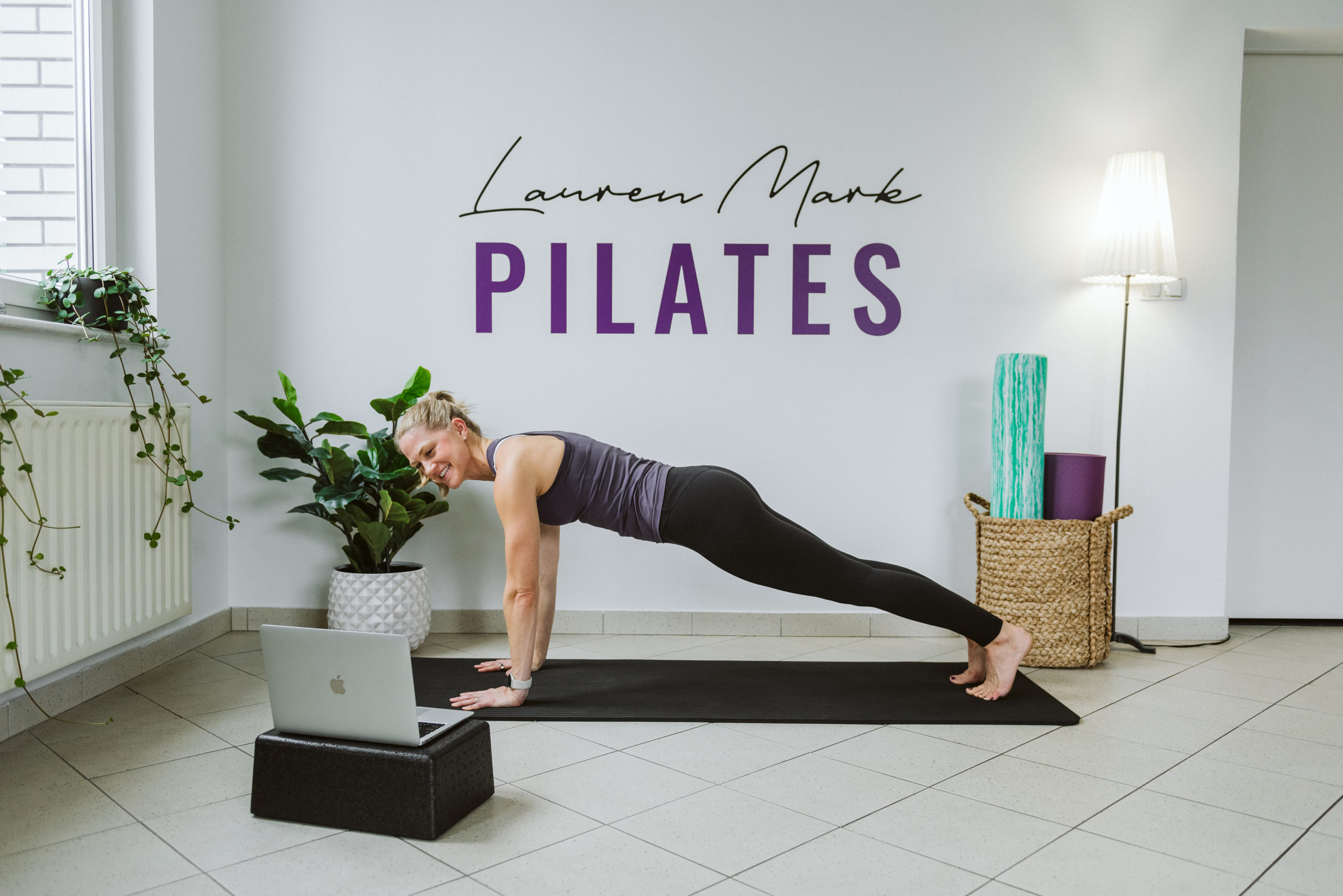
A 30-minute Pilates session can deliver substantial strength, mobility, and core-conditioning benefits, but only when executed with precise form, deliberate mind-muscle connection, and high movement efficiency. Because time is compressed, every repetition must count, eliminating wasted momentum to maximize muscular engagement within a short window.
Decoding the 30-Minute Pilates Myth: Can a Short Session Be Effective?
The fitness landscape is saturated with extremes. On one side, enthusiasts argue that an effective workout requires a minimum of sixty minutes. On the other, high-intensity interval training (HIIT) marketing promises full-body transformations in as little as seven minutes. Pilates occupies a nuanced middle ground. A thirty-minute Pilates routine works exceptionally well, provided it is approached not as a truncated version of an hour-long class, but as a distinct, high-density training stimulus.
When Joseph Pilates developed his system—originally called Contrology—he emphasized quality over quantity. He designed movements to engage the deep stabilizing muscles, often referred to as the powerhouse, rather than fatiguing superficial muscle groups through endless repetitions. Therefore, condensing a session to thirty minutes does not inherently compromise its efficacy. In fact, for many practitioners, a shorter duration encourages sharper mental focus, preventing the form degradation and fatigue that often creep into the final fifteen minutes of a longer class.
However, the margin for error narrows significantly in a condensed workout. If you move mindlessly through a thirty-minute mat sequence, relying on momentum rather than muscular control, the physiological stimulus drops precipitously. Making a short session work requires understanding the underlying biomechanics, structuring the routine strategically, and abandoning the common temptation to rush through exercises just to check them off a list.
The Anatomy of an Effective Short Pilates Session
To achieve a full-body workout in thirty minutes, structure is paramount. A haphazard collection of favorite exercises will leave gaps in muscle recruitment and fail to elevate the heart rate sufficiently. An optimal thirty-minute session follows a deliberate physiological arc: nervous system activation, dynamic mobility, central core integration, targeted strengthening, and a restorative cool-down.
Phase Breakdown of a 30-Minute Routine
- Minutes 0–5: Centering and Breath Integration. Initiating the workout with lateral thoracic breathing and pelvic placement. This primes the transverse abdominis and prepares the nervous system for loaded movement.
- Minutes 5–12: Dynamic Warm-Up and Spinal Articulation. Incorporating movements like the Roll-Up, Cat-Cow variations, and Bridging to lubricate the spine and awaken the posterior chain.
- Minutes 12–25: High-Density Core and Limb Integration. Moving into foundational intermediate work—such as the Hundred, Single-Leg Stretch, Double-Leg Stretch, Criss-Cross, and Side-Kicking series—maintaining continuous tension.
- Minutes 25–30: Extension, Terminal Control, and Decompression. Utilizing prone extension exercises like the Swan or Swimming, followed by seated spine stretches to release tension and restore posture.
This structured progression ensures that no major movement plane is neglected. Flexion, extension, lateral flexion, and rotation are all addressed, transforming a brief window into a comprehensive movement practice.
Critical Factors That Determine Whether 30 Minutes Work
A thirty-minute workout does not fail because of time constraints; it fails because of execution errors. Several variables dictate whether your short session yields transformative results or merely burns a handful of calories without changing your muscle tone or posture.
Intensity Through Precision, Not Speed
In traditional weight training, intensity is often measured by heavy loads or rapid cadence. In Pilates, intensity is a function of resistance generated by opposing muscle groups and internal pressure management. If you rush through thirty minutes of mat work, gravity and momentum do the work for you. Slowing down, pausing at the point of maximum muscular challenge (isometric holds), and maintaining strict control over eccentric contractions will elevate the intensity of a movement tenfold.
The Role of Mind-Muscle Connection
Pilates is an inherently cognitive practice. You cannot zone out and watch television while executing a proper Hundred or Leg Pull Front. You must actively direct your awareness to specific anatomical markers: drawing the navel toward the spine without tucking the pelvis, knitting the ribs together during overhead arm movements, and keeping the shoulders depressed away from the ears. Without this internal feedback loop, the body defaults to compensatory movement patterns, utilizing larger, dominant muscles while the deep stabilizers remain dormant.
Consistency Over Duration
From a physiological standpoint, doing thirty minutes of Pilates four to five times a week yields superior adaptations in core endurance and postural alignment compared to doing a sporadic ninety-minute session once a week. Frequent, shorter bouts reinforce neuromuscular pathways, keeping postural muscles engaged throughout daily life.
Common Mistakes That Sabotage Short Pilates Workouts
Even dedicated practitioners sometimes fail to see results from shorter routines due to subtle technical errors. Recognizing and correcting these habits is essential for maximizing a thirty-minute investment.
| Common Mistake | Consequence | Corrective Action |
|---|---|---|
| Rushing Repetitions | Relies on momentum, bypassing deep muscle recruitment and reducing time under tension. | Pace each movement to a four-count breath cycle; eliminate jerky transitions. |
| Belly-Bulging (Distension) | Increases intra-abdominal pressure downward and outward, weakening the pelvic floor and transverse abdominis. | Exhale fully to knit ribs down and draw the abdominal wall inward and upward. |
| Tension in Neck and Shoulders | Overactivates the sternocleidomastoid and upper traps, leading to cervical strain and headaches. | Keep the shoulder blades broad across the mat; lower the upper body if the neck begins to grip. |
| Skipping the Warm-Up | Limits spinal articulation and joint lubrication, restricting range of motion and increasing injury risk. | Dedicate the first five minutes strictly to breathing and gentle spinal mobilization. |
| Ignoring Breath Rhythm | Disrupts core stabilization and causes breath-holding, which spikes blood pressure and induces fatigue. | Inhale to prepare and initiate; exhale through pursed lips during the hardest phase of exertion. |
Tailoring 30-Minute Pilates for Different Goals
A thirty-minute session can be customized to address specific fitness objectives. While a balanced full-body routine is ideal for general wellness, leaning into specific focal points can help target individual needs.
For Core Endurance and Flat-Tummy Focus
If your primary goal is strengthening the deep abdominal cylinder, prioritize flexion and anti-extension movements. Incorporate the Pilates abdominal series with razor-sharp transitions. Ensure that your lower back remains anchored to the mat during leg-extension exercises. If your lower back arches off the mat, modify the range of motion by elevating your legs higher toward the ceiling until your core endurance catches up.
For Posture and Back Pain Relief
Desk workers often suffer from hyper-kyphosis (rounded upper backs) and tight hip flexors. For this demographic, a thirty-minute routine should heavily feature posterior chain activation and spinal extension. Dedicate extra time to prone exercises like the Swan, Dart, and Breaststroke prep, which strengthen the rhomboids, erector spinae, and glutes while counteracting hours of forward-facing screen posture.
For Athletic Cross-Training
Runners, cyclists, and strength athletes can use thirty-minute Pilates sessions to address muscular imbalances and rotational stability. Focus heavily on lateral stability work—such as side-lying series and single-leg stability bridges—to reinforce the gluteus medius and prevent knee valgus during higher-impact athletic pursuits.
Frequently Asked Questions
Can 30 minutes of Pilates help with weight loss?
Pilates is primarily a strength, mobility, and conditioning practice rather than a high-calorie-burning cardiovascular workout. While a vigorous, intermediate-to-advanced thirty-minute session will burn calories, significant fat loss requires a combination of nutritional awareness and overall energy balance. However, Pilates transforms body composition by building lean muscle mass, which increases resting metabolic rate and improves overall posture, making your physique appear more sculpted and elongated.
How many times a week should I do a 30-minute Pilates routine?
Because thirty-minute sessions place a lower overall load on the central nervous system than heavy weightlifting or exhaustive endurance training, they can be performed more frequently. Doing a focused thirty-minute routine four to six times a week is sustainable and highly effective for building core strength and mobility. Listen to your body and incorporate at least one or two lighter recovery days or rest periods.
Do I need a reformer, or can I get a good workout on a mat?
A reformer is not required to make a thirty-minute Pilates session effective. Mat Pilates—often referred to as control mat work—was designed by Joseph Pilates to be performed independently using only body weight for resistance. In fact, mat work often requires more intrinsic core stability because you do not have the supportive springs and carriage of a reformer to assist or guide your limbs.
Is 30 minutes of Pilates enough for beginners?
For beginners, thirty minutes is often the optimal duration. Longer sessions can lead to form breakdown as the deep stabilizing muscles fatigue, causing neck strain or lower back compensation. Starting with thirty minutes allows a beginner to build the requisite mind-muscle connection and muscular endurance without becoming overwhelmed or overly sore.
Maximizing Your Next Session: Practical Next Steps
To verify whether your thirty-minute routine is working, strip away distractions. Turn off background television, step onto your mat barefoot, and dedicate the entire thirty minutes to internal feedback. Pay strict attention to your breath cadence, ensure your transitions are deliberate, and never sacrifice form for speed or extra repetitions. By treating a short session with high focus, you transform thirty minutes of movement into a potent tool for lifelong strength and mobility.