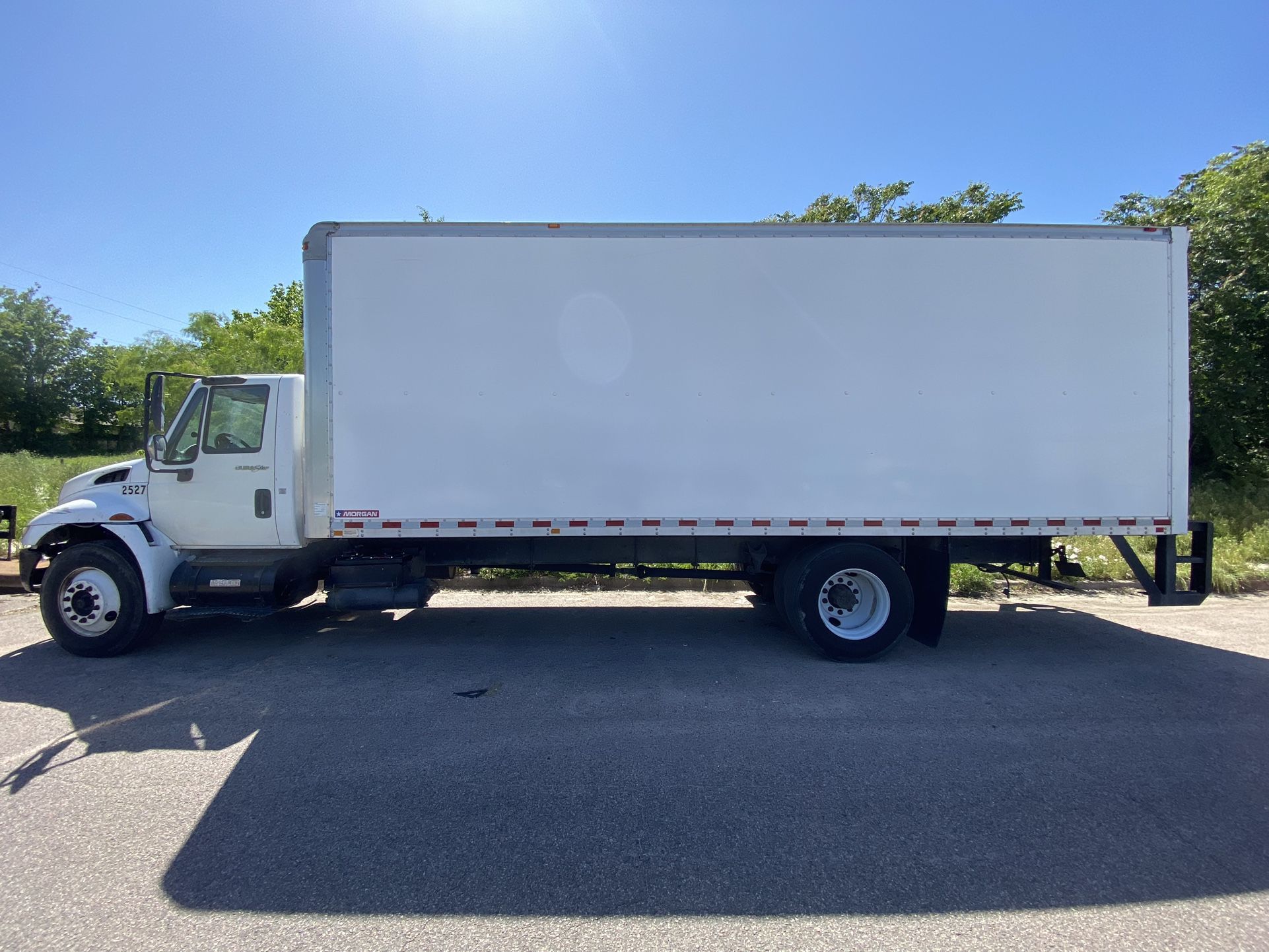
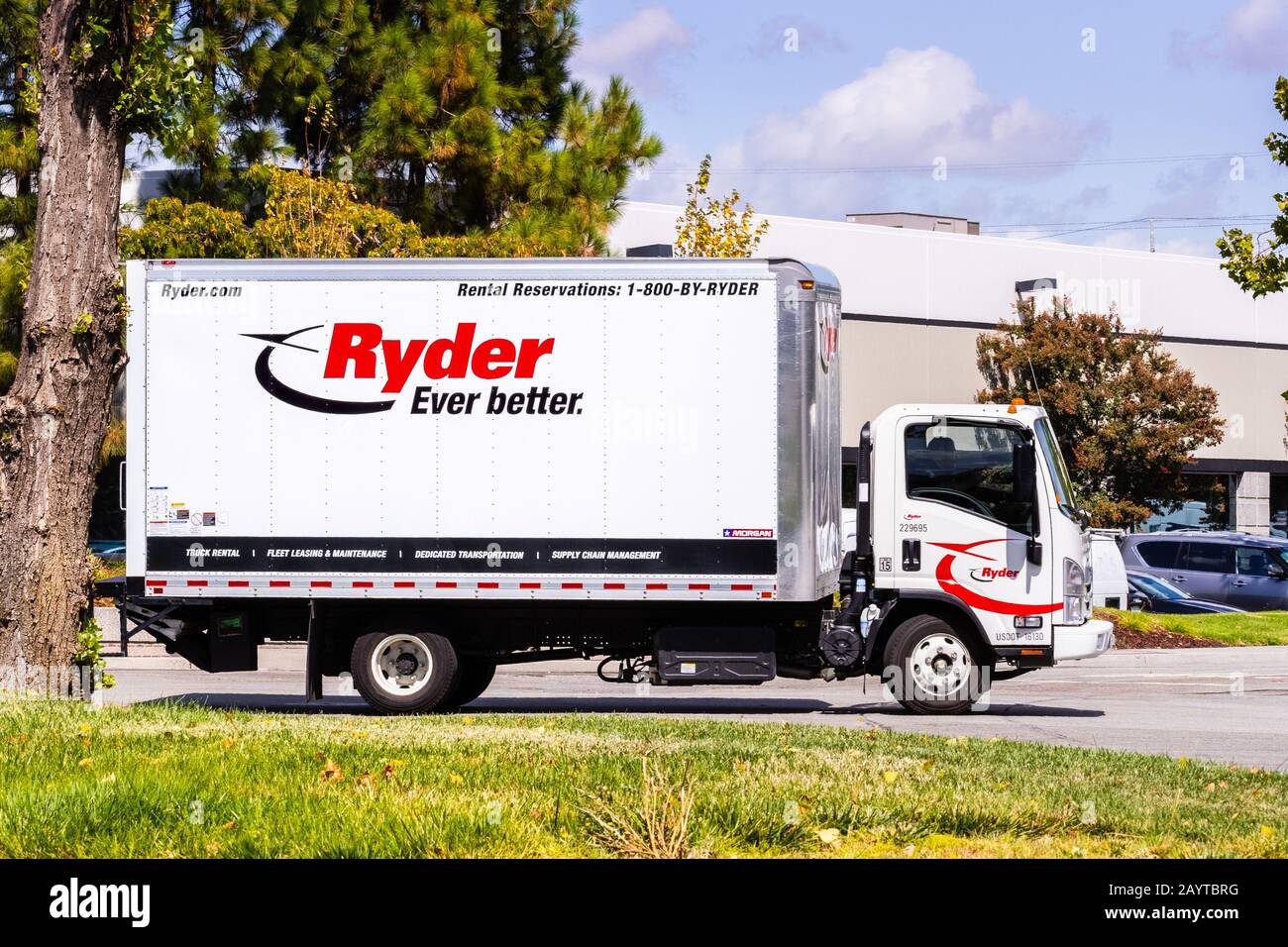
The 26 foot Ryder truck is a heavy-duty commercial vehicle designed primarily for large-scale household moves, professional relocation, and commercial logistics. As the largest box truck available for non-CDL (Commercial Driver’s License) operation in most jurisdictions, it offers significant cargo capacity for long-distance transport, requiring careful planning regarding load distribution, clearance heights, and fuel efficiency.
Understanding the 26 Foot Ryder Truck Capacity
The 26 foot box truck represents the top tier of Ryder’s consumer rental fleet. It is engineered to provide maximum volume, making it the standard choice for moving large homes (typically 4-to-6 bedrooms) or moving heavy equipment that requires a large floor area.
When analyzing capacity, it is essential to distinguish between gross vehicle weight and usable volume. While the cargo box measures approximately 26 feet in length, the internal dimensions—typically spanning 26’ L x 8’ W x 8’ H—provide roughly 1,600 to 1,700 cubic feet of storage. The weight capacity is generally rated for several thousand pounds of household goods, but renters must remain conscious of the maximum payload capacity specified in the vehicle’s door jamb to avoid exceeding axle limits, which can be dangerous and illegal.
Licensing and Regulatory Requirements
A common point of confusion for renters is whether a 26 foot truck requires a Commercial Driver’s License. Under current United States federal regulations, vehicles with a Gross Vehicle Weight Rating (GVWR) of 26,000 pounds or less do not require a CDL for personal use. Most standard 26 foot Ryder rentals are configured to fall just below this threshold, allowing them to be operated by a driver with a standard state-issued driver’s license.
However, renters should verify the specific GVWR of the assigned vehicle at the time of pickup. In some rare cases, specific commercial-grade trucks might exceed 26,000 pounds, at which point a Class B CDL would be mandatory. Always confirm the vehicle class with your local branch to ensure your license is compliant with state and federal laws. Furthermore, because these vehicles are large, drivers should be aware of state-specific restrictions regarding bridge heights, truck routes, and mandatory weigh station stops, which apply to commercial vehicles regardless of the driver's licensing status.
Operational Challenges and Handling
Driving a 26 foot vehicle is fundamentally different from operating a passenger car. The primary adjustment is the sheer length and width of the chassis. Drivers must account for a significantly wider turning radius; when making right-hand turns, the rear wheels will track much closer to the curb than the front tires, creating a risk of striking objects or pedestrians.
Height is another critical factor. At approximately 12 to 13 feet tall, the truck will not clear standard drive-thrus, low-hanging tree branches, or most residential garage entrances. Before embarking on your route, map your journey to avoid parkways or restricted roads that prohibit commercial-length vehicles. Furthermore, visibility is restricted to the side mirrors. Because there is no rearview mirror, drivers must rely exclusively on side-view mirror checks and, ideally, a spotter when backing into tight spaces or loading docks.
Technical Specifications and Loading Considerations
Loading a 26 foot Ryder truck requires a systematic approach to balance and safety. The vehicle features a loading ramp, which is a significant physical benefit compared to lift-gate models for certain types of cargo.
Recommended Loading Procedures
- Distribute Weight: Place the heaviest items toward the front of the cargo box (near the cab). This prevents the rear end from swaying or "fishtailing" at highway speeds.
- Secure the Load: Use logistics tracks (E-tracks) mounted on the interior walls. Heavy furniture and appliances should be strapped down to prevent shifting during transit, which is the leading cause of internal cargo damage.
- Utilize Moving Equipment: Use furniture dollies and appliance carts to move items up the ramp. Never attempt to manually lift heavy items into the truck bed, as the ramp angle can be steep and slippery.
Comparative Fleet Analysis
When comparing a 26 foot Ryder truck to other options, such as smaller box trucks or heavy-duty trailers, the primary benefit is the combination of volume and ease of operation.
| Feature | 16-20 Foot Truck | 26 Foot Truck | Commercial Trailer |
|---|---|---|---|
| Capacity (Rooms) | 2–3 | 4–6 | 7+ |
| License Needed | Standard | Standard | CDL (Usually) |
| Maneuverability | High | Low | Very Low |
| Fuel Efficiency | Moderate | Low | Very Low |
The 26 foot truck is the "sweet spot" for many DIY movers because it offers the most space possible without requiring professional heavy-vehicle training or specialized insurance endorsements. However, the fuel economy for a 26 footer is typically in the 6–10 MPG range, depending on load weight and terrain, which should be factored into your budget.
Pre-Trip Inspection and Troubleshooting
Before leaving the rental facility, a thorough inspection is not just recommended—it is a requirement. Check the following:
- Tires: Ensure all tires are properly inflated and show no signs of dry rot or excessive wear.
- Fluids: Check the oil and coolant levels, as these engines are prone to heat buildup during long hauls.
- Cargo Box: Inspect the roof and walls for light leaks, which indicate potential water entry points that could damage your belongings.
- Ramp: Extend and retract the ramp fully to ensure it locks securely and operates smoothly.
If you encounter mechanical issues on the road, Ryder provides 24/7 roadside assistance. It is essential to keep the rental agreement and emergency contact information in the cab at all times. Do not attempt to repair the vehicle yourself, as this can void insurance coverages and violate the rental contract.
Insurance and Financial Considerations
Renting a 26 foot vehicle involves more financial risk than a standard passenger car. Your personal auto insurance policy often does not extend to commercial trucks of this size. You should review your existing policy or consider purchasing the supplemental liability and physical damage coverage offered by the rental agency.
Beyond insurance, be mindful of the "hidden" costs of a large rental. These include toll road surcharges (many states classify the 26 foot truck as a multi-axle vehicle for toll purposes), higher fuel consumption, and potential cleaning fees. Ensure the truck is returned at the same fuel level at which it was picked up to avoid the often high per-gallon refueling charges imposed by rental agencies.
Frequently Asked Questions
1. Do I need a CDL to drive a 26 foot Ryder truck? In most cases, no. As long as the vehicle's GVWR is 26,000 pounds or less, a standard valid driver's license is sufficient. Always verify the specific GVWR of the truck you are assigned, as individual configurations can vary.
2. How much does a 26 foot truck hold in terms of home size? A 26 foot truck is generally recommended for a 4-to-6 bedroom home. This assumes a standard amount of furniture and boxes. If you have significant outdoor equipment, workshop tools, or oversized furniture, you may need to supplement the move with a trailer.
3. What is the approximate fuel economy of this vehicle? Expect between 6 and 10 miles per gallon. Performance will drop significantly when the truck is fully loaded and traveling through mountainous or hilly terrain. Budgeting for fuel should include a buffer of at least 20% over your calculated distance.
4. Can I drive a 26 foot truck through city centers? While possible, it is highly discouraged. Large box trucks have significant blind spots and require wide turning arcs that are difficult to manage in dense urban traffic. If you must enter a city, scout your route for low bridges, weight-restricted streets, and narrow intersections beforehand.
5. How do I secure items inside the cargo area? Most 26 foot Ryder trucks are equipped with E-tracks, which are metal slots along the walls. Use ratchet straps or logistic bars to lock items against the wall. This prevents the cargo from sliding during acceleration and braking, which is essential for preserving the condition of your belongings.
Next Steps for Your Rental
To ensure a successful experience with a 26 foot Ryder truck, begin your logistics planning at least two weeks before your move date. Confirm your reservation, verify your route for height restrictions, and gather the necessary moving supplies—specifically heavy-duty straps and moving blankets—to maximize the utility of the 26 foot space. If you are inexperienced with large vehicles, consider practicing a few turns in a large, empty parking lot before navigating onto highways or residential streets.