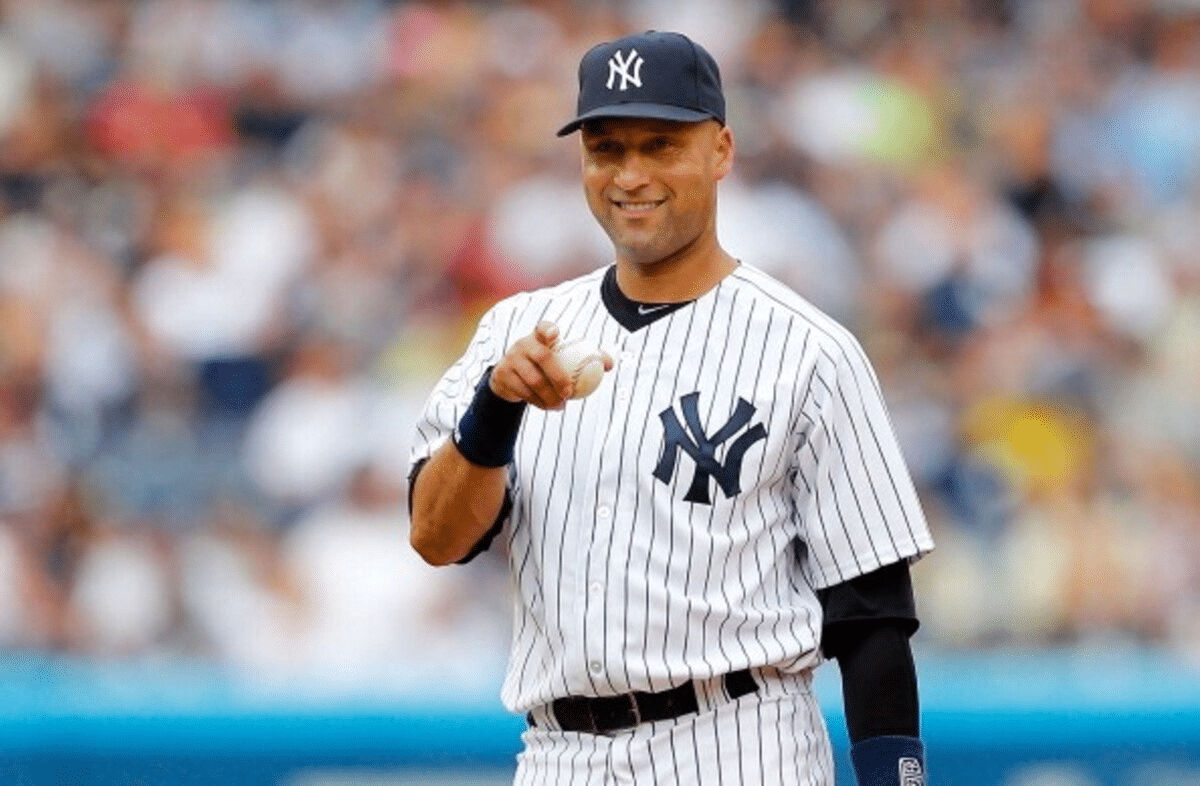
Derek Jeter accumulated a net worth estimated at approximately $215 million by 2018, driven by a legendary two-decade Major League Baseball career with the New York Yankees, lucrative corporate endorsements, and savvy post-playing entrepreneurial ventures. This financial standing positioned him among the wealthiest athletes of his generation, allowing him to cultivate a high-end luxury lifestyle defined by sprawling real estate holdings, premium transportation, and high-profile business investments.
The Foundations of a $215 Million Net Worth
Understanding how Derek Jeter reached a $215 million net worth requires examining the intersection of athletic dominance, market timing, and disciplined financial management. Throughout his 20-season career with the New York Yankees, Jeter was not only the face of baseball's most storied franchise but also one of its highest-paid competitors. His financial trajectory shifted significantly through successive contract renewals that set benchmarks for professional sports compensation.
Major League Baseball Career Earnings
Jeter’s career earnings on the diamond formed the bedrock of his financial portfolio. Drafted sixth overall in the 1992 Major League Baseball draft, he signed an initial minor league contract before making his major league debut in 1995. As he transitioned from Rookie of the Year to a multi-time World Series champion and team captain, his value to the Yankees franchise skyrocketed.
Over his career, Jeter signed several high-profile contract extensions that reflected his durability, marketability, and leadership:
- 1999–2000 Contract: A seven-year, $189 million deal that made him one of the highest-paid players in professional sports at the time.
- 2011–2013 Contract: A three-year, $51 million extension toward the twilight of his career, demonstrating his sustained value to ownership and fans alike.
In total, Jeter earned over $265 million in baseball salary alone before taxes and agent fees. Factoring in career longevity, performance bonuses, and postseason shares, his athletic earnings provided the primary liquidity needed for long-term investments and luxury acquisitions.
Endorsements and Corporate Partnerships
Beyond his salary, Jeter’s status as a clean-cut, scandal-free superstar in the largest media market in the United States made him a magnet for corporate sponsors. During his peak playing years and extending into his retirement, he maintained lucrative endorsement portfolios with Fortune 500 companies.
Key brand partnerships included:
- Nike and Jordan Brand: Jeter was one of the premier signature athletes for Nike's Jordan Brand, eventually releasing multiple signature cleats and lifestyle sneakers.
- Gatorade: Featured in iconic commercials, including his emotional farewell campaign at Yankee Stadium in 2014.
- Visa, Ford, and Movado: Represented high-end watchmakers, financial services, and automotive giants, pulling in an estimated $7 million to $10 million annually in off-field earnings during his playing days.
Early Entrepreneurial Ventures
Even while playing, Jeter began laying the groundwork for his post-athletic business career. In 2014, he launched The Players' Tribune, a digital media platform designed to provide athletes with a direct channel to publish unedited essays, personal stories, and announcements. Serving as founder and editor-in-chief, Jeter created a media property that attracted venture capital funding and was eventually acquired by The Minute Media group in 2019, further bolstering his net worth.
Real Estate Portfolio and Architectural Masterpieces
A significant portion of Derek Jeter’s $215 million net worth in 2018 was tied up in high-end real estate. Jeter’s property investments showcased a taste for architectural exclusivity, privacy, and prime geographical locations across the United States.
The Tampa Bay Waterfront Estate (St. Petersburg, Florida)
One of the most notable crown jewels of Jeter’s real estate portfolio during this era was his massive waterfront estate in Tampa, Florida. Situated on Davis Islands, the sprawling mansion featured over 30,000 square feet of living space, multiple swimming pools, custom security systems, and expansive views of Hillsborough Bay.
- Construction and Design: Built to Jeter's exact specifications, the custom mansion was often referred to locally as "St. Jetersburg."
- The Tom Brady Lease: Reflecting the property's immense scale and luxury, Jeter famously rented the mansion to NFL quarterback Tom Brady and supermodel Gisele Bündchen when Brady signed with the Tampa Bay Buccaneers.
- Sale: Jeter later listed and sold the property, capitalizing on the booming Florida real estate market and demonstrating his acumen for high-end property appreciation.
The Greenwood Lake Retreat (New York)
For a more secluded lifestyle away from the intense media scrutiny of New York City, Jeter maintained a sprawling compound on Greenwood Lake in Orange County, New York.
- History: The property, originally purchased by his grandparents, was heavily expanded and renovated by Jeter over the years.
- Amenities: The multi-acre compound featured multiple houses, a private tennis court, an infinity pool, a baseball-diamond-shaped yard, and extensive lake frontage. It served as a private sanctuary for family gatherings and off-season relaxation.
Manhattan Condominium (New York City)
During his playing days, maintaining a presence in Manhattan was essential. Jeter owned a luxurious residence in Trump World Tower, a premier skyscraper located in Midtown East. The high-rise condo offered panoramic views of the East River and the city skyline, concierge services, and top-tier security, aligning with his active lifestyle in the city that never sleeps.
Luxury Transportation: Aviation and Automobiles
Jeter’s lifestyle included high-end mobility solutions, balancing the need for privacy, efficiency, and comfort.
Private Aviation
While Jeter did not publicly own a private jet outright—a common financial strategy where high-net-worth individuals utilize fractional jet ownership or charter services to avoid heavy maintenance and depreciation costs—he was a frequent user of private aviation. Chartering Gulfstream or Bombardier aircraft allowed him to travel seamlessly between his New York interests, Florida residences, and business obligations without commercial travel delays.
Automotive Preferences
Jeter’s car collection reflected a partnership with Ford Motor Company alongside a taste for understated luxury and high performance. Rather than flashy, exotic supercars, his garage typically featured:
- Ford GT: A high-performance American supercar reflecting his long-standing sponsorship relationship with Ford.
- Custom SUVs: Escalades and Range Rovers outfitted for security and comfort, providing discreet transportation through Manhattan traffic and suburban New York.
Ownership Ambitions: The Miami Marlins
A major financial and lifestyle development that shaped Jeter’s profile around 2018 was his transition from athlete to sports executive and part-owner. In September 2017, an ownership group led by businessman Bruce Sherman and featuring Derek Jeter successfully acquired the Miami Marlins for approximately $1.2 billion.
- Jeter's Stake: Jeter invested a reported $25 million of his own capital to secure a roughly 4% equity stake in the franchise.
- Chief Executive Officer Role: Beyond his financial investment, Jeter assumed the role of Chief Executive Officer, overseeing baseball operations and business development for the Major League Baseball franchise.
- Lifestyle Impact: This role shifted his primary residence and professional focus to South Florida, integrating him deeply into Miami's high-society, philanthropic, and business communities alongside his wife, model Hannah Davis.
Financial Management and Wealth Preservation
Maintaining and growing a $215 million fortune requires rigorous financial discipline. Unlike many professional athletes who face financial distress shortly after retirement due to poor investments and extravagant spending, Jeter maintained a reputation for extreme fiscal conservatism and operational privacy.
- Conservative Advisors: Jeter surrounded himself with trusted financial advisors, attorneys, and wealth managers who steered him away from high-risk speculative ventures.
- Diversified Portfolio: His wealth was balanced across real estate, equity in businesses like The Players' Tribune, sports franchise ownership, and blue-chip stock portfolios.
- Philanthropy: Through the Turn 2 Foundation, established in 1996, Jeter balanced his luxury lifestyle with philanthropic initiatives aimed at helping youth avoid drug and alcohol abuse while encouraging academic excellence.
Comparative Overview of Athlete Net Worth and Luxury Assets (Circa 2018)
To contextualize Derek Jeter’s financial standing in 2018, the following table compares his estimated net worth, primary income sources, and notable luxury holdings against contemporaries and sports franchise investments of that era.
| Athlete / Executive | Estimated Net Worth (2018) | Primary Wealth Driver | Notable Luxury / Lifestyle Assets |
|---|---|---|---|
| Derek Jeter | $215 Million | MLB Salary, Endorsements, Marlins Ownership | Davis Island Mansion (Tampa), Greenwood Lake Compound, Private Aviation |
| Alex Rodriguez | $350 Million | MLB Contracts, Real Estate, A-Rod Corp | Manhattan Condos, Coral Gables Estate, Car Collection |
| Michael Jordan | $1.65 Billion | Nike/Jordan Brand, Charlotte Hornets Ownership | Jupiter Island Estate, Gulfstream G550 Jet, Supercar Collection |
| LeBron James | $400 Million | NBA Contracts, Global Endorsements, Media Ventures | Brentwood Mansions (Los Angeles), Akron Estate, High-End Car Fleet |
Frequently Asked Questions
What was Derek Jeter's exact salary during his peak years with the Yankees?
During his peak earning years under his seven-year, $189 million contract (1999–2005) and subsequent deals, Jeter's annual baseball salary averaged between $15 million and $22 million per season. This did not include postseason bonuses or his multi-million dollar annual endorsement income.
How much did Derek Jeter pay for his Miami Marlins ownership stake?
When the ownership group led by Bruce Sherman purchased the Miami Marlins in 2017 for $1.2 billion, Derek Jeter invested approximately $25 million of his own money to acquire a roughly 4% equity stake in the organization, serving as CEO until he sold his shares in 2022.
Where did Derek Jeter live primarily in 2018?
By 2018, Jeter divided his time primarily between his custom-built waterfront mansion on Davis Islands in Tampa, Florida, and his sprawling family compound on Greenwood Lake in upstate New York, while maintaining properties for business use in Manhattan and Miami.
Did Derek Jeter own his private jet?
Jeter did not own a private jet outright during his playing career or in 2018. Instead, he utilized fractional ownership programs, charter services, and corporate travel partnerships to manage his personal and professional transportation efficiently.
What happened to The Players' Tribune after Jeter founded it?
Derek Jeter founded The Players' Tribune in 2014 to give athletes a direct publishing platform. The digital media company grew rapidly, securing significant venture capital funding before being acquired by Minute Media in 2019, providing a profitable exit for its early investors and founders.
Conclusion and Next Actions
Derek Jeter’s $215 million net worth in 2018 was the result of disciplined athletic excellence, high-value corporate endorsements, and calculated entrepreneurial investments. Rather than resting on his baseball legacy, Jeter leveraged his capital into real estate and sports ownership, establishing a sustainable blueprint for post-athletic wealth preservation. For individuals looking to study high-net-worth management, examining Jeter's career highlights the importance of diversification, low-risk advisory teams, and strategic asset allocation in maintaining long-term financial security.