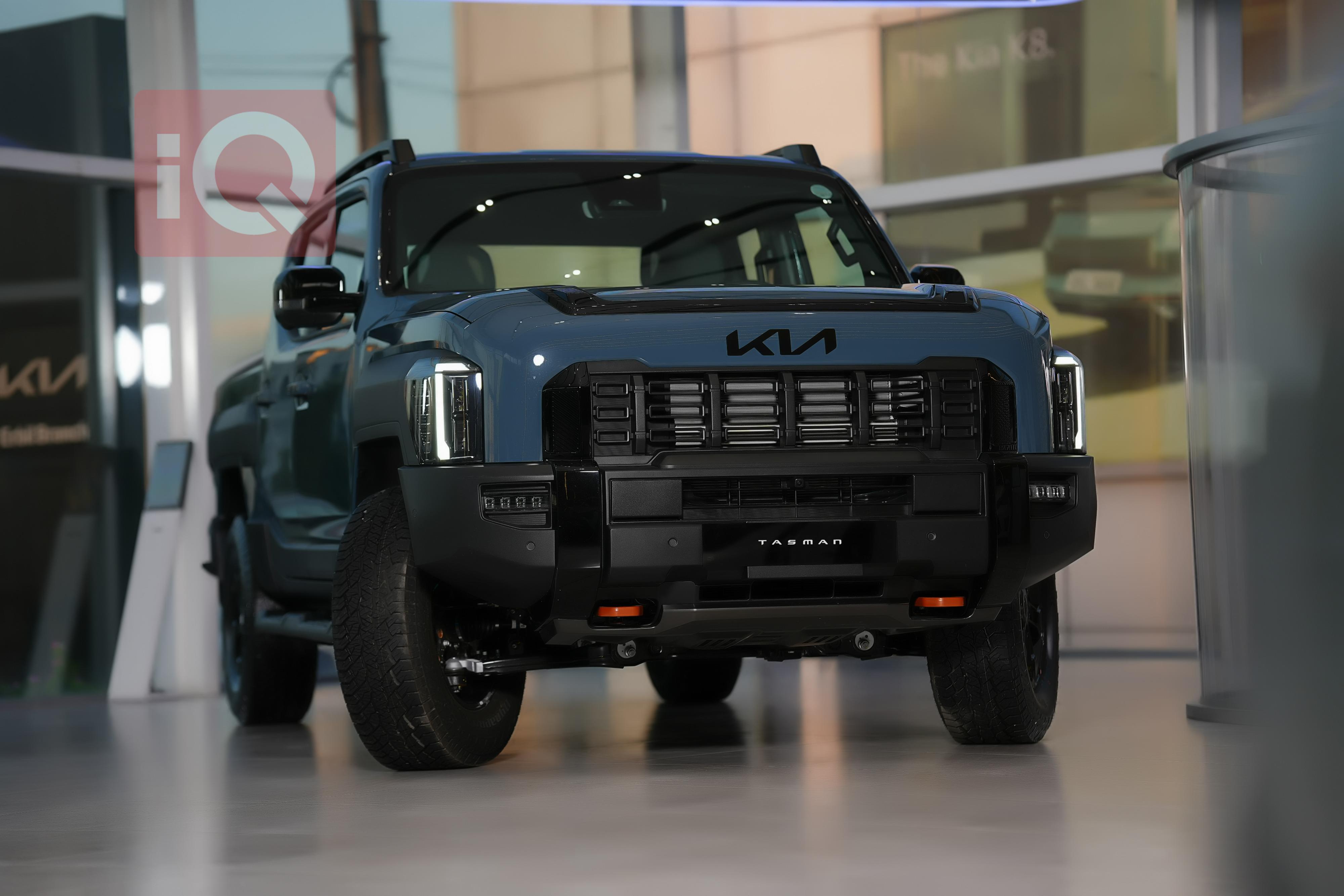
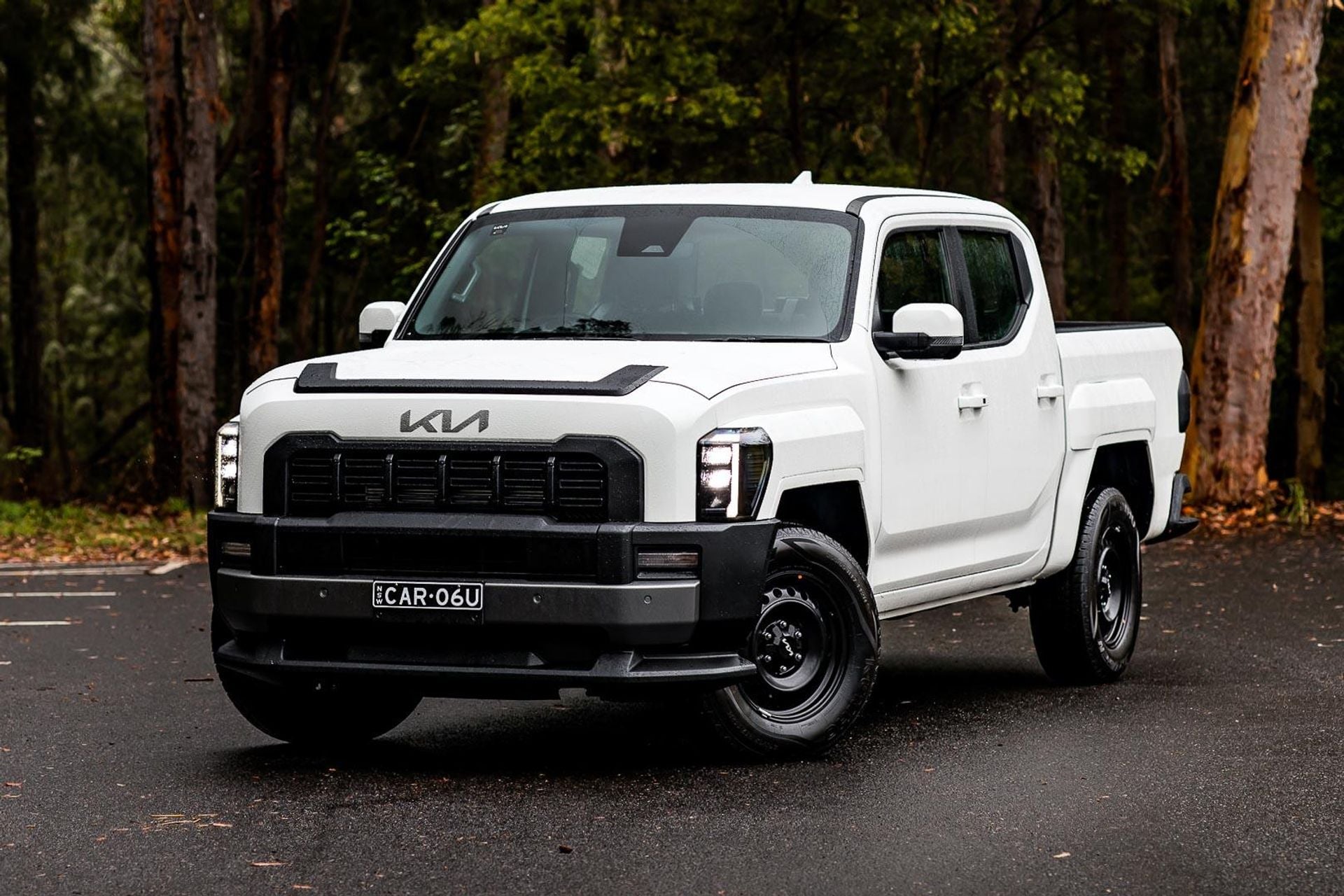
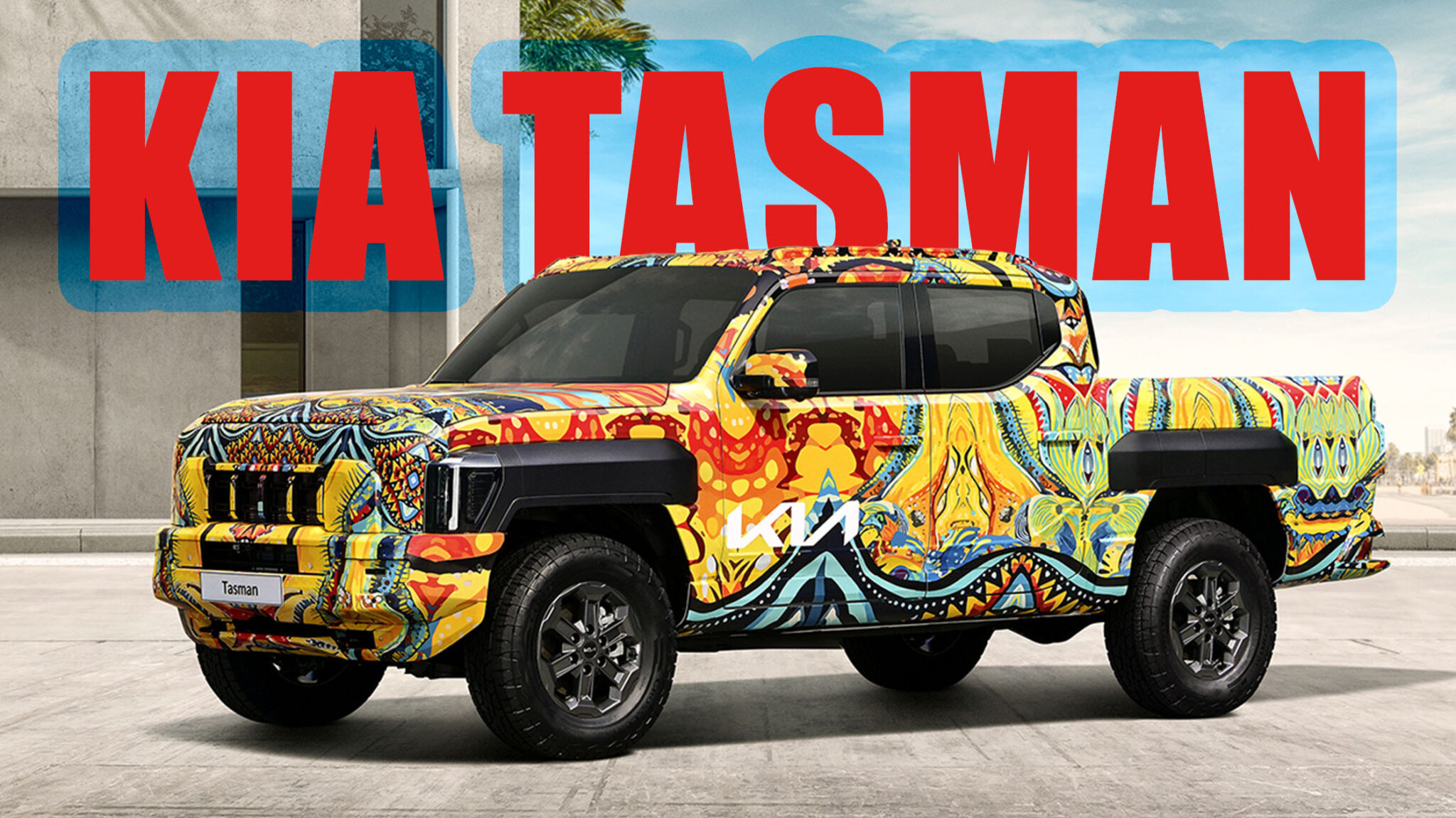
The 2026 Kia Tasman has officially completed its phased global rollout, transitioning from a highly anticipated prototype to a mainstay in the mid-size pickup truck segment. Following its initial 2025 debut in South Korea and Australia, the 2026 model year marks the expansion of the Tasman into the Middle East, Africa, and South American markets, establishing Kia’s first serious challenge to the body-on-frame dominance of the Toyota HiLux and Ford Ranger.
The Strategic Evolution of the Kia Tasman
The journey to the 2026 Kia Tasman was not a rapid development but a decade-long strategic pivot. For years, Kia was known primarily for unibody crossovers and sedans. The decision to enter the rugged, body-on-frame pickup market required a total overhaul of the brand’s R&D priorities. Internal discussions regarding a "TK" platform (the internal codename for the Tasman) began as early as 2018, but it wasn't until 2022 that test mules were first spotted by automotive photographers.
The development timeline was dictated by Kia’s "Global Quality" mandate. Unlike many competitors who use localized platforms, Kia intended for the Tasman to be a global product, requiring it to handle the extreme heat of the Australian Outback, the high-altitude passes of the Andes, and the dense urban traffic of Seoul. This necessitated a testing regimen that spanned over 18,000 rounds of evaluation, focusing on durability, towing capacity, and off-road articulation.
Chronological Milestones: 2022 to 2026
- 2022–2023: The Prototype Phase: Early development focused on the chassis. Engineers utilized modified Mohave bodies to hide the new ladder-frame architecture. Testing was concentrated in South Korea and Sweden for cold-weather performance.
- April 2024: Official Naming: Kia officially confirmed the "Tasman" name, inspired by the rugged beauty of Tasmania and the explorer Abel Tasman. This signaled a clear intent to prioritize the Australian market, one of the most competitive pickup landscapes in the world.
- October 2024: World Premiere: The Tasman was officially unveiled at the Jeddah International Motor Show. This event showcased the polarizing, "Opposites United" design language, featuring vertical headlights and bold, squared-off wheel arches.
- Early 2025: Initial Production: Production commenced at Kia’s Hwaseong plant in South Korea. The first units were earmarked for the domestic Korean market and Australia.
- Late 2025: First Deliveries: Enthusiasts in Australia and the Middle East received the first "Launch Edition" trims, featuring the 2.2-liter turbodiesel engine.
- 2026: Full Global Integration: The 2026 model year introduced the 2.5-liter turbocharged gasoline engine to more markets and expanded the "X-Pro" off-road trim availability worldwide.
Technical Specifications and Engineering Architecture
The 2026 Kia Tasman is built on a traditional ladder-frame chassis, a departure from the unibody construction used in the Kia Santa Cruz (which is limited to North America). This heavy-duty architecture is essential for the Tasman to meet the "1-tonne" payload and 3,500kg (7,716 lbs) towing capacity requirements that define the mid-size segment.
Engine and Powertrain Options
Kia opted for a dual-engine strategy to satisfy diverse regional regulations and consumer preferences. In 2026, the powertrain lineup is finalized as follows:
- 2.2-Liter CRDi Turbodiesel: This is the workhorse of the lineup, producing approximately 210 horsepower and 441 Nm of torque. It is paired with an eight-speed automatic transmission. This engine is the primary choice for the Australian and African markets due to its fuel efficiency under load and low-end torque.
- 2.5-Liter GDI Turbocharged Gasoline: Aimed at the Korean and Middle Eastern markets, this engine delivers roughly 281 horsepower and 422 Nm of torque. It provides a more refined, car-like driving experience with quicker acceleration, though with slightly higher fuel consumption compared to the diesel variant.
Suspension and Off-Road Capability
One of the most discussed aspects of the Tasman timeline was the refinement of its rear suspension. Kia opted for a leaf-spring rear setup to ensure the 1,000kg payload capacity remained competitive. However, to maintain ride quality, they implemented frequency-selective dampers and advanced hydraulic bushings.
The 2026 "X-Pro" trim represents the pinnacle of Kia’s off-road engineering. It features an electronic locking rear differential, a "Ground View Monitor" for navigating tight trails, and a wading depth of 800mm (31.5 inches). The 2026 model year also saw the refinement of the "Terrain Mode" software, which calibrates the AWD system for Snow, Mud, and Sand.
Market-Specific Rollout and Pricing Logistics
The rollout of the Tasman has been categorized into three distinct "Waves" based on market demand and homologation requirements. As of 2026, the vehicle is available in most targeted regions.
Phase 1: Korea and Australia (Launched mid-2025)
As the primary development markets, these regions received the first allocations. In Australia, the Tasman launched with a comprehensive 7-year warranty, specifically designed to lure buyers away from the established Japanese brands.
Phase 2: Middle East and Africa (Launched late 2025)
These markets focused on the "Desert" capabilities of the Tasman. Saudi Arabia and the UAE became major hubs for the 2.5L gasoline variant, while South Africa prioritized the heavy-duty diesel 4x4 configurations for agricultural and industrial use.
Phase 3: South America and South-East Asia (2026 Status)
Throughout 2026, Kia has been scaling production to enter the ASEAN markets and South American territories like Chile and Colombia. These markets often require specific "Flex-Fuel" or localized emissions tuning, which delayed their entry compared to Australia.
| Specification/Feature | Base Trim (Air) | Off-Road Trim (X-Pro) | Premium Trim (X-Line) |
|---|---|---|---|
| Engine Choice | 2.2L Diesel / 2.5L Gas | 2.2L Diesel / 2.5L Gas | 2.5L Gas (Primary) |
| Drivetrain | 2WD or 4WD | 4WD with Low Range | 4WD (Full-Time) |
| Wheels | 17-inch Steel/Alloy | 17-inch Gloss Black Alloy | 18-inch Diamond Cut |
| Tires | All-Season | All-Terrain (A/T) | Highway Terrain |
| Wading Depth | 800mm | 800mm | 800mm |
| Interior Screen | Dual 12.3-inch | Triple Screen Setup | Triple Screen Setup |
| Differential | Standard Open | Electronic Locking (Rear) | Limited Slip |
Interior Innovation and Technology Integration
By 2026, the Tasman has set a new benchmark for pickup truck interiors, an area where the segment has traditionally lagged. Kia utilized its "Triple Screen" architecture, which includes a 12.3-inch digital instrument cluster, a 5-inch climate control touchscreen, and a 12.3-inch central infotainment display.
Connectivity and Utility
The 2026 Tasman includes wireless Apple CarPlay and Android Auto as standard across all trims. Furthermore, Kia integrated "Over-the-Air" (OTA) update capabilities. This allowed the company to refine the transmission shift logic and infotainment UI for early 2025 buyers throughout the 2026 calendar year without requiring a dealership visit.
Storage and Practicality
Practicality was a major pillar of the Tasman's design. The interior features a folding console table that allows the cabin to serve as a mobile office. Under-seat storage in the rear is best-in-class, providing a secure space for tools or valuables that shouldn't be left in the bed.
The North American Question: 2026 and Beyond
As of 2026, the Kia Tasman remains noticeably absent from the United States and Canadian markets. The primary barrier is the "Chicken Tax," a 25% tariff on light trucks imported into the U.S. To circumvent this, Kia would need to manufacture the Tasman at its West Point, Georgia plant or in Mexico.
While rumors of a North American production line persist, Kia’s official stance in 2026 remains that the Tasman is "under continuous evaluation" for the U.S. market. Analysts suggest that Kia may be waiting to launch an all-electric version of the Tasman (or a dedicated EV pickup) to enter the U.S. market, as the EV segment offers different regulatory incentives and bypasses some of the historical baggage associated with diesel mid-size trucks.
Common Challenges and Maintenance in 2026
With the first fleet of Tasman trucks now surpassing their first year of service, certain operational trends have emerged. Owners of the 2025 and 2026 models should be aware of the following:
- AdBlue Consumption: The 2.2L diesel engine uses Selective Catalytic Reduction (SCR) to meet Euro 6d emissions standards. Owners in high-load environments (towing or heavy idling) report that AdBlue refills are required every 8,000 to 10,000 kilometers.
- DPF Regeneration: Like all modern diesels, the Tasman requires regular highway driving to clear the Diesel Particulate Filter. Drivers who use the Tasman exclusively for short city hops may encounter "Filter Full" warnings.
- Infotainment Calibration: Early 2026 production units required a software patch to resolve a minor lag in the 5-inch climate control screen when starting the vehicle in extreme cold.
Comparison: Tasman vs. The Established Leaders
In 2026, the Tasman's market position is defined by its value proposition. While it matches the Ford Ranger in technology and the Toyota HiLux in ruggedness, it typically undercuts both on price when similarly equipped.
- vs. Ford Ranger: The Ranger offers a more diverse engine lineup (including a V6), but the Tasman is often cited for having a more "future-proof" interior and a superior factory warranty.
- vs. Toyota HiLux: The HiLux remains the king of resale value, but the Tasman offers significantly more rear-legroom and advanced ADAS (Advanced Driver Assistance Systems) as standard equipment.
Frequently Asked Questions
When did the Kia Tasman officially go on sale?
The Kia Tasman began its initial sales rollout in South Korea in the first half of 2025, followed closely by Australia. By 2026, it became available in the Middle East, Africa, and South America.
What is the towing capacity of the 2026 Kia Tasman?
The 2026 Kia Tasman is rated for a maximum braked towing capacity of 3,500kg (approximately 7,716 lbs) across all 4x4 variants, placing it at the top of the mid-size pickup segment alongside the Ford Ranger and Isuzu D-Max.
Is there an electric version of the Kia Tasman available in 2026?
Currently, the 2026 Tasman is powered exclusively by internal combustion engines (2.2L Diesel and 2.5L Gas). While Kia has confirmed an electric pickup is in development for 2027, the 2026 model year does not feature a full EV or Hybrid powertrain.
Does the 2026 Kia Tasman have a manual transmission option?
In most major markets like Australia and South Korea, the Tasman is sold exclusively with an eight-speed automatic transmission. However, certain "Workmate" style trims in African and South American markets may offer a six-speed manual for fleet buyers.
Why is the Kia Tasman's design so different from other Kia SUVs?
Kia utilized a design philosophy called "Opposites United." For the Tasman, they prioritized functionality and a "solid" aesthetic. The vertical lights and high-mounted fender flares were designed to give the truck a wider, more planted stance and to allow for easier replacement of body panels after off-road damage.
Final Recommendations for Buyers
If you are considering a mid-size pickup in 2026, the Kia Tasman is the premier choice for those who prioritize technology, warranty, and cabin ergonomics. While it lacks the decades of heritage associated with the Toyota HiLux, its engineering has proven robust throughout its first year of global service.
For buyers intending to use the vehicle for heavy towing or long-distance touring, the 2.2L Diesel remains the logical choice. However, for urban users who want a lifestyle vehicle that stands out from the crowd, the 2.5L Gasoline X-Line offers a level of refinement and acceleration that few other body-on-frame trucks can match. Ensure that you verify the specific local trim levels, as "X-Pro" features (like the locking diff) are essential if you plan on serious off-roading.