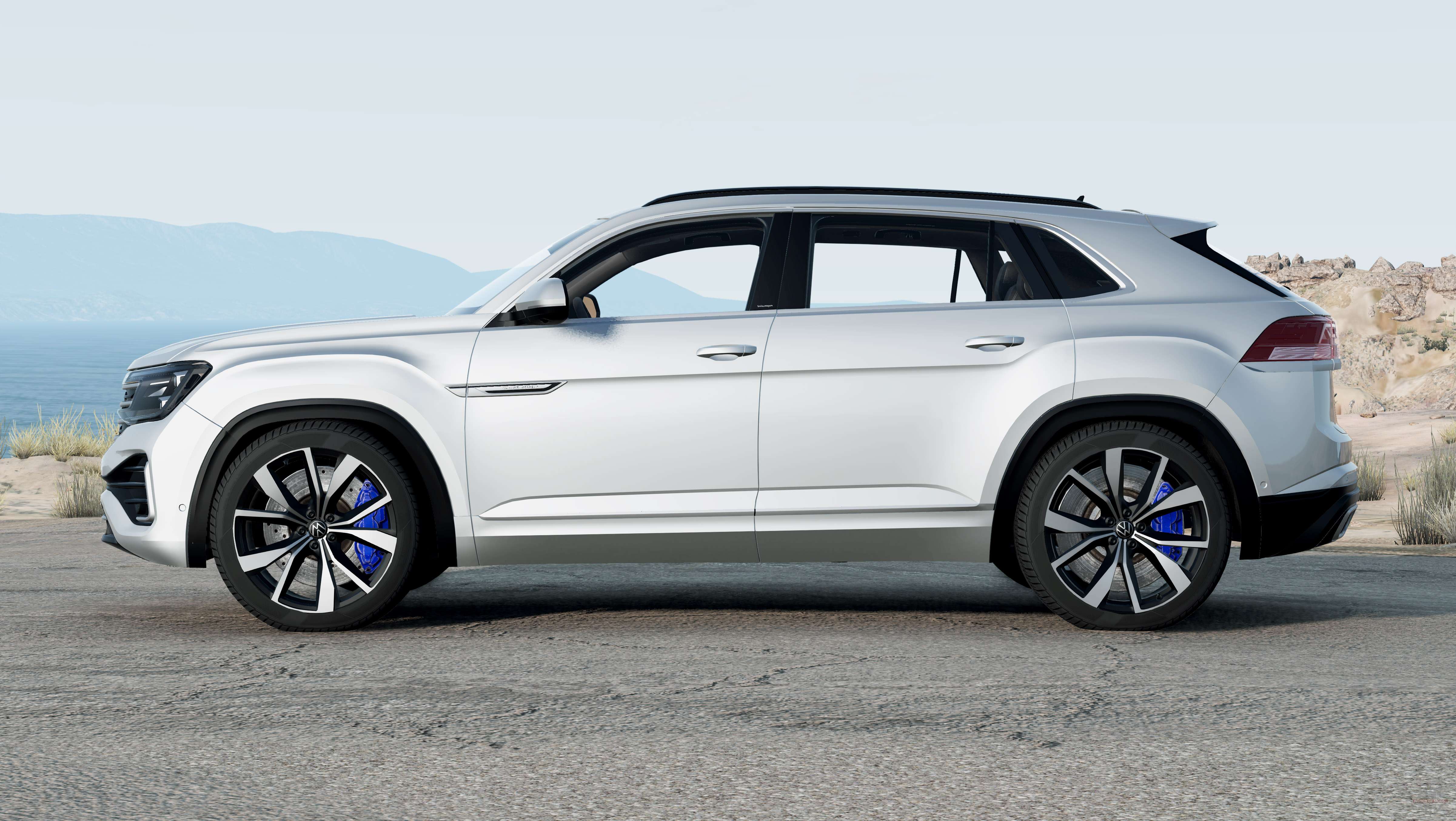
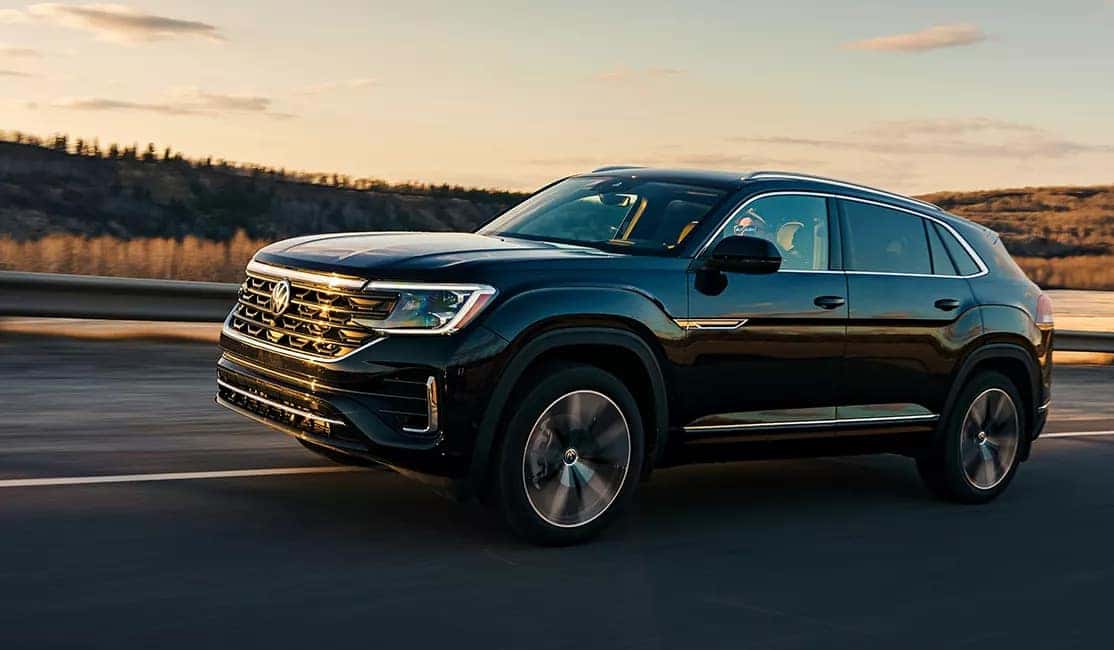
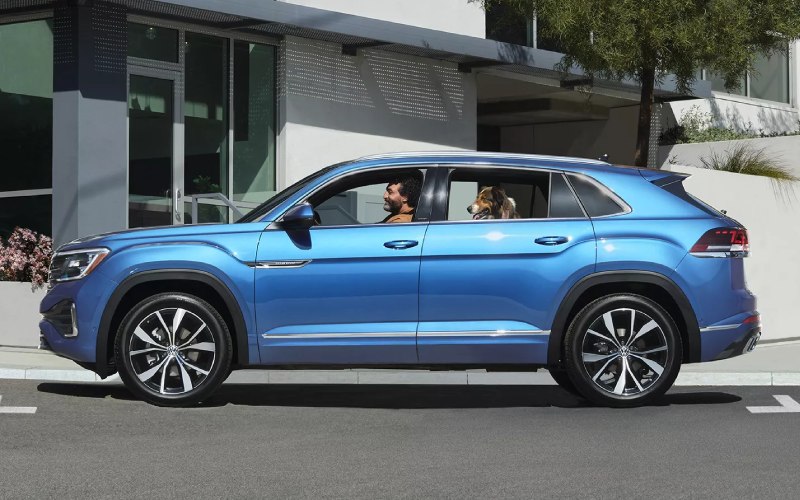
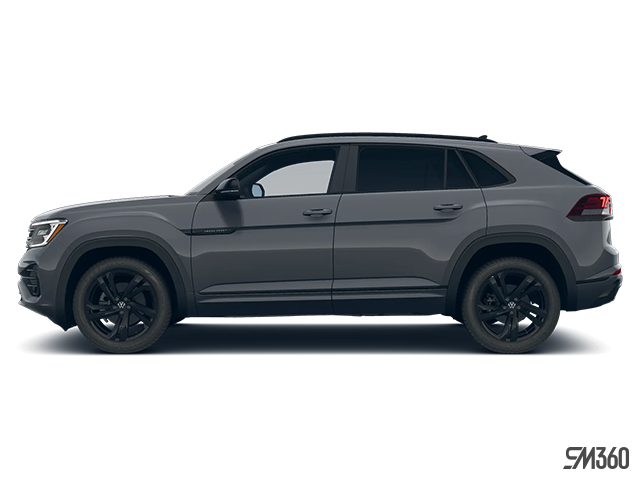
The 2025 Volkswagen Atlas Cross Sport R-Line represents the pinnacle of the five-passenger SUV variant within Volkswagen’s North American lineup, blending coupe-like styling with a robust turbocharged powertrain. It serves as a sport-oriented aesthetic package built upon the reliable Atlas architecture, offering drivers a balance of elevated road presence, driver-centric technology, and practical daily utility.
Understanding the Atlas Cross Sport R-Line Identity
The Atlas Cross Sport is distinct from the standard three-row Atlas by its raked roofline, shortened rear overhang, and two-row seating configuration. The "R-Line" designation is a trim enhancement that emphasizes sportiness through exterior and interior styling cues rather than significant mechanical upgrades to the engine or suspension.
For the 2025 model year, the R-Line package is designed for buyers who prioritize the visual impact of their vehicle. It includes unique front and rear bumpers with high-gloss black accents, specialized R-Line badging, and distinct alloy wheels that elevate the vehicle's stance. The core identity of this vehicle is that of a "lifestyle" SUV—it provides the footprint of a large, family-ready vehicle while catering to the aesthetic preferences of those who find the traditional boxy SUV silhouette too utilitarian.
Technical Specifications and Powertrain Dynamics
At the heart of every 2025 Atlas Cross Sport, including the R-Line variants, is the 2.0-liter turbocharged four-cylinder TSI engine. This power plant produces 269 horsepower and 273 lb-ft of torque. Volkswagen moved away from the VR6 engine in previous years, opting for this high-output four-cylinder, which provides a more favorable torque curve for daily driving and highway passing.
The engine is mated to an eight-speed automatic transmission. This combination is engineered to maximize efficiency while ensuring the vehicle remains punchy in urban traffic. The R-Line trim is typically paired with Volkswagen’s 4Motion all-wheel-drive system, which uses an electronically controlled center differential to distribute torque between the front and rear axles based on traction requirements. This system is reactive, meaning it can shift power in milliseconds, providing confidence in adverse weather conditions or on loose road surfaces.
Interior Design, Comfort, and Technology
The interior of the 2025 Atlas Cross Sport R-Line benefits from the significant interior overhaul Volkswagen implemented in recent model years. The cabin emphasizes high-quality materials, including leatherette or genuine leather seating surfaces, depending on the specific equipment group chosen. The R-Line package adds unique steering wheel badging and brushed metal-look interior accents that contribute to a more premium atmosphere.
Digital Cockpit and Connectivity
The driver interface consists of the Volkswagen Digital Cockpit Pro, a 10.25-inch reconfigurable instrument cluster that allows the driver to toggle between multiple display profiles. Complementing this is the 12.0-inch center infotainment display. The interface is intuitive, supporting wireless Apple CarPlay and Android Auto. In 2026, as we look at the longevity of these features, the stability of these wireless connections and the responsiveness of the touch interface remain central to the vehicle’s long-term ownership experience.
Cabin Ergonomics
Because the Cross Sport lacks a third row, it prioritizes legroom for second-row passengers. The rear seat offers significant space, often exceeding what is found in smaller compact SUVs. The cargo area, while slightly reduced in height due to the sloping roofline compared to the standard Atlas, remains highly competitive for the mid-size segment, offering ample room for luggage, sports equipment, or groceries.
Comparison: Atlas Cross Sport R-Line vs. Standard Trims
Choosing between a standard trim and an R-Line involves weighing the aesthetic and feature upgrades against the base price. The following table provides a comparison of how the R-Line positioning generally impacts the ownership experience compared to entry-level trims.
| Feature Category | Standard Trim | R-Line Package |
|---|---|---|
| Exterior Styling | Conservative/Standard | Aggressive/Sport-Focused |
| Wheel Options | 18-inch Standard Alloys | 20-inch or 21-inch R-Line Alloys |
| Badging | Minimalist | Distinctive "R" Branding |
| Interior Trim | Functional Materials | Sporty Metallic Accents |
| Price Tier | Entry/Mid-Range | Premium Feature Focus |
This table illustrates that the R-Line is not merely a badge but a cohesive styling exercise. For buyers, the decision rests on whether the visual appeal of larger wheels and bespoke bumper designs justifies the price delta.
Practical Considerations: Maintenance and Ownership
Owning a 2025 Atlas Cross Sport involves standard automotive maintenance procedures typical of German-engineered mid-size SUVs.
- Scheduled Servicing: Volkswagen mandates specific oil change intervals and inspection points. Using the correct synthetic oil specification is critical to maintaining the longevity of the turbocharged engine.
- Tire Care: The R-Line typically comes with larger diameter wheels and lower-profile tires. While this improves handling and aesthetics, it increases vulnerability to pothole damage and increases the cost of seasonal tire replacements.
- Software Updates: As a vehicle heavily reliant on electronic control units (ECUs), owners should expect periodic software optimizations via the dealership to ensure the infotainment and transmission management systems function as intended.
Safety and Driver Assistance
Volkswagen bundles its safety suite, known as IQ.DRIVE, into its 2025 lineup. This includes adaptive cruise control, lane-keeping assist, and emergency braking. For the R-Line, these systems are fully integrated. The benefit for the owner is a semi-automated driving experience on highways, which helps mitigate driver fatigue during long commutes.
It is important to note that these systems are "driver assistance" tools, not autonomous driving features. The driver must remain engaged at all times. In 2026, many owners have transitioned to these systems as standard expectations, but new drivers should spend time in a safe environment learning the sensitivity of the lane-centering technology, as it can occasionally feel intrusive if not calibrated to personal preference.
Common Questions Regarding the Atlas Cross Sport R-Line
Does the R-Line package improve the engine performance? No. The R-Line package is strictly an aesthetic and equipment-level upgrade. The horsepower and torque outputs remain identical to the non-R-Line trims using the same 2.0L turbocharged engine.
Is the ride quality harsher on the R-Line due to the larger wheels? It can be perceptibly firmer. Larger wheels with thinner sidewall tires have less rubber to absorb road imperfections. While the Atlas chassis is generally compliant, those living in areas with poor road conditions may notice a marginal decrease in ride comfort compared to trims with smaller wheels.
Can I get the R-Line with front-wheel drive? In many regional markets, the R-Line package is exclusively paired with the 4Motion all-wheel-drive system to emphasize the "sport" and "capability" aspects of the marketing. Always verify local inventory as trim configurations can shift based on distribution logistics.
How does the cargo space compare to the three-row Atlas? The Cross Sport sacrifices the third row to achieve its design profile. While the floor space is identical, you lose the ability to carry more than five passengers, and the overall vertical volume in the cargo area is reduced near the tailgate.
Is the 2025 model year still relevant in 2026? Yes. The 2025 Atlas Cross Sport remains part of the current product lifecycle. Purchasing a 2025 model in 2026 may offer advantages regarding depreciation and potential dealer incentives as newer inventory arrives.
Next Steps for Prospective Owners
If you are considering the 2025 Volkswagen Atlas Cross Sport R-Line, your first step should be to visit a local dealership to experience the seating position and visibility, which are the primary differentiators from the standard Atlas. Ensure that you test drive the vehicle on a route that includes both highway and stop-and-go city traffic to evaluate the transmission's behavior in the 2.0L turbo engine configuration.
Before finalizing a purchase, review the specific window sticker of the individual vehicle to confirm the exact equipment included, as R-Line packages can sometimes be bundled with varying "Convenience" or "Tech" packages that alter the interior amenities. Verify the service history if buying a pre-owned model, ensuring that all scheduled maintenance has been performed by a certified facility.