The 2021 Cinderella is a modern, jukebox-musical reimagining of the classic fairy tale written and directed by Kay Cannon and distributed by Amazon Studios. Starring singer Camila Cabello in her feature film debut alongside Billy Porter, Idina Menzel, and Nicholas Galitzine, the film updates the traditional narrative to emphasize career ambition, female independence, and contemporary pop culture references over royal rescue and passive romance.
Production Background and Distribution Strategy
The 2021 adaptation of Cinderella originated as a project developed by Sony Pictures. Written and directed by Kay Cannon, known for her work on the Pitch Perfect series, the film was initially scheduled for a traditional theatrical release by Columbia Pictures. However, the global disruptions of the COVID-19 pandemic significantly altered the distribution landscape for mid-budget musical features throughout 2020 and 2021.
In July 2021, Amazon Studios acquired the worldwide distribution rights to the film from Sony, excluding China. This strategic shift moved the film away from a theatrical rollout into a direct-to-streaming model, premiering globally on Amazon Prime Video on September 3, 2021. For Amazon, acquiring Cinderella provided a high-profile, family-friendly musical event featuring recognizable international pop stars and musical theater icons to drive subscriber engagement on the Prime platform.
The production brought together a notable behind-the-scenes team. James Corden conceived the original idea for the film and served as a producer alongside Leo Pearlman, Jonathan Kadin, and Shannon McIntosh. The musical direction leaned heavily on a curated soundtrack of well-known pop and rock hits from previous decades, integrated into the narrative to advance character arcs rather than relying solely on an original musical score, though original tracks like "Million to One" were also commissioned for the film.
Plot Overview and Character Reimagining
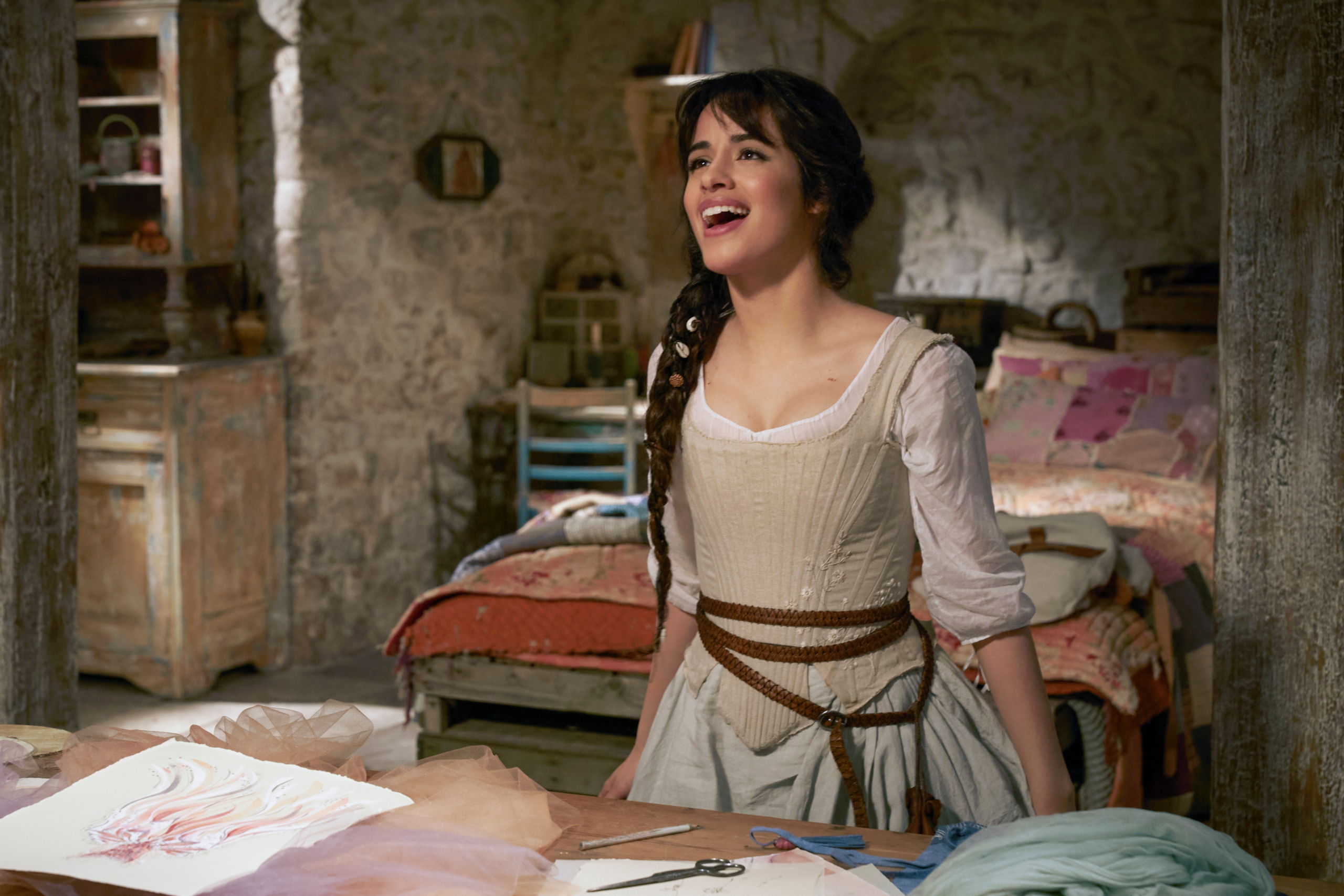
The narrative of the 2021 Cinderella follows the traditional framework of the classic fairy tale but introduces several structural departures to align the protagonist with modern feminist ideals. Set in the fictional kingdom of Fab G, the story centers on Ella, an ambitious, creatively driven young woman living in the basement of her stepfamily's home. Unlike traditional iterations where the character's primary goal is attending a royal ball to find romance, this version establishes Ella's primary aspiration as becoming a master dressmaker and launching her own fashion label, "Dresses by Ella."
Key Character Adaptations
- Ella (Camila Cabello): An independent entrepreneur focused on her career in fashion design who initially expresses reluctance toward traditional marriage and court life.
- Prince Robert (Nicholas Galitzine): A reluctant royal heir who struggles with the expectations of his father, King Rowan, and desires freedom of choice over royal duty.
- The Fab G (Billy Porter): A gender-neutral, flamboyant fairy godparent who replaces the traditional fairy godmother archetype, emphasizing self-confidence and manifestation.
- Vivian (Idina Menzel): The stepmother, whose character is given more psychological depth and backstory, explaining her bitterness as a result of sacrificed career opportunities in a patriarchal society.
- King Rowan (Pierce Brosnan) and Queen Beatrice (Minnie Driver): The traditional monarchs navigating marital friction and rigid dynastic traditions.
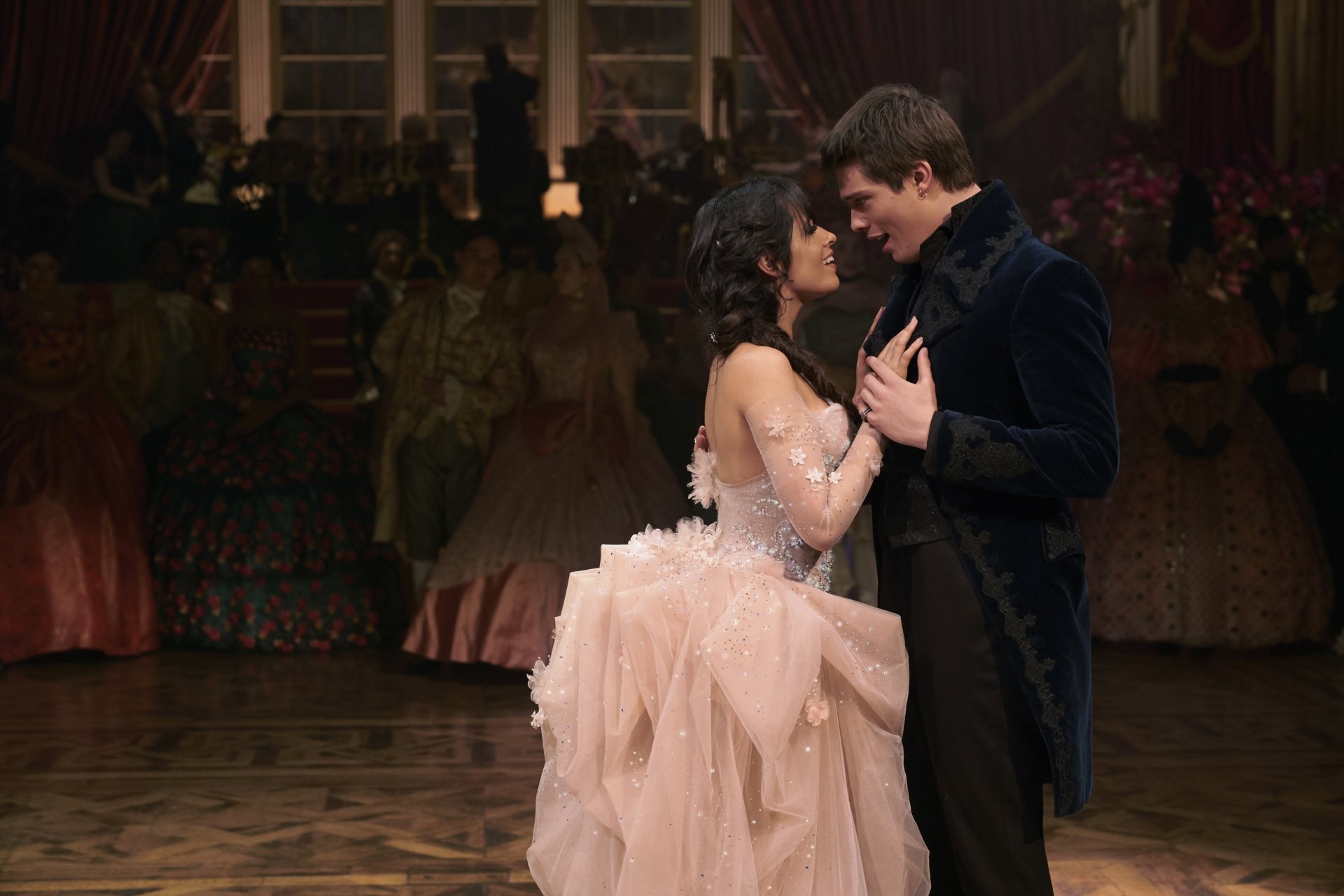
Rather than meeting the prince at the ball for the first time by chance, Ella encounters Robert in the village marketplace while trying to sell one of her original dress designs. The royal ball itself is reframed not merely as a matchmaking event for the prince, but as a commercial showcase where business leaders, foreign dignitaries, and aspiring artisans gather—prompting Ella to attend primarily to pitch her designs to international buyers.
Musical Style and Soundtrack Integration
A defining characteristic of the 2021 Cinderella is its status as a jukebox musical. The film utilizes a medley of globally recognized pop and rock anthems spanning several decades, arranged and re-recorded by the cast. This approach mirrors cinematic predecessors like Moulin Rouge! and Mamma Mia!, utilizing familiar lyrics to commentuate on contemporary social themes and emotional states.
The soundtrack blends ensemble numbers with solo character spotlights. Notable musical sequences include:
- "Rhythm Nation" / "You Gotta Be": A grand opening village number establishing the bustling, musical atmosphere of the kingdom.
- "Million to One": An original pop ballad performed by Camila Cabello that serves as Ella's primary motivational theme regarding her career ambitions.
- "Somebody to Love": Performed by Nicholas Galitzine and the royal guard, expressing the prince's isolation and desire for authentic connection.
- "Material Girl": Sung by Idina Menzel and the stepsisters, highlighting the economic imperatives placed on women in a society without financial independence.
- "Let's Get Loud": A climactic, energetic ensemble performance featuring Camila Cabello and Billy Porter during the royal ball sequence.
This contemporary musical palette drew polarizing responses from critics and audiences alike. Proponents argued that the upbeat song choices made the viewing experience engaging and accessible for younger audiences, while detractors pointed out that the abrupt tonal shifts and anachronistic lyrics occasionally disrupted the narrative immersion of a period-adjacent fairy tale setting.
Comparison with Other Cinematic Adaptations
To understand the unique positioning of the 2021 adaptation, it is helpful to contrast it with other major cinematic versions of the Cinderella story produced over the previous decades. While the foundational folklore remains consistent, the thematic emphasis shifts dramatically depending on the era of production.
| Feature / Element | Disney 1950 Animated Film | Disney 2015 Live-Action Film | Amazon Studios 2021 Adaptation |
|---|---|---|---|
| Format | Traditional 2D Animation | Live-Action Fantasy Drama | Live-Action Jukebox Musical |
| Primary Theme | Kindness, patience, and hope amid hardship | "Have courage and be kind"; romantic destiny | Career ambition, independence, and self-reliance |
| Protagonist's Goal | Escape servitude; finds love and validation | Honor her mother's memory; mutual respect with prince | Launch a fashion enterprise; economic independence |
| Fairy Godmother | Elderly, maternal traditional figure | Nurturing, magical older woman | Gender-neutral, fashionable mentor ("The Fab G") |
| Musical Style | Original classical Disney orchestral score | Orchestral cinematic score with traditional themes | Pop/Rock jukebox musical covers and original tracks |
This comparison highlights how the 2021 version discarded the traditional romantic focus of both the 1950 animated classic and the 2015 Kenneth Branagh live-action remake in favor of an empowerment narrative centered on entrepreneurship and breaking systemic barriers.
Critical Reception and Cultural Impact
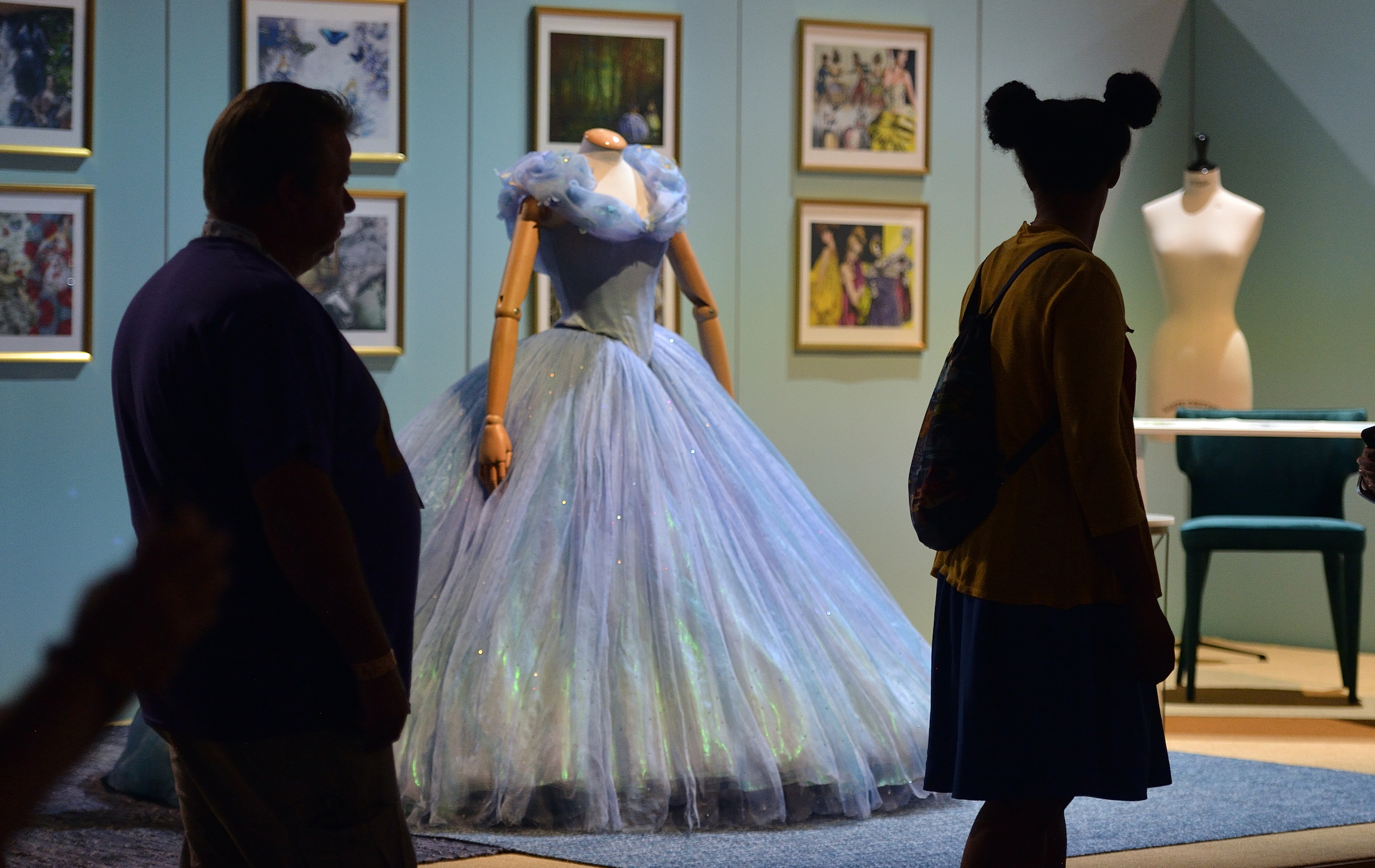
Upon its release on Amazon Prime Video, the 2021 Cinderella received a mixed-to-negative critical consensus, though audience engagement metrics on streaming platforms remained robust. Review aggregators documented polarized assessments: critics praised the film's vibrant costume design by Ellen Mirojnick, the energetic performances of supporting actors like Billy Porter and Idina Menzel, and its progressive messaging for younger demographics. Conversely, reviewers criticized the predictable script, the heavy-handed integration of pop songs, and the uneven comedic tone.
The film's cultural impact largely centered on discussions surrounding modern retellings of classic fairy tales. Scholars and cultural commentators debated whether injecting 21st-century corporate and entrepreneurial ideals into ancient folklore successfully modernizes the text or strips away the mythic resonance that makes fairy tales enduring. Despite the critical debate, the film resonated with younger viewers through social media platforms like TikTok, where the musical numbers and fashion designs generated substantial user-generated content.
Frequently Asked Questions
Is the 2021 Cinderella a Walt Disney Pictures production?
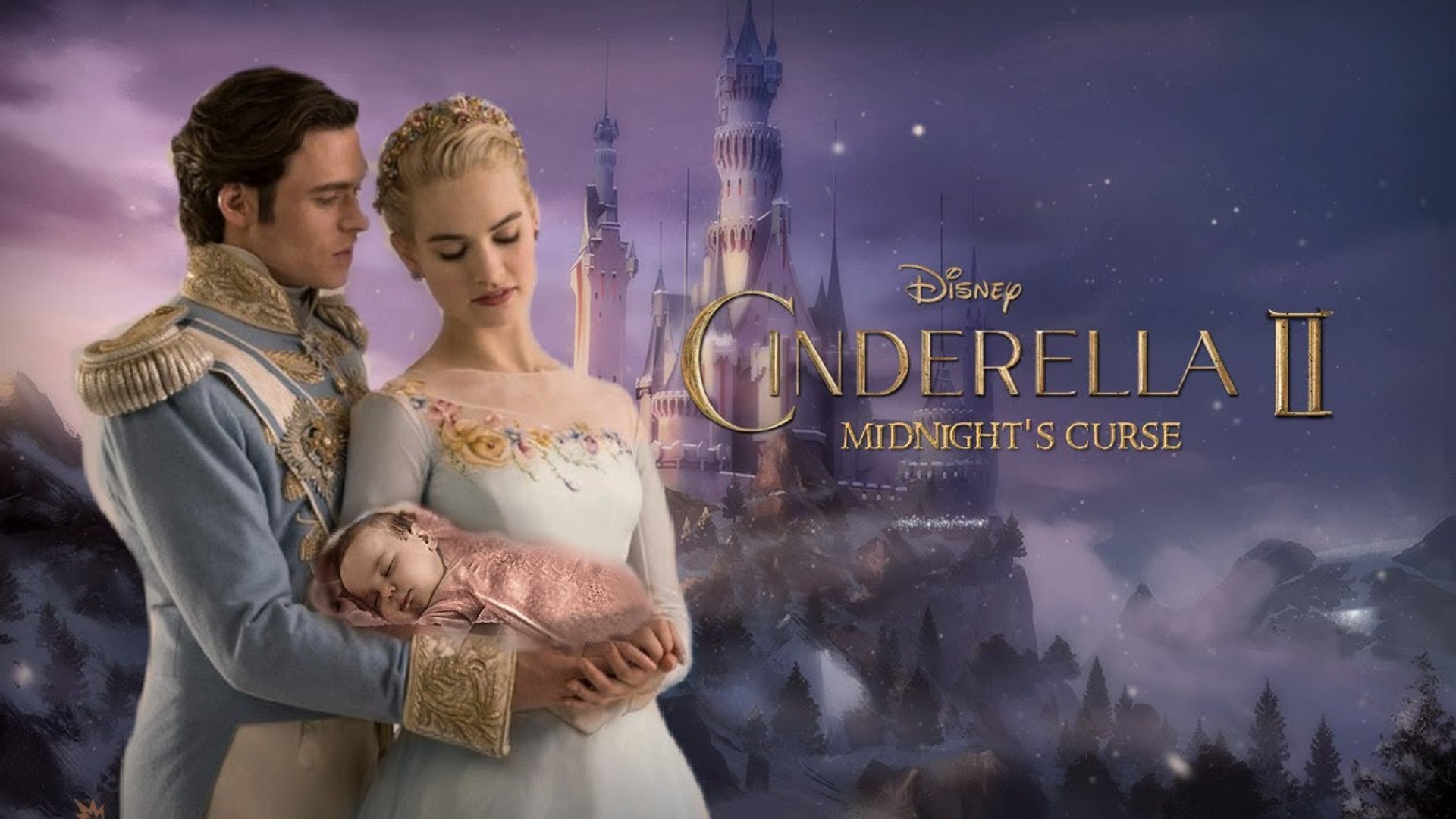
No. Despite common confusion due to the title character's historical association with Disney, the 2021 Cinderella was produced by Sony Pictures and Fulwell 73, and distributed worldwide by Amazon Studios. It has no corporate or creative affiliation with Walt Disney Studios' animated or live-action adaptations.
Who plays the Fairy Godmother in the 2021 film?
The fairy godparent character, renamed "The Fab G," is played by actor, singer, and fashion icon Billy Porter. The role reimagines the traditional maternal figure as a gender-neutral, confident mentor who helps Ella prepare for the royal ball.
What kind of music is featured in the 2021 Cinderella?
The film is a jukebox musical. It does not rely on a traditional Broadway-style or Disney orchestral score; instead, it incorporates well-known pop and rock hits from artists like Queen, Madonna, Janet Jackson, and Ed Sheeran, alongside a few original songs.
Did the 2021 Cinderella have a theatrical release?
It was originally slated for a theatrical release by Sony Pictures. However, due to the COVID-19 pandemic, Sony sold the distribution rights to Amazon Studios, which premiered the film exclusively on Amazon Prime Video in September 2021, with only limited theatrical screenings in select markets.
What is the main message of the 2021 adaptation?
The primary narrative focus shifts away from finding romantic rescue by a prince and instead emphasizes female economic independence, career ambition, and personal autonomy. Ella consistently rejects proposals of marriage that require her to abandon her dream of running her own fashion business.
Conclusion and Recommendations for Viewers
The 2021 Cinderella represents a distinct experiment in adapting traditional folklore into a contemporary pop-culture vehicle. For viewers seeking a traditional, faithful retelling of the classic fairy tale, this version's anachronistic humor, modern dialogue, and pop music soundtrack may prove jarring. However, for audiences interested in energetic musical numbers, progressive character dynamics, and a fashion-forward aesthetic, the film offers an entertaining, lightweight streaming option that breaks significantly from historical cinematic conventions. When viewing the film, approach it as a contemporary musical comedy rather than a faithful period fantasy to best appreciate its stylistic choices.