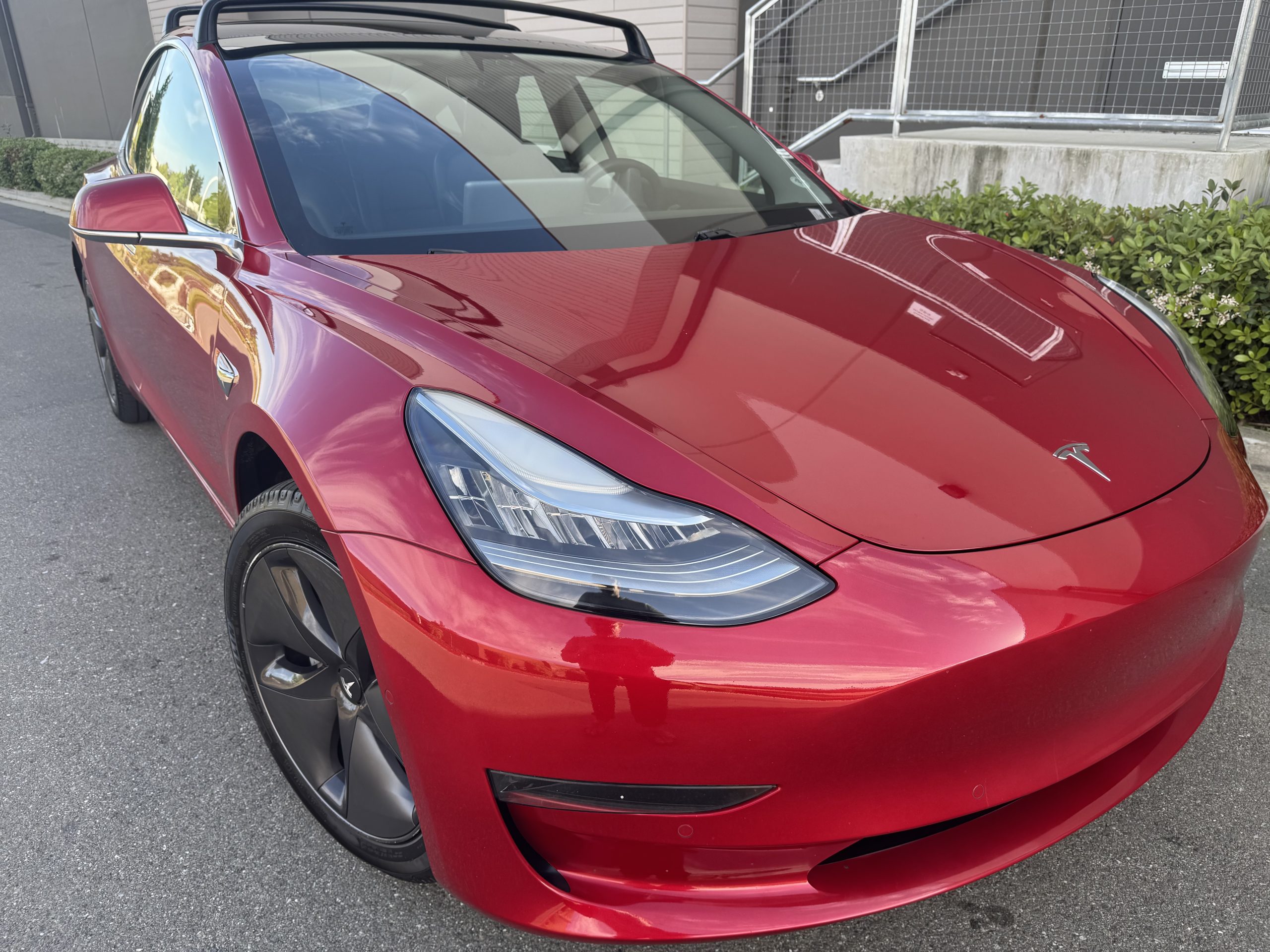
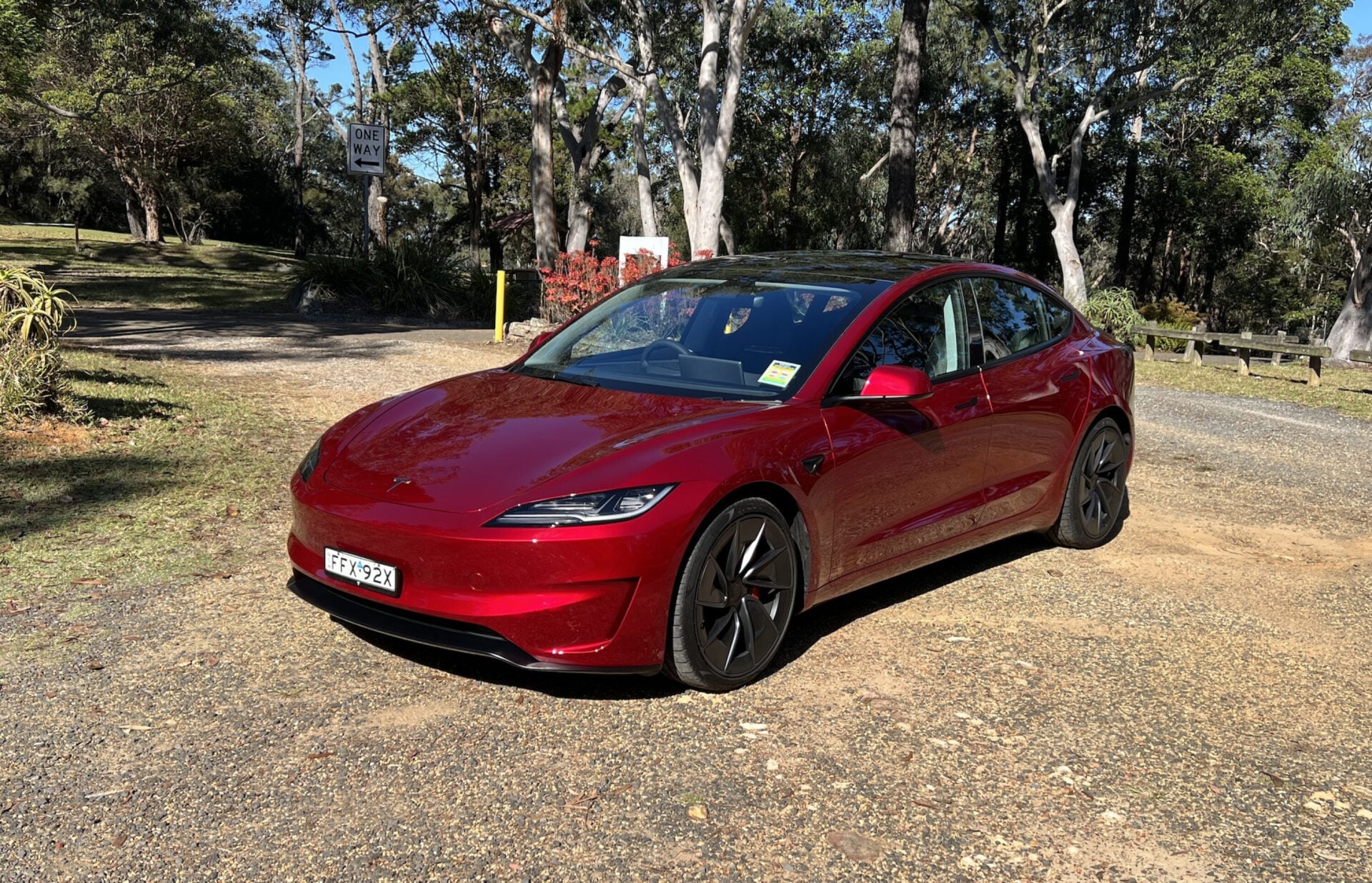
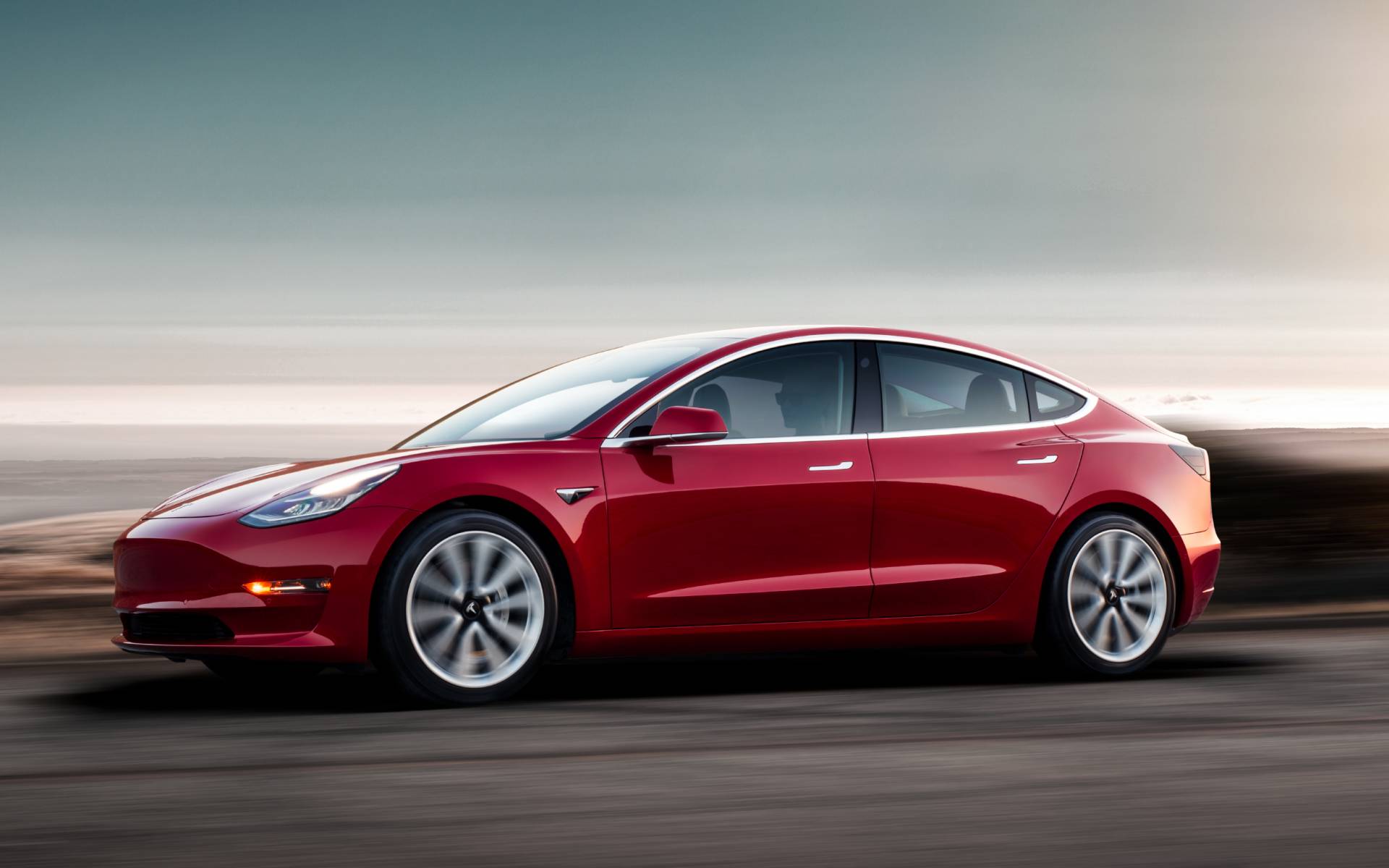
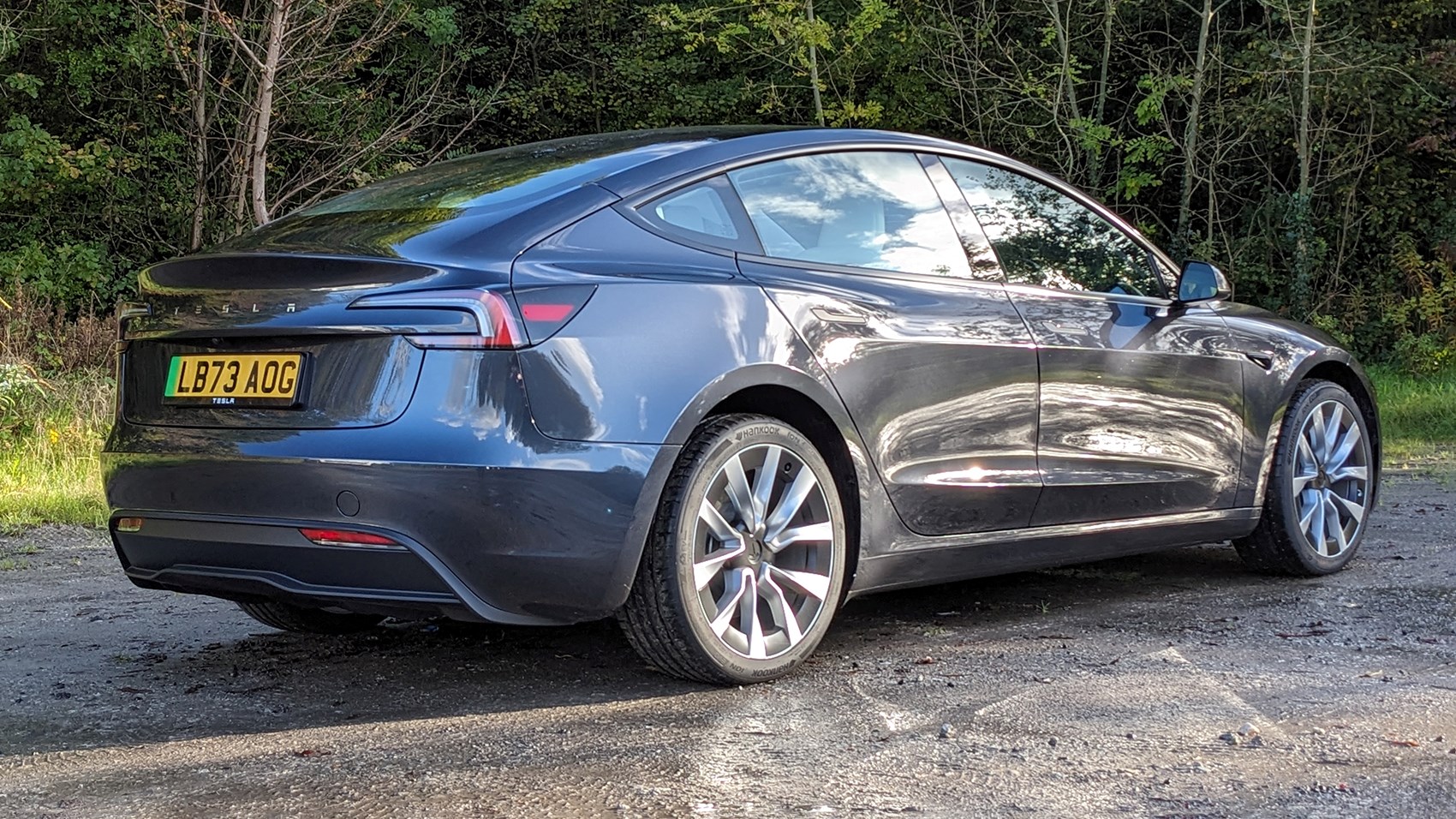
The 2020 Tesla Model 3 remains a pivotal vehicle in the evolution of the electric vehicle market, offering an impressive blend of instant acceleration, cutting-edge software integration, and competitive driving range. It succeeds in making zero-emission driving accessible to a broader audience while delivering sports-sedan handling, making it a benchmark for subsequent EV development.
Introduction and Model Lineup Overview
When evaluating the 2020 Tesla Model 3, it is essential to understand the vehicle's structural layout and trim variations. By 2020, Tesla had refined its mass-market sedan lineup into three primary variants: the Standard Range Plus (Rear-Wheel Drive), the Long Range (Dual Motor All-Wheel Drive), and the Performance (Dual Motor All-Wheel Drive). Each variant caters to distinct driving needs, balancing cost, efficiency, and raw power.
The architectural foundation of the Model 3 relies on a skateboard-style chassis where the heavy lithium-ion battery pack is mounted low beneath the floorboards. This layout creates an exceptionally low center of gravity, which heavily influences the vehicle's dynamic handling characteristics. Furthermore, the 2020 model year benefited from subtle continuous production updates, including minor range increases across trims, improved acoustic glass in early-production variants of that year, and the integration of the pedestrian warning sound system mandated for electric vehicles.
Understanding the market context of the 2020 model year requires recognizing that this vehicle sat at the crossroads of early adopter technology and mainstream automotive acceptance. It dropped traditional instrument clusters in favor of a centralized touchscreen interface, a design choice that polarizes drivers even as it defines the modern software-defined vehicle era.
Performance, Driving Dynamics, and Handling
Driving the 2020 Tesla Model 3 reveals a distinct departure from conventional internal combustion engine (ICE) sedans. Electric propulsion delivers maximum torque instantaneously, resulting in sharp, linear acceleration without the shifting pauses inherent in traditional automatic transmissions.
Trim-Specific Performance Breakdown
- Standard Range Plus: Equipped with a single rear-mounted motor, this entry-level model accelerates from 0 to 60 mph in approximately 5.3 seconds. While it lacks the brutal launch of the dual-motor variants, it offers nimble handling due to its lighter overall weight.
- Long Range: Featuring a dual-motor setup, this variant splits torque dynamically between the front and rear wheels. It achieves 0 to 60 mph in 4.4 seconds, providing confident traction in adverse weather conditions alongside extended highway legs.
- Performance: The flagship variant tunes the dual motors to slash the 0 to 60 mph time to a blistering 3.2 seconds. It also includes the Performance Upgrade package, featuring 20-inch Überturbine wheels, performance brakes, a lowered suspension, an increased top speed of 162 mph, and a dedicated "Track Mode" for closed-course driving.
The steering feel of the Model 3 is direct and weighted well, though it offers limited surface feedback through the steering wheel. Body roll is minimal when cornering aggressively, thanks to the aforementioned low center of gravity. However, the suspension tuning—particularly on the Performance trim with its stiffer springs and low-profile tires—can feel harsh and unyielding over rough, broken urban pavement.
Battery Range, Charging Infrastructure, and Efficiency
Range anxiety remains a central consideration for any electric vehicle evaluation. The 2020 Tesla Model 3 addressed this concern effectively through high energy density and class-leading aerodynamic efficiency, featuring a drag coefficient of just $0.23$.
Official EPA Estimates vs. Real-World Expectations
| Trim Level | EPA Estimated Range | Real-World Highway Range (Approx.) | Drive Configuration |
|---|---|---|---|
| Standard Range Plus | 250 miles | 210 – 230 miles | Rear-Wheel Drive |
| Long Range | 322 miles | 280 – 300 miles | Dual Motor AWD |
| Performance | 299 miles | 260 – 280 miles | Dual Motor AWD |
Real-world range varies depending on ambient temperature, driving style, cabin climate control usage, and highway speeds. Cold winter weather significantly reduces lithium-ion battery efficiency, sometimes decreasing available range by 20% to 35% unless pre-conditioning is utilized.
Charging the Model 3 is facilitated by Tesla’s proprietary Supercharger network, alongside standard J1772 and CCS compatibility via adapters for third-party Level 2 AC chargers and DC fast chargers. The 2020 Model 3 supports V3 Supercharging, allowing peak charging speeds of up to 250 kW for Long Range and Performance variants. Under optimal conditions, a V3 Supercharger can replenish up to 75 miles of range in roughly 5 minutes, or bring the battery from 10% to 80% in approximately 30 minutes.
Interior Design, Technology, and Ergonomics
The interior of the 2020 Tesla Model 3 is defined by radical minimalism. Almost all vehicle controls—including climate adjustments, speedometer readouts, mirror placements, and audio configurations—are centralized within the 15-inch horizontal touchscreen interface mounted on the dashboard.
- 15-Inch Touchscreen
- Speedometer
- Navigation Map
- Climate Control
- Media & Streaming
- Vehicle Settings
- Autopilot Configuration
- Center Console Storage & Dual Phone Docks
While this design creates an airy, open cabin aesthetic, it introduces ergonomic trade-offs. Adjusting the side mirrors or directing the HVAC airflow requires navigating nested software menus rather than utilizing tactile buttons or physical knobs, which can divert a driver's attention from the road.
Build quality and material finishes in 2020 models exhibited notable variance. Early production runs of the Model 3 faced criticism regarding panel gaps, inconsistent paint thickness, and interior rattles. By 2020, manufacturing processes had stabilized significantly, yielding tighter tolerances, though some cabin plastics and vegan leather seating surfaces still show wear more quickly than traditional luxury German competitors.
Cargo capacity is surprisingly generous for a compact sedan. The main trunk offers 15 cubic feet of space, complemented by a deep under-floor storage well (the "sub-trunk") and a 2.7-cubic-foot front trunk (the "frunk") under the hood. The 60/40 split-folding rear seats fold flat to accommodate longer items.
Safety Ratings and Driver Assistance Systems
Safety is one of the strongest pillars of the 2020 Tesla Model 3. The vehicle earned a 5-star overall safety rating in every category and subcategory from the National Highway Traffic Safety Administration (NHTSA) and achieved the "Top Safety Pick+" designation from the Insurance Institute for Highway Safety (IIHS). The absence of a heavy internal combustion engine upfront creates a large crumple zone, while the heavy battery pack prevents structural intrusion into the cabin during side-impact collisions.
Standard safety equipment includes:
- Automatic Emergency Braking (AEB)
- Forward Collision Warning (FCW)
- Lane Departure Warning and Avoidance
- Side Collision Warning
Tesla's Autopilot driver-assistance suite comes standard on all 2020 models, offering traffic-aware cruise control and autosteer functionality. Vehicles equipped with the optional Full Self-Driving (FSD) capability add features such as Navigate on Autopilot, Auto Lane Change, Autopark, Summon, and Traffic Light and Stop Sign Control.
Professional Limitation: Despite marketing terminology, Autopilot and FSD are Level 2 driver-support systems. They require active human supervision, a firm hand on the steering wheel at all times, and absolute driver accountability. They do not render the vehicle autonomous.
Long-Term Reliability, Maintenance, and Operating Costs
Operating an electric vehicle fundamentally alters the traditional maintenance paradigm. The 2020 Tesla Model 3 eliminates oil changes, spark plug replacements, timing belts, and exhaust system repairs.
Common Maintenance Items and Wear Factors
- Tires: Due to the instant torque delivery and the heavy weight of the battery pack, the Model 3 tends to consume tires faster than a conventional economy car. Expect tire replacements every 25,000 to 40,000 miles depending on driving habits.
- Brakes: Regenerative braking captures kinetic energy to slow the vehicle, meaning physical brake pads and rotors see minimal wear. However, in regions that salt roads during winter, brake calipers can seize from lack of use if not periodically serviced or cleaned.
- Cabin Air Filters and Fluids: Routine maintenance is largely limited to replacing cabin air filters, topping off windshield washer fluid, and periodically testing brake fluid moisture levels.
Battery degradation over time is a primary concern for used EV buyers. Real-world data from 2020 Model 3 fleets indicates that battery capacity typically degrades by approximately 5% to 10% within the first 50,000 to 60,000 miles, after which the degradation curve flattens significantly. Tesla provides an 8-year or 100,000-to-150,000-mile warranty (depending on the trim) covering battery capacity retention down to 70% of its original health.
Frequently Asked Questions
What is the real-world highway range of a 2020 Tesla Model 3 Long Range?
The 2020 Model 3 Long Range has an EPA rating of 322 miles. In real-world highway driving at sustained speeds of 70 mph, drivers typically achieve between 280 and 300 miles of range under favorable weather conditions. Cold weather, high speeds, and aggressive driving will reduce this figure further.
Does the 2020 Tesla Model 3 support Apple CarPlay or Android Auto?
No, Tesla vehicles do not support Apple CarPlay or Android Auto. The vehicle relies entirely on its native Linux-based operating system, powered by an Intel Atom processor in 2020 models. It integrates built-in applications for Spotify, Apple Music, Netflix, YouTube, and native navigation powered by Google Maps data.
How fast does the 2020 Tesla Model 3 charge at a Supercharger?
The 2020 Model 3 supports V3 Supercharging, allowing peak charge rates of up to 250 kW for Long Range and Performance trims, and up to 170 kW for the Standard Range Plus. Under ideal conditions, a compatible V3 Supercharger adds approximately 75 miles of range in 5 minutes.
Is Autopilot standard on the 2020 Tesla Model 3?
Yes, basic Autopilot—which includes traffic-aware cruise control and autosteer—comes standard on every 2020 Tesla Model 3. Advanced features like Navigate on Autopilot, Summon, and Full Self-Driving capability required an additional software purchase package.
What are the most common reliability issues reported on the 2020 Model 3?
Common complaints for the 2020 model year involve cosmetic build quality inconsistencies, paint chipping near the rear wheel arches, premature suspension control arm wear in early-production batches, and occasional glitches with the central touchscreen software requiring a manual reboot.
Conclusion and Buying Recommendation
The 2020 Tesla Model 3 remains a compelling purchase in the used electric vehicle market. It combines engaging performance, class-leading range efficiency, and access to the unmatched Supercharger network. Buyers prioritizing cutting-edge software updates, low running costs, and sharp driving dynamics will find much to admire.
However, prospective owners must accept the minimalist interior layout, verify the remaining health of the high-voltage battery, and account for potentially higher insurance premiums and tire replacement costs. For those transitioning away from gas-powered vehicles, the Long Range variant provides the most balanced compromise between daily usability and highway capability.