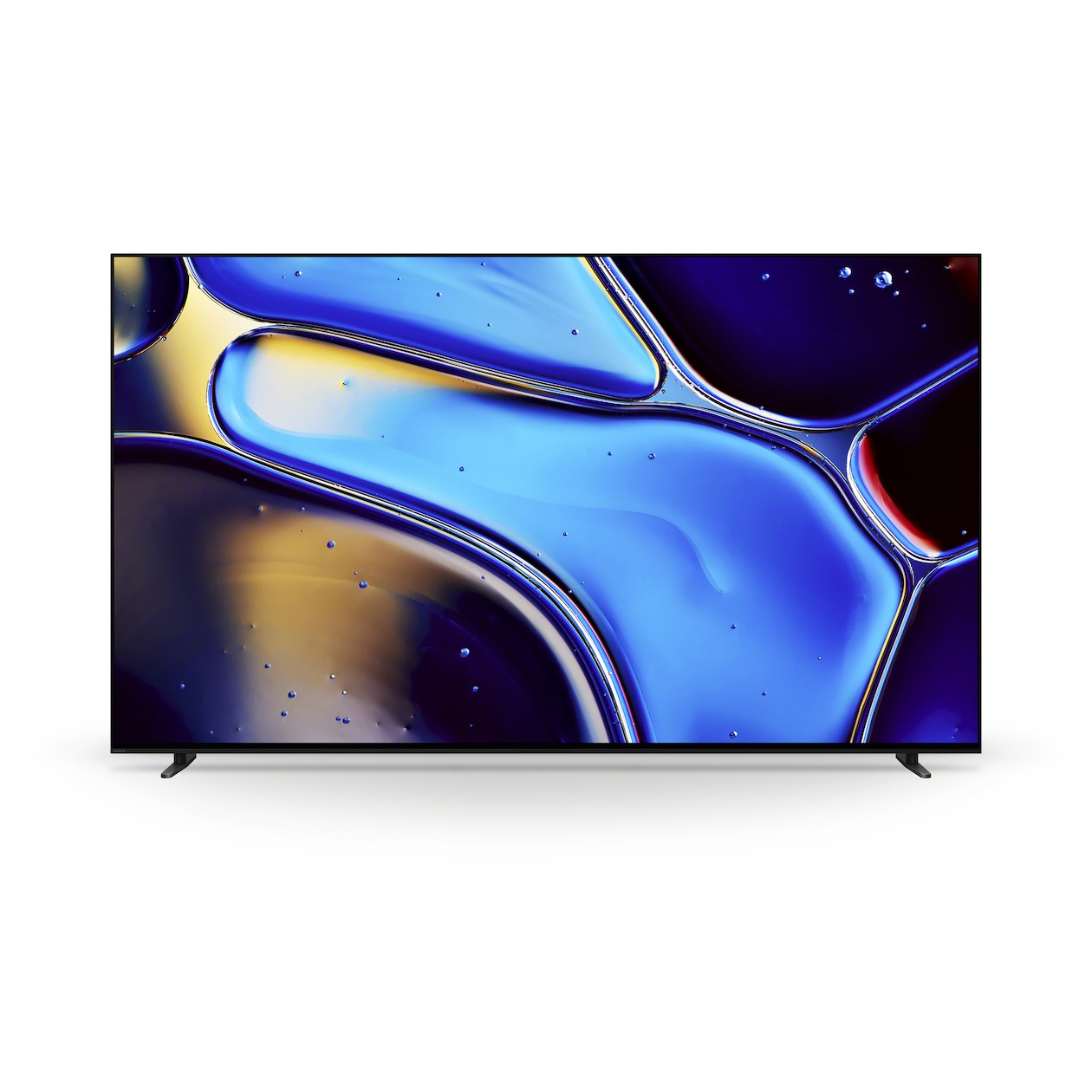
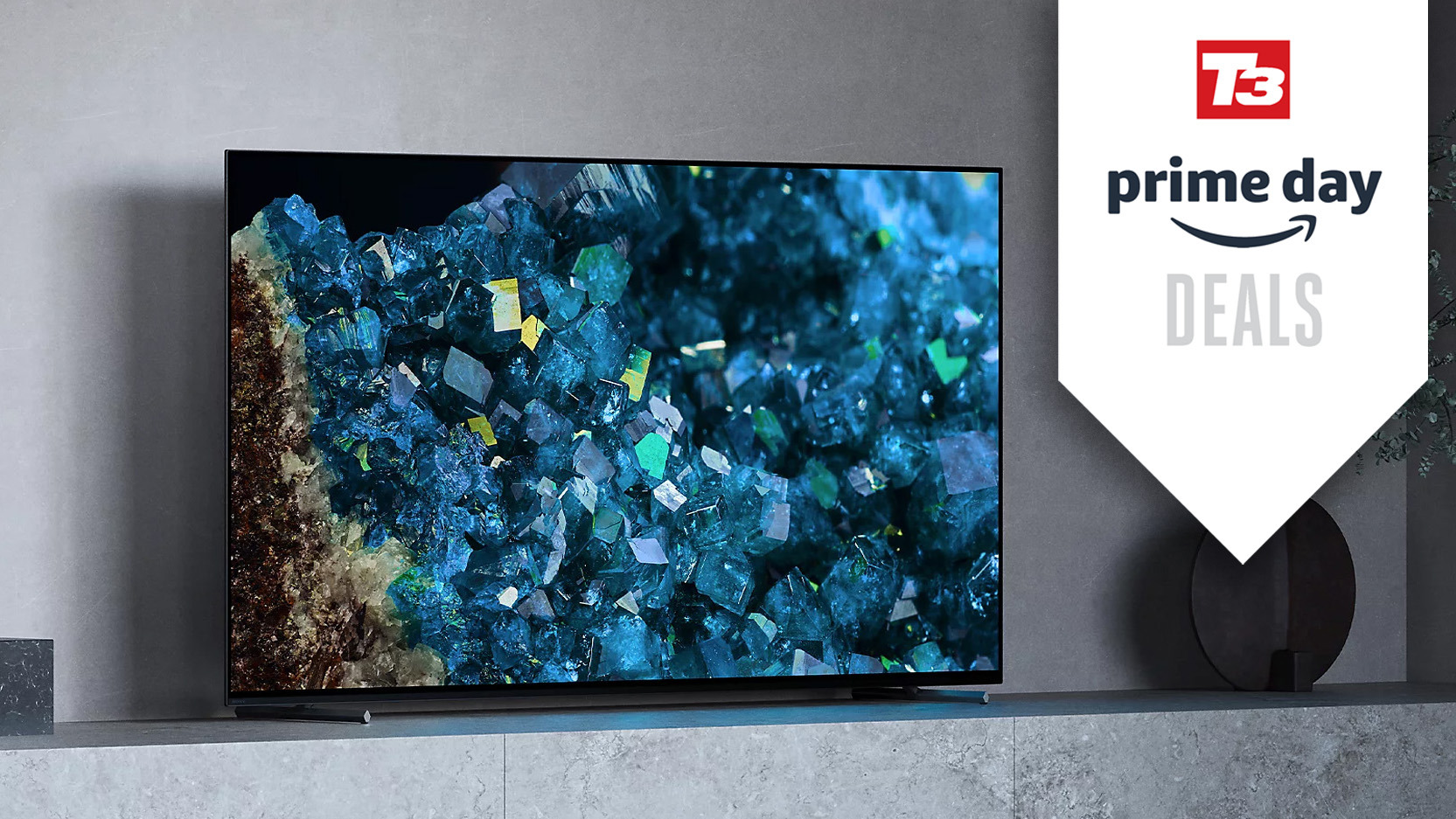
The 2017 Sony XBR-77A1E 77-inch OLED TV represents a monumental milestone in consumer display technology, combining a self-emitting organic light-emitting diode panel with Sony’s proprietary 4K HDR Processor X1 Extreme and an innovative acoustic surface sound system. As a flagship offering from Sony's Bravia master series era, this television set out to redefine color reproduction, contrast ratios, and industrial design aesthetics for high-end home theaters. Understanding its full architectural makeup, panel specifications, and processing capabilities offers valuable insight into how premium display engineering matured during the advent of consumer 4K HDR content.
Introduction to the Sony Bravia A1E OLED Series
Released in 2017, the Sony XBR-77A1E stood at the apex of the brand's television lineup, serving as the larger sibling to the critically acclaimed 55-inch and 65-inch models. Unlike traditional LED-backlit LCD televisions that rely on external arrays or edge-lighting, the A1E series utilizes an emissive pixel structure where each individual subpixel generates its own light. This architecture eliminates blooming, halo artifacts, and backlight bleeding, yielding true absolute blacks and infinite contrast ratios.
The design philosophy of the XBR-77A1E also departed radically from conventional industry standards. Sony eliminated visible table stands and front-firing speaker grilles, opting instead for a single-slab glass aesthetic that leans back at a subtle angle supported by a hidden, rear-mounted subwoofer and kickstand enclosure. This minimalist approach prioritized pure visual immersion, ensuring that nothing distracted the viewer from the cinematic image projected on the expansive 77-inch canvas.
Display Panel Technology and Picture Quality
At the heart of the XBR-77A1E is a 77-inch WOLED (White OLED) panel manufactured by LG Display and meticulously tuned by Sony's video processing algorithms. The panel features a native resolution of 3840 x 2160 pixels, translating to standard 4K Ultra HD clarity. Because every subpixel can be completely powered off, the display achieves a theoretical infinite contrast ratio, allowing deep shadow detail to coexist with striking highlight luminance without artificial interference.
Color Reproduction and Wide Color Gamut
Color fidelity on the 77A1E is managed by Sony's TRILUMINOS Display technology, working in tandem with the Super Bit Mapping 4K HDR feature. This hardware-software combination breaks down the color bands of standard video sources, smoothing out gradient transitions in subtle areas like skies and skin tones. The display covers a massive percentage of the DCI-P3 color space, ensuring that wide color gamut content mastered for modern digital cinemas is rendered with high accuracy.
Motion Handling and Refresh Rate
Motion processing is a critical benchmark for high-end televisions, and the XBR-77A1E employs a native 120Hz refresh rate panel. To combat the sample-and-hold blur inherent to high-response OLED pixels, Sony integrates Motionflow XR technology. This system utilizes black frame insertion and motion estimation/motion compensation (MEMC) algorithms to deliver crisp motion tracking for sports, fast-paced action sequences, and high-frame-rate video feeds without inducing excessive soap-opera effect.
Video Processing: The 4K HDR Processor X1 Extreme
The performance ceiling of the 2017 Sony XBR 77A1E 77 inch oled tv specs is largely defined by its primary silicon: the 4K HDR Processor X1 Extreme. This proprietary processor delivers real-time image processing power that operates across three core pillars: object-based HDR remaster, Super Bit Mapping 4K HDR, and dual-database processing.
| Processing Feature | Technical Function | Primary Benefit to Viewer |
|---|---|---|
| Object-Based HDR Remaster | Analyzes and adjusts contrast for individual objects on screen independently. | Enhances texture, depth, and realism in complex scenes. |
| Super Bit Mapping 4K HDR | Processes 14-bit signal color gradation to eliminate banding. | Smooths color transitions in gradients like sunsets and fog. |
| Dual-Database Processing | Uses one database for noise reduction and a second for upscaling. | Cleans up compressed sources while sharpening standard HD content. |
The dual-database processing system is particularly notable for legacy content. By referencing extensive image libraries stored on the chip, the television distinguishes between random digital noise and actual picture detail, upscaling standard-definition and high-definition video sources to near-4K clarity with minimal artifacting.
High Dynamic Range (HDR) Support and Limitations
The 2017 Sony XBR-77A1E was engineered during a transitional period for HDR metadata formats. As a result, its native format compatibility reflects the industry standards of that era.
- HDR10: Fully supported for standard 4K Blu-rays and streaming media services.
- HLG (Hybrid Log-Gamma): Supported via firmware updates for broadcast HDR standards.
- Dolby Vision: Added via a subsequent firmware update in early 2018, allowing dynamic metadata processing for compatible content.
- HDR10+: Not supported natively due to proprietary licensing and hardware architecture limitations.
Peak brightness for large-format OLEDs of this generation typically hovered between 600 and 800 nits for small window highlights, which, while lower than contemporary flagship LED TVs, was heavily mitigated by the panel's ability to render absolute black levels right next to bright highlights.
Acoustic Surface Audio Technology
One of the most innovative engineering choices on the XBR-77A1E is its audio delivery system, branded as Acoustic Surface technology. Traditional televisions utilize down-firing or rear-firing cone drivers enclosed in plastic housings, often resulting in constrained, directional sound.
The A1E series replaces traditional speakers with invisible actuators attached directly to the rear glass panel of the display. These actuators vibrate the actual screen surface to produce mid-range and high-frequency audio, allowing sound to emanate directly from the images on screen—voices genuinely appear to originate from the characters' mouths. Low-frequency bass response is handled by a dedicated subwoofer built directly into the rear support kickstand, creating a unified 2.1-channel acoustic profile without external clutter.
Connectivity, Ports, and Smart TV Platform
Comprehensive physical and wireless connectivity options ensure that the 77A1E can interface with a wide array of legacy and modern peripherals.
Input and Output Terminal Specifications
- HDMI Ports: Four HDMI inputs, all of which support HDCP 2.2, 4K resolution up to 60fps, and Audio Return Channel (ARC) on HDMI 3. Note that true HDMI 2.1 features such as 4K/120Hz gaming, Variable Refresh Rate (VRR), and Auto Low Latency Mode (ALLM) were not introduced until later hardware generations.
- USB Ports: Three USB ports (one USB 3.0, two USB 2.0) for local media playback and storage expansion.
- Audio Outputs: Digital optical audio output, 3.5mm analog headphone jack (which doubles as a subwoofer out in specific menu configurations).
- Network Connectivity: Built-in Wi-Fi (802.11a/b/g/n/ac) and an Ethernet (RJ-45) port for wired local area network access.
- Tuners: RF antenna/cable input supporting ATSC, NTSC, and Clear QAM.
Smart TV Software Ecosystem
At launch, the XBR-77A1E ran on the Android TV operating system (powered by a quad-core MediaTek processor), granting users access to the Google Play Store, Google Cast functionality, and voice search capabilities via a microphone-equipped remote control. While early iterations of Android TV received criticism for sluggish response times and software instability, subsequent firmware updates streamlined the user interface, improving navigation speed and app stability for major streaming services like Netflix, Amazon Prime Video, and YouTube.
Physical Dimensions, Weight, and Power Consumption
Due to the heavy glass substrate and the integrated kickstand base design, the physical profile of the 77-inch model requires careful installation planning.
- Dimensions Without Stand: Approximately 172.1 cm x 99.3 cm x 8.9 cm (67 7/8 in x 39 1/8 in x 3 5/8 in).
- Dimensions With Stand: Approximately 172.1 cm x 99.6 cm x 39.9 cm (67 7/8 in x 39 1/4 in x 15 3/4 in).
- Weight With Stand: Approximately 45.3 kg (99.9 lbs), requiring at least two individuals for safe unboxing and placement.
- Power Consumption: Rated at approximately 600 watts maximum operation, with standby consumption falling below 0.5 watts to comply with international energy regulations.
Frequently Asked Questions
Does the Sony XBR-77A1E support 4K gaming at 120Hz?
No. The HDMI ports on the 2017 XBR-77A1E are limited to HDMI 2.0 specifications. While it natively supports 4K resolution at 60Hz and 1080p resolution at 120Hz, it does not support 4K/120Hz gaming inputs or advanced gaming features like VRR found on modern consoles.
How does the Acoustic Surface audio system perform compared to a soundbar?
The Acoustic Surface technology offers superior dialogue clarity and sound localization because audio emanates directly from the screen surface. However, for deep cinematic bass and room-filling theater scale, an external dedicated home theater soundbar or multi-channel receiver setup still provides superior acoustic performance.
Can the Sony XBR-77A1E be wall-mounted?
Yes. Despite its easel-like kickstand design, the rear panel features standard VESA mounting holes. When wall-mounted, the rear subwoofer kickstand folds flat or remains detached, though specialized wall brackets may be required to accommodate the specific weight distribution and port layout.
Did this model receive an update for Dolby Vision?
Yes. Sony rolled out a firmware update in early 2018 that enabled Dolby Vision support over HDMI and internal streaming apps, provided the source device also outputted standard Dolby Vision profiles compatible with Sony's processing architecture.
What are the main risks of buying or using a used 2017 OLED TV?
Like all OLED panels from that generation, long-term exposure to static elements can lead to permanent image retention or panel burn-in. Prospective buyers should inspect the panel using solid-color test patterns to verify pixel uniformity and check total operational hours via the service menu.
Conclusion and Final Recommendation
The 2017 Sony XBR 77A1E 77 inch oled tv specs reveal a masterclass in high-end display engineering that laid the groundwork for modern OLED dominance. Its combination of an expansive 77-inch emissive panel, advanced X1 Extreme video processing, and avant-garde acoustic design makes it a legendary piece of home entertainment hardware. While modern displays offer higher peak luminance levels, HDMI 2.1 gaming compatibility, and faster smart operating systems, the XBR-77A1E remains a phenomenal cinematic display for traditional film and television viewing in controlled lighting environments.