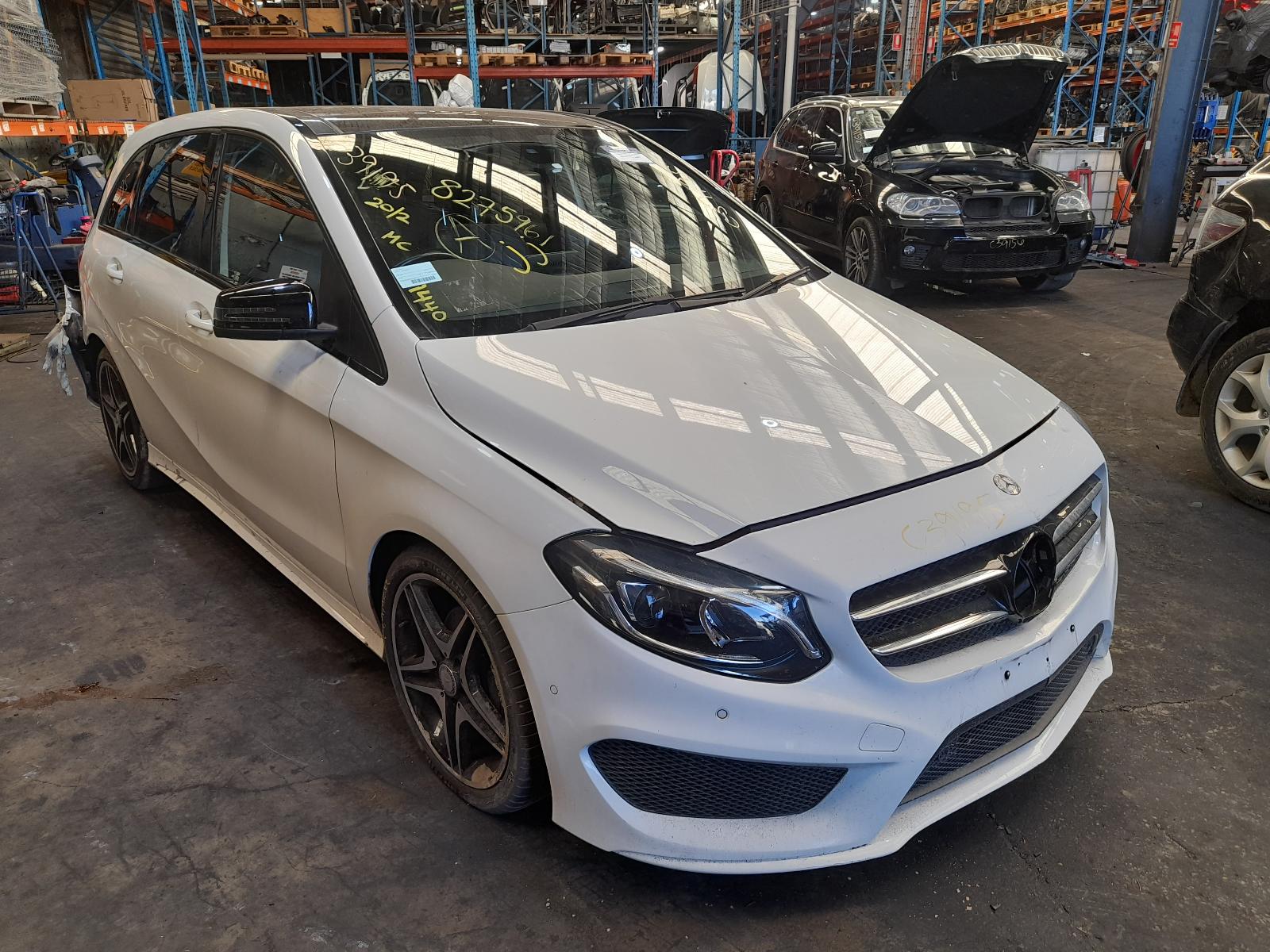
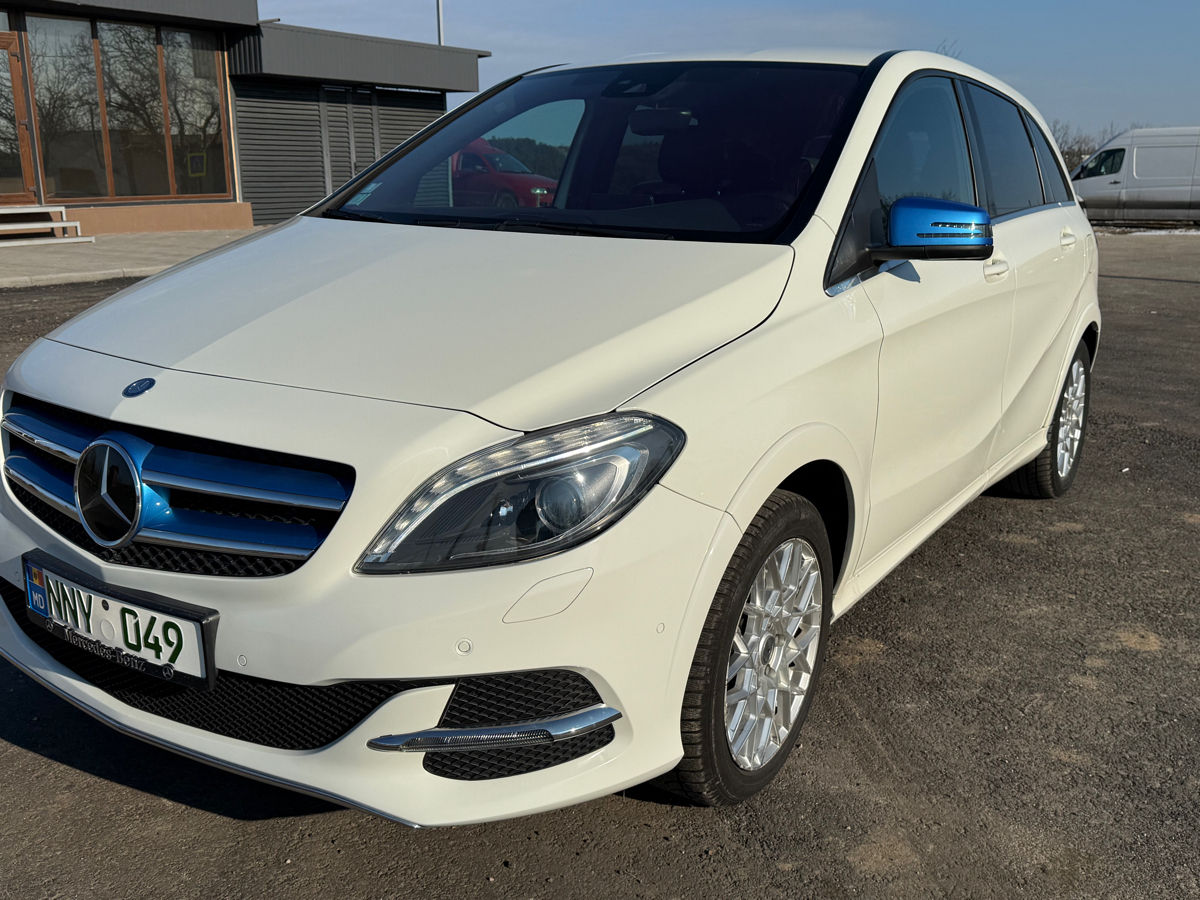
The 2015 Mercedes-Benz B-Class Electric Drive represents a unique chapter in automotive history, merging luxury compact practicality with zero-emission electric mobility. Long before electrification became mainstream across the Mercedes-Benz lineup, this vehicle introduced a quiet revolution by packaging a Tesla-developed battery and drivetrain into a versatile, high-end family hatchback, laying the technical and psychological groundwork for today’s comprehensive EQ vehicle portfolio.
Understanding the 2015 Mercedes-Benz B-Class Electric Drive
When Mercedes-Benz introduced the B-Class Electric Drive for the 2015 model year in North America (having launched the second-generation B-Class architecture in Europe earlier), it was positioned as a compliance car with a distinctively premium edge. Unlike many early electric vehicles that featured polarizing, futuristic designs, the B-Class looked, felt, and drove much like a traditional internal combustion engine vehicle. This intentional normalcy was part of its quiet revolution: it allowed drivers to transition to electric mobility without sacrificing the traditional build quality, comfort, and badge prestige associated with Mercedes-Benz.
Underneath the floorboards lay a sophisticated high-voltage lithium-ion battery pack developed in collaboration with Tesla Motors. This strategic partnership gave Mercedes-Benz immediate access to proven Silicon Valley electric vehicle technology while allowing the German manufacturer to focus on chassis dynamics, interior refinement, and safety compliance. The resulting vehicle offered a unique blend of traditional European hatchback utility and modern electric propulsion, carving out a specialized niche for urban commuters and eco-conscious luxury buyers.
Technical Specifications and Performance Dynamics
The engineering architecture of the 2015 Mercedes-Benz B-Class Electric Drive relied on a front-mounted electric motor delivering 177 horsepower and a robust 250 lb-ft of torque. Because electric motors produce maximum torque instantaneously from a standstill, the B-Class offered surprisingly brisk acceleration, moving from 0 to 60 mph in approximately 7.9 seconds. This performance made city driving and highway merging effortless, accompanied by the signature near-silent operation characteristic of early-generation electric powertrains.
Powering the motor was a 28 kWh lithium-ion battery pack (with a usable capacity of approximately 36 kWh total before safety buffers). Official EPA-estimated range sat at roughly 87 miles on a full charge, though real-world figures varied depending on driving style, ambient temperature, and climate control usage.
To help drivers maximize efficiency, Mercedes-Benz incorporated a sophisticated regenerative braking system operated via steering-wheel-mounted paddle shifters. Drivers could cycle through different levels of energy recovery, ranging from coasting mode to aggressive one-pedal driving, adapting the vehicle's deceleration characteristics to traffic conditions and personal preference.
| Technical Parameter | Specification Detail |
|---|---|
| Motor Type | Front-mounted asynchronous electric motor |
| Power Output | 177 hp (132 kW) |
| Torque | 250 lb-ft (340 Nm) |
| Battery Capacity | 28 kWh (usable lithium-ion) |
| EPA Estimated Range | ~87 miles (140 km) |
| Drivetrain | Front-wheel drive (FWD) |
| Charging Time (240V) | Approx. 3.5 hours for full charge |
The Tesla Partnership and Engineering Integration
The most compelling aspect of the 2015 B-Class Electric Drive was its powertrain lineage. During the early 2010s, Mercedes-Benz parent company Daimler AG held a financial stake in Tesla, leading to collaborative engineering agreements. Tesla supplied the battery pack, motor inverter, and associated powertrain electronics for the B-Class Electric Drive, mirroring a similar arrangement utilized for the historic RAV4 EV program with Toyota.
This cross-pollination of engineering talent meant that the B-Class utilized battery thermal management and power electronics heavily influenced by Tesla’s early road-proven architecture. However, Mercedes-Benz wrapped this technology in its own proprietary vehicle dynamics control systems, ensuring the car retained the ride quality and crash structure expected of a three-pointed star.
An optional "RANGE+" package was available, which utilized a software unlock to increase the upper state-of-charge limit, temporarily expanding daily driving range by approximately 15% at the expense of long-term battery degradation if left at maximum capacity for extended periods.
Interior Packaging and Practicality
One of the primary advantages of the second-generation B-Class platform was its innovative "Energy Space" floor concept. Originally engineered to accommodate alternative fuel sources such as hydrogen fuel cells or battery electric packs without compromising cabin or cargo room, the dual-floor architecture meant the bulky lithium-ion battery pack was safely sandwiched beneath the passenger compartment.
As a result, interior legroom and headroom remained uncompromised compared to its gasoline-powered siblings. Rear passengers enjoyed generous space, and cargo capacity remained highly practical for a compact hatchback.
The interior featured premium materials, including available MB-Tex synthetic leather, wood or aluminum trim accents, and the freestanding COMAND infotainment screen. While the interface lacked smartphone integration like Apple CarPlay or Android Auto (which were not common in 2015), it provided robust navigation, Bluetooth connectivity, and vehicle energy flow monitors.
Ownership Experience, Limitations, and Charging
Owning a 2015 Mercedes-Benz B-Class Electric Drive requires understanding the realities of first-generation electric vehicle infrastructure and technology. With an EPA range of 87 miles, the vehicle is unsuited for long-distance road trips without meticulous route planning and frequent stops. Furthermore, the vehicle lacks DC fast-charging capabilities in standard configurations; it relies on a 9.6 kW onboard charger supporting Level 2 AC charging, which replenishes a depleted battery in roughly 3.5 hours using a home wallbox or public charging station.
Battery degradation is another critical consideration for prospective buyers evaluating pre-owned models today. Like all lithium-ion batteries from that era, capacity naturally diminishes over time and usage cycles.
A thorough battery health check via specialized diagnostic tools is essential before purchasing a used B-Class Electric Drive to determine the remaining state of health (SoH). Despite these limitations, for urban commuters with predictable daily mileage and access to reliable home charging, the vehicle offers luxury motoring at a fraction of its original MSRP.
Common Maintenance and Reliability Considerations
The mechanical simplicity of electric vehicles generally translates to lower routine maintenance costs compared to internal combustion vehicles—there are no oil changes, spark plugs, timing belts, or exhaust systems to service. However, specific components require attention:
- Brake Components: Because regenerative braking handles the majority of deceleration, traditional friction brakes can suffer from corrosion due to underuse, particularly in wet or salted winter climates. Regular inspection of rotors and pads is advised.
- Cooling Systems: The battery pack and power electronics feature dedicated liquid cooling loops with specialized coolant formulations that require periodic flushing.
- Suspension and Steering: Given the heavier curb weight imposed by the battery pack, suspension components such as control arm bushings, struts, and sway bar links may experience accelerated wear compared to lighter gasoline hatchbacks.
- Software Updates: Early EV control modules benefit from factory software calibrations to optimize battery balancing and thermal management efficiency.
The Legacy of the B-Class in the Evolution of EQ
While the B-Class Electric Drive was eventually phased out to make room for dedicated electric vehicle architectures, its role as a transitional pioneer cannot be overstated. It proved that legacy luxury automakers could successfully integrate third-party advanced EV powertrains while maintaining brand standards for safety and refinement.
The lessons learned from packaging the battery beneath the floor and managing thermal loads directly informed the development of Mercedes-Benz's subsequent modular electric platforms. Today, the lineage of that quiet revolution lives on in the modern EQ family, cementing the 2015 B-Class as an unsung hero of the electric vehicle transition.
Frequently Asked Questions
What is the real-world driving range of a 2015 Mercedes-Benz B-Class Electric Drive?
While the official EPA rating is 87 miles, real-world range typically fluctuates between 70 and 90 miles depending on ambient temperature, driving speeds, and climate control usage. Activating the optional RANGE+ package can temporarily increase this figure by allowing a full 100% top-off charge, though daily reliance on standard limits is recommended to preserve battery longevity.
Does the 2015 B-Class Electric Drive support DC fast charging?
No, the standard 2015 model does not feature DC fast-charging capabilities. It relies on a Level 2 AC onboard charger that delivers up to 9.6 kW, capable of recharging a depleted battery in approximately 3.5 hours using a 240-volt home charging station or compatible public charger.
Is the battery pack in the B-Class built by Tesla?
Yes. The high-voltage lithium-ion battery pack, motor inverter, and core drivetrain electronics were developed in collaboration with Tesla Motors, representing a unique partnership era between Daimler and the Silicon Valley EV manufacturer.
How does the battery placement affect interior space?
The vehicle was built on an innovative "Energy Space" platform designed specifically to house alternative powertrains. The battery pack is integrated beneath the floor, meaning passenger legroom, headroom, and cargo capacity remain virtually identical to a standard gasoline hatchback.
What should I check when buying a used 2015 Mercedes-Benz B-Class Electric Drive?
The most critical inspection item is the battery state of health (SoH). Prospective buyers should request a professional diagnostic report to measure remaining battery capacity and degradation levels, alongside standard checks of suspension components, regenerative braking efficiency, and charging port functionality.