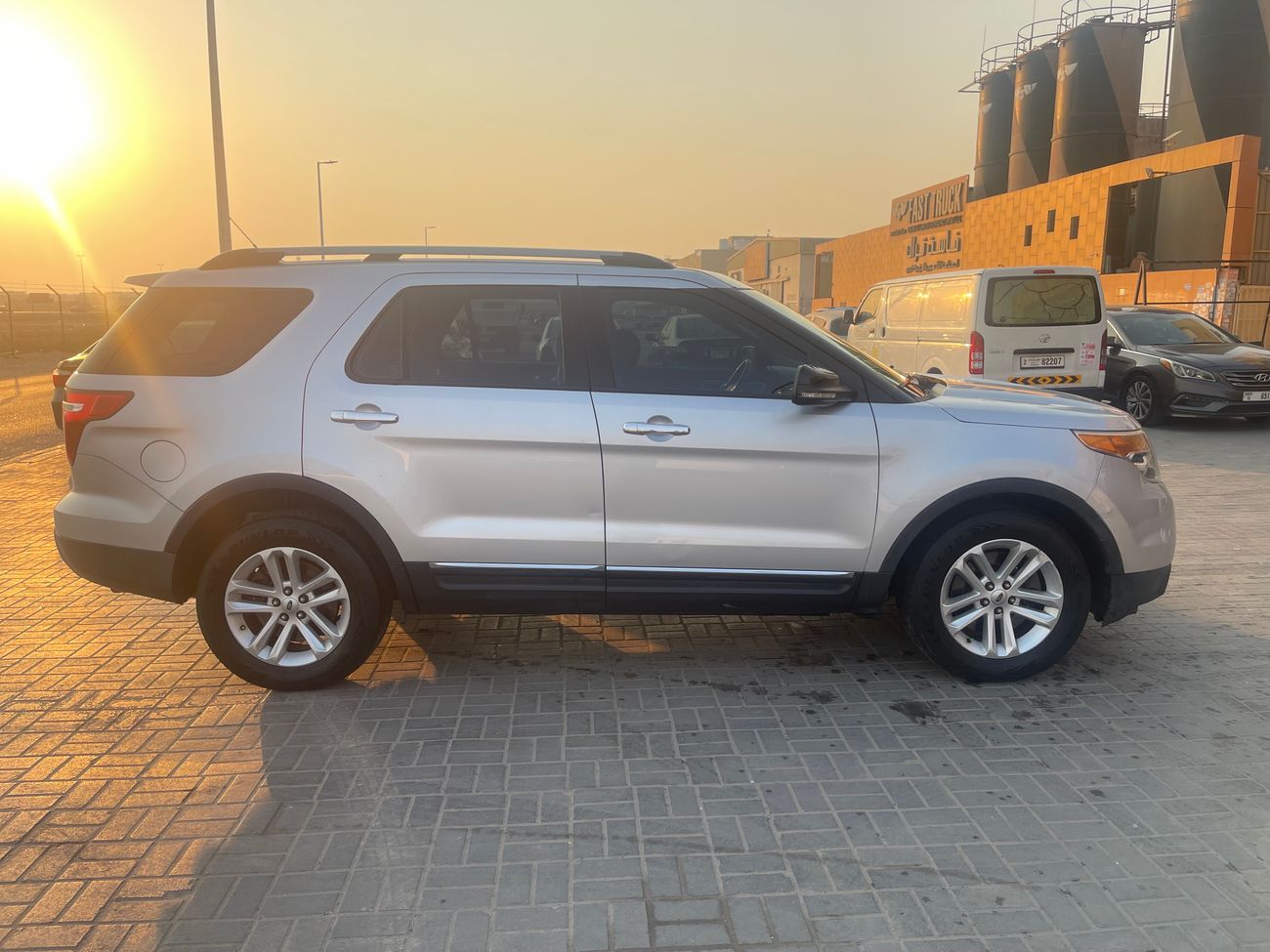
The 2014 Ford Explorer XLT balances family-hauling utility with mid-size crossover capability, but long-term reliability varies significantly by component, with powertrain, electrical, and interior accessories generating the highest volume of owner complaints and mechanical service records.
Introduction to the 2014 Ford Explorer XLT
The 2014 Ford Explorer XLT occupies a popular middle tier in the vehicle's fourth-generation lineup (spanning model years 2011 through 2019). As a crossover utility vehicle (CUV) built on a unibody platform rather than a traditional truck-based frame, it appealed to families seeking three-row seating, modern infotainment, and reasonable fuel economy without the harsh ride of older body-on-frame SUVs. The XLT trim added popular amenities such as rear parking sensors, power-adjustable front seats, automatic headlamps, and SiriusXM radio to the base package, making it one of the highest-volume sellers of that model year.
Evaluating the reliability of a vehicle that has been on the road for over a decade requires separating routine maintenance from systemic engineering flaws. While the 2014 model benefited from mid-cycle refinements following troubled initial production years (2011 and 2012), it still carries notable mechanical liabilities. Understanding these issues helps prospective buyers, current owners, and mechanics assess maintenance budgets, diagnose recurring symptoms, and determine whether a specific used vehicle represents a sound investment or a financial liability.
Powertrain Options and Performance Specifications
The 2014 Ford Explorer XLT came standard with a naturally aspirated 3.5-liter Ti-VCT (Twin Independent Variable Camshaft Timing) V6 engine, which generated 290 horsepower and 255 lb-ft of torque. Power is routed through a 6-speed SelectShift automatic transmission, available in both front-wheel drive (FWD) and intelligent four-wheel drive (4WD) configurations. Unlike higher trims like the Sport or Platinum, the XLT generally did not feature the 2.0-liter EcoBoost four-cylinder engine or the 3.5-liter twin-turbocharged EcoBoost V6, sparing most XLT buyers from the specific high-pressure fuel pump and turbocharger issues associated with those optional powerplants.
However, the standard 3.5L V6 is not without mechanical vulnerabilities. The most critical powertrain concern involves the internal water pump. Driven by the timing chain, this water pump operates inside the engine crankcase. If the pump seal fails, coolant leaks directly into the engine oil, which rapidly destroys engine bearings and can lead to catastrophic engine failure if not caught immediately. Because there is no external weep hole to signal early failure, monitoring coolant levels and oil condition is vital for long-term survival.
Transmission and Drivetrain Durability
The 6F50 6-speed automatic transmission paired with the 3.5L V6 is generally robust, but high-mileage examples frequently exhibit specific wear patterns. Common complaints include harsh shifting, delayed engagement into reverse or drive, and internal component wear—specifically wave plates or output shafts—though these issues were statistically more common in pre-2013 models. Regular fluid changes every 30,000 to 50,000 miles significantly extend the service life of this transmission.
In 4WD variants, the Power Transfer Unit (PTU) is another critical assembly requiring attention. The PTU transfers power to the rear driveshaft, operating in a hot environment with a relatively small volume of gear oil. Because Ford did not originally specify regular fluid change intervals for the PTU (often calling it "lifetime fluid"), fluid breaks down over time, leading to bearing wear, thermal breakdown, and eventual unit seizure. Owners frequently install aftermarket drain plugs to facilitate regular fluid exchanges and prevent premature PTU failure.
Suspension, Steering, and Chassis Reliability
The ride quality of the 2014 Ford Explorer XLT is supported by a fully independent suspension system. Over time, rubber bushings, ball joints, and control arms wear out, producing clunking noises over bumps, uneven tire wear, and loose steering response. Front strut assemblies typically require replacement between 100,000 and 150,000 miles to restore factory damping characteristics.
Steering on the 2014 Explorer utilizes an Electronic Power Assisted Steering (EPAS) system rather than a traditional hydraulic setup. While EPAS improves fuel efficiency and allows for features like active park assist, the rack-and-pinion assembly itself can fail. When an EPAS unit fails, the driver loses power steering assistance entirely, often accompanied by a warning message on the instrument cluster. Replacing the entire steering rack assembly is costly, making pre-purchase inspection of steering smoothness essential.
Electrical Systems and Infotainment Quirks
Electrical complaints represent a substantial share of reported issues for the 2014 model year. Many of these center on the MyFord Touch infotainment system, powered by SYNC. Users frequently report frozen touchscreens, unresponsive Bluetooth pairing, erratic backup camera behavior, and random system reboots. While software updates resolved many initial bugs, aging hardware components remain prone to lag and failure.
Additionally, interior climate control blend-door actuators are notorious for failing. When these small plastic gears break, the climate control system becomes stuck blowing exclusively hot or cold air, or refusing to switch vent zones. Replacing the blend-door actuator on the passenger side or behind the dashboard requires significant labor, as technicians often must remove large sections of the dashboard assembly.
Body Integrity, Interior Trim, and Interior Wear
Exterior and interior build quality yields mixed results. A well-known aesthetic issue for this generation of Explorers is bubbling or corrosion on the leading edge of the aluminum hood, caused by a reaction between the aluminum panel and iron-based contaminants or improper sealant application during manufacturing. While primarily cosmetic, it can detract from vehicle appearance.
Inside the cabin, material durability varies. Cloth seats in base XLT models wear relatively well, but optional leather upholstery can crack and split on the outer bolsters of the driver's seat by 150,000 miles. Door panel trim adhesives also weaken in hot climates, causing fabric inserts to sag or peel away from the plastic backing.
Common Repair Costs and Maintenance Considerations
Maintaining a used 2014 Ford Explorer XLT requires anticipating specific wear-and-tear items. Budgeting for preventative maintenance—such as proactive water pump replacement if mileage approaches 120,000 miles, PTU fluid changes, and suspension component overhauls—helps avoid catastrophic roadside failures.
| Component / System | Common Failure Mode | Estimated Repair / Replacement Cost | Recommended Prevention |
|---|---|---|---|
| Water Pump | Internal seal failure leading to coolant mixing with engine oil | $1,200 – $2,500 | Monitor coolant levels closely; replace proactively at 100k–120k miles |
| Power Transfer Unit (PTU) | Overheating and gear wear due to degraded fluid | $1,500 – $2,500 | Change PTU fluid every 30,000 to 40,000 miles |
| EPAS Steering Rack | Complete loss of electronic power steering assistance | $1,200 – $2,000 | Check for steering bind or DTC error codes during inspection |
| Blend-Door Actuators | Plastic gear failure preventing temperature or zone control | $300 – $800 (high labor due to dash removal) | Avoid forcing manual climate buttons when stuck |
| Front Suspension Struts | Damping loss, oil leaks, and worn upper mount bearings | $600 – $1,200 | Inspect boots and dampers annually for oil weeping |
Frequently Asked Questions
Is the 2014 Ford Explorer XLT a reliable used car?
The 2014 Ford Explorer XLT offers average reliability for a mid-size three-row SUV of its era. While its core 3.5L V6 engine and transmission are durable when maintained, potential buyers must verify whether critical high-mileage services—such as water pump inspection, PTU fluid maintenance, and suspension work—have been performed to avoid expensive repairs.
What is the most serious problem with the 2014 Ford Explorer?
The most severe mechanical concern is the internal water pump. Because the pump is driven by the timing chain inside the engine block, a seal failure dumps coolant directly into the engine oil. Without immediate shutoff and repair, this contamination destroys engine bearings and ruins the motor.
How many miles will a 2014 Ford Explorer XLT last?
With diligent maintenance, routine fluid changes, and prompt attention to suspension and cooling systems, a 2014 Ford Explorer XLT easily surpasses 150,000 to 200,000 miles. However, reaching these milestones typically requires replacing accessory components like alternators, steering racks, and suspension struts along the way.
Does the 2014 Ford Explorer XLT have transmission problems?
The 6F50 6-speed automatic transmission is generally reliable compared to earlier model years, but harsh shifting and solenoid wear can occur past 100,000 miles. Changing the transmission fluid every 30,000 to 50,000 miles significantly reduces the risk of premature internal mechanical failure.
How can I tell if a used 2014 Explorer has a failing water pump?
Signs of an impending water pump failure include unexplained coolant loss without external puddles, milky discoloration on the oil dipstick, white exhaust smoke, or an illuminated check engine light accompanied by low oil pressure warnings. Pre-purchase inspections should always include a thorough cooling system pressure test and oil analysis if possible.
Final Recommendations for Buyers and Owners
For prospective buyers considering a used 2014 Ford Explorer XLT, prioritizing a comprehensive pre-purchase inspection by an independent mechanic familiar with Ford platforms is essential. Request service records to confirm whether the water pump, PTU fluid, and suspension components have been serviced or replaced. For current owners, adhering to shortened fluid-change intervals for the transmission and PTU, combined with vigilant monitoring of fluid levels, remains the single most effective strategy for maximizing the vehicle's operational lifespan.