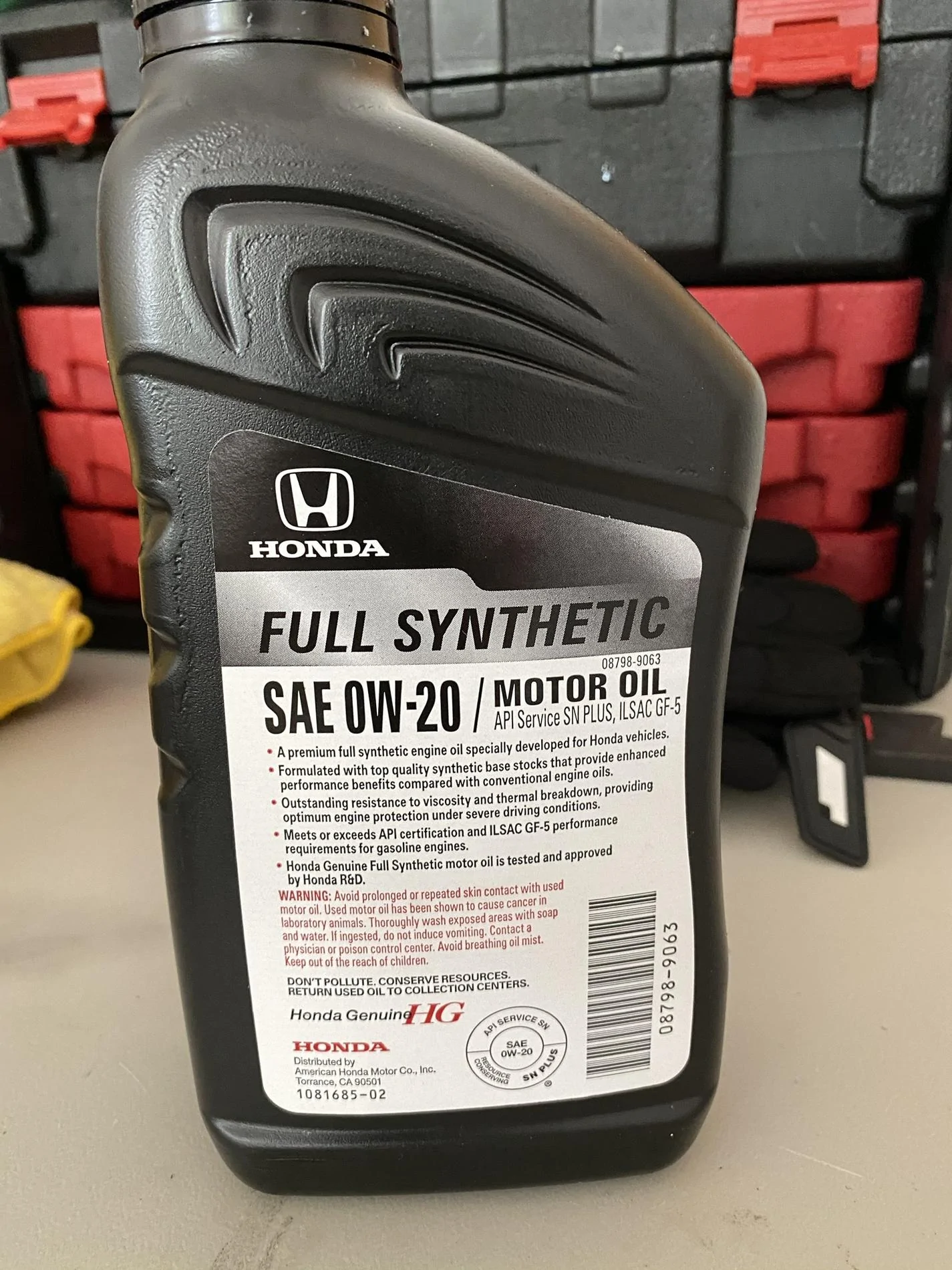
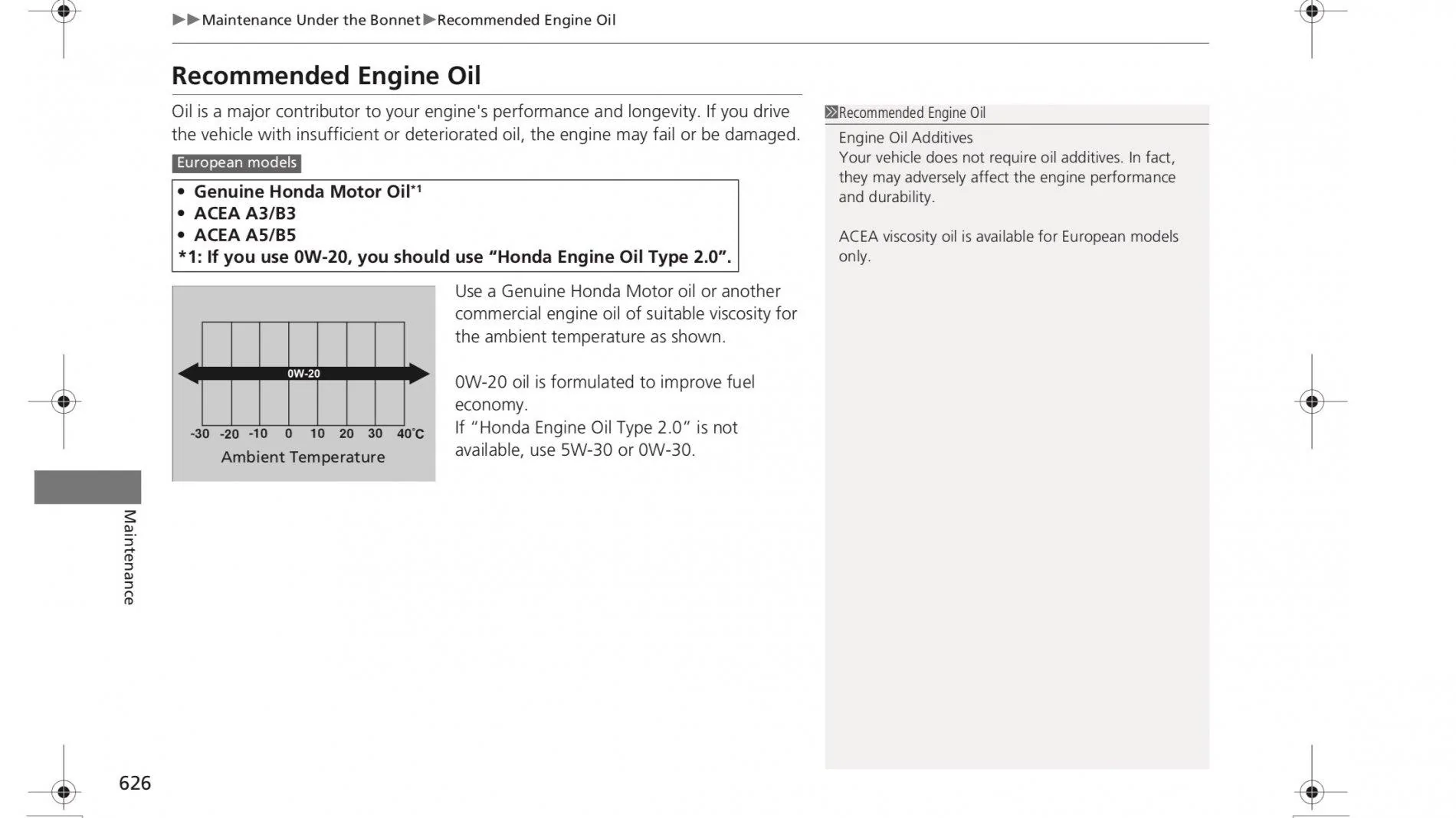
The 2013 Honda Civic Si, equipped with the 2.4-liter K24Z7 engine, has an oil capacity of 4.4 US quarts (4.2 liters) when performing an oil and filter change. If you are performing a service that does not include a filter replacement, the capacity is approximately 4.2 US quarts (4.0 liters).
Proper lubrication is the single most important factor in maintaining the longevity and performance of the 9th-generation Civic Si. As these vehicles age into 2026, many have reached high mileage milestones, making strict adherence to oil specifications more critical than ever. The K24Z7 engine is a high-revving, precision-engineered power plant that relies on specific oil pressure to operate its i-VTEC system effectively. Understanding the nuances of its oil requirements—beyond just the volume—is essential for any owner or technician.
The K24Z7 Engine and Lubrication Requirements
The 2013 Civic Si moved away from the high-revving 2.0L engines of previous generations in favor of the larger 2.4-liter K24Z7. While this engine provides more torque, it retains the high-performance DNA that requires high-quality lubrication. The engine's internal tolerances are tight, and the oil serves multiple roles: cooling internal components, cleaning deposits, and acting as a hydraulic fluid for the variable valve timing system.
In the K24Z7, the i-VTEC (intelligent Variable Valve Timing and Lift Electronic Control) system uses oil pressure to switch between cam profiles. If the oil level is low or the oil is too thick, the VTEC solenoid may fail to engage, leading to a noticeable loss in power and potential check engine lights (specifically codes like P2646). This is why maintaining the exact 4.4-quart capacity is not just about preventing engine wear, but about ensuring the car performs as designed.
Detailed Oil Specifications for the 2013 Civic Si
Honda specifies SAE 0W-20 oil for the 2013 Civic Si. This is a multi-viscosity synthetic oil designed to provide immediate lubrication at cold startups while maintaining enough "body" to protect the engine at operating temperatures.
Viscosity Breakdown
- 0W: The "W" stands for winter. The 0 rating indicates that the oil remains fluid even in extremely cold temperatures, allowing the oil pump to circulate lubricant to the cylinder head within seconds of a cold start.
- 20: This represents the oil's viscosity at 212°F (100°C). While a 20-weight oil is relatively thin, modern synthetic formulations provide high film strength that protects bearings even under the high-stress conditions typical of Si driving.
Synthetic vs. Conventional
By 2013, Honda had transitioned almost entirely to synthetic blends or full synthetics for their performance models. For the Si, full synthetic oil is highly recommended. Synthetic oils are more resistant to thermal breakdown, which is vital for an engine that frequently sees tachometer readings above 5,000 RPM. They also resist the formation of sludge, which can clog the small screens in the VTEC system.
Step-by-Step Oil Change Procedure
To ensure you reach the correct 4.4-quart capacity and verify the health of your engine, follow a structured service path.
1. Preparation and Tools
Before starting, gather the necessary supplies. You will need:
- 5 quarts of 0W-20 Full Synthetic Oil (you will have 0.6 quarts left over).
- A genuine Honda oil filter (Part No. 15400-PLM-A02 or equivalent).
- A new 14mm crush washer for the drain plug.
- A 17mm wrench or socket for the drain plug.
- An oil filter wrench.
- A drain pan with at least a 6-quart capacity.
2. Draining the Old Oil
Warm the engine for a few minutes to allow the oil to flow more easily, then shut it off. Raise the vehicle using a floor jack and secure it with jack stands. The 2013 Civic Si has a front-center jacking point on the subframe, but always use the side pinch welds for stand placement.
Locate the 17mm drain plug on the rear of the oil pan. Position your pan and remove the plug. Allow the oil to drain until it is a very slow drip. This usually takes 10 to 15 minutes. Note: Examine the drained oil for any metallic flakes, which could indicate bearing wear.
3. Replacing the Filter
The oil filter on the 2013 Civic Si is located on the back of the engine block, above the passenger-side axle. It can be reached from underneath the vehicle. Because of its orientation, oil will likely run down the side of the block when the filter is loosened. Have a rag ready.
Before installing the new filter, lubricate the rubber gasket with a small amount of fresh oil. Screw the filter on by hand until it makes contact with the base, then tighten it an additional 3/4 turn. Do not over-tighten, as this can deform the gasket and cause leaks.
4. Refilling and Level Verification
Replace the drain plug using a new crush washer. Torque the drain plug to 29 lb-ft (39 N·m). Using a funnel, pour 4.2 quarts of oil into the fill neck on top of the valve cover.
Start the engine and let it run for about a minute. This allows the new oil filter to fill up. Shut the engine off and let it sit for three to five minutes so the oil can settle back into the pan. Pull the dipstick, wipe it clean, reinsert it fully, and pull it again. The level should be exactly at the top hole of the orange plastic tip. Add the remaining 0.2 quarts if necessary to reach the 4.4-quart mark.
Summary of 2013 Honda Civic Si Oil Specifications
| Feature | Specification |
|---|---|
| Engine Code | K24Z7 (2.4L i-VTEC) |
| Oil Capacity (with filter) | 4.4 US Quarts (4.2 Liters) |
| Oil Capacity (without filter) | 4.2 US Quarts (4.0 Liters) |
| Recommended Viscosity | SAE 0W-20 |
| Oil Type | Full Synthetic Recommended |
| Drain Plug Torque | 29 lb-ft (39 N·m) |
| Drain Plug Bolt Size | 17 mm |
| Drain Plug Washer | 14 mm Crush Washer |
| Maintenance Interval | Driven by Maintenance Minder (approx. 5,000–7,500 miles) |
Understanding the Maintenance Minder System
The 2013 Civic Si uses an onboard computer system called the Maintenance Minder to determine when an oil change is necessary. Rather than a fixed mileage interval, the system monitors engine operating conditions, such as ambient temperature, engine revolutions, and trip duration.
When the oil life reaches 15%, a wrench icon will appear on the i-MID (intelligent Multi-Information Display). You will see a code, typically "A" or "B," followed by a number.
- Main Code A: Replace engine oil only.
- Main Code B: Replace engine oil and filter, and perform a series of inspections (brakes, suspension, etc.).
- Sub-code 1: Rotate tires.
As a performance vehicle, the Civic Si may "count down" its oil life faster if driven aggressively or in stop-and-go traffic. In 2026, for high-mileage examples, it is often wise to change the oil when the life reaches 20% or 30% to provide an extra margin of safety.
Common Issues: Oil Consumption in the K24Z7
A common topic among 9th-generation Civic Si owners is oil consumption. High-revving K-series engines are known to consume a small amount of oil between changes, especially when the i-VTEC system is engaged frequently.
Honda’s official stance has historically been that one quart of consumption every 1,000 miles can be considered within "normal" limits under extreme conditions, though most healthy K24Z7 engines consume much less—typically less than half a quart between 5,000-mile services. If you find your oil level is significantly lower than the 4.4-quart capacity before your next change, check for leaks around the VTEC solenoid gasket or the valve cover gasket, as these are common failure points on older models.
The Importance of the Oil Filter Choice
While many aftermarket filters fit the 2013 Civic Si, using a high-quality filter is paramount. The K24Z7 requires a filter with a reliable anti-drainback valve. This valve keeps oil in the upper galleries of the engine when the car is turned off. Without it, the engine would experience a "dry start" every morning, where metal-on-metal contact occurs for a split second before the oil pump can prime the system. The Honda Genuine A02 filter or high-end synthetic filters from reputable brands (like Mobil 1 or Fram Ultra) are designed to handle the 0W-20 flow rates and pressure requirements of this engine.
Cost Analysis: Professional vs. DIY
In 2026, the cost of an oil change for a Civic Si varies based on the service provider.
- DIY (Do-It-Yourself): Expect to spend between $35 and $55 for 5 quarts of high-quality full synthetic oil and an OEM filter. This is the most cost-effective method and ensures the job is done with care.
- Independent Shop: A local mechanic will typically charge between $80 and $110 for a full synthetic service.
- Honda Dealership: Prices often range from $95 to $130. The benefit here is the use of genuine Honda 0W-20 Ultimate Full Synthetic oil and a factory technician who can also check for recent TSBs (Technical Service Bulletins) or recalls that might still be applicable to the 2013 model.
Frequently Asked Questions
Can I use 5W-30 oil if 0W-20 is unavailable?
While 5W-30 will not immediately destroy the engine, it is not recommended for long-term use in the 2013 Civic Si. The K24Z7 is designed with tight tolerances where a thicker 30-weight oil might not flow as efficiently through the narrow oil passages, potentially affecting fuel economy and VTEC engagement. If you must use it in an emergency, change it back to 0W-20 at the earliest opportunity.
How do I reset the oil life percentage after a change?
With the ignition in the "ON" position (but engine off), use the steering wheel buttons to navigate to the Maintenance Minder screen on the i-MID. Press and hold the "Enter" (or Source) button for about 10 seconds until the display enters reset mode. Select "Reset" and confirm. The oil life should return to 100%.
Is it necessary to change the crush washer every time?
Yes. The crush washer is a one-time-use aluminum component. When the drain plug is torqued, the washer deforms to create a perfect seal against the oil pan. Reusing an old washer often leads to slow drips, which can eventually lead to a low oil condition.
Why does my 2013 Civic Si take 4.4 quarts while other Civics take less?
The standard 2013 Civic uses a 1.8-liter R18 engine, which has an oil capacity of about 3.9 quarts. The Si uses the larger 2.4-liter K24 engine, which features a larger block and a different oil pan design to accommodate the increased displacement and performance requirements, necessitating the higher 4.4-quart volume.
Does the 2013 Civic Si require a specific brand of oil?
No specific brand is required, provided the oil carries the API (American Petroleum Institute) Starburst certification and is the correct 0W-20 viscosity. However, many enthusiasts prefer oils that meet the Honda HTO-06 standard or the Dexos 1 Gen 3 specification for superior deposit control.
Final Recommendation
To keep your 2013 Honda Civic Si running at peak performance, always use 4.4 quarts of 0W-20 full synthetic oil and a high-quality filter. Check your oil level at least once a month using the dipstick, as these engines can consume oil during spirited driving. If you notice the Maintenance Minder appearing more frequently, do not ignore it; the K24Z7's VTEC system depends on clean, pressurized oil to function. By following these specifications, you ensure that your 9th-generation Si remains a reliable and engaging driver’s car for years to come.