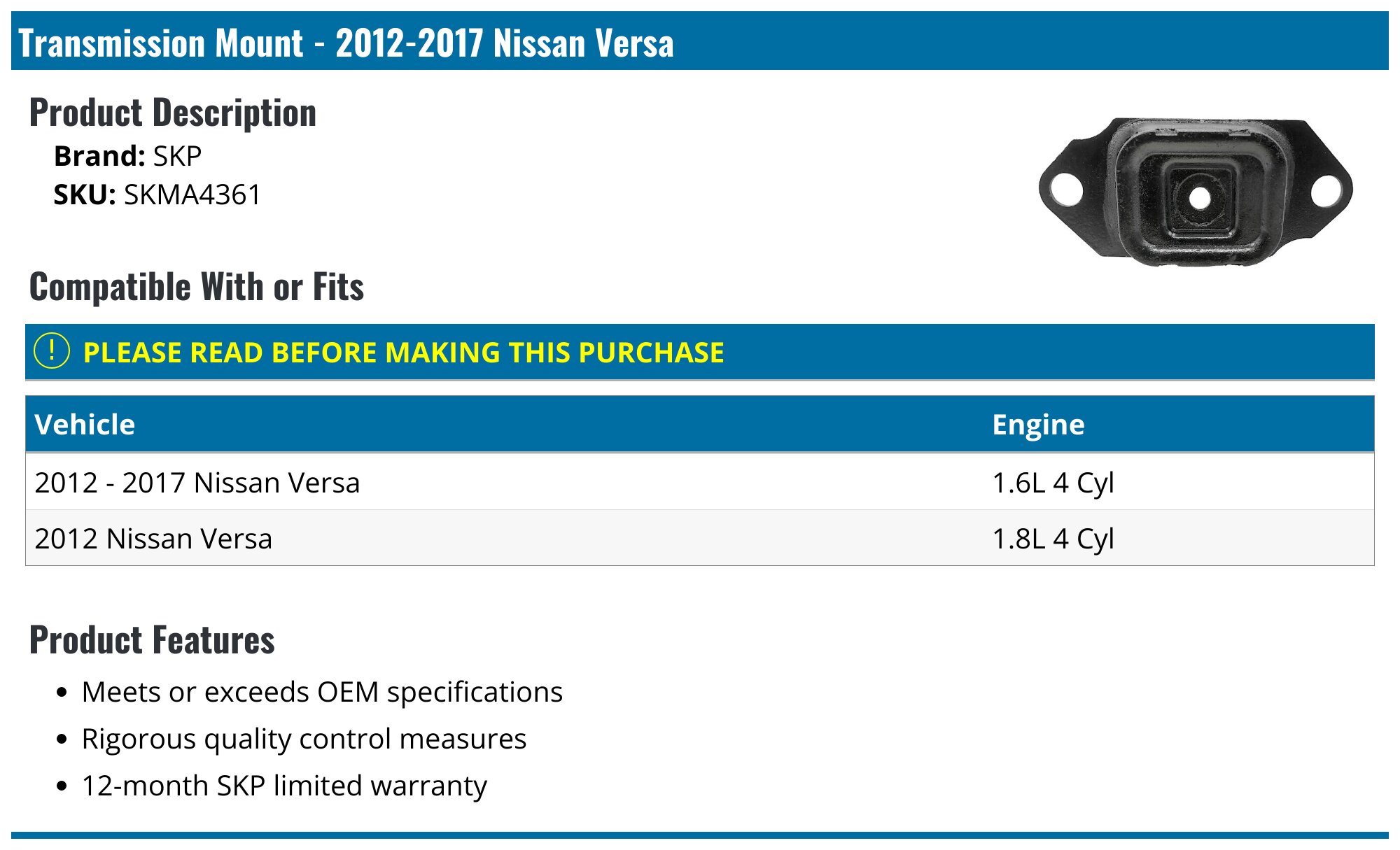
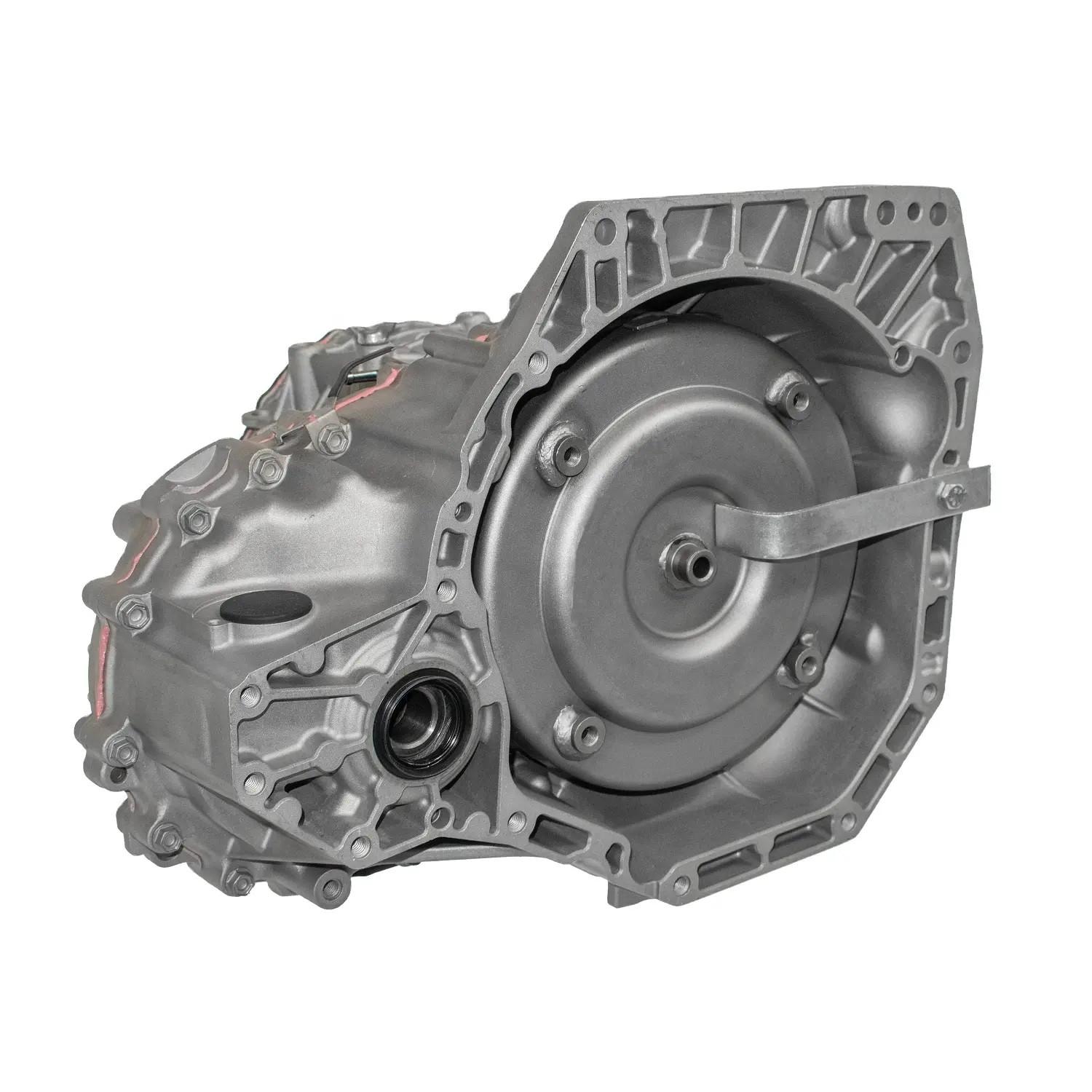
The 2012 Nissan Versa frequently experiences significant transmission failures, primarily centered on its Xtronic Continuously Variable Transmission (CVT). Owners commonly report severe shuddering, hesitating during acceleration, whining noises, and the vehicle entering "limp mode" to prevent total engine failure. Diagnostics often identify internal belt slippage, pulley wear, or hydraulic pressure loss within the valve body.
Understanding the 2012 Nissan Versa Transmission Landscape
To accurately diagnose a 2012 Nissan Versa, one must first identify which transmission is installed. In 2012, Nissan sold two distinct versions of the Versa in the North American market. The Versa Sedan was a completely redesigned model (the N17 generation), while the Versa Hatchback continued on the older B11 platform for one final year.
The redesigned Sedan primarily utilized the Jatco JF015E, also known as the CVT7. This specific unit was designed to be smaller and lighter, featuring a unique sub-planetary gear set to extend its ratio range. However, this complexity introduced several failure points. The Hatchback models were equipped with either a traditional 4-speed automatic or a slightly older iteration of the CVT. While the manual transmissions available in both styles are generally robust, the CVTs—particularly the JF015E in the sedan—have become synonymous with reliability concerns as these vehicles reach the 14-year mark in 2026.
Most Common 2012 Nissan Versa CVT Transmission Problems
The symptoms of a failing Nissan CVT are distinct from those of a traditional step-gear automatic. Because a CVT uses a belt and pulley system rather than fixed gears, failure often manifests as a loss of "clamping force" or smooth transition between ratios.
Sudden Loss of Power and "Limp Mode"
One of the most harrowing experiences for a Versa owner is the sudden loss of acceleration while driving at highway speeds. This is often the result of the transmission entering Failsafe Mode (or Limp Mode). When the Transmission Control Module (TCM) detects excessive heat or internal slippage, it limits the engine's RPM to protect the hardware from catastrophic melting or snapping. In 2026, many older Versas suffer from this due to degraded cooling systems or aged transmission fluid that can no longer dissipate heat effectively.
Juddering, Shuddering, and Hesitation
Often described by drivers as "running over a rumble strip," juddering usually occurs when the vehicle is accelerating from a stop or maintained at low speeds (between 10 and 30 mph). This sensation is typically caused by the steel belt slipping against the pulleys. When the hydraulic pressure is inconsistent—often due to a malfunctioning valve body—the pulleys cannot grip the belt with enough force, leading to a momentary slip-and-grip cycle that shakes the entire chassis.
Whining and Grinding Noises
A high-pitched whining noise that increases in volume with engine RPM is a classic sign of CVT distress. This sound often originates from the internal bearings or the high-pressure oil pump. If the noise transitions into a grinding or "marbles in a blender" sound, it indicates that internal metal components are physically disintegrating. At this stage, the transmission is usually beyond a simple repair and requires a full replacement.
Diagnostic Trouble Codes (DTCs) and Technical Analysis
When a 2012 Nissan Versa exhibits transmission issues, the Check Engine Light (CEL) or the O/D Off light may flash. Professional diagnostics involve connecting a scanner to the OBD-II port to retrieve specific codes stored in the TCM.
| Diagnostic Code | Common Definition | Likely Mechanical Failure |
|---|---|---|
| P0744 | Torque Converter Clutch Circuit Intermittent | Failing torque converter or internal pressure leak. |
| P0746 | Pressure Control Solenoid "A" Performance | Stuck solenoid or debris in the valve body; belt slip. |
| P0846 | Transmission Fluid Pressure Sensor/Switch "B" | Faulty sensor or actual loss of hydraulic integrity. |
| P1777 | Step Motor Circuit Malfunction | Electrical failure in the motor that changes pulley ratios. |
| P1778 | Step Motor Function | Mechanical jam in the step motor or pulley assembly. |
| P0717 | Input/Turbine Speed Sensor Circuit No Signal | Failed speed sensor preventing the TCM from timing shifts. |
A critical step in diagnosing these codes is checking the CVTz50 data or using a high-level scan tool to monitor "fluid deterioration" levels. Nissan’s software tracks how often the transmission exceeds certain temperature thresholds. If this counter is high, it confirms the transmission has been operating under extreme thermal stress, which accelerates the breakdown of the pulleys and belt.
Root Causes: Why the Jatco CVT7 Fails
The 2012 Versa’s transmission issues are not merely a result of poor maintenance; they are rooted in the engineering of the Jatco JF015E. Several factors contribute to its relatively short lifespan:
- Heat Management: The 2012 Versa lacked a robust external transmission cooler in its standard configuration. The transmission relies on a small heat exchanger connected to the radiator. In stop-and-go traffic or hot climates, the fluid temperature quickly exceeds the safe operating range (above 200°F), causing the fluid to thin and lose its lubricating properties.
- Bearings and Debris: Internal bearings in early CVT7 units were prone to premature wear. As these bearings degrade, they release microscopic metal shavings into the fluid. These shavings then clog the intricate passages of the valve body and wear down the polished surfaces of the pulleys.
- The Valve Body: The valve body is the "brain" of the transmission, using hydraulic fluid to move the pulleys. In the 2012 model, the solenoids within the valve body are highly sensitive to contaminants. Once a solenoid sticks, the transmission can no longer maintain the correct pressure, leading to the dreaded belt slip.
Diagnostic Steps for Owners and Mechanics
If you suspect your 2012 Nissan Versa is having transmission trouble, follow this systematic diagnostic path before committing to a costly replacement.
Step 1: Fluid Inspection
Check the transmission fluid level and condition. Unlike older cars, many 2012 Versas have a locked dipstick tube that requires a specific tool or a thin screwdriver to release the clip. The fluid should be a translucent green or light amber. If the fluid is black, smells burnt, or contains visible metallic flakes (glitter), the transmission has suffered internal mechanical damage.
Step 2: Check for Software Updates
Nissan released several Technical Service Bulletins (TSBs) regarding the TCM programming for the 2012 Versa. In some cases, the "shudder" can be mitigated by reflashing the TCM with updated logic that manages hydraulic pressure more effectively. A dealership or a shop with Nissan Consult-III software must perform this.
Step 3: Stall Test and Pressure Test
A mechanic may perform a "stall test" to check the torque converter's health or use a manual pressure gauge to verify that the oil pump is generating sufficient PSI. If the pressure is low at idle, the pump or the valve body is likely at fault.
Repair Options and Estimated Costs in 2026
By 2026, the 2012 Nissan Versa has transitioned into the "budget" used car category. Repair decisions must be weighed against the total value of the vehicle.
- Transmission Fluid Exchange: If the issues are minor (slight hesitation), a fluid exchange using Nissan NS-3 CVT fluid (or a high-quality equivalent) may provide a temporary fix. Cost: $200–$350.
- Valve Body Replacement: If the belt and pulleys are still intact but the solenoids are failing, replacing the valve body can save the transmission. Cost: $900–$1,500.
- Remanufactured Transmission: Installing a remanufactured unit from a company like JASPER or a Nissan-certified exchange unit is the most reliable fix. These units often include upgrades to address the original design flaws. Cost: $3,500–$5,000 including labor.
- Used Transmission: Sourcing a unit from a salvage yard is risky, as many 2012 Versas in yards are there specifically because of transmission failure. Cost: $1,500–$2,500 including labor.
Maintenance Best Practices to Extend Transmission Life
For owners whose transmissions are still functioning well in 2026, aggressive preventative maintenance is the only way to avoid the common failures associated with this model year.
The "lifetime fluid" claim made by many manufacturers during the 2010s has been largely debunked for CVTs. In a 2012 Versa, the fluid should be changed every 30,000 miles. This removes the metallic contaminants and ensures the additives that prevent foaming and heat breakdown are fresh.
Furthermore, driving habits significantly impact CVT longevity. Avoid "jackrabbit" starts from a complete stop, as this puts maximum stress on the belt-to-pulley contact point. Additionally, if you live in a hot climate or frequently drive in heavy traffic, consider installing an aftermarket auxiliary transmission cooler. This simple heat exchanger can drop fluid temperatures by 20–30 degrees, which can be the difference between a transmission that lasts 80,000 miles and one that lasts 150,000 miles.
FAQ
Is there a recall for the 2012 Nissan Versa transmission?
There was no formal safety recall for the 2012 Nissan Versa transmission that mandated replacement for all vehicles. However, Nissan did settle several class-action lawsuits which resulted in a warranty extension (typically to 10 years or 120,000 miles). By 2026, most of these extended warranties have expired based on the age of the vehicle. Owners should check the NHTSA website using their VIN to see if any specific TSBs apply to their unit.
Can I use standard ATF in my 2012 Versa CVT?
No. Using standard Automatic Transmission Fluid (ATF) in a Nissan CVT will cause almost immediate failure. CVTs require specific friction modifiers to allow the belt to "grip" the pulleys while still lubricating the bearings. The 2012 Versa originally used NS-2 fluid, but Nissan has since superseded this with NS-3, which offers better high-temperature stability.
Why does my Versa drive fine when cold but slip when hot?
This is a classic symptom of fluid thinning and internal pressure loss. As the transmission fluid heats up, its viscosity decreases. If the internal seals or the oil pump are worn, they cannot maintain enough hydraulic pressure with the thinner "hot" fluid to keep the pulleys clamped onto the belt. This results in slippage that only appears after 15–20 minutes of driving.
Is it worth replacing the transmission on a 2012 Versa in 2026?
This depends on the overall condition of the car. If the vehicle is rust-free and has a healthy engine, a $4,000 remanufactured transmission may be cheaper than buying a different used car in the current market. However, if the car has high mileage and other mechanical needs, the repair cost often exceeds the car's fair market value.
What are the signs that my CVT is about to fail completely?
The final stages of failure usually involve a persistent "whining" noise, followed by the car being unable to exceed 30–40 mph regardless of how hard you press the gas pedal. If you see the "Check Engine" light blinking under acceleration, the TCM has detected a "Component Slippage" error, and total failure is usually imminent.
Final Recommendation
If you own a 2012 Nissan Versa and are experiencing any of these symptoms, the first action should be a professional diagnostic scan and a fluid condition check. Do not ignore minor shudders or whining noises; in the world of CVTs, early intervention—such as a valve body repair or a fluid flush—can sometimes prevent a total transmission meltdown. However, for those looking to purchase a used 2012 Versa in 2026, it is imperative to verify the transmission service history or budget for a potential replacement, as this model year remains one of the most susceptible to CVT-related complications.