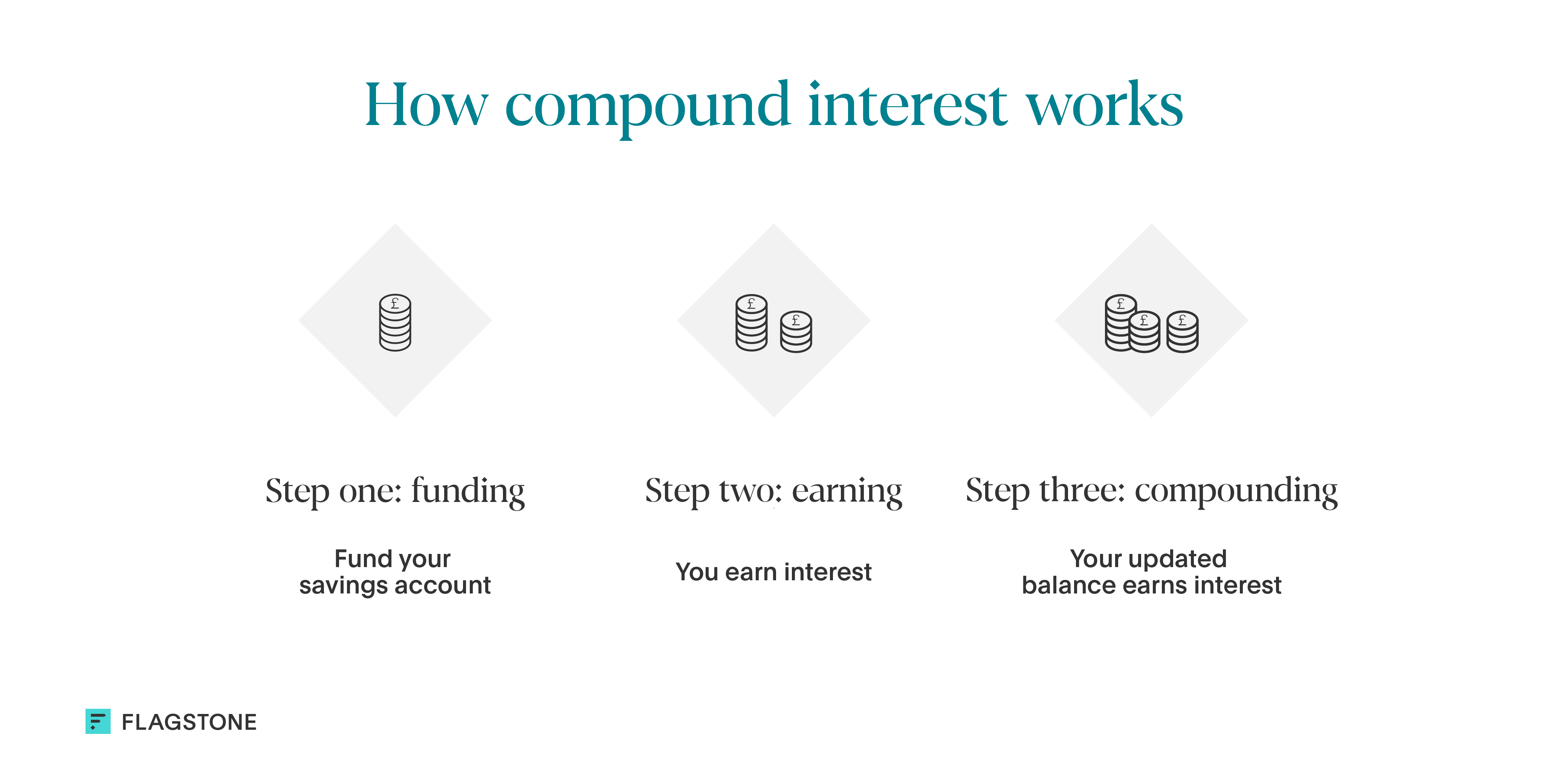
Compound interest accounts are financial vehicles that calculate interest on both the initial principal and the accumulated interest from previous periods. By reinvesting earnings, these accounts allow your wealth to grow exponentially over time rather than linearly, making them essential tools for long-term financial planning and retirement security.
The concept of compounding is often referred to as the "eighth wonder of the world" because of its ability to transform modest, regular contributions into significant sums. In the financial landscape of 2026, savers and investors have access to a diverse array of instruments that leverage this mathematical powerhouse. Whether you are looking for the absolute safety of government-backed bonds or the higher growth potential of tax-advantaged investment tiers, understanding where to park your capital is the first step toward financial independence.
The Mechanics of Compounding in 2026
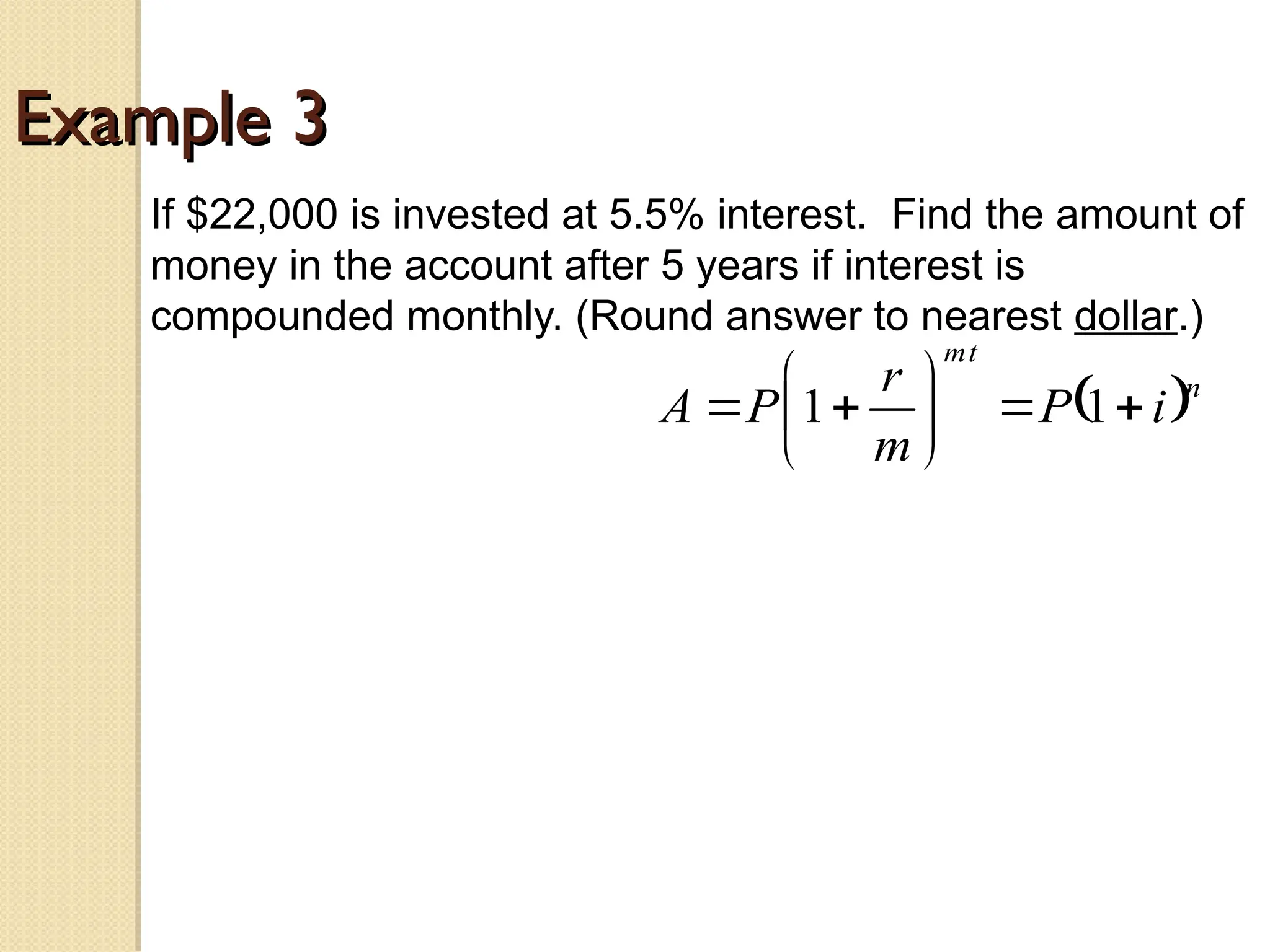
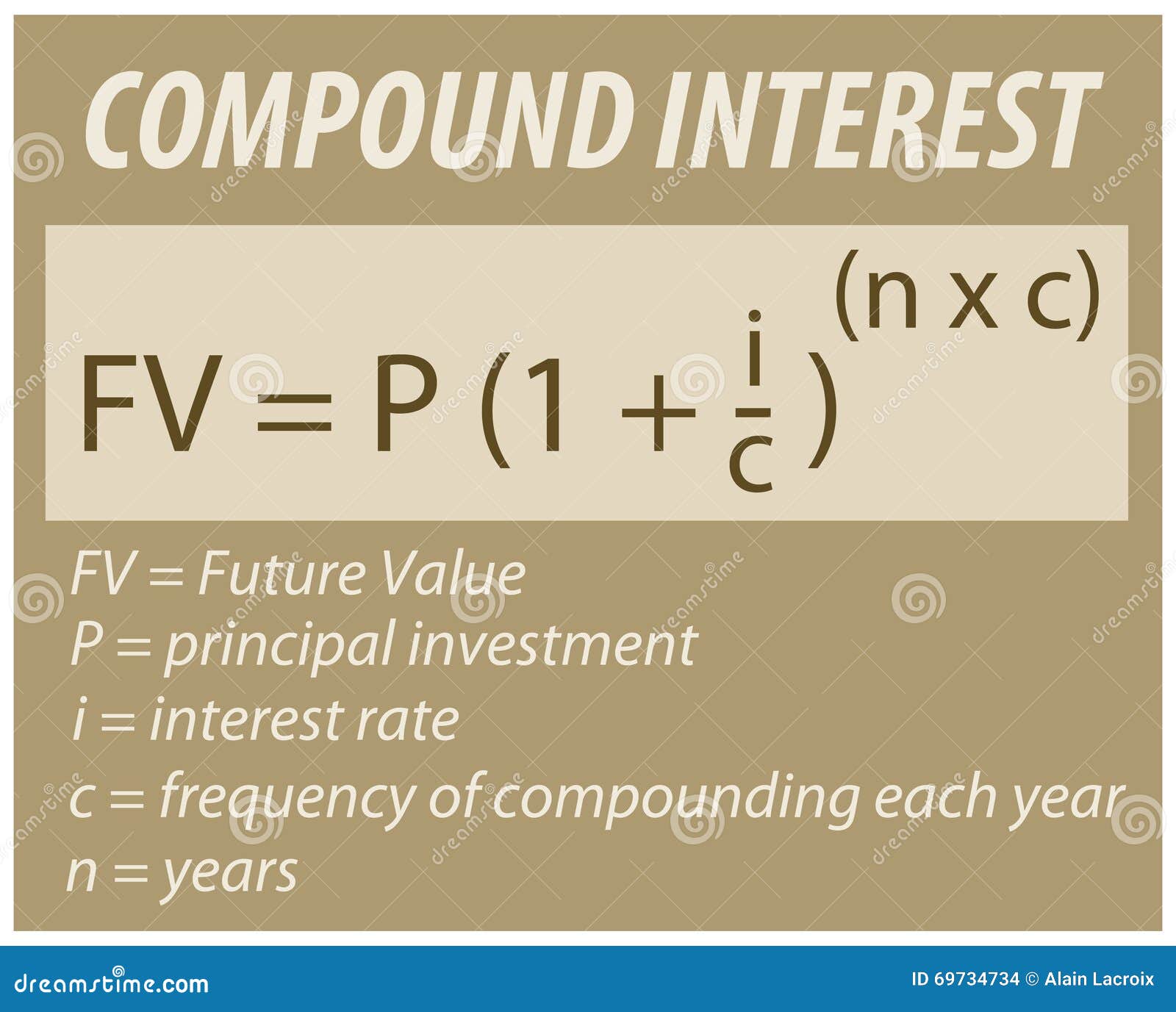
Before exploring the specific accounts, it is vital to understand the variables that dictate how quickly your money grows. The standard formula for compound interest is A = P(1 + r/n)^nt, where:
- A is the final amount.
- P is the principal balance.
- r is the annual interest rate (decimal).
- n is the number of times interest is compounded per year.
- t is the number of years the money is invested.
In 2026, the frequency of compounding (n) has become a major competitive point for financial institutions. While traditional banks might compound monthly, many fintech platforms and high-yield online accounts now offer daily compounding. While the difference may seem negligible on small balances, over decades and larger sums, daily compounding significantly outperforms annual or semi-annual schedules.
1. High-Yield Savings Accounts (HYSA)
High-yield savings accounts remain the foundational compound interest tool for most households. Unlike traditional savings accounts at "big box" retail banks—which often offer nominal interest rates—HYSAs are typically offered by online-only banks that have lower overhead costs.
In 2026, these accounts are highly liquid, meaning you can withdraw your funds at any time (subject to federal withdrawal limits if applicable). The interest is generally compounded daily and credited to the account monthly. Because these accounts are typically insured by the Federal Deposit Insurance Corporation (FDIC) or the National Credit Union Administration (NCUA) for up to $250,000 per depositor, they represent one of the safest ways to earn compound interest.
2. Certificates of Deposit (CDs)
A Certificate of Deposit (CD) is a time-deposit account. You agree to leave your money in the account for a set period—ranging from three months to ten years—in exchange for a fixed interest rate that is usually higher than a standard savings account.
The compounding power of a CD is most effective when the interest is "rolled over" or when using a CD Ladder strategy. In a ladder, you divide your investment into multiple CDs with different maturity dates. As each CD matures, you reinvest the principal and the compounded interest into a new long-term CD. This provides both liquidity and the benefit of potentially rising interest rates. In the current 2026 economic environment, "no-penalty" CDs have also gained popularity, allowing for compounding benefits without the risk of high early-withdrawal fees.
3. Money Market Accounts (MMA)
Money Market Accounts are hybrid vehicles that combine the features of savings and checking accounts. They typically offer interest rates comparable to HYSAs but include limited check-writing privileges and debit card access.
For compounding purposes, MMAs are excellent for emergency funds. The interest is calculated on the daily balance and compounded monthly. To maximize the yield in these accounts, many institutions require a higher minimum balance (e.g., $5,000 to $10,000). If the balance drops below this threshold, the interest rate may plummet, neutralizing the effects of compounding.
4. Traditional and Roth IRAs
Individual Retirement Accounts (IRAs) are not "accounts" in the sense of a bank deposit but rather "umbrellas" that hold investments like stocks, bonds, and mutual funds. The compounding power here is supercharged by tax advantages.
- Traditional IRA: Contributions may be tax-deductible, and the investments grow tax-deferred. You only pay taxes when you withdraw the money in retirement.
- Roth IRA: Contributions are made with after-tax dollars, but the growth and qualified withdrawals are entirely tax-free.
In 2026, the primary advantage of the Roth IRA is that your compounded earnings are never taxed again. If you invest $6,000 a year and it grows to $1,000,000 through compounding, that entire million is yours to keep in retirement. This makes the Roth IRA perhaps the most potent compound interest vehicle for young investors.
5. 401(k) and 403(b) Plans
Employer-sponsored retirement plans like the 401(k) (for-profit) or 403(b) (non-profit) allow for the highest annual contribution limits of any consumer compound interest account. These plans leverage "automated compounding." Because contributions are taken directly from your paycheck, the principal grows consistently, which is the fuel for compound interest.
Furthermore, many employers offer a company match. For example, if an employer matches 50% of your contributions up to 6% of your salary, you are essentially receiving an immediate 50% return on your investment before the compounding even begins. In 2026, maximizing the employer match is considered the single most effective "risk-free" move in personal finance.
6. Brokerage Accounts with Dividend Reinvestment (DRIP)
A standard taxable brokerage account allows you to buy stocks and Exchange-Traded Funds (ETFs). To turn a brokerage account into a compound interest machine, you must utilize a Dividend Reinvestment Plan (DRIP).
When a company or fund pays a dividend, a DRIP automatically uses that cash to buy more shares of the same stock, even fractional shares. Over time, you own more shares, which pay more dividends, which buy even more shares. This is "equity compounding," and historically, it has been responsible for a massive portion of the total returns in the S&P 500.
7. Series I Savings Bonds (I-Bonds)
Series I Savings Bonds are low-risk holdings issued by the U.S. Treasury. They are designed to protect the purchasing power of your money by offering a composite rate: a fixed rate of return plus a semi-annual inflation adjustment.
Interest on I-Bonds is compounded semiannually and added to the principal value of the bond. While the funds are locked for at least one year (and involve a three-month interest penalty if cashed before five years), they are an excellent hedge against inflation. For 2026 investors, I-Bonds remain a staple for the "cash" portion of a diversified portfolio, especially during periods of price instability. Information on current rates can be found directly at TreasuryDirect.
8. Treasury Inflation-Protected Securities (TIPS)
TIPS are another form of government bond, but unlike I-Bonds, the principal itself increases with inflation (as measured by the Consumer Price Index). While the interest rate is fixed, it is applied to the adjusted principal.
This creates a unique compounding effect where both the base amount and the interest payments grow in tandem with the cost of living. TIPS can be purchased directly from the government or through a brokerage in the form of a TIPS ETF or mutual fund. They are particularly useful for retirees who need to ensure their compounded wealth doesn't lose value to rising prices.
9. Health Savings Accounts (HSA)
Often overlooked as an investment vehicle, the HSA is arguably the most tax-efficient compound interest account in existence. To qualify, you must be enrolled in a High Deductible Health Plan (HDHP).
HSAs offer a "triple tax advantage":
- Contributions are tax-deductible (lowering your taxable income).
- Growth and interest compound tax-free.
- Withdrawals for qualified medical expenses are tax-free.
In 2026, many HSA providers allow users to invest their balance in the stock market once it exceeds a certain threshold (usually $1,000). By paying for current medical expenses out-of-pocket and letting the HSA compound for decades, it effectively functions as a second retirement account.
10. Cash Value Life Insurance
Certain permanent life insurance policies, such as Whole Life or Universal Life, include a "cash value" component. A portion of your premium payments is diverted into an account that earns interest or is tied to a market index.
The interest in these policies compounds on a tax-deferred basis. While these products are more complex than a standard savings account and often come with higher fees and commissions, they provide a guaranteed death benefit alongside a growing pool of accessible capital. For high-net-worth individuals in 2026, these accounts are often used as a tool for estate planning and supplemental tax-advantaged growth.
11. Fixed Annuities
An annuity is a contract between you and an insurance company. With a fixed annuity, you contribute a lump sum or a series of payments, and the insurer guarantees a specific rate of interest for a set period.
During the "accumulation phase," the interest compounds tax-deferred. Once you reach the "annuitization phase," the account is converted into a stream of regular payments, often guaranteed for the rest of your life. In 2026, fixed annuities are popular among those nearing retirement who want to lock in a compounding rate without the volatility of the stock market.
12. Peer-to-Peer (P2P) Lending Accounts
P2P lending platforms allow individuals to act as the "bank" by lending money directly to borrowers or small businesses. As the borrowers pay back the loans with interest, those payments are returned to your account.
To achieve compounding in P2P lending, you must use "auto-invest" features that immediately take your received interest and principal payments and reinvest them into new fractional loans. While this carries higher risk than FDIC-insured accounts—as borrowers can default—the potential interest rates in 2026 can be significantly higher than traditional fixed-income products.
Comparison of Compound Interest Accounts (2026)
| Account Type | Risk Level | Liquidity | Tax Status | Primary Benefit |
|---|---|---|---|---|
| HYSA | Very Low | High | Taxable | Safety & Accessibility |
| CDs | Very Low | Low/Med | Taxable | Guaranteed Fixed Rate |
| IRA (Roth) | Variable | Medium | Tax-Free | Long-term Tax Savings |
| 401(k) | Variable | Low | Tax-Deferred | Employer Matching |
| DRIP Brokerage | High | High | Taxable | Maximum Growth Potential |
| I-Bonds | Very Low | Low | Tax-Deferred | Inflation Protection |
| HSA | Variable | Medium | Triple Tax-Advantaged | Medical Wealth Building |
| Annuities | Low/Med | Low | Tax-Deferred | Guaranteed Income |
Strategic Implementation: How to Choose
Selecting the right account depends on your "Time Horizon" and "Risk Tolerance."
If you need the money within the next 1-3 years (e.g., for a house down payment), HYSAs or Short-term CDs are the logical choices. The goal here is capital preservation with a modest compounding boost. However, for goals that are 10-30 years away, the volatility of the stock market (via IRAs or 401(k)s) is offset by the significantly higher average rates of return.
One of the most common mistakes in 2026 is leaving too much cash in a "standard" checking account. These accounts rarely offer compounding interest, meaning inflation is actively eroding your purchasing power every day. Even a small shift of your "excess" cash into a high-yield vehicle can result in thousands of dollars of difference over a decade.
Frequently Asked Questions
How often should my interest be compounded for maximum growth?
Ideally, you want interest to be compounded as frequently as possible. Daily compounding is superior to monthly, and monthly is superior to quarterly or annual. For example, $10,000 at a 5% interest rate compounded annually results in $10,500 after one year. The same amount compounded daily results in $10,512.67. While the difference seems small initially, the gap widens significantly over 20 or 30 years.
Are compound interest accounts taxable?
It depends on the account "wrapper." Interest earned in a standard savings account, CD, or taxable brokerage account is generally considered taxable income in the year it is credited to your account. However, retirement accounts like 401(k)s and IRAs provide tax deferral or tax-free growth, allowing the "tax drag" to be eliminated, which further accelerates the compounding effect.
Is there a risk of losing money in these accounts?
Accounts like HYSAs, MMAs, and CDs are FDIC-insured, meaning the principal is protected up to $250,000. However, "invested" compound interest accounts, such as 401(k)s or brokerage accounts, are subject to market fluctuations. While they offer higher compounding potential, the principal balance can decrease if the underlying assets (stocks/bonds) lose value.
Can I open multiple compound interest accounts?
Yes, and most financial advisors recommend a "bucket" approach. You might have an HYSA for your emergency fund, a 401(k) for retirement, and an HSA for medical costs. This diversification ensures that you are maximizing compounding across different tax treatments and liquidity levels.
What is the "Rule of 72"?
The Rule of 72 is a quick mental shortcut to determine how long it will take for your money to double through compound interest. You divide 72 by your annual interest rate. For example, at a 6% return, your money will double roughly every 12 years (72 / 6 = 12).
Final Recommendation
To maximize your wealth in 2026, do not rely on a single account. The most effective strategy is to automate your compounding. Set up an automatic transfer to a High-Yield Savings Account for your short-term needs, and ensure your 401(k) or IRA is set to "Auto-Reinvest" all dividends. By removing the manual effort, you ensure that compounding works for you 24/7, regardless of market headlines or economic shifts. Start as early as possible; in the world of compound interest, time is a much more powerful multiplier than the amount of money you start with.