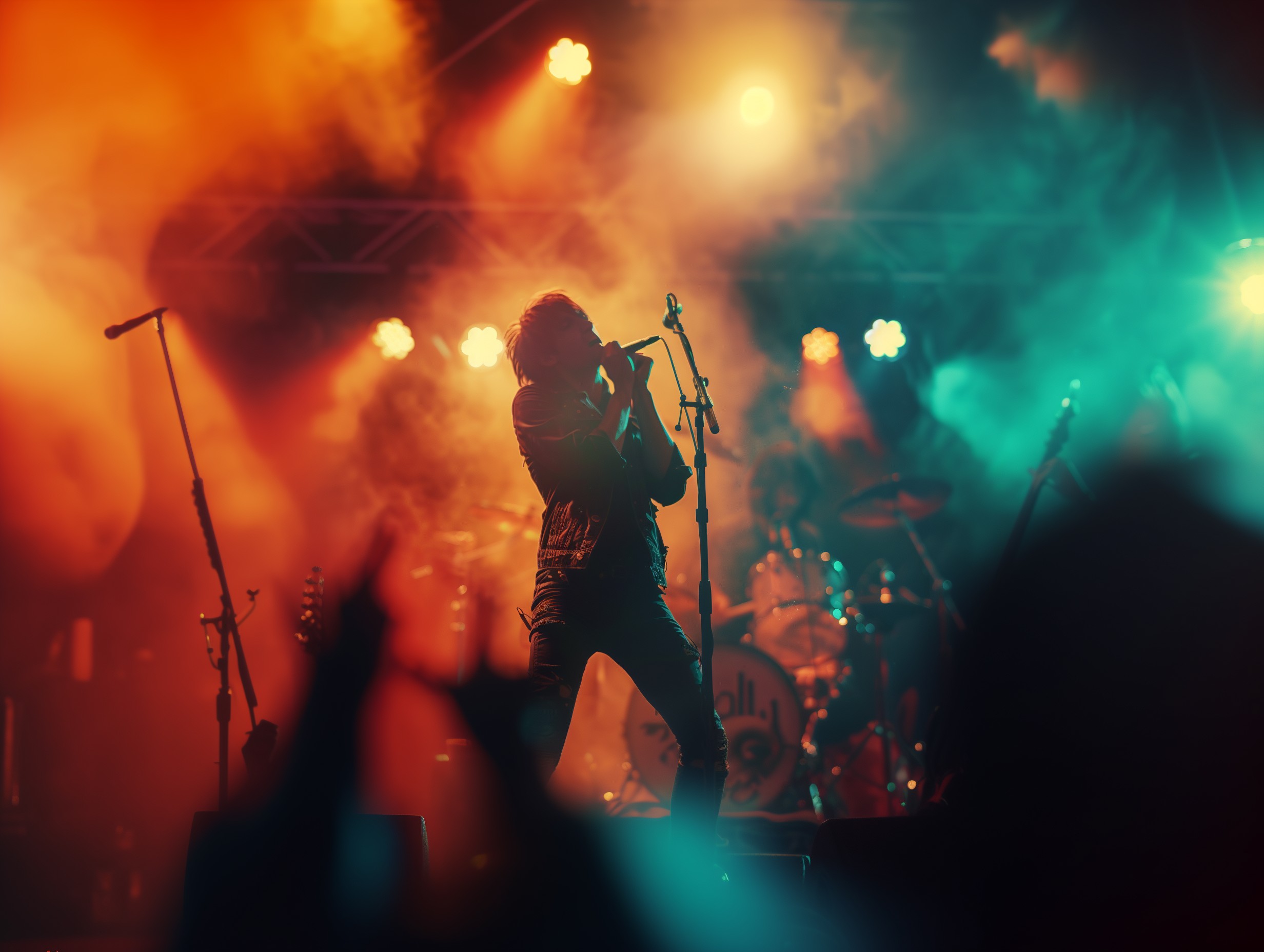
The early 2000s marked a pivotal transformation for rock music as post-grunge, nu-metal, garage rock revival, and alternative pop-punk collided to redefine mainstream and underground scenes. Ten influential bands from this era—The Strokes, The White Stripes, Linkin Park, The Killers, Arctic Monkeys, Interpol, My Chemical Romance, Evanescence, Audioslave, and Franz Ferdinand—forged distinct sonic templates that continue to dictate the vocabulary, aesthetics, and structural blueprints of modern rock music today.
Introduction to the 2000s Rock Renaissance
The dawn of the millennium found rock music at a cultural crossroads. The dominant heavy guitar sounds of the late 1990s were fragmenting, opening the door for an eclectic wave of innovation. Record labels, shifting media consumption habits, and the early rise of peer-to-peer file sharing created a landscape where scenes could incubate rapidly in urban centers like New York City, Detroit, and London before spreading globally.
During this period, rock absorbed electronic textures, dance-club rhythms, theatrical lyricism, and raw lo-fi aesthetics. The bands that emerged did not merely capture the cultural anxieties and youthful energy of the post-9/11 decade; they built architectural frameworks that modern guitar-driven music still relies upon. Understanding how these ten bands shaped modern rock requires examining their sonic innovations, their structural impact on the industry, and their enduring legacies in contemporary music production and songwriting.
1. The Strokes: Spearheading the Garage Rock Revival
In 2001, New York City quintet The Strokes released their debut album, Is This It, effectively launching a global garage rock revival. Wearing thrift-store leather jackets and slim-cut suits, the band stripped away the bloated production of late-90s arena rock in favor of tightly wound, hook-laden indie rock infused with 1970s punk and new wave influences.
- Sonic Blueprint: Frontman Julian Casablancas famously sang through a distorted vocal chain (often a small guitar amplifier or a low-end microphone), creating an urgent, telephone-like intimacy. Guitarists Albert Hammond Jr. and Nick Valensi locked their instruments into interlocking, counter-melody patterns rather than traditional rhythm-and-lead structures.
- Modern Impact: The band proved that raw, unpolished indie rock could achieve commercial viability and critical adoration simultaneously. Countless bands throughout the 2000s and 2010s—from Arctic Monkeys to The Vaccines—adopted their rhythmic cadence, visual aesthetic, and economic guitar arrangements.
2. The White Stripes: Maximizing Minimalist Blues and Punk
Detroit duo Jack and Meg White demonstrated that immense sonic power could be generated with minimal personnel. Fusing Delta blues, garage punk, and traditional folk, The White Stripes became standard-bearers for stripped-down rock during an era of heavy studio layering.
- Sonic Blueprint: Jack White utilized heavily distorted semi-hollowbody guitars routed through octave-shifting pedals, compensating for the lack of a bass player by creating a massive, wall-of-sound frequency spectrum. Meg White provided an anchor with primal, hypnotic, and metronomic drumming.
- Modern Impact: Their theatrical red-and-white visual motif and uncompromising insistence on analog recording techniques set a precedent for independent rock duos. Their anthem "Seven Nation Army" (2003) transcended its genre to become an ubiquitous global sports stadium chant, proving the enduring power of a simple, heavy melodic riff.
3. Linkin Park: Bridging Nu-Metal, Electronic Soundscapes, and Alternative Rock
Linkin Park’s 2000 debut album, Hybrid Theory, became a cultural phenomenon by masterfully blending heavy alternative metal guitars, hip-hop vocal cadences, and electronic sampling. Their music captured the alienation, mental health struggles, and technological anxiety of turn-of-the-millennium youth.
- Sonic Blueprint: The interplay between Chester Bennington’s soaring, emotionally raw tenor and Mike Shinoda’s rhythmic rapping created a dynamic vocal blueprint. Heavy down-tuned guitar riffs coexisted seamlessly with scratching, synthesizer pads, and programmed drum beats.
- Modern Impact: By dissolving genre boundaries long before streaming algorithms made genre-blending standard practice, Linkin Park laid the foundation for modern alternative music. Contemporary artists across hyperpop, emo-rap, and modern rock cite their sonic architecture as a primary inspiration.
4. The Killers: Synthesizing Arena Synth-Rock and New Wave
Hailing from Las Vegas, The Killers injected theatricality, synth-pop melody, and European new wave aesthetics into American rock music with their 2004 debut album, Hot Fuss. They demonstrated that synthesizers could share equal space with distorted electric guitars in mainstream rock arrangements.
- Sonic Blueprint: Brandon Flowers anchored tracks with driving synth-basslines and soaring vocal melodies reminiscent of British post-punk bands like New Order and The Smiths. Dave Keuning’s shimmering, delay-drenched guitar lines filled the high-end frequency spectrum to create a vast, cinematic atmosphere.
- Modern Impact: The band accelerated the integration of electronic dance music (EDM) elements into rock, a trend that dominated festival lineups throughout the late 2000s and 2010s. Anthems like "Mr. Brightside" established a blueprint for emotionally charged, high-tempo modern rock designed for massive festival stages.
5. Arctic Monkeys: Documenting Youth Culture Through Post-Punk Sharpness
Bursting onto the scene via early internet file-sharing platforms in the mid-2000s, Sheffield’s Arctic Monkeys redefined British rock with witty, observational lyricism and blistering post-punk velocity. Their 2006 debut, Whatever People Say I Am, That's What I'm Not, became the fastest-selling debut album in British chart history at the time.
- Sonic Blueprint: Alex Turner delivered rapid-fire, narrative-driven lyrics detailing the mundanity and nocturnal habits of working-class British youth. Musically, the band combined danceable, syncopated drum beats with sharp, interlocking guitar hooks and driving basslines.
- Modern Impact: They pioneered the modern paradigm of utilizing digital platforms (originally MySpace) to bypass traditional record-label gatekeepers. Their evolution from scrappy garage-punk pioneers to sophisticated lounge-rock auteurs proved that modern rock bands could continuously reinvent their core sound without alienating their audience.
6. Interpol: Mastering Atmospheric Post-Punk Revival
Simultaneously emerging from the New York underground, Interpol channeled the melancholic, shadowy grandeur of 1980s post-punk acts like Joy Division and The Chameleons. Their 2002 debut, Turn On the Bright Lights, offered a moodier, nocturnal counterweight to the upbeat garage rock of their contemporaries.
- Sonic Blueprint: Daniel Kessler’s chiming, interlocking guitar patterns utilized heavy chorus and delay effects, while Carlos D’s melodic, upfront basslines often served as the primary harmonic anchor of the songs. Paul Banks delivered baritone vocals wrapped in cryptic, existential imagery.
- Modern Impact: Interpol defined the dark, atmospheric indie-rock subgenre that heavily influenced 2010s post-punk revival movements. Their emphasis on textured guitar interplay rather than traditional power chords demonstrated the depth achievable within alternative rock.
7. My Chemical Romance: Elevating Emo and Operatic Alternative Rock
My Chemical Romance transformed emo from an underground subculture into a global mainstream phenomenon. With landmark releases like Three Cheers for Sweet Revenge (2004) and the rock-opera masterwork The Black Parade (2006), the band fused aggressive post-hardcore punk with classic rock guitar solos and theatrical grandeur.
- Sonic Blueprint: Twin guitar harmonies executed by Ray Toro and Frank Iero drew heavily from 1970s arena rock and heavy metal, while Gerard Way’s emotive, dramatic vocal delivery channeled theatrical punk energy. Orchestral arrangements and piano interludes expanded the traditional four-piece rock lineup.
- Modern Impact: The band validated emotional vulnerability, high artifice, and conceptual storytelling in rock music. Their influence resonates across modern alternative, pop-punk, and modern goth subgenres, proving that rock could embrace high theatricality without losing its aggressive edge.
8. Evanescence: Merging Gothic Metal with Symphonic Rock
Led by powerhouse vocalist Amy Lee, Evanescence fused heavy alternative metal guitars with lush classical orchestration and gothic atmospheres. Their 2003 debut album, Fallen, sold over 17 million copies worldwide, bringing heavy, cinematic rock directly into mainstream consciousness.
- Sonic Blueprint: Heavy, drop-tuned guitar riffs contrasted with sweeping string arrangements, grand piano melodies, and ethereal choir vocals. Amy Lee’s operatic vocal range provided both vulnerability and commanding power.
- Modern Impact: The band shattered glass ceilings for female-fronted heavy rock bands in mainstream commercial radio. Their integration of symphonic elements into heavy guitar music created a lasting template for modern symphonic metal and atmospheric alternative rock.
9. Audioslave: Fusing Hard Rock Powerhouses into Alternative Metal Royalty
Formed in 2001 through the union of Soundgarden frontman Chris Cornell and the instrumental core of Rage Against the Machine (Tom Morello, Tim Commerford, and Brad Wilk), Audioslave represented the pinnacle of early-2000s hard rock supergroups.
- Sonic Blueprint: Tom Morello revolutionized guitar sound design by treating his instrument like a turntable or synthesizer, utilizing unconventional pedals, toggle switches, and physical manipulation to create futuristic sci-fi sound effects. Chris Cornell provided a multi-octave blues-infused vocal roar that commanded stadium-sized arrangements.
- Modern Impact: Audioslave kept traditional heavy guitar-driven rock relevant during an era dominated by electronic pop and indie trends. They demonstrated how classic hard rock songwriting could be updated with modern alternative metal textures and political-groove rhythmic foundations.
10. Franz Ferdinand: Marrying Danceable Grooves with Art-Rock
Glasgow quartet Franz Ferdinand arrived in 2004 with a mission statement that would echo throughout the decade: "We make music to girls can dance to." Their self-titled debut combined the angular art-rock sensibilities of Talking Heads and Gang of Four with undeniable disco grooves.
- Sonic Blueprint: Nick McCarthy and Alex Kapranos locked their guitars into jagged, interlocking rhythms that emphasized syncopation over sustained distortion. Upfront, melodic basslines and tight, punchy drumming drove the rhythm section forward.
- Modern Impact: They successfully dismantled the boundary between the indie-rock club and the dancefloor. Their influence is clearly audible in the dance-punk and indie-pop crossover tracks that continue to dominate alternative radio formats today.
Comparative Overview of Early 2000s Rock Pioneers
| Band Name | Defining Debut / Breakthrough Album | Primary Genre / Movement | Key Sonic Characteristic | Modern Legacy |
|---|---|---|---|---|
| The Strokes | Is This It (2001) | Garage Rock Revival | Lo-fi vocals, interlocking guitars | Blueprint for modern indie rock |
| The White Stripes | Elephant (2003) | Minimalist Blues-Punk | Octave pedals, stripped-down drums | Stadium anthems, analog purity |
| Linkin Park | Hybrid Theory (2000) | Nu-Metal / Alt-Rock | Rap-metal fusion, electronic samples | Genre-blending modern alternative |
| The Killers | Hot Fuss (2004) | Synth-Rock / New Wave | Synthesizer hooks, cinematic scale | Arena pop-rock crossover standard |
| Arctic Monkeys | Whatever People Say I Am... (2006) | Post-Punk Revival | Fast tempos, observational lyricism | DIY digital era template |
| Interpol | Turn On the Bright Lights (2002) | Atmospheric Post-Punk | Chorus-drenched guitars, baritone vocals | Dark indie and post-punk foundation |
| My Chemical Romance | The Black Parade (2006) | Emo / Operatic Rock | Theatricality, twin guitar harmonies | Emotional vulnerability and concept albums |
| Evanescence | Fallen (2003) | Symphonic / Gothic Metal | Orchestral strings, operatic vocals | Female-fronted heavy rock commercial peak |
| Audioslave | Audioslave (2001) | Alternative Hard Rock | Experimental guitar effects, blues vocals | Modern hard rock groove standard |
| Franz Ferdinand | Franz Ferdinand (2004) | Art-Rock / Dance-Punk | Angular rhythms, disco beats | Dance-floor indie crossover |
Frequently Asked Questions
What musical movements dominated the early 2000s rock scene?
The early 2000s rock landscape was primarily defined by four concurrent movements: the garage rock revival (led by The Strokes and The White Stripes), nu-metal and rap-rock (championed by Linkin Park), post-punk revival and dance-rock (driven by Franz Ferdinand and Interpol), and the mainstream explosion of emo and pop-punk (anchored by My Chemical Romance).
How did the early 2000s rock scene change guitar playing styles?
Guitar playing in this era diverged sharply from the flamboyant, multi-minute guitar solos of the 1980s hair-metal era. Instead, guitarists focused on rhythmic interlocking parts (such as the twin-guitar attacks of The Strokes), ambient textures utilizing delay and chorus pedals (Interpol), or unconventional electronic sound manipulation (Tom Morello of Audioslave).
Why are early 2000s rock bands considered influential today?
These bands bridged the gap between traditional analog rock instrumentation and modern digital production techniques. Their approach to genre-blending—combining rock with hip-hop, electronic synthesizers, and dance beats—created the foundational template for how modern alternative and indie artists compose and arrange music today.
How did digital distribution affect the 2000s rock revival?
The early 2000s coincided with the birth of MP3 file sharing and platforms like MySpace and early indie blogs. Bands like Arctic Monkeys and The Strokes leveraged these digital tools to build massive international fanbases before traditional radio or major record label marketing campaigns fully engaged with them.
What role did producers play in shaping the sound of 2000s rock?
Producers like Rick Rubin (Audioslave), Nigel Godrich, and David Kahne helped distill raw garage and live-band energies into punchy, high-impact recordings. They balanced the demand for modern radio loudness with the stylistic requirement for organic, authentic instrument tones.
Final Recommendation and Next Actions
To truly appreciate how these ten bands shaped modern rock, listen to their foundational debut albums back-to-back, paying close attention to how rhythm sections and guitar arrangements interact. For modern musicians and fans looking to study songwriting craft, analyze the structural economy of songs like The Strokes' "Last Nite" or The Killers' "Mr. Brightside" to understand how concise hooks and dynamic tension drive contemporary rock composition.