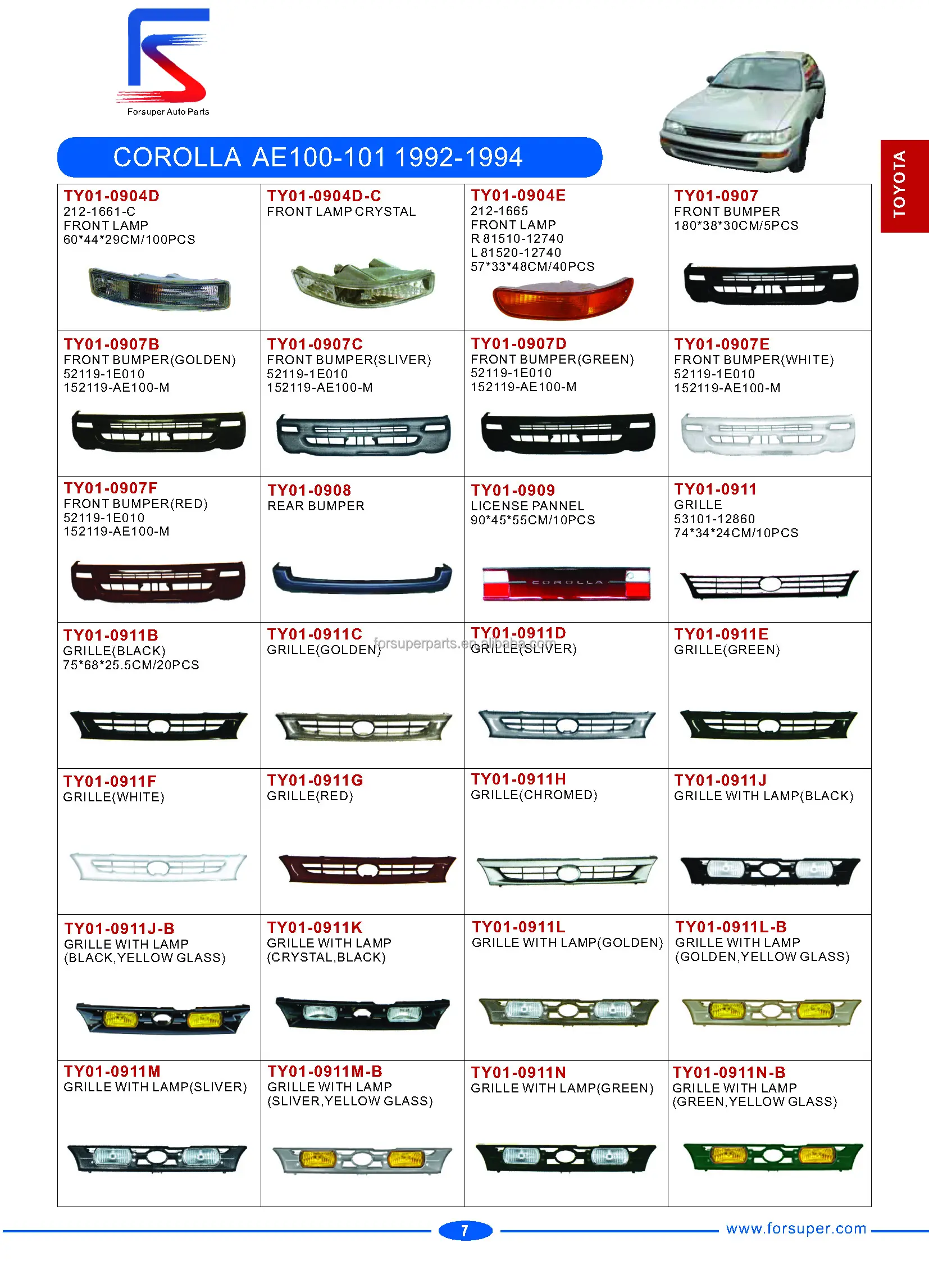
Understanding the Toyota 101 parts landscape is essential for vehicle owners seeking to maintain performance, safety, and longevity. This overview provides a comprehensive look at how Toyota categorizes its components, the critical distinction between Original Equipment Manufacturer (OEM) parts and aftermarket alternatives, and the practical steps for verifying part compatibility using Vehicle Identification Numbers (VINs) to ensure long-term mechanical reliability.
The Ecosystem of Toyota Parts
Toyota maintains one of the most sophisticated supply chains in the automotive industry. When discussing "101" level parts, the focus lies on the fundamental components—those recurring maintenance items and mechanical necessities that every owner will inevitably encounter throughout the life of their vehicle. Whether you are driving a legacy model from the early 2000s or a 2026 hybrid, the foundational philosophy remains consistent: Toyota Genuine Parts are engineered to the exact specifications of the original build.
Unlike "one-size-fits-all" aftermarket solutions, Genuine Toyota parts are subject to stringent quality control tests. These parts are designed to interact seamlessly with other vehicle systems, such as the engine control module, braking architecture, and suspension geometry. Utilizing these parts is not merely about brand loyalty; it is about maintaining the tolerances and material specifications established during the initial engineering phase of your specific vehicle.
Deciphering OEM vs. Aftermarket Components
The market for automotive components is divided into two primary categories: Original Equipment Manufacturer (OEM) and Aftermarket. Navigating this choice is the first step in any maintenance strategy.
- Toyota Genuine Parts (OEM): These are the exact components installed on the vehicle during production or those produced by authorized manufacturers to Toyota’s precise technical drawings. They are often branded as "Toyota," "Lexus," or "Denso/Aisin" (key Tier 1 suppliers for the brand).
- Aftermarket Parts: These are third-party components designed to fit a wide range of vehicles. While some aftermarket parts meet or exceed OEM standards, others prioritize lower production costs, which can result in variations in metallurgy, rubber composition, or electronic resistance.
For "101" level maintenance—such as brake pads, oil filters, and spark plugs—the variance in aftermarket quality can lead to unexpected issues. For instance, an oil filter with improper relief valve pressure may lead to oil starvation during cold starts, while brake pads with the wrong friction coefficient can cause premature wear on rotors or altered pedal feel.
The Role of the VIN in Parts Verification
The most critical error an owner can make is purchasing parts based solely on a vehicle model name or production year. Toyota frequently updates parts within a single model year due to mid-cycle refreshes or supply chain optimizations.
The Vehicle Identification Number (VIN) is your primary tool for eliminating ambiguity. A 17-character VIN serves as a unique fingerprint for your vehicle. When searching for parts through official Toyota portals, the system uses the VIN to filter out incompatible components. This is especially vital for electrical sensors, cooling components, and drivetrain parts where slight variations in engine calibration can render a generic part ineffective or even harmful to the vehicle's computer systems.
Essential Maintenance Categories
When evaluating the standard parts needed for basic vehicle upkeep, they generally fall into the following technical buckets:
- Filtration Systems: Oil, air, and cabin air filters. Genuine oil filters feature specific bypass valve ratings designed to match the oil pump pressure of your specific engine block.
- Ignition Components: Spark plugs and ignition coils. Toyota engines are often highly sensitive to the electrical resistance of ignition components; mismatched parts can trigger "check engine" lights or cause intermittent misfires.
- Braking Hardware: Rotors, pads, and shims. Genuine Toyota pads are designed for specific "bedding in" periods and thermal dissipation rates.
- Fluid Requirements: From "World Standard" (WS) transmission fluid to long-life engine coolant, Toyota-specific fluids contain specialized additive packages tailored to protect the internal seals and gaskets used in their transmissions and radiators.
Comparative Analysis of Part Selection Criteria
| Factor | Genuine Toyota (OEM) | High-Quality Aftermarket | Low-End Aftermarket |
|---|---|---|---|
| Compatibility | Guaranteed by VIN | Requires manual check | Often poor/Generic |
| Material Quality | Factory Standard | Variable | Often substandard |
| Warranty Support | Supported by Dealer | Varies by manufacturer | Generally none |
| System Interaction | Optimized for system | Generally functional | Risk of error codes |
| Cost | Premium | Moderate | Low |
Identifying Counterfeit Parts
A growing concern in the automotive industry is the prevalence of counterfeit parts packaged to look like genuine items. When purchasing online, be wary of sellers offering "OEM" parts at prices significantly below the standard market rate. Genuine Toyota parts are distributed through authorized dealer networks. If a price seems too good to be true, it is likely a counterfeit component. These items often lack the structural integrity of genuine parts and can fail catastrophically under load. Always verify the physical markings on the part itself—genuine Toyota parts typically feature precise casting, clear part numbers, and consistent finishing.
Troubleshooting and When to Consult a Professional
Even for experienced DIY enthusiasts, there are instances where "101" parts installation requires professional intervention. If you encounter parts that do not seat correctly, or if a replacement component results in immediate fault codes, do not attempt to "force" the fit. Electronic components, in particular, often require a "handshake" or recalibration with the car’s ECU (Engine Control Unit) using an OBD-II diagnostic tool.
If your vehicle is currently under a safety recall, parts are typically provided and installed by authorized dealerships at no cost. You can verify if your vehicle has any outstanding recalls by entering your VIN into the official Toyota recall portal.
Frequently Asked Questions
How do I confirm a part is genuine? Genuine parts will always have a Toyota-specific part number (usually 10 digits, e.g., 90915-YZZD1). Look for the Toyota logo and the specific packaging, which should be sealed and contain a unique label.
Can I use aftermarket fluids for my Toyota? While many fluids claim to be "compatible," it is highly recommended to use the specific fluid type listed in your owner's manual (e.g., Toyota Type WS). Using the wrong fluid can lead to transmission or cooling system failure that may not be covered under warranty.
Do I need a mechanic for every repair? Basic maintenance like air filter replacement or wiper blade changes is often user-serviceable. However, any work involving braking systems, airbags, or electrical sensors should be verified by a qualified technician to ensure your safety.
What should I do if a part arrived damaged? If you purchased the part through a dealership or authorized retailer, document the damage immediately with photographs and contact their parts department. Do not attempt to install a damaged part, as structural defects are often invisible to the naked eye.
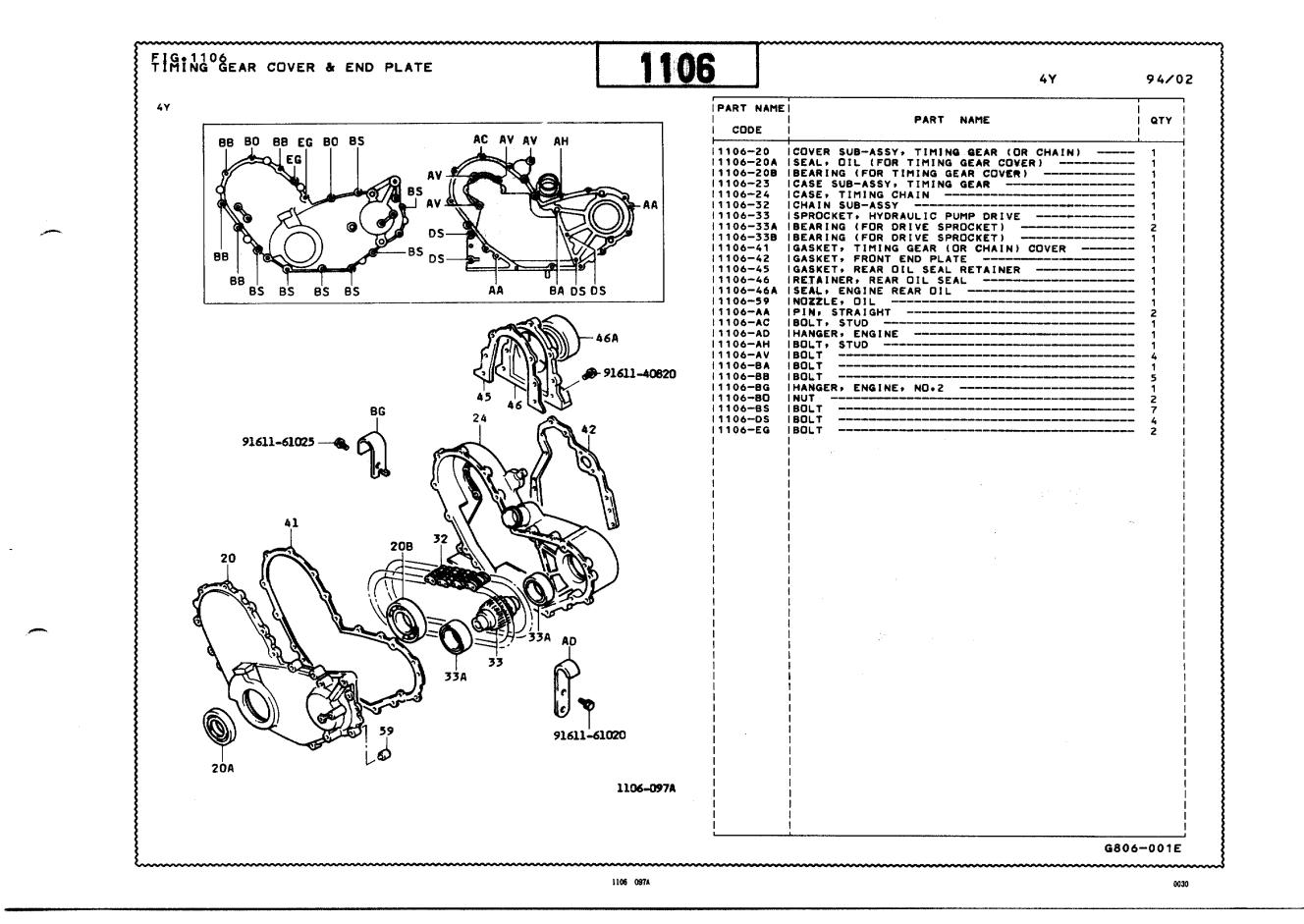
Where can I find my engine's specific parts list? The most accurate source is the Toyota online parts catalog, which allows you to input your VIN to see the exact exploded-view diagrams and component lists for your specific vehicle configuration.
Moving Forward with Vehicle Care
The longevity of a Toyota is largely determined by the quality of the parts utilized during its service intervals. By prioritizing VIN-verified, genuine components, you ensure that your vehicle performs exactly as the engineers intended. For those performing their own maintenance, keep a log of part numbers and installation dates; this record is invaluable for future troubleshooting and maintains the vehicle's resale value. For complex systems, rely on authorized dealership technicians who have access to the latest technical service bulletins and proprietary diagnostic software.