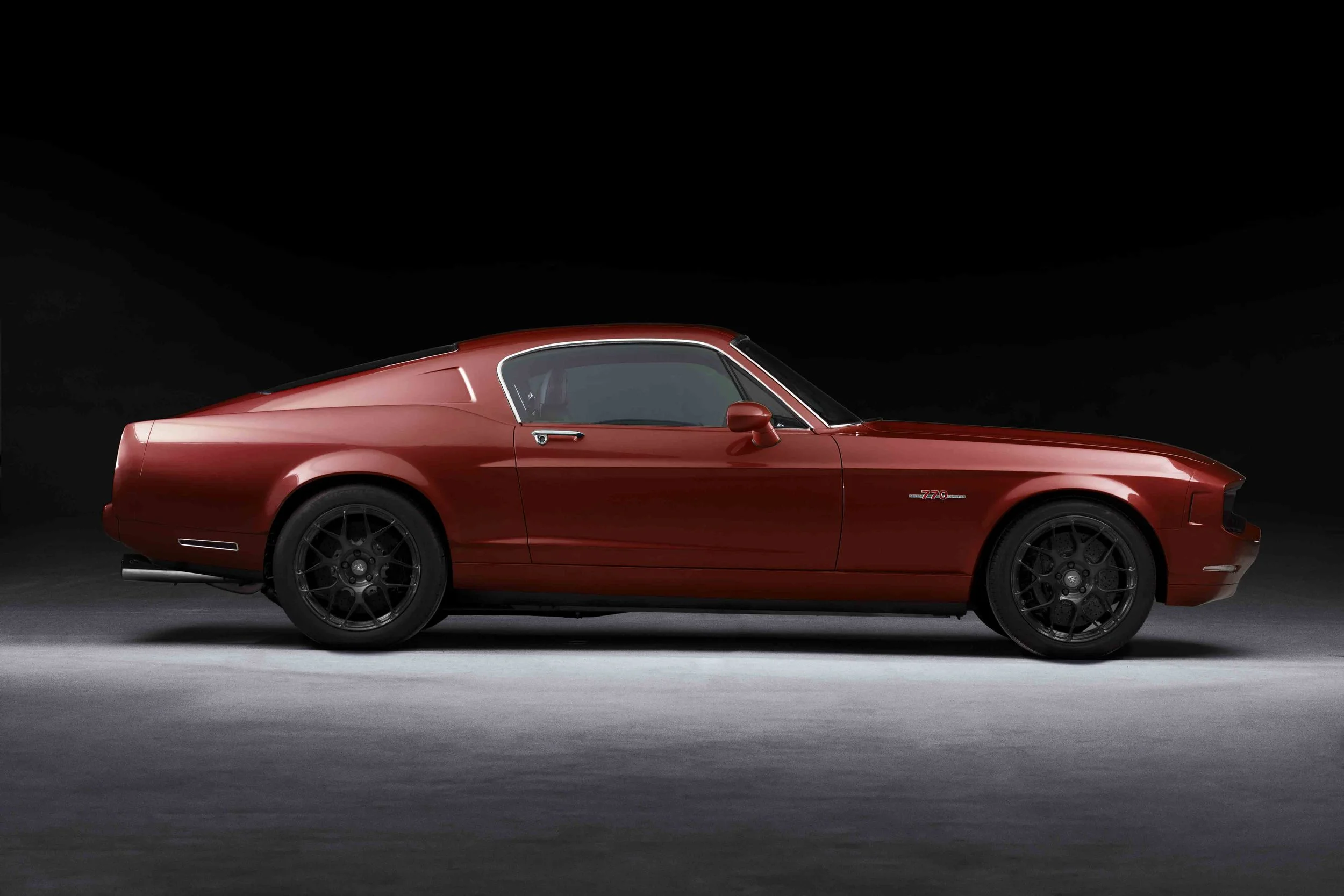
The defining characteristic of the Equus Bass 770 is its fusion of vintage muscle car aesthetics with high-performance, modern aerospace-grade engineering. At the heart of this vehicle lies a 6.2-liter supercharged V8 engine capable of producing 640 horsepower, allowing the car to achieve a top speed of 200 mph and accelerate from 0 to 60 mph in roughly 3.4 seconds.
The Genesis of the Equus Bass 770
The Equus Bass 770 is not a restoration project, nor is it a replica of a classic Mustang or Camaro, though it draws heavy inspiration from the American muscle car golden era of the 1960s and 1970s. Developed by Equus Automotive, based in Detroit, the project was born from a desire to combine the visceral, raw appeal of classic pony cars with the reliability and handling dynamics of 21st-century supercars.
Unlike traditional restomods, which take existing steel bodies and swap in modern drivetrains, the Bass 770 was constructed from the ground up. The design team focused on a bespoke aluminum and carbon fiber chassis, ensuring the vehicle remained lightweight while providing the structural rigidity necessary to handle its immense power output. This architectural decision differentiates the car from almost everything else on the road, placing it in a unique niche that appeals to collectors who demand both nostalgia and cutting-edge performance.
Mechanical Heart: The Supercharged V8
The performance figures of the Bass 770 are anchored by its 6.2-liter LS9-derived supercharged V8 engine. This powerplant, famously utilized in high-tier American performance vehicles, provides 640 horsepower and 605 lb-ft of torque. In a vehicle weighing approximately 3,640 pounds, this power-to-weight ratio ensures that the car is exceptionally fast by any modern standard.
The engine is paired with a dual-clutch transmission that facilitates rapid gear changes, bridging the gap between a traditional manual feel and the efficiency of a modern automatic. For the purist, this setup is vital; it provides the immediate throttle response required for spirited driving on winding canyon roads while remaining tractable enough for long-distance cruising. The engineering team prioritized cooling efficiency, ensuring that the engine remains stable even under the extreme thermal loads produced during track sessions.
Advanced Handling and Suspension Dynamics
A major point of contention for classic muscle cars was their inability to handle anything other than straight-line acceleration. The Equus Bass 770 rectifies this through a sophisticated Magnetic Selective Ride Control system. This technology allows the suspension to adjust in real-time, reading road conditions and stiffening or softening the dampers within milliseconds.
By incorporating a rear-wheel-drive layout with a near-perfect weight distribution, the Bass 770 achieves a level of agility that would be impossible for an original 1960s chassis to replicate. The inclusion of Brembo carbon-ceramic brakes is another technical necessity; these provide the stopping power required to manage 640 horsepower, ensuring that the driver remains in control whether entering a sharp corner or coming to a sudden stop from high speeds.
Design Language: The Marriage of Nostalgia and Modernity
Visually, the Bass 770 is a masterclass in homage. It features the aggressive fastback silhouette, the prominent C-pillar, and the circular headlights that defined the era of the late 60s. However, closer inspection reveals that every body panel is crafted from high-grade aluminum, and in many iterations, reinforced with carbon fiber.
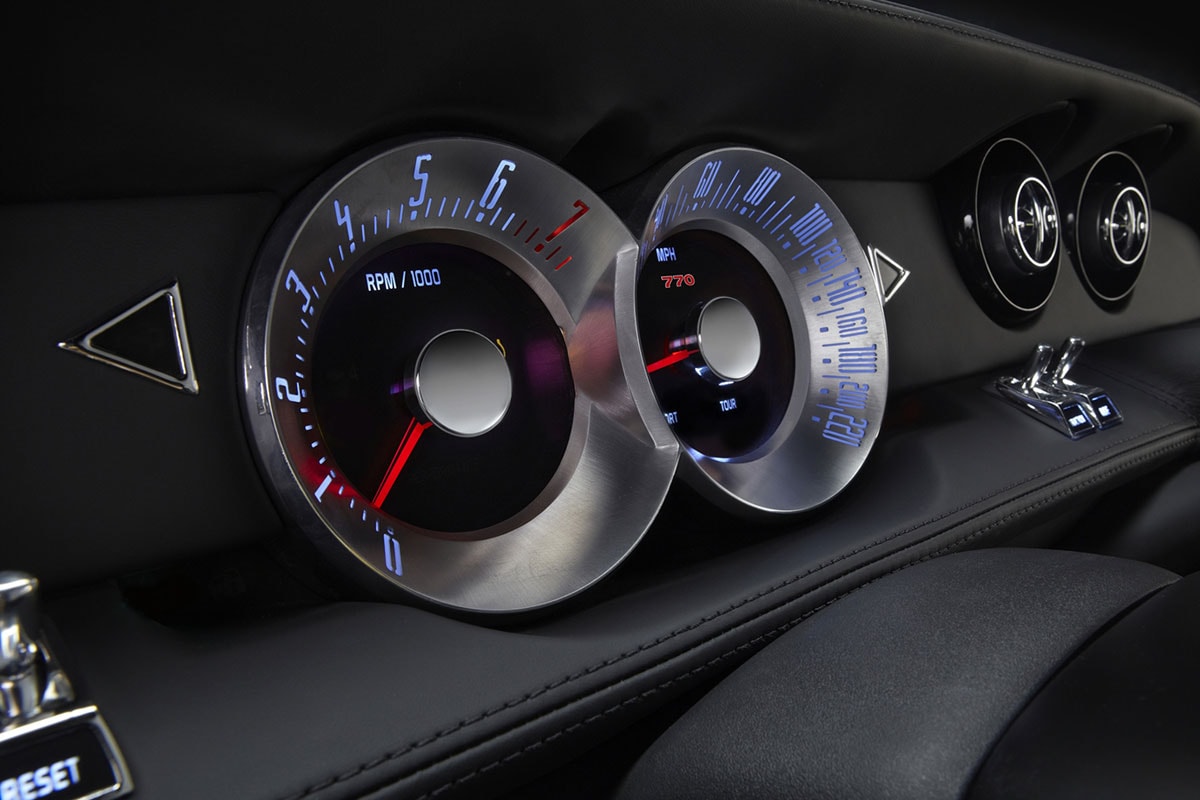
This commitment to premium materials extends to the interior. While the cabin retains a retro-inspired dashboard layout—complete with classic-looking gauges—it is equipped with modern amenities such as a touchscreen infotainment system, GPS navigation, and high-fidelity audio. The use of premium leather, hand-stitched upholstery, and machined aluminum controls ensures that the interior feels as luxurious as a European grand tourer, contrasting sharply with the utilitarian interiors of the original muscle car era.
Comparison of Performance and Construction
To understand where the Bass 770 sits in the automotive hierarchy, it is helpful to compare it against both classic vehicles and modern performance cars.
| Feature | Equus Bass 770 | Classic Muscle (1969) | Modern Supercar |
|---|---|---|---|
| Chassis | Aluminum/Carbon Fiber | Stamped Steel | Carbon Fiber Monocoque |
| Engine | 6.2L Supercharged V8 | 7.0L Naturally Aspirated | V8/V10 Turbo/Hybrid |
| Suspension | Magnetic Selective Control | Leaf Spring/Solid Axle | Adaptive Multi-link |
| Brakes | Carbon-Ceramic | Drum/Disc (Limited) | Carbon-Ceramic |
| Driver Aids | ABS, Traction Control | None | Full Electronic Suite |
Prerequisites for Ownership and Maintenance
Owning a vehicle like the Equus Bass 770 is a significant commitment. Because the vehicle is produced in limited numbers, maintenance must be handled by technicians familiar with high-performance American V8 platforms.
- Service Specialization: While the engine architecture is accessible to many specialized shops, the chassis and bodywork require experts who understand composite materials and aluminum fabrication.
- Component Sourcing: Owners should be aware that custom body parts or specialized suspension components may have longer lead times compared to mass-produced luxury vehicles.
- Usage Profile: The car is designed as a grand tourer. It performs exceptionally well on open highways and winding backroads, but owners should be mindful of its low ground clearance when navigating urban areas with steep driveways or significant speed bumps.
Frequently Asked Questions
Is the Equus Bass 770 street-legal? Yes, the vehicle is fully compliant with safety and emissions regulations required for street use in most jurisdictions. It is designed to be a driver-focused car, not just a static display piece for a museum.
How does the Bass 770 compare to a modern ZL1 or GT500? While those vehicles are mass-produced performance monsters, the Bass 770 is a hand-built, boutique vehicle. The primary difference lies in the exclusivity and the bespoke nature of the manufacturing process, which focuses on artisanal craftsmanship alongside modern performance benchmarks.
What is the fuel economy of the Bass 770? Given the 6.2-liter supercharged engine, fuel efficiency is low. Owners should expect figures consistent with high-performance supercars, making this a vehicle better suited for weekend drives and specialized events rather than daily commuting.
Can the car be customized? Equus Automotive allows for a high degree of personalization. From interior leather colors to exterior finishes and specific performance tuning, the ordering process is consultative, allowing each client to tailor the vehicle to their exact specifications.
Where is the vehicle manufactured? The Equus Bass 770 is engineered and manufactured in Detroit, Michigan, paying homage to the American muscle car tradition by building the vehicle in the historical heart of the automotive industry.
Final Recommendation for Enthusiasts
For those looking to bridge the gap between historical reverence and modern performance, the Equus Bass 770 stands as a premier solution. It is not merely an investment in a machine but an investment in a rare intersection of design history and advanced mechanical engineering. Prospective buyers should prioritize vetting their local service capabilities for high-performance supercharged platforms and reach out to Equus directly to discuss the current availability of production slots, as these vehicles are typically produced upon individual commission. By focusing on maintenance and specialized storage, an owner can ensure that the Bass 770 remains both a reliable performer and a lasting piece of automotive art.