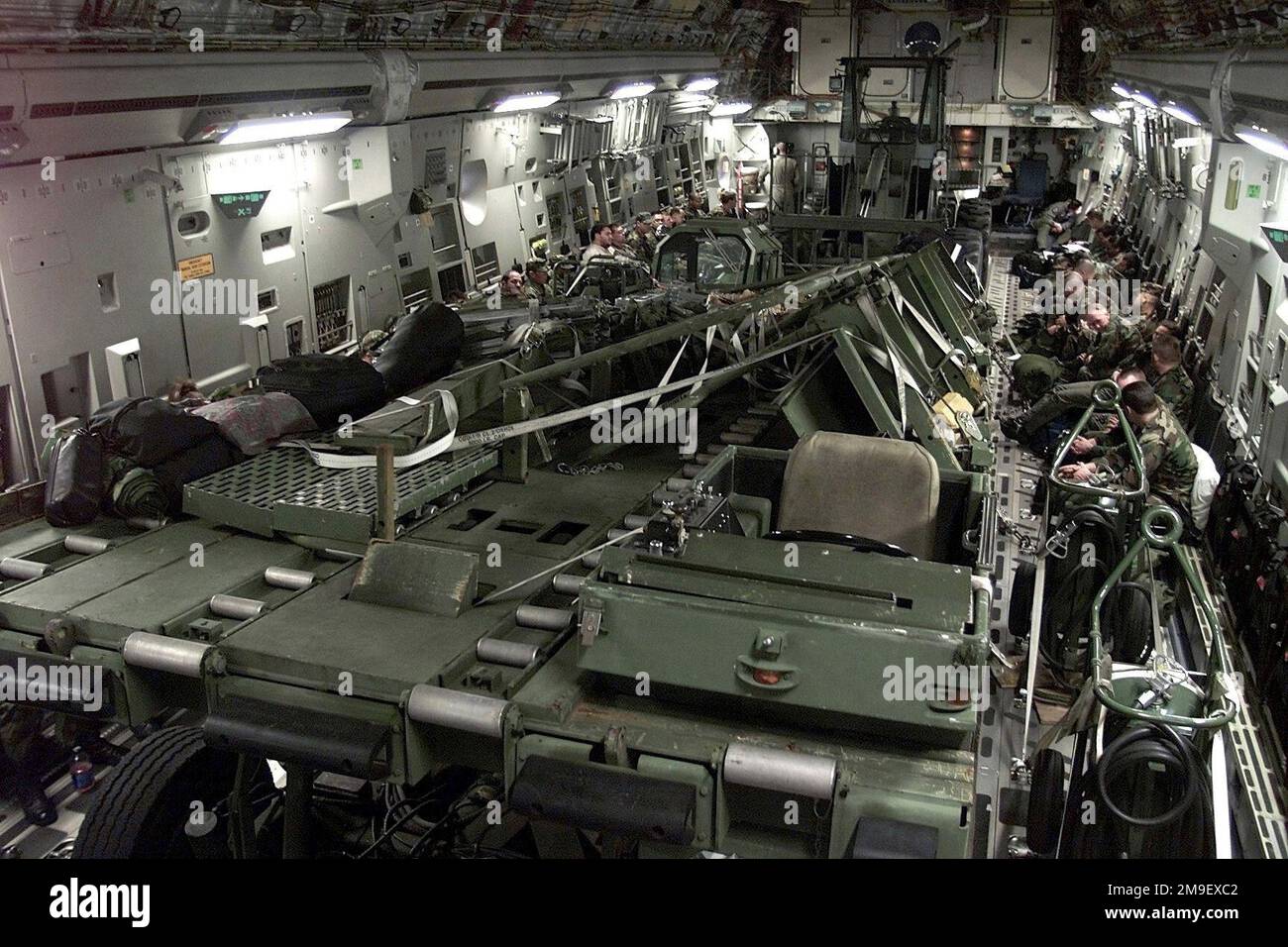
The single most consequential structural and programmatic shift in the lifecycle of the C-17A Globemaster III military transport aircraft has been the transition from active production to a dedicated, long-term enterprise-level sustainment and performance-based logistics model. This evolution fundamentally changed how the United States Air Force and its global partners manage, maintain, and modernize the strategic airlift fleet following the closure of the final assembly line in Long Beach, California.
The Strategic Importance of the C-17A Globemaster III
The C-17A Globemaster III stands as a cornerstone of modern military strategic and tactical airlift. Developed initially by McDonnell Douglas and subsequently produced by Boeing following their 1997 merger, the aircraft was designed to meet the demanding requirements of the United States Air Force (USAF). It bridges the gap between inter-theater strategic transport and intra-theater tactical delivery. Capable of hauling massive payloads—including the M1 Abrams main battle tank, heavy artillery, and combat-ready troops—into austere, short, unpaved runways, the C-17A redefined rapid global mobility.
For decades, the program operated under a traditional defense acquisition lifecycle. This traditional lifecycle centered on initial research, development, test, and evaluation (RDT&E), followed by full-scale manufacturing, and then fragmented maintenance contracts managed separately by various military depots and commercial subcontractors. However, as the geopolitical landscape shifted and budgetary pressures mounted, the Department of Defense (DoD) faced a stark reality: the production line was winding down, yet the aircraft were projected to remain operational for decades. This reality forced a radical pivot in program strategy, giving rise to the primary structural shift that defines the modern C-17A enterprise.
Identifying the 1 Key Programmatic Change: Virtual Fleet Sustainment and PBL
When analyzing the modern C-17A Globemaster III program, industry experts, aerospace engineers, and defense analysts point to one overarching transformation: the complete adoption of Performance-Based Logistics (PBL) contracts, specifically anchored by the integrated Globemaster III Sustainment Partnership (GSP).
Prior to this shift, military aircraft sustainment operated on a transactional model. The government bought spare parts piecemeal, managed depot-level maintenance schedules independently, and bore the financial risk of component failures and supply chain delays. Under the GSP model—which evolved into a comprehensive, multi-billion-dollar enterprise—Boeing and its principal industry partners were contracted not merely to supply parts, but to guarantee aircraft availability and mission readiness rates.
This single key change fundamentally altered the economic and operational relationship between the original equipment manufacturer (OEM) and the military operator. Instead of paying for individual repairs and parts orders, the USAF pays for outcomes: flying hours and fleet readiness. This alignment of incentives drove unprecedented efficiency, reduced the total cost of ownership, and ensured that the global fleet of C-17As maintained exceptionally high mission-capable rates despite aging airframes.
| Traditional Acquisition & Sustainment Model | Performance-Based Logistics (GSP Model) |
|---|---|
| Payment Structure | Transactional (pay-per-part, pay-per-repair) |
| Risk Bearer | Primarily the military customer (government) |
| Supply Chain | Fragmented, multiple disparate subcontractors |
| Data Utilization | Reactive maintenance and scheduled overhauls |
| Readiness Focus | Individual component delivery timelines |
Mechanics of the Globemaster III Sustainment Partnership
To understand why the GSP is considered the definitive turning point in the C-17A program, it is necessary to examine its operational mechanics. The GSP consolidates hundreds of separate contracts into a single, comprehensive framework. This framework covers total life-cycle customer support, engineering services, supply chain management, configuration management, and depot-level maintenance support.
Supply Chain Integration and Predictive Maintenance
Under the GSP, the supply chain was modernized through advanced data analytics. The C-17A is heavily instrumented, generating vast quantities of operational and diagnostic data during every flight. Through programs like the Globemaster III Integrated Collaborative Environment (GICE), maintenance personnel, engineers, and OEM representatives share real-time data.
This visibility allows for predictive maintenance. Instead of replacing a component after failure—which can ground an aircraft in a remote, austere location—technicians can identify wear patterns and replace parts during scheduled downtime. The supply chain mechanism anticipates demand, ensuring that critical spares are pre-positioned at strategic global nodes before they are urgently required.
Global Virtual Fleet Concept
Another critical dimension of this programmatic shift is the management of the global fleet as a single virtual entity. The C-17A is operated not only by the USAF but also by international partners, including the United Kingdom Royal Air Force, the Royal Australian Air Force, the Royal Canadian Air Force, the Indian Air Force, the Strategic Airlift Capability (SAC) consortium, and the United Arab Emirates.
Through the GSP, these international operators benefit from a cooperative logistics pool. Parts, technical orders, software updates, and engineering change proposals are shared across nations. This cooperative approach lowers the unit cost of spare parts and ensures that a C-17A from any participating nation can land at a foreign coalition base and receive standardized, authorized maintenance support.
Operational and Economic Impacts of the Shift
The transition to an outcome-based sustainment model yielded measurable results across multiple domains, transforming how the DoD approaches long-term fleet management for heavy airlifters.
Mission-Capable Rates and Aircraft Availability
Before the maturation of enterprise-level PBL contracts, complex military aircraft often suffered from diminished readiness rates as they aged and as original manufacturing support waned. However, the C-17A fleet has consistently maintained high mission-capable rates, frequently outperforming legacy transport aircraft such as the C-5 Galaxy and C-130 Hercules fleets in terms of daily availability. By tying contractor profitability to fleet readiness, the GSP incentivized rapid turnaround times for depot maintenance and minimized aircraft downtime.
Cost Control and Predictability
Defense budgets are subject to intense legislative scrutiny. Traditional maintenance models are notoriously volatile, with costs spiking unpredictably due to unforeseen component obsolescence or supply chain bottlenecks. The GSP introduced multi-year contracting stability. By establishing fixed pricing structures tied to flight hours and availability metrics, the DoD gained greater budget predictability, allowing program managers to forecast expenditures years in advance.
Engineering and Modernization Agility
With the production line closed, introducing technological upgrades requires careful management. The sustainment partnership framework created a structured pipeline for avionics upgrades, communications security enhancements, and structural life-extension modifications. Engineering change proposals can be vetted, tested, and rolled out across the global fleet systematically, ensuring that the aircraft remain compliant with changing civilian air traffic control mandates and evolving military threat environments.
Frequently Asked Questions
What was the primary reason for ending C-17A Globemaster III production?
Boeing and the U.S. Air Force wound down C-17A production due to the fulfillment of the programmed fleet size, shifting defense budget priorities toward other acquisition programs, and the stabilization of the strategic airlift inventory. By the time the final aircraft rolled off the Long Beach assembly line in 2015, a total of 279 aircraft had been built, satisfying the operational requirements set forth by the military.
How does Performance-Based Logistics differ from traditional military contracting?
Traditional military contracting relies on a transactional model where the government purchases specific goods, such as spare parts, or specific services, such as a single engine overhaul, on an as-needed basis. Performance-Based Logistics (PBL) shifts the focus to buying a desired outcome or performance metric, such as guaranteed aircraft availability or operational readiness hours. This aligns the financial incentives of the contractor with the operational readiness goals of the military.
Which countries operate the C-17A Globemaster III alongside the United States?
In addition to the United States Air Force, the C-17A is operated by several international allies and partners. These include the United Kingdom's Royal Air Force, the Royal Australian Air Force, the Royal Canadian Air Force, the Indian Air Force, the United Arab Emirates Air Force and Air Defence, Qatar Emiri Air Force, and the Heavy Airlift Wing of the Strategic Airlift Capability (SAC) program based in Hungary, which serves a consortium of NATO and partner nations.
How does the Globemaster III Sustainment Partnership handle spare parts obsolescence?
As aircraft age, many electronic components and specialized materials face manufacturing obsolescence. Under the GSP framework, the original equipment manufacturer and its supplier network continuously monitor component lifecycles. They proactively engineer replacement parts, authorize form-fit-function alternatives, and update technical data packages to prevent supply chain disruptions before they impact fleet readiness.
What is the projected operational lifespan of the C-17A fleet?
With rigorous structural integrity programs, depot-level maintenance, and ongoing sustainment partnerships, the C-17A Globemaster III fleet is projected to remain a vital component of global military mobility well past the mid-21st century. The airframe design incorporates substantial service life margins, allowing the aircraft to continue meeting demanding tactical and strategic airlift requirements for decades following the cessation of manufacturing.
Conclusion and Next Actions
The single key change in the C-17A Globemaster III program—the transition from fragmented manufacturing-era support to an integrated, outcome-based sustainment model like the Globemaster III Sustainment Partnership—serves as a blueprint for modern military fleet management. For defense analysts, logistics professionals, and aerospace engineers studying the lifecycle of complex military systems, understanding this shift underscores the reality that maintaining an aircraft is often more complex and consequential than building it.
To explore this topic further, review official Department of Defense acquisition reports on Performance-Based Logistics, consult public domain documentation regarding the Globemaster III Sustainment Partnership, or examine specialized aerospace defense literature focusing on military airlift sustainment strategies.