Choosing between 1-800-PACK-RAT and PODS depends on whether you prioritize container durability and price matching or geographic availability and scheduling flexibility. 1-800-PACK-RAT offers superior all-steel containers and a price-match guarantee, while PODS provides a significantly larger service network and a more streamlined online booking experience for most regions.
Moving and storage logistics have evolved significantly by 2026, yet the core choice remains centered on the reliability of the container and the efficiency of the delivery system. Both 1-800-PACK-RAT and PODS operate on a similar model: they deliver a portable container to your driveway, you pack it at your own pace, and they either move it to a new location or store it in a secure facility. However, the technical specifications of their equipment and their localized service footprints create distinct advantages for different types of moves.
Container Construction and Durability Standards
One of the primary technical differences between these two industry leaders lies in the physical composition of their containers. This is not merely an aesthetic choice; the materials used directly impact the safety of your belongings against moisture, pests, and structural shifting during transit.
1-800-PACK-RAT’s All-Steel Design
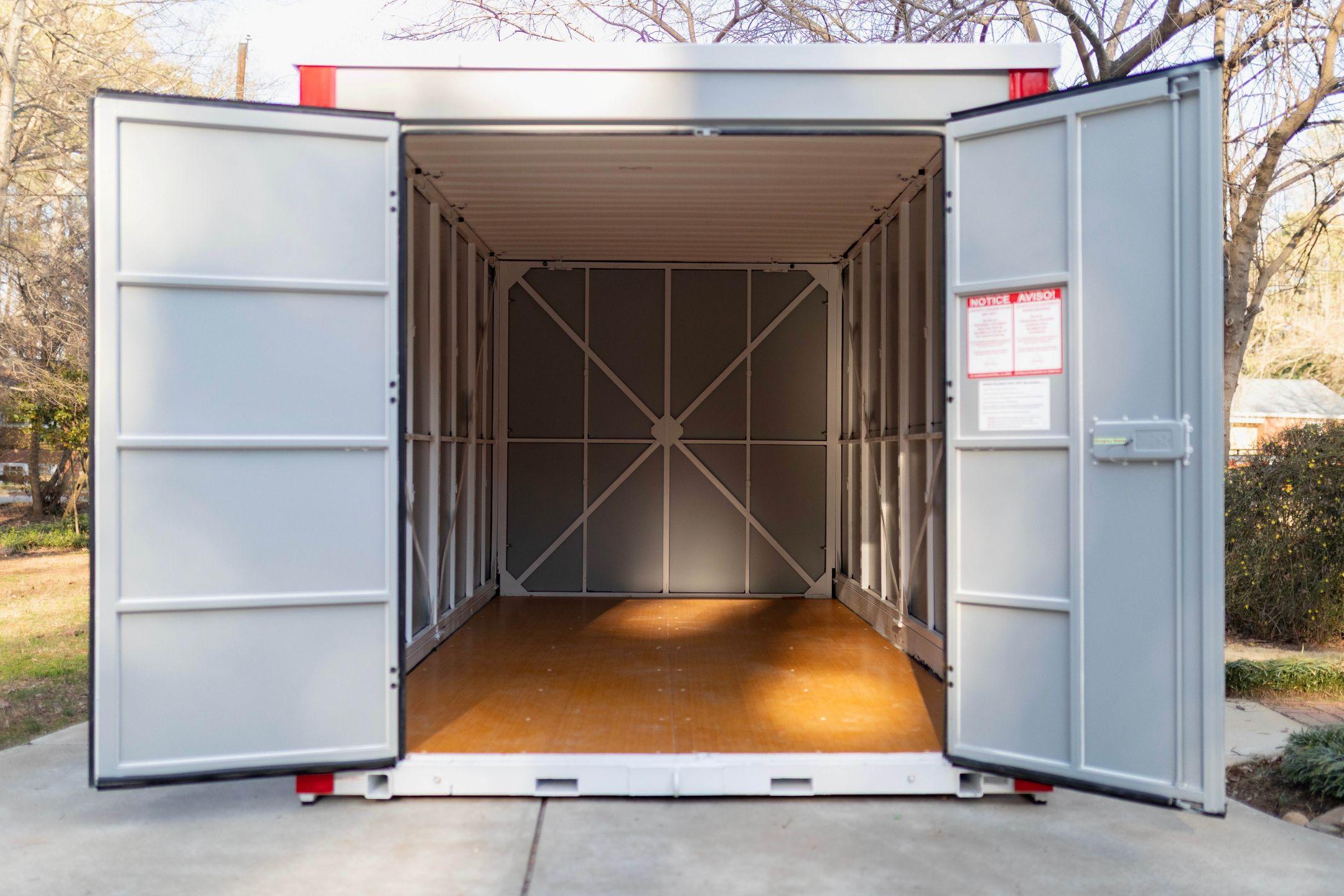
1-800-PACK-RAT has built its reputation on the "all-steel" container. These units feature steel frames, steel walls, and steel barn-style doors. From a technical standpoint, steel offers the highest level of protection against external elements. Because steel does not breathe or absorb moisture like wood, these containers are less susceptible to the growth of mold or mildew in humid climates. Furthermore, the barn-style doors provide a tighter seal than the roll-up doors often found on other units, which is a critical factor if the container will be sitting outside during a rainy season.
PODS Container Material Composition
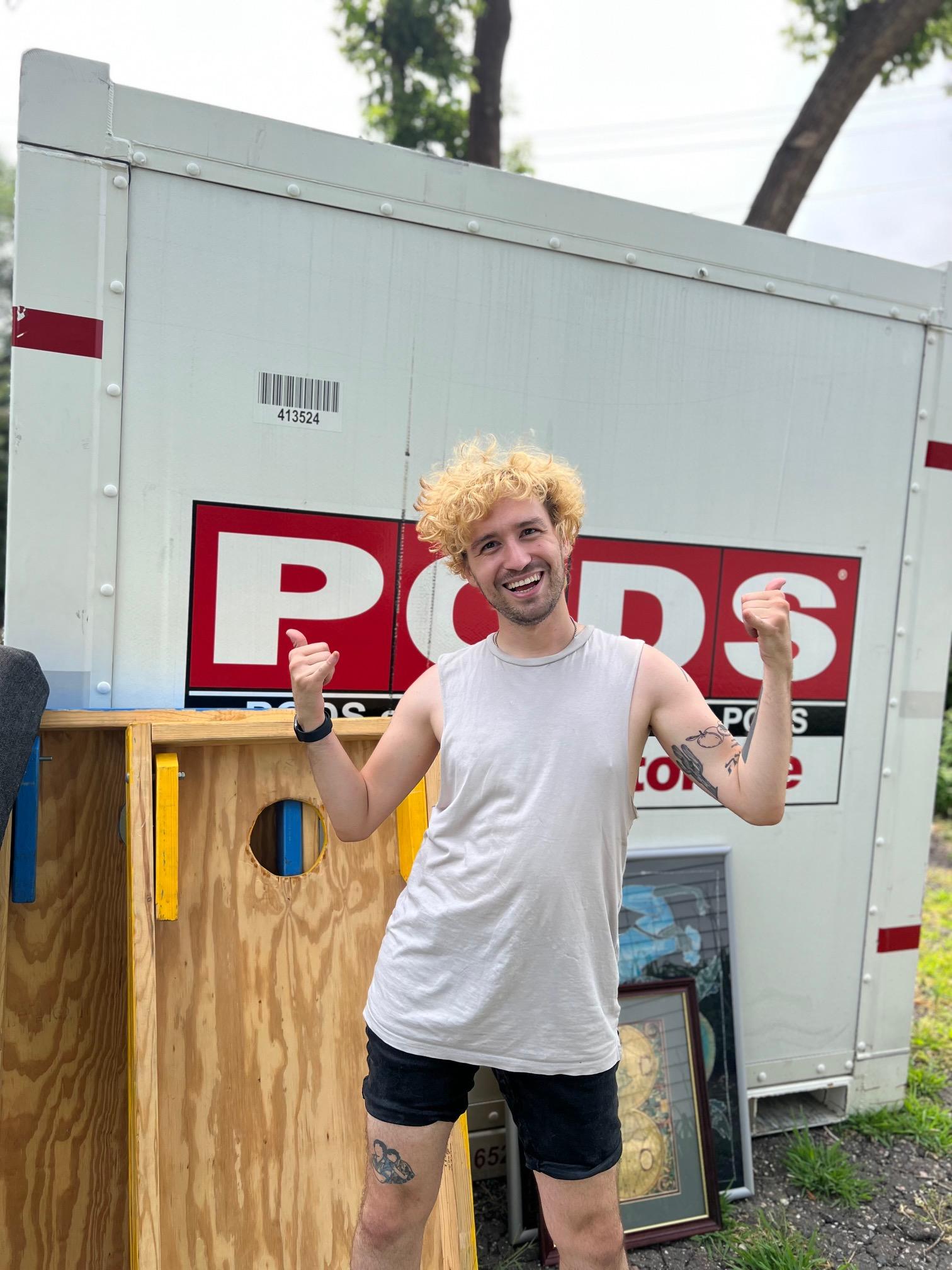
PODS utilizes a hybrid construction model. Most PODS units are built with a steel frame but feature aluminum skin or high-impact polymer wall panels, often with wood interiors. The roof is typically made of a translucent material to allow natural light inside while you are loading. While this makes the interior brighter, it is historically less robust than the solid steel roofing found on PACK-RAT units. However, PODS has updated much of its fleet by 2026 to include more weather-resistant composites, though the presence of wood in many older units still makes them slightly more vulnerable to internal humidity fluctuations compared to all-steel alternatives.
Size Options and Capacity Planning
Both companies offer three primary sizes, but they are not identical in their utility. Understanding the internal volume and weight limits is essential for avoiding the "second container" surprise cost.
- Small Containers: PODS offers a 7-foot container, which is slightly smaller than the 8-foot container offered by 1-800-PACK-RAT. The 7-foot PODS unit is ideal for studio apartments or small room-sized storage. The 8-foot PACK-RAT unit offers roughly 400 cubic feet of space, making it better suited for a large room or a small one-bedroom apartment.
- Medium Containers: Both companies offer a 12-foot container. It is important to note that in 2026, both 1-800-PACK-RAT and PODS generally restrict 12-foot containers to local moves only. If you are moving across state lines, you will likely be forced to choose either the small or large size.
- Large Containers: The 16-foot container is the flagship for both brands. This size is designed to hold the contents of a typical 2-to-3 bedroom home (approximately 800 to 900 cubic feet). PACK-RAT’s 16-foot unit often boasts a slightly higher weight capacity due to its steel construction, which can be a deciding factor if you are moving heavy items like books, tools, or solid wood furniture.
Delivery Technology: Level Lift vs. PODZILLA
The method by which a container is placed on your property is a technical detail that can prevent significant damage to your driveway and your belongings.
The Level Lift System
1-800-PACK-RAT utilizes a proprietary "Level Lift" system. This hydraulic mechanism is designed to keep the container level at all times during the loading and unloading process from the truck. By maintaining a horizontal orientation, the system prevents your boxes and furniture from shifting or toppling before the container is even settled. This is particularly beneficial if you have packed fragile items or have not used professional-grade tie-downs.
The PODZILLA Mechanism
PODS uses a robotic lift system known as "PODZILLA." This heavy-duty lift functions similarly to the Level Lift, allowing the driver to maneuver the container into tight spaces, such as narrow driveways or urban parking spots. PODZILLA is exceptionally agile, which often gives PODS an edge in dense metropolitan areas where clearance is a major concern. Like the Level Lift, it minimizes the tilt of the container, though some users report that the PACK-RAT system feels slightly more stable on uneven terrain.
Comparative Overview of Features
The following table summarizes the key technical and service differences as of 2026.
| Feature | 1-800-PACK-RAT | PODS |
|---|---|---|
| Container Material | All-steel, weather-resistant | Steel frame with polymer/aluminum/wood |
| Sizes Available | 8 ft, 12 ft, 16 ft | 7 ft, 12 ft, 16 ft |
| Lift System | Level Lift (Hydraulic) | PODZILLA (Robotic) |
| Service Area | Major US Metros (~75% coverage) | International (US, Canada, UK, Australia) |
| Price Matching | Offers match against PODS quotes | Rarely offers direct price matching |
| Storage Options | On-site or climate-controlled facility | On-site or secure warehouse |
| Security | High (Steel doors/Heavy-duty locks) | Standard (Roll-up doors/Padlock) |
Pricing Models and Quote Transparency
Pricing in the portable storage industry is notoriously volatile, fluctuating based on fuel costs, seasonal demand, and driver availability. In 2026, both companies have moved toward more transparent digital quoting, but their philosophies differ.
1-800-PACK-RAT is frequently the choice for the budget-conscious mover due to its aggressive price-matching policy. If you receive a lower quote from PODS for a comparable move, PACK-RAT will often meet or beat that price. This makes it advantageous to get a PODS quote first and then use it as leverage with a PACK-RAT representative. Their pricing typically includes the delivery fee, the monthly rental fee, and the final transportation fee, though "fuel surcharges" are still a common variable.
PODS pricing tends to be slightly higher on average, reflecting its massive infrastructure and brand dominance. However, PODS often has more "moving pieces" in their quotes, such as separate charges for each leg of the delivery and pickup. The primary advantage of PODS pricing is the flexibility of their online portal, which allows for easier adjustments to dates and services without needing to speak to a salesperson—a feature that 1-800-PACK-RAT has improved by 2026 but still lags slightly behind.
Geographic Reach and Availability
A common frustration for movers is finding the perfect service only to realize they are outside the delivery zone.
- PODS Dominance: PODS has a significantly larger footprint. With thousands of locations across the United States, Canada, and overseas, they can service rural areas that 1-800-PACK-RAT simply cannot reach. If you are moving from a major city to a remote town, PODS is often the only viable portable storage option.
- PACK-RAT Focus: 1-800-PACK-RAT focuses heavily on major metropolitan corridors. While they cover most of the continental United States, their "service radius" from any given warehouse is typically smaller than PODS. This can lead to higher "long-distance" delivery fees if you live more than 50 miles from one of their hubs.
Prerequisites and Preparation for Delivery
To ensure a successful delivery from either company, certain site requirements must be met. Failure to prepare the delivery site can result in "dry run" fees, where the driver arrives but cannot safely place the container.
- Clearance Requirements: You generally need a clear path that is 12 feet wide and 15 feet high. For the truck to maneuver, a total of 40 to 60 feet of linear space is usually required.
- Surface Stability: Containers should be placed on a flat, paved surface like asphalt or concrete. While both companies can place units on packed dirt or gravel, doing so during wet weather can lead to the container sinking or the delivery truck getting stuck.
- Permit Verification: Many Homeowners Associations (HOAs) and city municipalities have strict rules about how long a container can sit on a street or driveway. In 2026, most cities require a "Right of Way" permit for street placement. You should verify these requirements at least two weeks before your delivery date.
- Loading Logistics: Unlike full-service movers, neither PODS nor 1-800-PACK-RAT provides labor as a standard part of their package. However, both have partnerships with third-party labor providers (such as HireAHelper) that you can book through their respective websites.
Security and Protection Plans
When your entire life is packed into a box sitting on a driveway, security is paramount.
1-800-PACK-RAT’s steel barn doors allow for the use of heavy-duty disc locks that are difficult to cut with bolt cutters. Because the walls are steel, they are also more resistant to forced entry. PODS typically uses roll-up doors, which are convenient for tight spaces but can be slightly more vulnerable to prying if not locked correctly. Both companies offer varying levels of "Contents Protection Insurance." It is a common mistake to assume your Homeowners Insurance automatically covers items in a portable storage container; usually, it only covers a small percentage or requires a specific rider. Always compare the company’s internal protection plan against your existing policy before declining coverage.
Common Mistakes to Avoid
- Overestimating Capacity: The most frequent error is underestimating how much stuff you have. A 16-foot container sounds large, but once you account for "dead air" around irregularly shaped furniture, it fills up quickly. If you are on the fence, it is almost always more cost-effective to order two containers at once rather than realizing you need a second one halfway through your moving day.
- Poor Weight Distribution: Because these containers are lifted onto trucks, an unbalanced load can cause the container to tilt dangerously or even damage the lifting mechanism. Always place your heaviest items (appliances, bureaus) on the bottom and distribute them evenly along the floor of the container.
- Ignoring the "12-Foot Rule": Many customers plan for a 12-foot container for a cross-country move, only to find out during the booking process that those units are for local use only. This can lead to a sudden jump in price as you are forced into a 16-foot unit or multiple 8-foot units.
Frequently Asked Questions
Which container is better for long-term storage in a humid climate?
1-800-PACK-RAT is generally superior for humid environments. Their all-steel construction does not absorb moisture, and the absence of wood components reduces the risk of mold and mildew growth. While PODS has improved its ventilation, the potential for moisture retention in wood-based interiors remains a technical disadvantage in high-humidity zones.
Can I park the container on the street?
In most cases, yes, but it depends on local ordinances. You will likely need a permit from your city’s public works or transportation department. PODS and 1-800-PACK-RAT drivers will generally not place a container on a public street without proof of a permit, as they can be fined or the unit can be towed.
How much notice do I need to give for a delivery or pickup?
While both companies can sometimes accommodate moves within 7 days, it is recommended to book at least 3 to 4 weeks in advance, especially during the "peak moving season" (May through September). By 2026, digital scheduling has become more precise, but driver shortages in specific regions can still create bottlenecks.
Does 1-800-PACK-RAT really price match PODS?
Yes, 1-800-PACK-RAT is well-known for its policy of matching or beating written quotes from PODS for comparable services. This typically applies to the long-distance transportation and monthly rental portions of the quote. You will need to provide the official quote from PODS to a PACK-RAT representative to initiate the match.
Are there weight limits for the containers?
Yes. A standard 16-foot container from either company usually has a weight limit between 4,000 and 6,000 pounds. Exceeding this limit can prevent the truck from being able to lift the container or may lead to additional "overweight" fees. If you are moving a library of books or heavy gym equipment, you may need multiple smaller containers to distribute the weight.
Final Recommendation: Which Should You Choose?
Choose 1-800-PACK-RAT if you are moving between major cities and want the most durable, weather-resistant container at the lowest possible price. Their steel construction is the gold standard for protection, and their willingness to price-match makes them the value leader for those willing to spend a little extra time on the phone with a sales agent.
Choose PODS if you are moving to or from a less-populated area, or if you value a highly polished online management system. PODS’ massive network makes them the most reliable choice for availability, and their PODZILLA lift system is frequently better at navigating tight, difficult-to-reach urban locations.