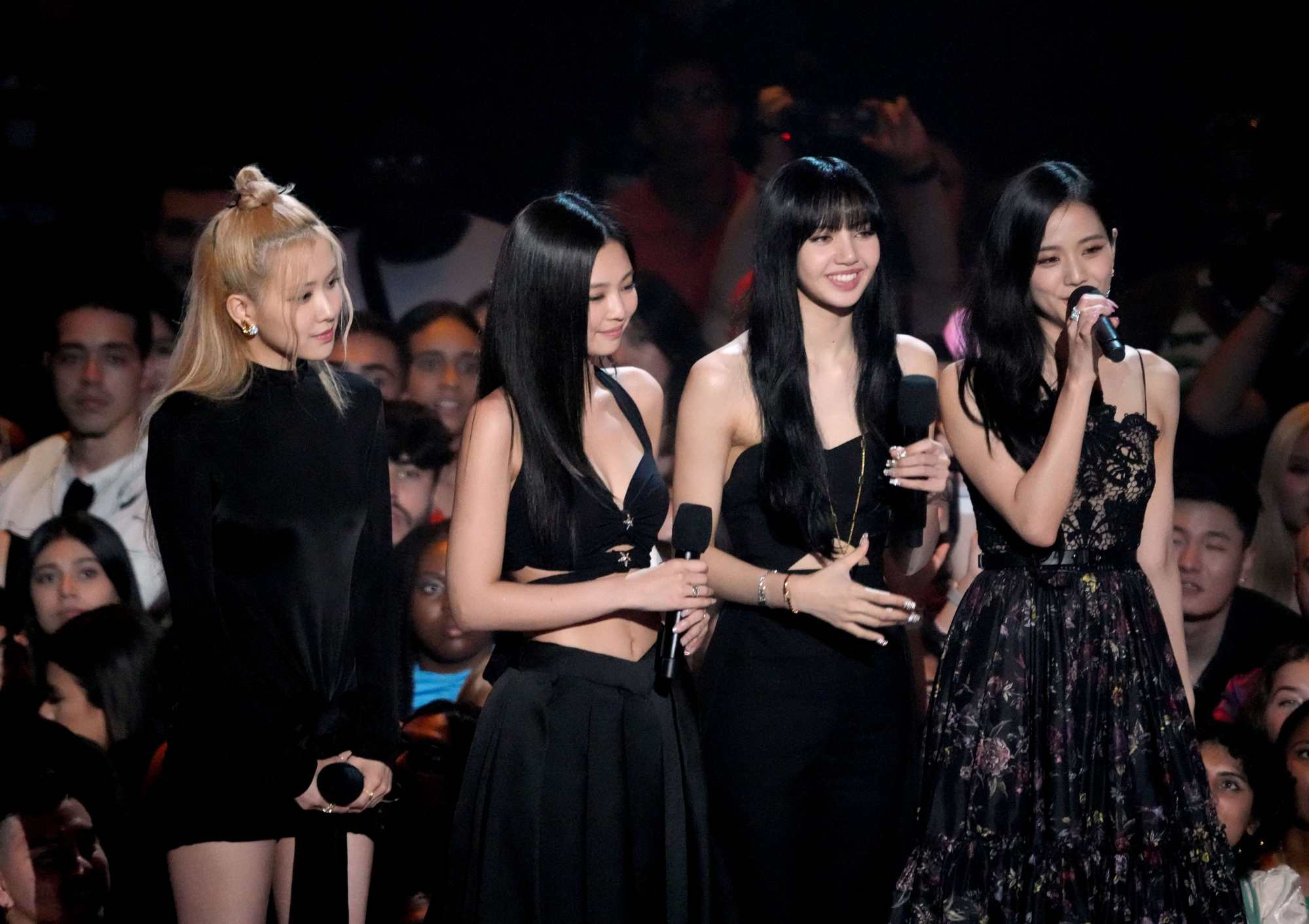
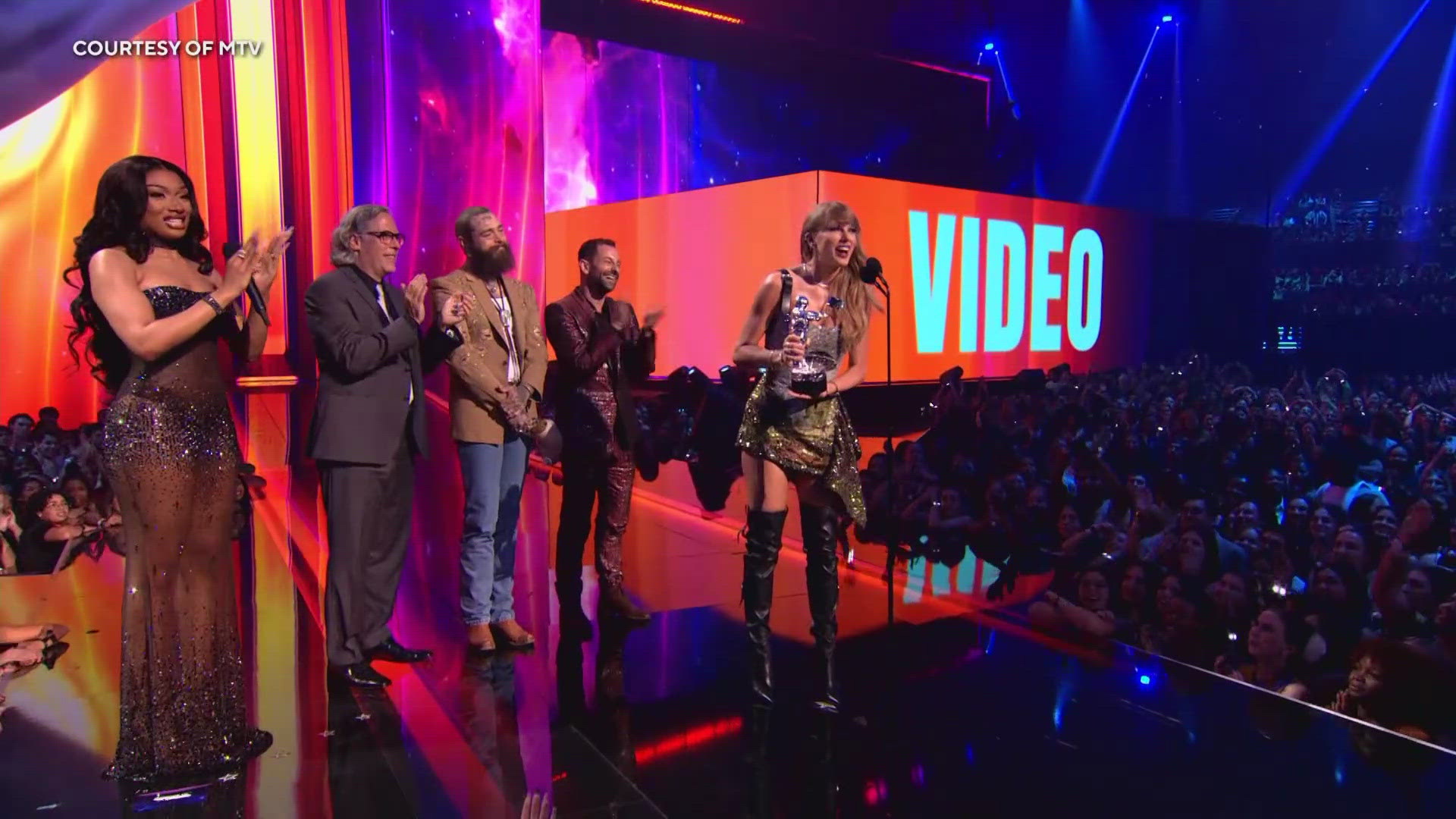
The MTV Video Music Awards (VMAs) are primarily a fan-voted award show, allowing the general public to determine the winners of major categories like Video of the Year, Artist of the Year, and Best New Artist. While most awards are decided by popular vote through MTV’s digital platforms, certain technical categories are adjudicated by a panel of industry professionals to ensure artistic and technical merit is recognized by experts.
The Evolution of Voting at the MTV Video Music Awards
Since their inception in 1984, the VMAs have positioned themselves as the "wild" alternative to the more buttoned-up Grammy Awards. A significant part of that identity is built on the relationship between the artists and their fans. In the early decades, the selection process was more opaque, involving a mix of industry insiders and MTV executives. However, as digital technology evolved, MTV shifted the power toward the audience.
By 2026, the VMAs have fully embraced a digital-first, fan-centric model. This shift wasn't just about democratic participation; it was a strategic move to increase engagement. When fans feel they have a direct hand in their favorite artist’s success, they are more likely to tune into the broadcast, share content on social media, and engage with sponsors. This "participatory culture" has turned the VMAs into one of the most socially active events on the awards calendar.
The transition to fan voting has also changed the types of artists who win. Traditional industry awards often favor longevity and "prestige," whereas the VMAs tend to reward massive, active fanbases. This is why you frequently see global superstars with dedicated online "stans"—such as Taylor Swift, BTS, or Olivia Rodrigo—dominating the leaderboard. The voting system transforms the award ceremony from a simple presentation of trophies into a high-stakes competition between global fan communities.
How the VMA Voting Process Works
For the 2026 season, the voting process is multi-layered and occurs over several weeks leading up to the live ceremony. Understanding the mechanics of how to vote is essential for any fan looking to influence the outcome.
The MTV Voting Portal
The primary hub for voting is the official MTV VMA website. Fans are typically required to log in using an email address or a social media account (such as Google or X). This authentication process is designed to prevent automated bot voting, though it is not entirely foolproof. Once logged in, users are granted a specific number of votes—usually 10 to 20—per category, per day.
MTV often utilizes "Power Hours" or "Double Vote Days." During these specific windows, any vote cast is doubled, making it a critical time for fan coordination. These periods are usually announced via MTV’s social media channels and are designed to drive traffic to the site during peak usage times.
Social Media Voting
While the website handles the "General Field" categories, certain "Social Categories" are handled exclusively through platforms like Instagram and TikTok. Categories such as "Song of Summer" or "Best Group" often use a bracket-style elimination system. Fans vote by interacting with MTV’s Instagram Stories or using specific hashtags on TikTok.
This method is highly volatile and fast-paced. In a bracket system, two artists are pitted against each other for 24 hours. The winner moves on to the next round until a final champion is crowned. This format creates a sense of urgency and encourages fans to mobilize their networks quickly to avoid elimination.
Categories: Which Are Fan-Voted and Which Are Not?
It is a common misconception that every single Moonperson trophy is decided by fans. MTV maintains a distinction between "General" categories and "Professional" categories to balance popular appeal with technical excellence.
Fan-Voted Categories
The categories that generate the most headlines are almost always fan-voted. These include:
- Video of the Year: The night's biggest honor.
- Artist of the Year: Recognizing the performer's overall impact.
- Song of the Year: Focusing on the track's popularity and cultural footprint.
- Best New Artist: A career-defining category for rising stars.
- Best Collaboration: Celebrating the best joint efforts in music.
- Genre Categories: Such as Best Pop, Best Hip-Hop, Best R&B, and Best K-Pop.
In these instances, the winner is determined by the sheer volume of valid votes received during the eligibility period.
Professional/Technical Categories
To ensure that the craft behind the camera is recognized, MTV utilizes a "Professional Panel" for technical categories. These voters are typically directors, cinematographers, editors, and visual effects artists who understand the nuances of production. The categories decided by professionals include:
- Best Direction
- Best Cinematography
- Best Editing
- Best Visual Effects
- Best Art Direction
- Best Choreography
By keeping these categories in the hands of experts, the VMAs maintain a level of prestige within the film and music video production industry. It prevents a scenario where a visually mediocre video wins "Best Cinematography" simply because the artist has a massive Twitter following.
Eligibility and Technical Requirements for Voting
To participate in the 2026 VMA voting process, there are several standard requirements that fans must meet. These rules are in place to maintain the integrity of the results and comply with digital privacy laws.
- Age Requirement: Voters must typically be at least 13 years of age. This is in accordance with the Children's Online Privacy Protection Act (COPPA) in the United States and similar international regulations.
- Geographic Access: While the VMAs are a U.S.-based show, MTV usually opens voting to a global audience. However, certain local versions of MTV (like MTV UK or MTV Japan) may have specific regional categories that are geo-restricted.
- Account Verification: To curb the influence of "click farms," MTV uses CAPTCHA technology and requires verified logins. If the system detects an unusual spike in voting from a single IP address, those votes may be flagged or discarded.
- Voting Windows: Voting usually opens several weeks before the show. The "General Field" categories often close a few days before the ceremony, while the "Best New Artist" category often remains open until the live broadcast to build suspense.
| Category Type | Voting Method | Primary Audience |
|---|---|---|
| General Field (e.g., Video of the Year) | MTV.com / Web Portal | General Public |
| Social Categories (e.g., Song of Summer) | Instagram Stories / TikTok | Social Media Users |
| Professional Categories (e.g., Best Editing) | Invited Industry Panel | Directors, Editors, Crew |
| Best New Artist | Web Portal (Live during show) | Live Viewers |
The Impact of "Stans" and Mass Voting Culture
The fact that the VMAs are fan-voted has led to the rise of "mass voting" tactics. Dedicated fanbases, often referred to as "stans," organize meticulously to ensure their favorite artist wins. This includes creating spreadsheets to track "Power Hours," setting alarms to vote every 24 hours, and even using multiple devices.
While some critics argue that this makes the awards a "popularity contest" rather than a measure of quality, others see it as the purest form of music recognition. In an era where streaming numbers can be manipulated and radio play is often bought, a fan-voted award represents the genuine passion of a core audience.
MTV leans into this competition. By showing real-time leaderboards or announcing "close races" on social media, they encourage fanbases to work harder. This gamification of the voting process is a key reason why the VMAs remain relevant in 2026, even as other award shows struggle with declining viewership.
Addressing Allegations of "Rigging"
Whenever a fan-voted show produces a winner that doesn't align with social media sentiment or chart performance, allegations of "rigging" inevitably surface. It is important to understand the difference between a "rigged" show and a "weighted" show.
MTV’s terms and conditions generally include a clause that gives the network the right to make a final determination if there is evidence of voting irregularities. If a fan group uses scripts or bots to generate millions of fake votes, MTV can—and often does—filter those out. This can lead to a result that seems "wrong" to the group using those tactics, but is actually a more accurate reflection of the legitimate vote.
Furthermore, the VMAs are a television production. The producers want to ensure a good show, which means they might prioritize certain categories for the live broadcast based on which artists are actually attending. While this doesn't mean they change the vote totals, it does influence the "vibe" and presentation of the winners.
How to Support Your Favorite Artist Effectively
If you are looking to support an artist in the 2026 VMAs, there are specific actions that are more effective than others.
- Consistency over Quantity: One person voting 20 times every single day of the period is more valuable than 100 people voting once and forgetting.
- Focus on Power Hours: Pay attention to MTV's social media accounts for announcements regarding double-vote windows. This is the most efficient way to boost an artist's total.
- Engage with Social Categories: Do not ignore Instagram Stories. The "Social Categories" are often decided by much smaller margins than the main website categories, meaning your individual vote carries more weight.
- Avoid Botting: Using automated scripts is a quick way to get your favorite artist's votes disqualified. Stick to manual voting or official social media interactions.
Frequently Asked Questions
Can you vote for the VMAs more than once?
Yes, MTV typically allows users to cast a set number of votes (usually 10 or 20) per category every day. The "daily" clock usually resets at midnight Eastern Time (ET). This encourages fans to return to the site daily, increasing the website's traffic and ad impressions.
Do professional critics have any say in the winners?
Only in the "Professional Categories." For the major awards like Video of the Year, Artist of the Year, and the genre-specific awards, professional critics and industry insiders have no more power than a regular fan. Their influence is limited to the technical awards like Best Direction or Best Visual Effects.
Is VMA voting free?
Yes, voting on the official MTV website and via social media platforms is free. However, data rates apply if you are voting via a mobile network, and some international fans may need to ensure they are on the correct regional portal to participate.
When does VMA voting close?
Closing times vary by category. Most general categories close several days before the live event. However, "Social" categories and "Best New Artist" often have voting windows that extend into the live broadcast itself, with winners announced toward the end of the show.
Why do some artists always seem to win the VMAs?
Artists with large, digitally active fanbases (like K-Pop groups or major pop stars) have a significant advantage. Because the system allows for daily voting over several weeks, the winners are often the artists whose fans are the most organized and disciplined, rather than just the artists with the most casual listeners.
Final Recommendation for Fans
If you want to ensure your favorite artist takes home a Moonperson in 2026, the best strategy is to visit the official MTV VMA voting portal early and often. Set daily reminders on your phone to exhaust your vote limit and keep a close eye on MTV’s Instagram and TikTok for "Song of Summer" brackets. While the technical awards remain in the hands of the pros, the biggest honors of the night are entirely up to you and the rest of the global audience.