A provision in a life insurance policy that pays the policy owner is most commonly identified as a Living Benefit or an Accelerated Death Benefit (ADB) rider. While life insurance is fundamentally designed to provide a death benefit to named beneficiaries, these specific provisions allow the policy owner to access a portion of the policy’s death benefit while they are still living, typically triggered by a terminal illness, chronic condition, or the need for long-term care.
The Evolution of Life Insurance Utility
Historically, life insurance was viewed solely as a financial safety net for surviving dependents. The primary trigger for payment was the death of the insured. However, as the insurance industry has evolved, the realization that policyholders may face significant financial strain during the later stages of life—due to medical costs or reduced income—has led to the integration of features that provide liquidity before death.
These provisions are not automatic in every contract; they are often added as "riders" or embedded as core components of modern permanent life insurance policies. Understanding these provisions is essential for effective financial planning, as they shift the utility of a policy from a pure legacy-building tool to a comprehensive asset that can support the owner during life’s most difficult health challenges.
Primary Provisions Allowing Payouts to the Owner
When we discuss a "provision that pays the policy owner," we are usually referring to one of three distinct financial mechanics within a policy. It is crucial to distinguish between them to manage expectations regarding access, taxation, and impact on the death benefit.
1. Accelerated Death Benefit (ADB) Riders
The most common provision is the Accelerated Death Benefit. This rider allows the policy owner to "advance" a portion of the death benefit if the insured meets specific medical criteria.
- Terminal Illness: If the insured is diagnosed with an illness that a physician certifies will result in death within a set period (usually 12 to 24 months), the owner can request an accelerated payment.
- Chronic Illness: If the insured is unable to perform a specified number of "Activities of Daily Living" (ADLs), such as bathing, dressing, or eating, the provision triggers.
- Catastrophic Illness: Some policies include coverage for specific conditions, such as cancer or organ failure, allowing for a payout that assists with treatment costs.
2. Cash Value Withdrawals and Loans
In permanent life insurance policies—such as Whole Life or Universal Life—the policy acts as a financial vessel that accumulates "cash value" over time.
- Withdrawals: The policy owner can withdraw a portion of the accumulated cash value. While this does not technically trigger the "death benefit" provision, it is the most frequent way a policy owner receives funds directly from their own policy.
- Policy Loans: Owners can borrow against the cash value of the policy. These loans are not subject to income tax (so long as the policy remains in force), and they are not reported as income, providing a strategic way to access capital without triggering a taxable event.
3. Return of Premium (ROP) Riders
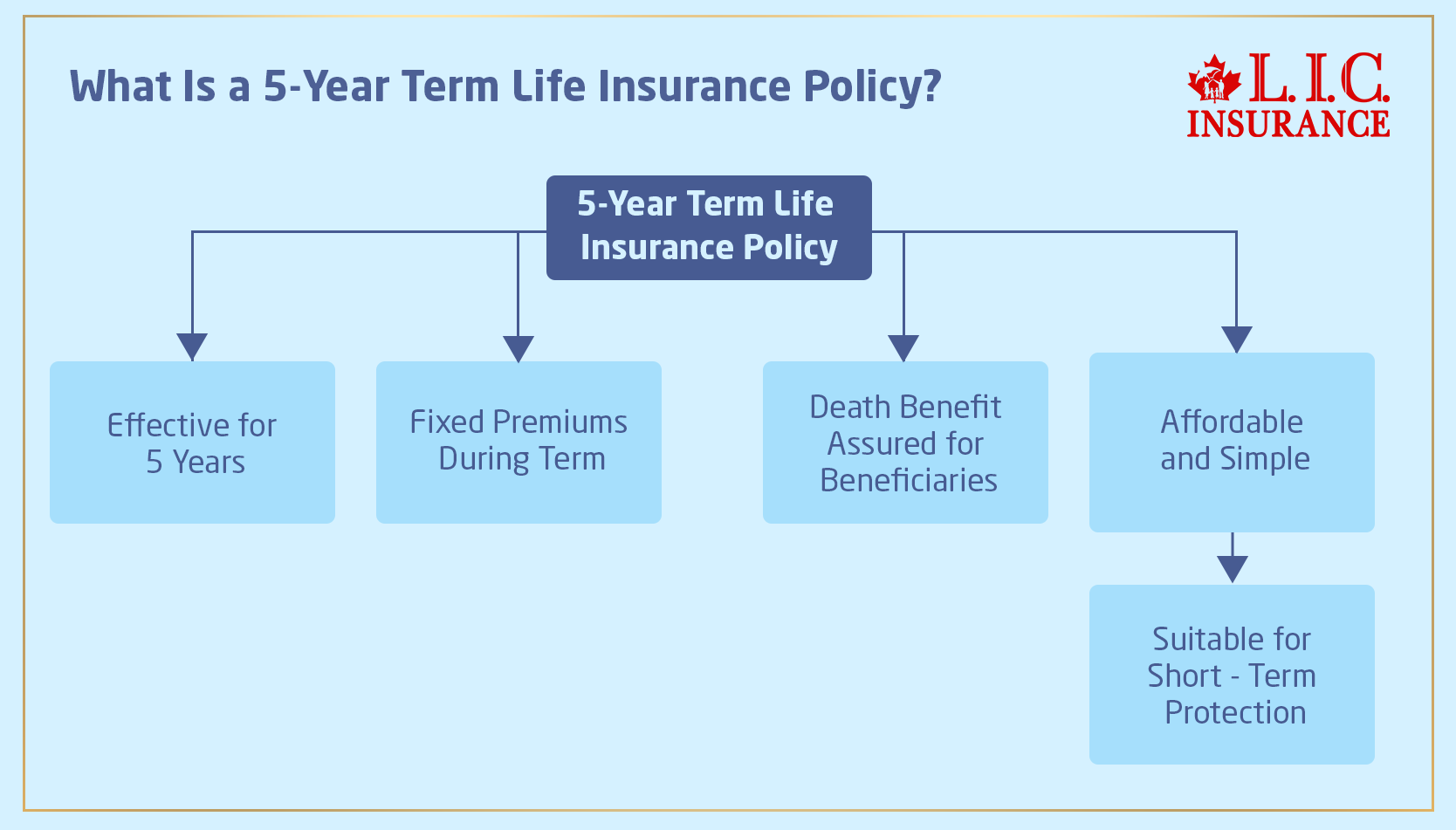
While less common in modern permanent policies, ROP riders are sometimes found in term life insurance. If the insured outlives the term of the policy (e.g., a 20-year term), this provision mandates that the insurance company returns a portion or all of the premiums paid. This provides a lump-sum payout to the owner at the end of the policy term, provided the insured did not pass away during the coverage period.
Comparative Analysis of Payout Provisions
| Provision Type | Primary Trigger | Effect on Death Benefit | Typical Taxation |
|---|---|---|---|
| Accelerated Death Benefit | Terminal/Chronic Illness | Reduced by amount paid | Generally Tax-Free |
| Cash Value Withdrawal | Owner's Request | Reduced if not repaid | Taxed on gains over basis |
| Policy Loan | Owner's Request | No immediate reduction | Tax-Free (if policy stays active) |
| Return of Premium | End of Policy Term | Policy terminates | Generally Tax-Free |
Prerequisites and Eligibility
Accessing these provisions is rarely a simple "on-demand" process. Insurance companies maintain strict documentation requirements to protect the actuarial integrity of the policy.
- Medical Certification: For Accelerated Death Benefits, you must provide formal medical records. An insurance company’s claims department will independently review the prognosis against the contract’s specific definitions of "terminal" or "chronic."
- Policy Ownership: Only the legal owner of the policy can initiate these requests. If the policy is owned by a trust or a third party, the requirements for approval may involve the trustee or the owner's legal representative.
- Minimums and Maximums: Policies often dictate the percentage of the death benefit that can be accelerated (e.g., 50% to 80%) to ensure that the policy remains in force for some level of final expenses.
Navigating the Claim Process
If you find yourself needing to access these provisions, the process typically follows a structured sequence. Failing to follow these steps can lead to unnecessary delays or, in some cases, the unintended lapse of the policy.
- Review the Policy Document: Confirm that your policy contains the specific rider or provision. Not all policies issued before 2026 include chronic illness coverage as a standard feature.
- Contact the Carrier: Notify the insurance company’s claims department. They will provide the necessary paperwork, which often includes a "Physician’s Statement" form.
- Third-Party Verification: Most insurers require an independent verification of the diagnosis. Ensure your medical providers are aware that they may be contacted by the insurer’s medical underwriters.
- Impact Disclosure: Before accepting a payout, the insurer will send a document outlining exactly how much the future death benefit will be reduced. Review this carefully to ensure your beneficiaries will still be protected for your primary goals.
- Direct Payment: Once approved, the funds are usually sent via check or electronic transfer directly to the policy owner.
Critical Considerations: Taxation and Costs
One of the most frequent misconceptions regarding these provisions is the tax status of the payout. Under current law in 2026, Accelerated Death Benefits are generally excluded from gross income for federal tax purposes if the insured is terminally ill. However, if the insured is chronically ill, there are specific IRS per diem limits on the amount that can be excluded from income tax. Always consult with a tax professional before requesting a large payout, as the categorization of the illness and the specific contract language can alter the tax outcome.
Furthermore, there is an "opportunity cost." By accessing the death benefit early, you are reducing the inheritance you leave behind. For many, this is a calculated trade-off—prioritizing the quality of life or the ability to pay for care today over the size of the payout tomorrow.
Common Mistakes to Avoid
- Allowing the Policy to Lapse: If you are paying for a policy with an Accelerated Death Benefit, ensure the premium payments remain up to date. If a policy lapses due to missed premiums, these riders disappear immediately, regardless of your medical condition.
- Assuming Coverage for All Illnesses: Many policyholders assume that any serious illness triggers an ADB. This is incorrect. Most policies have rigid lists of "qualifying conditions." Heart disease, for example, may not trigger an ADB unless it meets specific severity criteria defined in the policy.
- Failing to Notify the Beneficiary: When you access a portion of the death benefit, you are changing the final amount your beneficiaries will receive. Maintaining transparency with your family ensures that there are no disputes or surprises regarding the remaining value of the policy.
Frequently Asked Questions
What is the difference between an Accelerated Death Benefit and a loan? An Accelerated Death Benefit is a payout of your future death benefit, which permanently reduces the amount your beneficiaries receive upon your passing. A policy loan is debt against the policy's cash value; it must be repaid with interest to avoid a permanent reduction in the policy’s face value and to keep the policy from lapsing.
Can I use the Accelerated Death Benefit for any purpose? Yes. Unlike a health insurance claim, which goes directly to a hospital, an Accelerated Death Benefit payment is sent directly to you. You are generally free to use the funds for any purpose, including medical bills, home renovations to accommodate a disability, or simply daily living expenses.
Does requesting an ADB affect my health insurance? No. Life insurance provisions operate independently of your health insurance coverage. Receiving a payout from your life insurance policy does not change your existing health insurance coverage, Medicare status, or other financial benefits.
What happens if I survive longer than the "terminal" prognosis? If you receive an accelerated payout based on a terminal diagnosis and subsequently recover, the insurance company generally does not ask for the money back. You keep the funds, though your death benefit remains permanently reduced by the amount you received.
How long does the approval process take? The timeline varies by carrier and the complexity of the medical documentation. In 2026, most major insurers attempt to resolve these claims within 30 to 60 days of receiving a completed application, provided the medical records are clear.
Next Steps for Policyholders
If you believe your policy includes a provision that pays the policy owner, your immediate action should be to perform a "Policy Audit." Locate your original policy contract or log into the issuer's online portal to download your "Schedule of Benefits." Look specifically for the words "Riders," "Living Benefits," or "Accelerated Death Benefit."
If you are currently experiencing a health event that might trigger these provisions, do not wait until the situation becomes an emergency. Contact your insurance agent or the company's customer service department to request a "Benefit Eligibility Inquiry." This allows you to understand your options without committing to an immediate withdrawal, empowering you to make a decision that aligns with both your immediate needs and your long-term financial security.