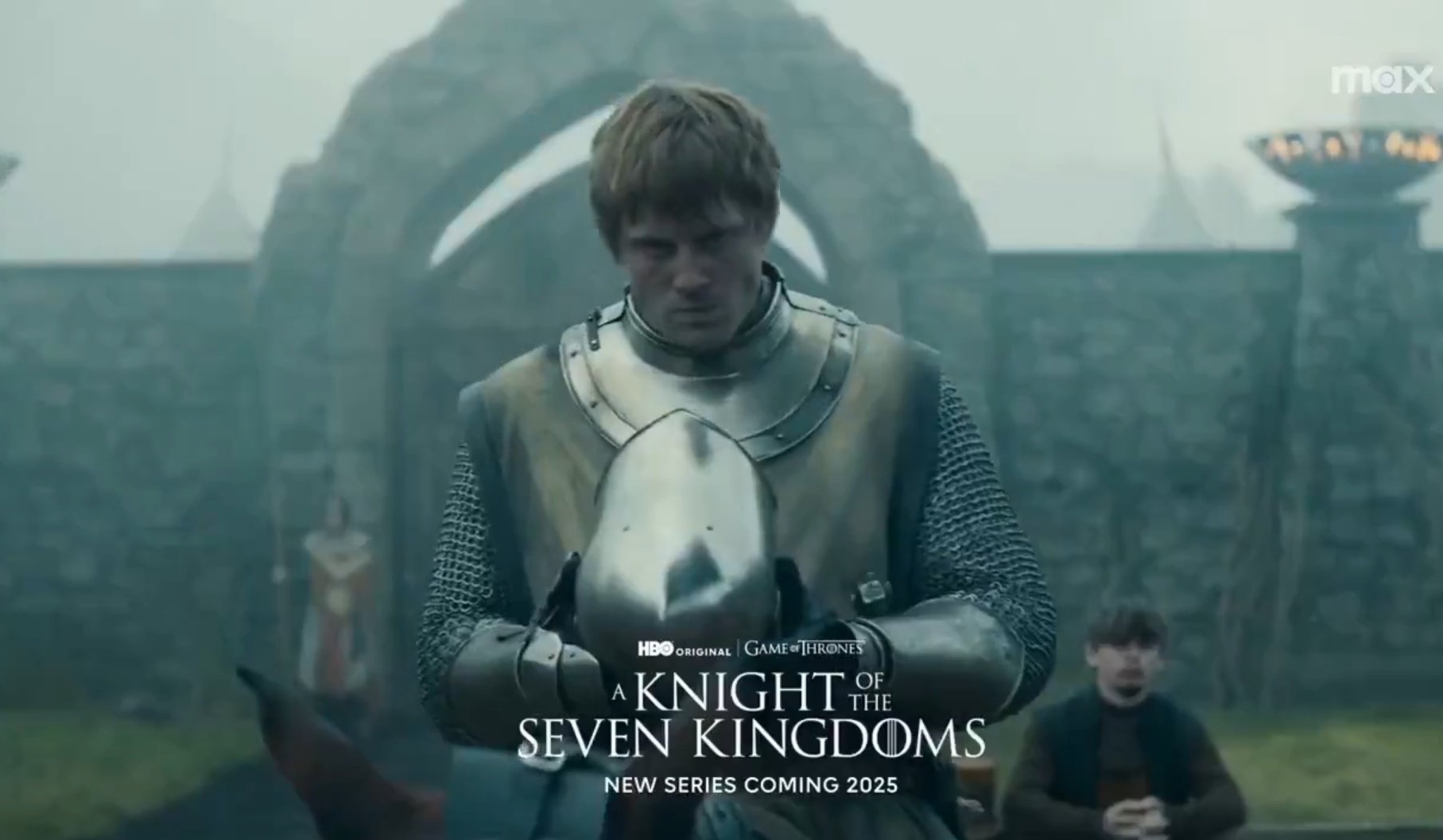
The character tree for A Knight of the Seven Kingdoms centers on the nomadic adventures of Ser Duncan the Tall and his squire, Egg—who is secretly Prince Aegon Targaryen. This lineage connects the reign of Daeron II to the eventual rise of Aegon V, navigating a complex web of Targaryen princes, Blackfyre loyalists, and regional lords during the height of the Targaryen dynasty.
Navigating the genealogical landscape of George R.R. Martin’s "Tales of Dunk and Egg" requires an understanding of the specific era in which these stories take place. Set roughly 90 years before the events of A Game of Thrones, the narrative begins in 209 AC (After Conquest). This period is defined by the aftermath of the First Blackfyre Rebellion and the Great Spring Sickness, both of which drastically pruned the Targaryen family tree and reshaped the line of succession. To understand the character tree, one must look at the royal household, the humble origins of Ser Duncan, and the various knights and lords who cross their paths across the Seven Kingdoms.
The Foundation: Ser Duncan the Tall and the Humble Origins
Unlike the high-born lords of Westeros, Ser Duncan the Tall (Dunk) possesses no formal family tree. Born in the slums of Flea Bottom in King's Landing, Dunk’s ancestry is entirely unknown, a fact that serves as a recurring theme in his journey. He was a squire to an old hedge knight, Ser Arlan of Pennytree, from whom he inherited his gear and his dubious claim to knighthood.
Dunk’s "family" is one of choice and circumstance. His relationship with Egg creates the most significant branch of this narrative tree. While Dunk lacks a biological lineage, his impact on the future of the Seven Kingdoms is profound. In the context of the larger Song of Ice and Fire universe, it is widely theorized and supported by textual evidence that Dunk is the ancestor of Brienne of Tarth, linking his humble 209 AC beginnings to the noble houses of the later era.
The Targaryen Royal Lineage (The Reign of Daeron II)
The most intricate part of the A Knight of the Seven Kingdoms character tree is the Targaryen dynasty. During the events of The Hedge Knight, the throne is held by King Daeron II, also known as Daeron the Good. His progeny and their respective branches are essential for understanding the political stakes of the novellas.
The Four Sons of Daeron II
- Baelor "Breakspear" Targaryen: The eldest son and Prince of Dragonstone. Baelor is the Hand of the King and a paragon of chivalry. His sudden death at the Tourney of Ashford Meadow is the catalyst for the shifting succession.
- Aerys I Targaryen: The second son, who is more interested in books and prophecy than ruling. He eventually succeeds Daeron II but leaves the realm's management to Brynden Rivers.
- Rhaegel Targaryen: The third son, often described as eccentric or "mad." His children, Aelor and Aelora, represent a tragic and short-lived branch of the tree.
- Maekar I Targaryen: The fourth son and the Prince of Summerhall. Maekar is stern and feels overlooked. He is the father of Egg (Aegon V) and several other key figures.
The Sons of Maekar I (The "Egg" Branch)
The character tree narrows significantly when we look at Maekar's household. Because Maekar was a fourth son, his own children were considered far from the throne, which is why Egg was allowed to squire for a hedge knight.
- Daeron Targaryen: Known as "Daeron the Drunkard," he possessed prophetic "dragon dreams" but lacked the constitution for leadership.
- Aerion Targaryen: Called "Aerion Brightflame," he is a primary antagonist in The Hedge Knight. He is cruel, arrogant, and believes he is a dragon in human form.
- Aemon Targaryen: A scholarly youth who eventually becomes Maester Aemon of the Night’s Watch, a character well-known to readers of the main series.
- Aegon Targaryen (Egg): The youngest son, who eventually ascends the throne as King Aegon V. His travels with Dunk define his character and his future "pro-smallfolk" policies.
The Blackfyre Shadow and the Great Bastards
You cannot map the characters of this era without acknowledging the Blackfyre Rebellions. Though the First Rebellion ended before the stories begin, its participants and their descendants haunt the character tree.
The Great Bastards of Aegon IV "The Unworthy" are pivotal figures. Brynden Rivers, known as Bloodraven, serves as the Hand of the King and the Master of Whisperers. He is a legitimate Targaryen loyalist. Conversely, the supporters of Daemon Blackfyre (the deceased pretender) remain active in the shadows. In The Mystery Knight, characters like Daemon II Blackfyre (disguised as John the Fiddler) attempt to revive the Blackfyre branch of the tree, leading to direct conflict with Dunk and Egg.
Key Supporting Houses and Figures
Beyond the dragons, the character tree of A Knight of the Seven Kingdoms is populated by members of the Great Houses and minor landed knights. These characters provide the social context for Dunk’s transition from a "hedge knight" to a legendary figure.
House Fossoway: The Red and the Green
During the Tourney at Ashford Meadow, we see a literal split in a family tree. Steffon Fossoway (the Red Apple) remains a traditional, somewhat self-serving knight. His cousin, Raymun Fossoway, disgusted by Steffon's treachery, founds a new branch: the Green Apple Fossoways. This is one of the few instances in Westerosi history where a character tree branches due to a personal moral dispute during a trial by combat.
The Osgrey and Webber Conflict
In The Sworn Sword, the tree expands into the Reach. Ser Eustace Osgrey represents a dying lineage, a man obsessed with his family’s former glory and their support of the Blackfyres. His rival, Lady Rohanne Webber (The Spider of Coldmoat), is a formidable widow whose own family tree is fraught with complications involving her father’s will and her need for an heir. Notably, Rohanne Webber eventually marries into House Lannister and becomes the grandmother of Tywin Lannister, connecting the Dunk and Egg stories directly to the political titans of A Game of Thrones.
Targaryen Succession and Relationship Table
The following table clarifies the Targaryen royal family members present or discussed during the three novellas comprising A Knight of the Seven Kingdoms.
| Character | Title/Role | Relation to the Throne | Status/Fate in Novellas |
|---|---|---|---|
| Daeron II | King of the Andals | Current Monarch (Hedge Knight) | Dies of Great Spring Sickness |
| Baelor Breakspear | Prince of Dragonstone | Heir Apparent | Slain accidentally by Maekar I |
| Maekar I | Prince of Summerhall | 4th Son of Daeron II | Becomes King after Aerys I |
| Aerys I | Prince/King | 2nd Son of Daeron II | Succeeds Daeron II; childless |
| Aerion Brightflame | Prince | 2nd Son of Maekar I | Exiled to Lys after Ashford |
| Aegon (Egg) | Squire / Prince | 4th Son of Maekar I | Travels with Dunk; future King |
| Valarr Targaryen | Prince | Son of Baelor Breakspear | Dies of Great Spring Sickness |
| Brynden Rivers | Hand of the King | Great Bastard | Enforces Targaryen rule |
The Role of the Kingsguard
The Kingsguard represents a unique "familial" structure in the character tree. While they take vows of celibacy, their presence is a constant anchor for the royal family. In A Knight of the Seven Kingdoms, we meet legendary figures like Ser Roland Crakehall and Ser Donnel of Duskendale. These men protect the Targaryen branches, but they also serve as the standard of knighthood that Dunk aspires to reach. Eventually, Dunk himself joins this "family," rising to the rank of Lord Commander of the Kingsguard under Aegon V.
The Significance of the Second Blackfyre Rebellion
The character tree in The Mystery Knight is particularly deceptive. Many characters attend the wedding tourney at Whitewalls under false pretenses. This includes Lord Gormon Peake, a staunch Blackfyre supporter who seeks to manipulate the lineage of the pretenders to seize power. The complexity of the "John the Fiddler" reveal—that he is actually Daemon II Blackfyre—highlights how the character tree is used as a tool for political subversion. For Dunk and Egg, identifying who belongs to which branch of the Targaryen/Blackfyre split is a matter of life and death.
Implications for the HBO Adaptation
With the 2026 television landscape featuring the ongoing adaptation of A Knight of the Seven Kingdoms, visual character trees have become essential for viewers. The show emphasizes the physical differences between the Targaryens—the silver-gold hair and violet eyes—making the "secret" of Egg’s identity a central visual plot point. The TV medium also helps clarify the vast number of "Ser" characters, distinguishing between those who are true knights and those, like Dunk, who struggle with the weight of the title.
Frequently Asked Questions
Who are the parents of Egg in A Knight of the Seven Kingdoms?
Egg, or Prince Aegon Targaryen, is the son of Prince Maekar Targaryen and Dyanna Dayne. Maekar is the fourth son of King Daeron II, and Dyanna was a member of House Dayne of Starfall. Her inclusion in the tree is significant as it brings the "Dayne" bloodline into the Targaryen royal family, though she dies before the events of the first novella.
Is Ser Duncan the Tall related to anyone in Game of Thrones?
While not explicitly confirmed in the text of the novellas, George R.R. Martin has strongly suggested that Brienne of Tarth is a descendant of Ser Duncan the Tall. This connection is supported by Brienne finding a shield in the armory at Evenfall Hall that matches the description of the one Dunk used—a falling star above an elm tree on a sunset field.
Why is the Targaryen family tree so confusing during this period?
The tree is complicated primarily due to the Great Spring Sickness of 209-210 AC. This plague killed King Daeron II and his immediate heirs, Valarr and Matarys (the sons of Baelor Breakspear). This sudden "pruning" caused the crown to pass to the King's second son, Aerys I, and eventually down to the fourth son, Maekar, which was a highly unusual and unexpected line of succession.
What is the "Green Apple" Fossoway?
The Green Apple Fossoways are a cadet branch of House Fossoway founded by Raymun Fossoway. During the Trial of Seven at Ashford Meadow, Raymun’s cousin Steffon betrayed Dunk. To distance himself from his cousin's dishonor, Raymun painted the red apple on his shield green, remarking that he would rather be "green and growing" than "red and rotten."
Does the Blackfyre lineage end in these stories?
No, the Blackfyre lineage continues through the "Male Line" until the War of the Ninepenny Kings (which occurs decades after the current novellas). In A Knight of the Seven Kingdoms, the focus is on the failure of the Second Blackfyre Rebellion and the capture of Daemon II Blackfyre, which prevented that specific branch from taking the throne at that time.
Final Recommendation for Readers and Viewers
To fully appreciate the depth of the A Knight of the Seven Kingdoms character tree, focus on the relationship between social status and identity. The contrast between Dunk's lack of a tree and Egg's overly complex royal lineage is the heart of the story. For those looking to track the succession, always keep the "Rule of Four" in mind: Maekar was a fourth son, and Egg was his fourth son. This "fourth of a fourth" status is what allowed them the freedom to wander the Seven Kingdoms and develop the unique perspective that would eventually define Aegon V's reign.