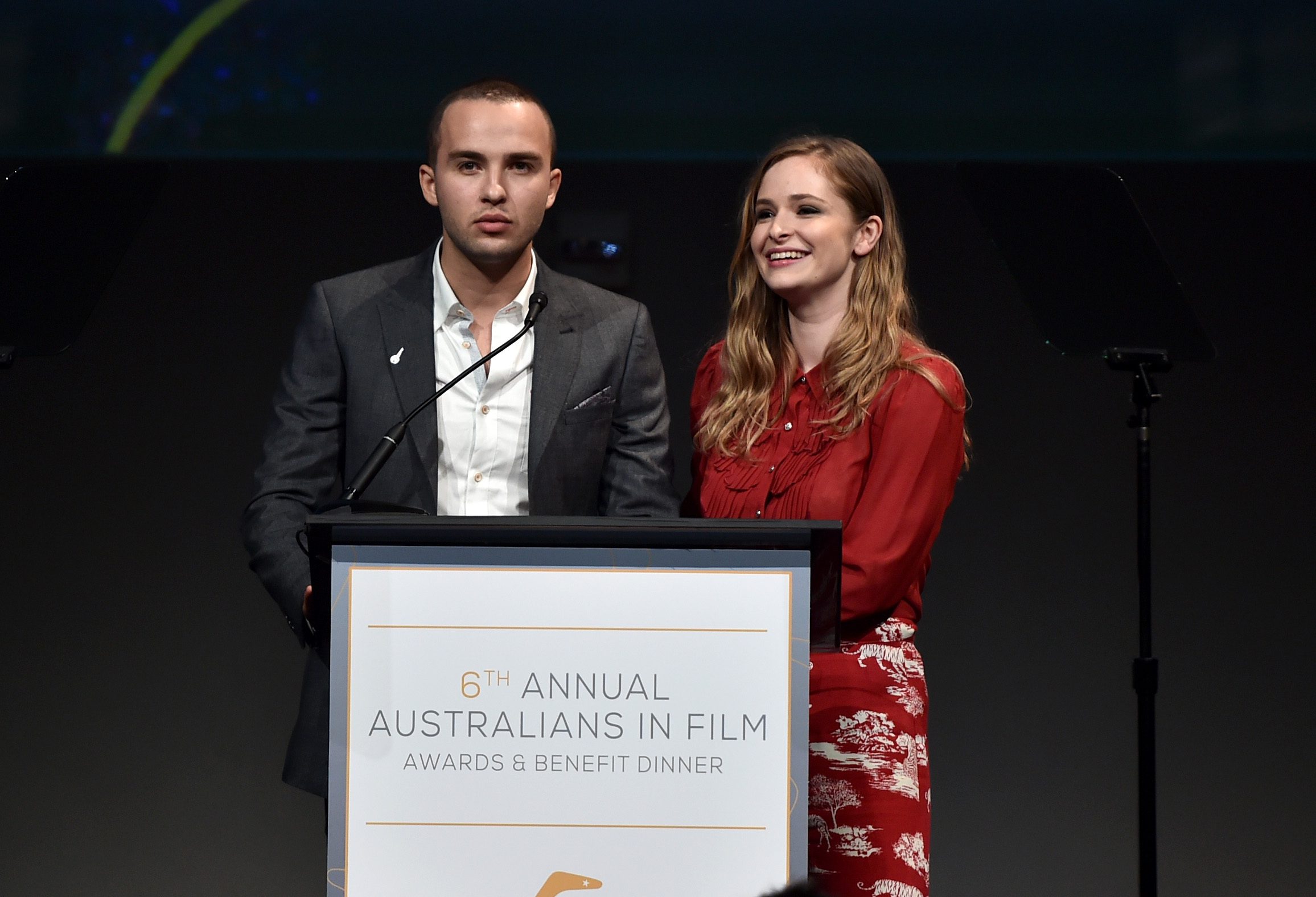
Ashleigh Davidson maintains a distinct presence within public interest domains, often drawing inquiries regarding personal background, professional milestones, and biographical details such as age. While exact chronological milestones or birth dates for private individuals can occasionally remain outside mainstream public records, understanding the context of public searches involves exploring available professional achievements, public visibility, and the broader digital footprint associated with the name.
The fascination surrounding public figures, media personalities, and individuals linked to notable events often drives significant search volume for basic biographical data. When users look up information regarding public profiles, they typically seek verified historical facts, career histories, and clear distinctions between similarly named individuals. This examination breaks down the nature of these inquiries, the importance of accurate data verification, and the broader context of digital footprint management in contemporary biographical research.
The Nature of Biographical Inquiries in the Digital Age
Digital search habits have transformed how people look for information about public figures and contemporary personalities. When a name trends or generates curiosity, search engines frequently process thousands of queries related to age, background, and professional status. This phenomenon reflects a broader cultural trend toward immediate information retrieval.
However, distinguishing between verified biographical data and speculative internet rumors requires careful methodology. Many online profiles aggregate unverified claims, leading to widespread inaccuracies regarding personal details. For individuals who maintain a private life alongside professional visibility, drawing a clear line between public achievement and private identity becomes essential. Evaluating the credibility of sources ensures that factual integrity remains intact, preventing the spread of misinformation across digital platforms.
Distinguishing Public Profiles and Private Identities
In the realm of biographical research, a fundamental distinction exists between public figures—such as elected officials, actors, and corporate executives—and private citizens who happen to share a name or a localized connection to a notable event.
- Public Figures: Individuals whose professions place them directly in the public eye usually have standardized biographical records, verified press releases, and official professional profiles.
- Private Individuals: People who operate outside major public industries retain a right to privacy, meaning granular personal details like exact birth dates or ages are rarely matters of public record.
- Homonyms and Disambiguation: Common names frequently cause confusion in search engine algorithms, blending data from multiple unrelated individuals into a single search result page.
Understanding these distinctions prevents misattribution and ensures that research respects personal boundaries while satisfying legitimate informational queries.
Professional Context and Public Visibility
When evaluating searches centered around specific individuals, analyzing their professional sphere often provides the primary context for public interest. Whether associated with media, corporate leadership, creative arts, or specialized industries, professional accomplishments form the core of any substantive biographical overview.
Public visibility typically expands when an individual engages in public-facing projects, media appearances, or institutional leadership roles. Observers and researchers look to these professional milestones to understand an individual's career trajectory rather than focusing solely on static demographic data points.
Factors Driving Public Curiosity
Several recurring elements typically trigger spikes in biographical searches across digital engines:
- Media Appearances: Involvement in television, film, podcasts, or journalism naturally increases public recognition.
- Professional Milestones: Promotions, awards, major project launches, or organizational leadership appointments draw industry attention.
- Cross-Platform References: Mentions in collaborative works, academic publications, or public advocacy campaigns create new pathways for digital discovery.
- Algorithmic Trends: Autocomplete suggestions and trending topics on search engines can amplify interest in a name, even without a major new development.
Verification Challenges in Online Biography
Researching personal details online presents distinct challenges due to the proliferation of content farms, automated biographical generators, and unverified wiki-style databases. These platforms frequently prioritize search engine optimization over factual accuracy, resulting in conflicting details across different websites.
To maintain analytical rigor, researchers must rely on primary sources, official institutional directories, and verified professional portfolios. Relying on secondary aggregators without corroboration often introduces errors that persist across multiple digital channels.
| Information Type | Reliable Sources | Unreliable Sources | Verification Strategy |
|---|---|---|---|
| Professional History | Official corporate profiles, LinkedIn, regulatory filings | Content aggregator sites, unverified blogs | Cross-reference employment dates and institutional records |
| Biographical Data | Official statements, primary interviews, legal filings | Rumor forums, speculative social media threads | Confirm through direct primary documentation or official statements |
| Media Mentions | Established journalistic outlets, press releases | Clickbait listicles, SEO-driven profile pages | Verify publisher editorial standards and original reporting dates |
Navigating Digital Footprints Responsibly
The modern digital ecosystem requires a balanced approach to consuming and publishing personal information. As search algorithms become more sophisticated, the persistence of historical data means that details published online can remain accessible indefinitely.
For individuals navigating public interest, managing a digital footprint involves active engagement with professional platforms and maintaining boundaries regarding personal privacy. For consumers of digital content, exercising critical thinking when evaluating online profiles helps curb the spread of unverified claims and respects the distinction between public achievements and private lives.
Frequently Asked Questions
Why is specific biographical information like age sometimes difficult to find online?
Detailed personal data such as exact birth dates is typically private unless an individual chooses to make it public or their profession requires formal public disclosures. Privacy norms and data protection principles prevent the unwarranted publication of private demographic details for individuals outside major public office or celebrity status.
How can search engine users avoid misinformation regarding public profiles?
Users should rely on primary sources, official professional networks, and established journalistic publications rather than unverified biographical aggregator websites. Checking multiple credible sources helps confirm whether a piece of information is substantiated or speculative.
What causes confusion between different people with the same name in search results?
Search engine algorithms match keywords rather than contextual identities. When two or more people share a name, automated systems often merge their professional histories, images, and biographical details into a single search result, creating disambiguation errors.
Why do search queries for personal names often spike unexpectedly?
Spikes in search volume are frequently driven by algorithmic trends, autocomplete suggestions, or minor mentions in news stories or social media platforms. These surges do not always correspond to a major career milestone or newsworthy event.
Are online age and net worth aggregators accurate?
Most automated profile aggregators and estimation sites rely on algorithms and generalized templates rather than verified financial or personal records. Their figures and biographical claims should be treated as speculative estimates rather than established facts.
Conclusion and Recommendations
When examining inquiries regarding profiles such as "ashleigh davidson age," the overarching priority should be a commitment to factual accuracy, source verification, and respect for personal privacy boundaries. Rather than relying on unverified internet aggregators, researchers and curious readers alike benefit from focusing on verifiable professional achievements and maintaining a critical eye toward digital content. Prioritizing authentic primary documentation ensures a more accurate and responsible approach to digital research.